15 Surprising Facts About the 24 Hours of Le Mans: The Ultimate Endurance Race
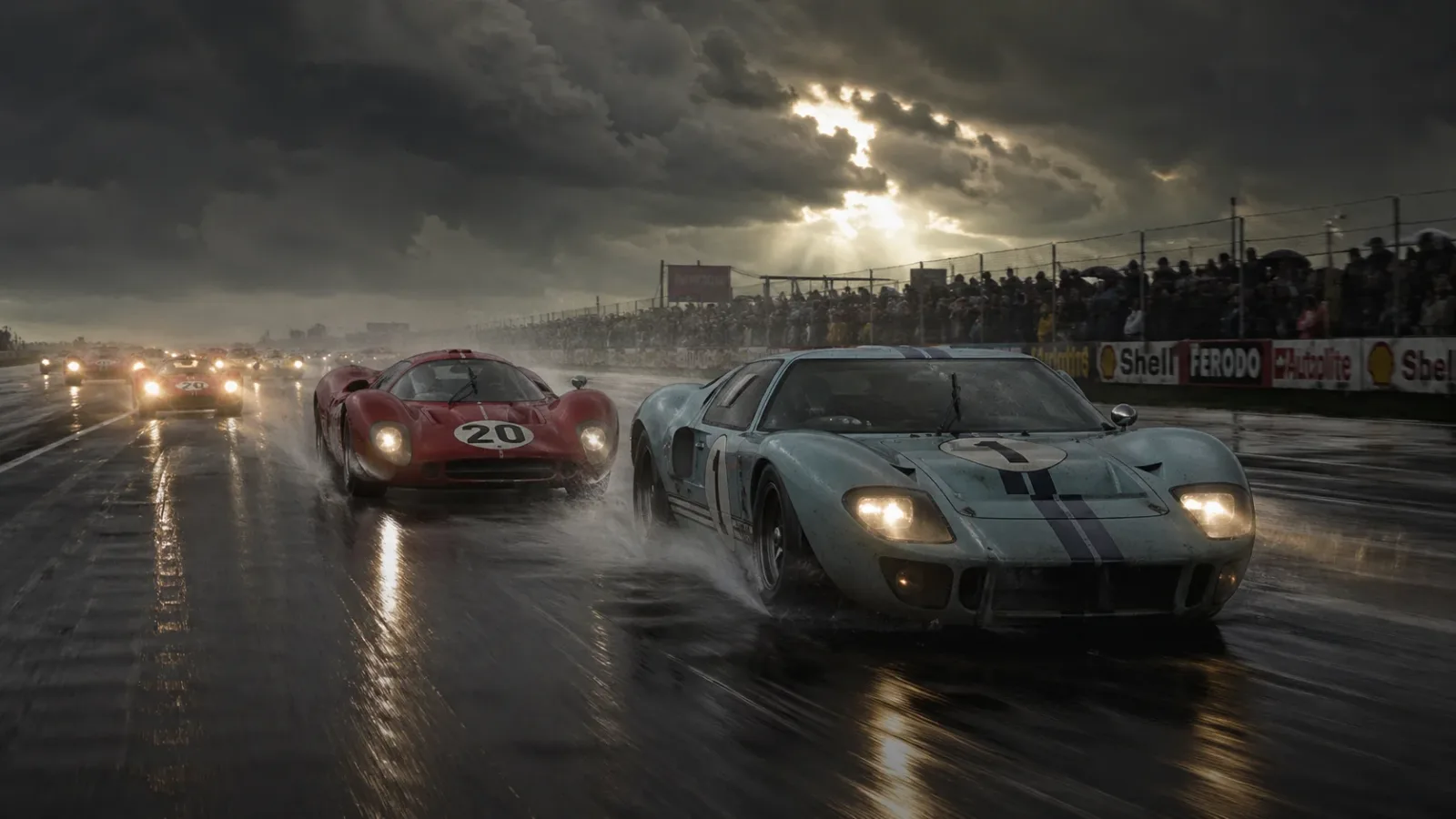
To conquer the 24 Hours of Le Mans is to survive a merciless purgatory of asphalt, where the fragile limitations of human endurance violently collide with the unforgiving physics of terrifying speed. This grueling, ceaseless rotation of the clock demands an absolute, agonizing sacrifice from every soul daring enough to pilot these snarling mechanical beasts through the encroaching darkness. It is an unparalleled, monumental test of man and machine, a relentless crucible where split-second faltering results in catastrophic obliteration. As exhausted drivers navigate the treacherous circuit through blistering heat and torrential downpours, they are haunted by the ghosts of motorsport’s past, pushing their roaring chariots to the absolute brink of destruction in a desperate pursuit of eternal automotive glory.
1. The Grueling Spectacle Was Forged in the Mechanical Crucible of 1923.
This monumental automotive battleground materialized in 1923, birthing an unprecedented, torturous marathon to push early combustion engines to their absolute breaking points. Forcing manufacturers to engineer vehicles capable of surviving catastrophic wear, this brutal inauguration established the hallowed French countryside as the ultimate, unforgiving proving ground.
2. The Running Start Ended After 1969
Drivers ran across the track to their cars from 1925 through 1969. Safety concerns included competitors setting off before fastening their harnesses. In 1970 they started already seated and strapped in; a rolling start followed in 1971. Jacky Ickx's deliberate walk to his car in 1969 became a famous protest against the old procedure.
3. A Joyous Mistake Birthed the Iconic Tradition of Spraying Champagne.
The ubiquitous tradition of triumphantly showering the podium in a volatile explosion of champagne was accidentally birthed amidst the unparalleled euphoria of 1967. Overcome by an intoxicating surge of adrenaline, American driver Dan Gurney spontaneously unleashed a powerful, euphoric geyser of sparkling wine, permanently etching this intoxicating symbol of absolute triumph into global racing.
4. The Victorious Machines Must Conquer Over Five Thousand Unforgiving Kilometers.
The mind-boggling scale of this relentless marathon requires victorious prototypes to devour well over five thousand punishing kilometers before the checkered flag falls. Operating at the absolute razor edge of physical adhesion, this astronomical mileage inflicts catastrophic degradation upon every singular component, slowly vaporizing brakes and torturing highly stressed engines.
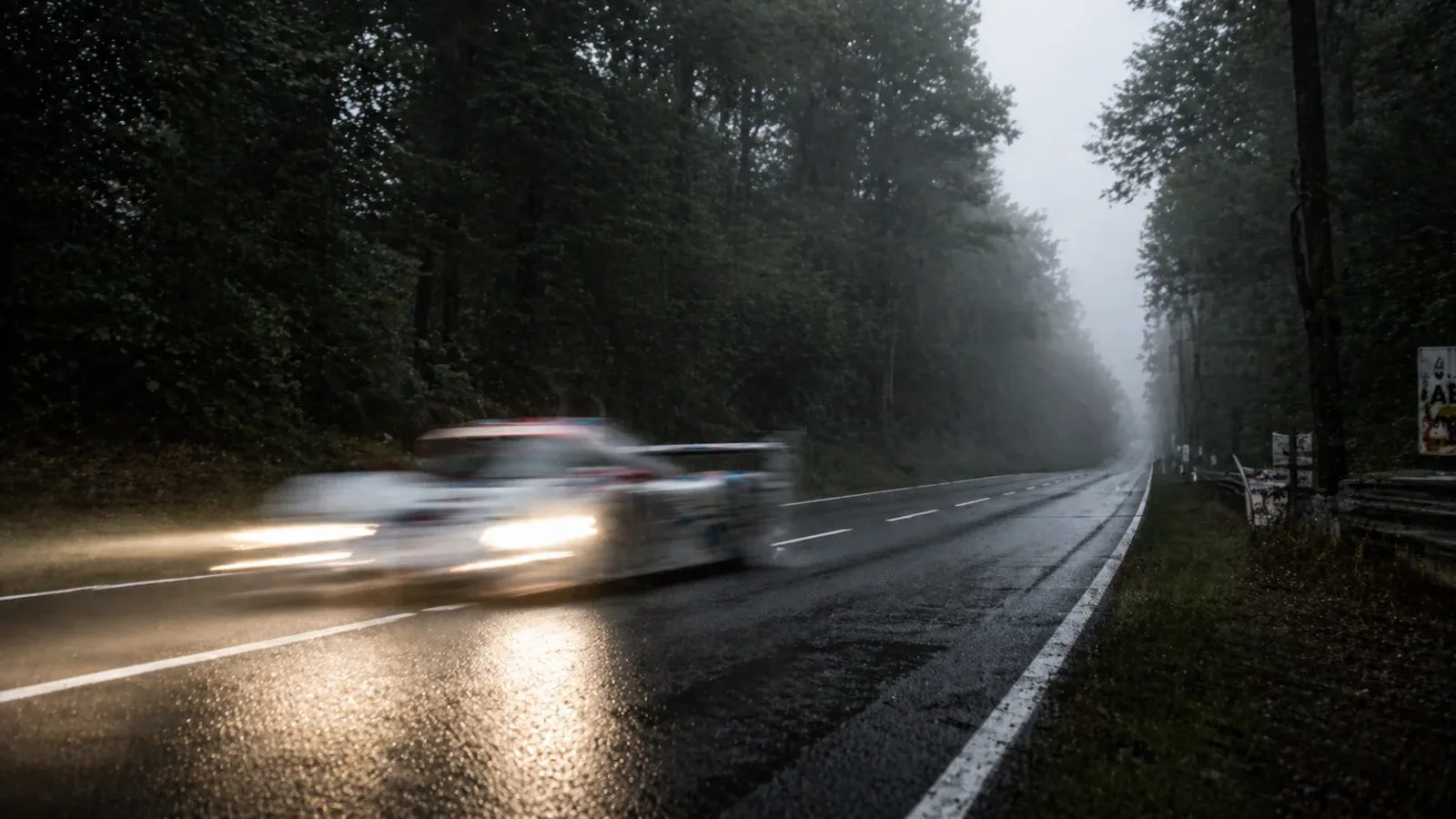
5. A WM-Peugeot Recorded 405 km/h in 1988
The WM-Peugeot P88 recorded an official 405 km/h on the Mulsanne Straight in 1988. The attempt targeted maximum speed on the long uninterrupted section rather than an overall race victory. The addition of two chicanes in 1990 changed the conditions for such a record.
6. The Grueling Marathon Stands Proudly as the Crowning Jewel of the Triple Crown.
This devastating French marathon occupies a profoundly revered status as one fundamental pillar of the legendary Triple Crown, standing alongside the blindingly fast Indianapolis 500 and the unforgiving Monaco Grand Prix. Conquering these three inherently dangerous disciplines demands an almost superhuman, unprecedented level of adaptability and automotive mastery.
 You might also like
The Unstoppable Champion: 15 Fascinating Facts About Sébastien Loeb
7. The Absolute Dominance of Tom Kristensen Earned Him the Title of Mister Le Mans.
Shattering the boundaries of statistical probability, legendary Danish driver Tom Kristensen secured an entirely unprecedented nine overall victories. Earning the immortal moniker of Mister Le Mans, his unparalleled reign of absolute dominance was fueled by relentless consistency and an ironclad psychological fortitude that rendered him immune to devastating fatigue.
8. A Horrific Tragedy in 1955 Fundamentally Altered the Future of Racing Safety.
The darkest chapter in global motorsport unfolded during the terrifyingly chaotic 1955 contest when a catastrophic collision launched a heavily fueled Mercedes into an unprotected grandstand. This unimaginable inferno claimed over eighty innocent lives, permanently transforming track design and mandating crucial safety implementations to prevent another staggering heartbreak.
9. Porsche Built a Record of Overall Victories
Porsche had 19 overall Le Mans victories in the ACO's June 2024 statistical summary, ahead of Audi's 13. A total number of wins across different years is a different statistic from a consecutive winning streak. Dated totals also avoid implying that a historical statistic can never change.
 Motorsport Legends
Sixteen motorsport legends and great races, from Senna, Prost, Lauda, Schumacher and Hamilton to Valentino Rossi and Sébastien Loeb, plus Formula 1, MotoGP, NASCAR, Le Mans, the Indy 500 and the Red Bull Air Race.
See All Facts
10. A Bitter and Multimillion-Dollar Vendetta Ignited the Legendary Ford and Ferrari War.
Following a deeply insulting, collapsed acquisition deal, an utterly enraged Henry Ford II authorized a limitless reservoir of corporate capital to humiliate the dominant Ferrari empire. This terrifying influx of American funding miraculously birthed the powerful Ford GT40, setting the stage for an epic, brutal war of automotive attrition in 1966.
11. The Encroaching Darkness Introduces an Unparalleled and Terrifying Psychological Torment.
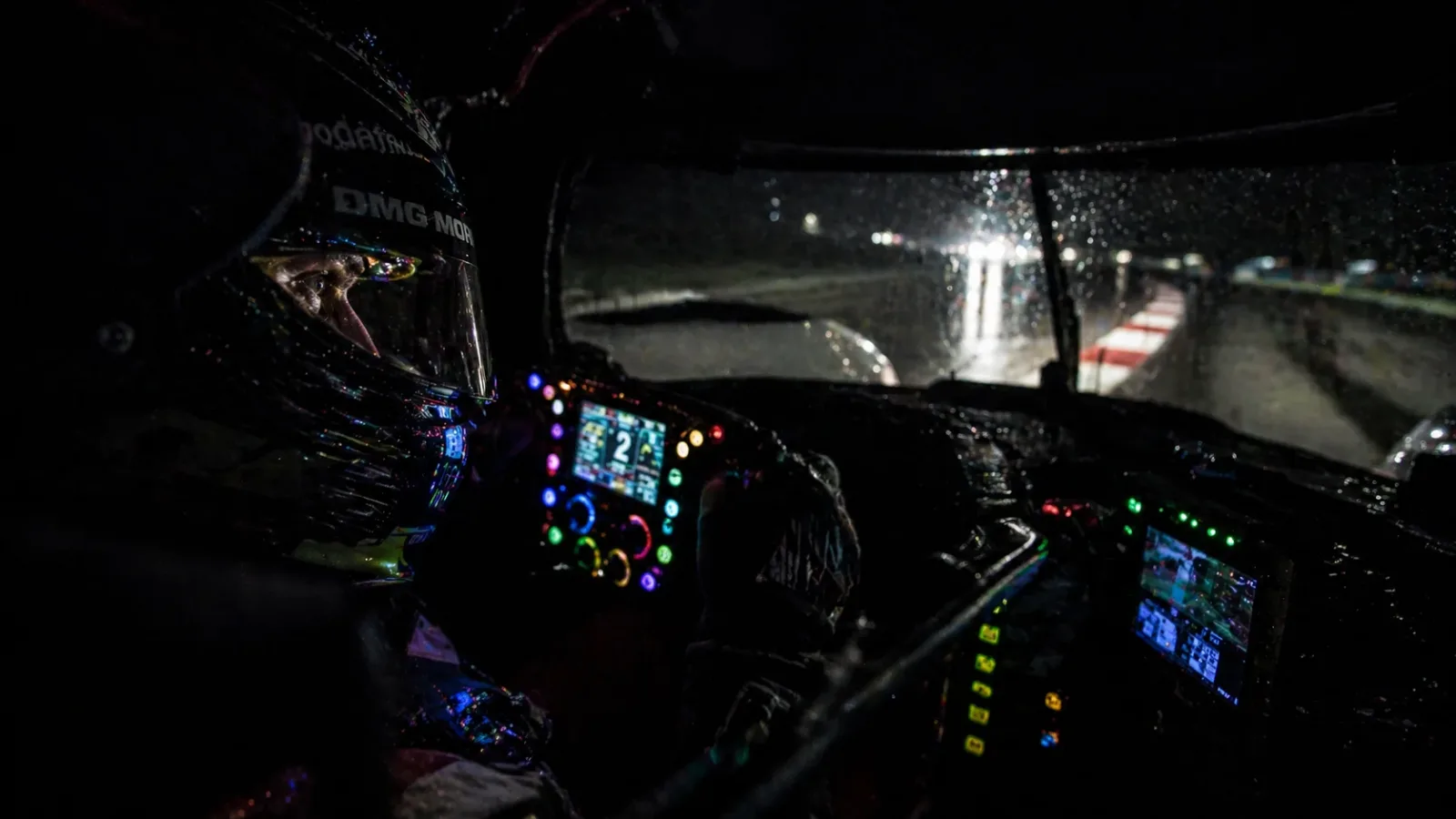
As the bleeding sun dips below the horizon, the perilous circuit descends into a horrific, pitch-black abyss, enveloping isolated drivers in an overwhelming nightmare. Navigating treacherous corners at mind-bending speeds guided only by fragile headlights requires supreme sensory deprivation, forcing a desperate battle against the agonizing pull of devastating exhaustion.
12. Two Chicanes Changed the Mulsanne Straight in 1990
The Mulsanne Straight once provided roughly six kilometers of uninterrupted acceleration. Two chicanes introduced in 1990 divided it into three sections and reduced the opportunity to reach the extreme top speeds of the 1980s. Descriptions of the old straight should identify that historical configuration.
🤔 Quick guess
What made the Mazda 787B's 1991 victory so unique?
13. The Grueling Physical Toll Ultimately Forced the Adoption of Three-Driver Rotations.
In the wildly dangerous early epochs, incredibly stubborn individuals attempted the sheer insanity of driving the entire twenty-four hours solo. As cornering forces violently punished the fragile human skeleton, agonizing muscle failure and terrifying sleep-deprivation hallucinations ultimately forced racing authorities to mandate a strict rotation of three elite athletes.
14. A Deafening and Unique Rotary Engine Powered the Underdog Mazda to Absolute Triumph.
Amidst the entrenched dominance of traditional architectures, the wild, miraculous victory of the Mazda 787B in 1991 stands as a glorious rebellion. Propelled by an unconventional rotary engine emitting an ear-shattering mechanical shriek, the underdog squad utilized flawless reliability to relentlessly outlast the heavily favored European behemoths.
15. Treacherous Micro-Climates Transform the Massive Circuit Into an Unpredictable Nightmare.
The sprawling geographic footprint of this unforgiving circuit exposes speeding competitors to wildly unpredictable, localized atmospheric roulette. A driver can crest a blind, terrifying hill on heavily worn slick tires directly into a devastatingly sudden, torrential monsoon, instantaneously transforming unyielding racing machines into completely uncontrollable, hydroplaning missiles.
How did these facts land?
Know someone who'd love these facts? Share them 👇
🧠 Quiz: How closely were you paying attention?
Think you remember the facts? 10 questions, tap an answer.