The Vibrant Capital: 15 Fascinating Facts About Bangkok
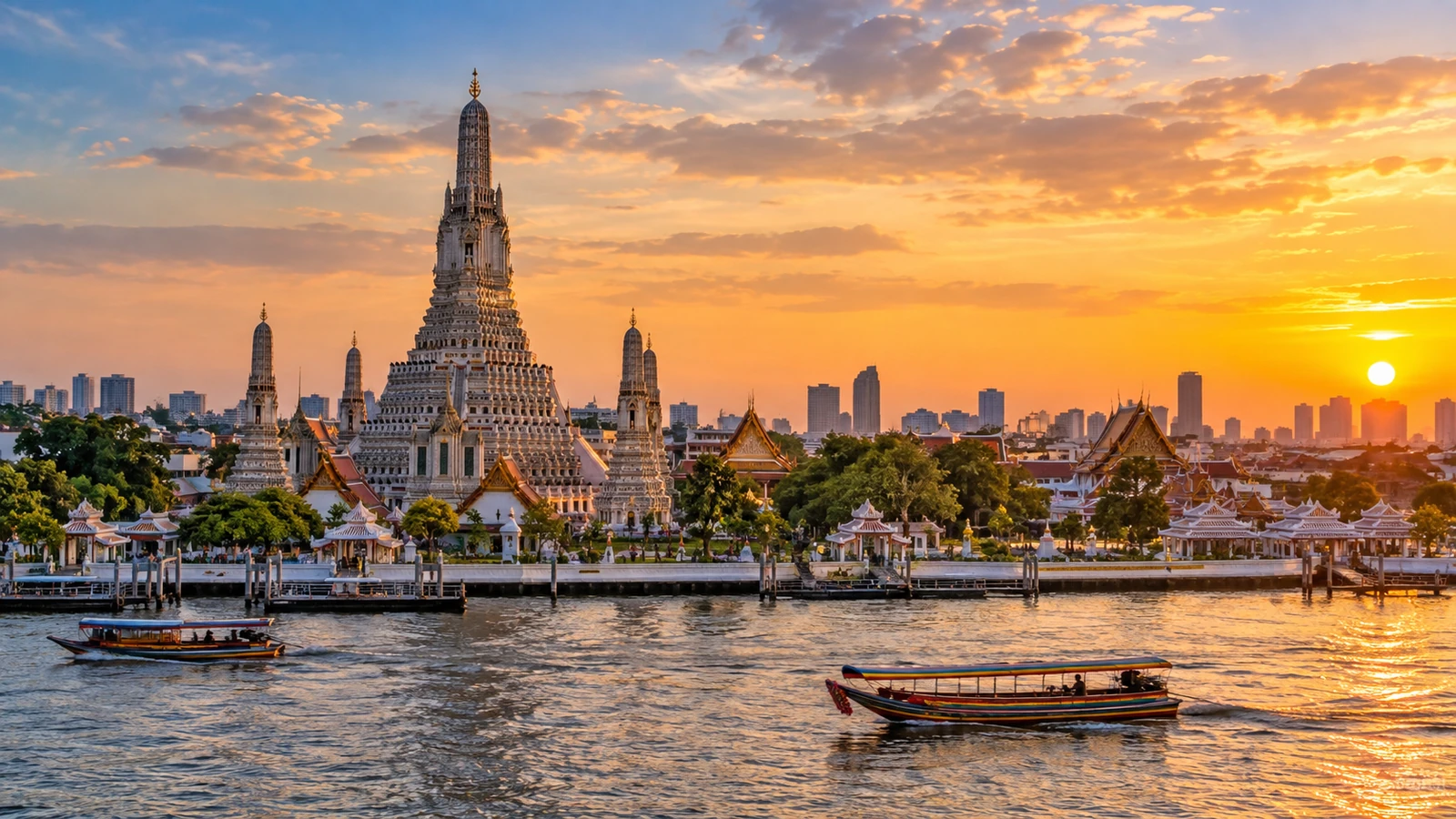
Bangkok is a captivating metropolis where ancient spiritual traditions exist side-by-side with modern urban chaos. From record-breaking ceremonial names to floating river transit, the Thai capital is packed with surprising secrets that baffle first-time travelers. Beyond its shimmering golden temples and famous street food, the city enforces unique laws and harbors fascinating history. Here are 15 amazing facts about one of Southeast Asia's most dynamic and eccentric destinations.
1. The Longest Place Name in the World
Bangkok's full ceremonial name is recognized by the Guinness World Records as the longest geographical name on Earth. Known locally as Krung Thep, its full ritual title consists of 168 letters and 21 words, starting with Krungthepmahanakhon Amonrattanakosin.... It takes roughly 15 seconds to recite completely and translates to a poetic description of the city as an angelic realm created by gods. Thai school children actually learn the lengthy name through a specialized catchy song created to help memorize the tongue-twister. While tourists simply call it Bangkok, the official ceremonial moniker remains a point of immense cultural pride in Thailand.
2. Dubbed the Hottest City on Earth
The World Meteorological Organization designated Bangkok as the world's hottest city based on its relentless average annual temperature across day and night. Unlike cities that experience extreme seasonal heat spikes, Bangkok maintains high temperatures year-round, rarely dipping below 20 degrees Celsius (68 degrees Fahrenheit). High humidity levels combine with urban heat islands created by concrete and asphalt, making the tropical air feel significantly warmer than the thermostat suggests. Even during cooler winter months, the capital experiences warm, muggy conditions that offer little relief to residents and visitors alike. This persistent heat dictates everything from local architectural designs to night-centric city life.
3. Driving Shirtless Is Strictly Illegal
Despite the sweltering heat that defines the city, shedding your shirt while operating a vehicle is against Thai law. This regulation applies not only to car drivers but also to motorcyclists, tuk-tuk drivers, and even passengers on open transport. Local police actively enforce the rule, issuing fines to anyone caught driving with a bare torso regardless of how hot the weather gets. The law is rooted in public decency standards designed to maintain modesty and order on public roads. Visitors renting motorbikes often fall victim to this obscure rule, unaware that shedding layers to combat the humidity is a punishable offense.
4. Royal Anthem Protocol in Movie Theaters
Attending a film in a Bangkok cinema comes with a unique civic ritual that surprises many international visitors. Before the main feature begins, the theater plays the Royal Anthem accompanied by a cinematic video tribute showcasing the life and charitable work of the monarch. Every audience member is legally and culturally expected to stand silently for the duration of the song to show respect. Remaining seated during the anthem is considered extremely disrespectful and can technically result in legal consequences under strict lèse-majesté laws. Once the song concludes, the crowd sits back down and the movie starts as normal.
5. The Birthplace of Red Bull
The world-famous energy drink Red Bull traces its origin directly back to the bustling streets of Bangkok. In 1976, Thai businessman Chaleo Yoovidhya invented an uncarbonated energy tonic called Krating Daeng, which translates to "Red Gaur" or "Red Bull." Originally targeted at truck drivers and blue-collar laborers needing stamina during long shifts, the drink became massively popular across the country. Austrian businessman Dietrich Mateschitz discovered the drink during a business trip to Bangkok, partnered with Yoovidhya, and adapted the recipe for western tastes. Today, the global beverage empire owes its existence to that original Thai recipe crafted in the capital.
6. A City Slowly Sinking Into the Mud
Bangkok is built on soft clay lowlands near the Gulf of Thailand, creating a major environmental crisis as the city sinks at a rate of roughly one to two centimeters annually. Decades of excessive groundwater pumping combined with the overwhelming weight of heavy modern skyscrapers have compressed the soft soil beneath the metropolis. Rising sea levels and severe monsoon seasons exacerbate the problem, leading scientists to warn that parts of the capital could be underwater within decades. To combat this threat, the city is investing heavily in underground water storage parks, coastal sea walls, and improved drainage networks.
 Asian Cities
From hyper-futuristic megacities boasting heated subway seats to ancient imperial capitals hiding subterranean water palaces, Asia's greatest metropolises are defined by astonishing contrasts. Discover the hidden quirks and rich histories of these hubs.
See All Facts
Asian Cities
From hyper-futuristic megacities boasting heated subway seats to ancient imperial capitals hiding subterranean water palaces, Asia's greatest metropolises are defined by astonishing contrasts. Discover the hidden quirks and rich histories of these hubs.
See All Facts
7. A Temple Shrine to David Beckham
Tucked away in Bangkok's Yan Nawa district lies Wat Pariwat, an unorthodox Buddhist temple famous for its bizarre altar decorations. Among traditional figures of deities and mythical creatures, visitors can find a small, gilded statue of English football icon David Beckham supporting the base of an altar. The sculpture was installed in 1998 by a soccer-loving monk and a craftsman to commemorate the FIFA World Cup held that year. Beckham is depicted wearing his iconic Manchester United jersey complete with sponsor logos, standing alongside images of pop culture icons. The temple has become a popular offbeat destination for sports fans and curious travelers from around the globe.
8. Michelin-Starred Street Food Served in Ski Goggles
Bangkok is world-renowned for its street food scene, but one legendary vendor named Supinya Junsuta, famously known as Jay Fai, stands out from the rest. Operating a modest street-side eatery, she earned a prestigious Michelin star for her immaculate seafood dishes, particularly her iconic crab omelet stuffed with fresh lump crab meat. What makes her instantly recognizable is her signature attire: she cooks every order over roaring open charcoal braziers while wearing heavy black ski goggles. The protective eyewear shields her eyes from the intense heat, smoke, and flying oil splatters generated by high-heat wok cooking. Despite long wait times and high prices, food enthusiasts line up for hours to taste her award-winning creations.
9. The World's Largest Solid Gold Buddha
Housed inside the temple of Wat Traimit in Bangkok's vibrant Chinatown is the Golden Buddha, officially recognized as the largest solid gold statue in the world. Standing nearly 10 feet tall and weighing a staggering 5.5 tons, the statue has an estimated melt value running into hundreds of millions of dollars. Remarkably, the true value of the statue was forgotten for centuries because it had been covered in a thick layer of plaster and colored glass to disguise it from invading armies. Its golden interior was only rediscovered accidentally in 1955 when the statue dropped during transport to a new building, cracking the plaster shell to reveal the shimmering gold beneath.
10. An Extensive Network of Commuter Canals
Long before paved roads dominated the urban landscape, Bangkok was known as the "Venice of the East" due to its vast network of interconnected canals known as khlongs. While many historic waterways were paved over during modern expansion, tens of thousands of residents still rely on river taxis and canal boats for their daily commute. Traversing the Chao Phraya River and major canals allows commuters to completely bypass the city's notoriously gridlocked road traffic. These water buses operate at high speeds, pulling up to wooden piers for seconds at a time to let passengers hop on and off. The boat network remains one of the fastest and cheapest ways to navigate the urban sprawl.
11. Spirit Houses Outside Almost Every Building
Look outside almost any home, office tower, or shopping mall in Bangkok, and you will notice a miniature ornate shrine known as a San Phra Phum, or spirit house. Rooted in ancient animist beliefs that predate Buddhism, these small elevated structures are built to provide a comfortable residence for the guardian spirits of the land. Property owners regularly leave offerings of red Fanta, fresh flowers, incense, and fruit to appease the spirits and ensure good fortune. The practice dictates that if spirits are given their own micro-home, they will not enter the main building to cause mischief or bad luck. Even modern luxury high-rises make room on their footprints for these sacred structures.
12. The Strict Ban on Public Durian Fruit
Durian is celebrated across Southeast Asia as the "King of Fruits," known for its rich, custard-like texture and intensely pungent aroma. However, its overpowering smell—often described as a mix of rotten onions, turpentine, and raw sewage—has made it unwelcome on Bangkok's public transit systems. Both the BTS Skytrain and the MRT underground networks strictly ban passengers from carrying whole or opened durian onto trains or into stations. Signs featuring a durian inside a red slash circle warn commuters of steep fines for violating the rule. Many high-end hotels and office buildings throughout the city enforce similar bans to prevent the lingering odor from seeping into air conditioning units.
13. The Banning of Street-Begging Elephants
For decades, it was a common sight to see handlers walking young elephants through the chaotic urban streets of Bangkok to beg for money from tourists. The animals were led past night markets and bars, where visitors would pay small fees to feed them bananas or take photos. However, the concrete streets, noisy traffic, and bright lights caused severe distress, injury, and respiratory problems for the gentle giants. In response to intense pressure from animal welfare groups, the city government banned elephants from urban streets entirely and introduced heavy fines for handler violations. Today, strict law enforcement has largely cleared the capital's roads of street-begging pachyderms, directing them to sanctuaries instead.
14. The Enormous Scale of Chatuchak Weekend Market
Bangkok is home to Chatuchak Weekend Market, one of the largest outdoor markets anywhere in the world. Spanning over 35 acres, the market contains more than 15,000 individual stalls organized into distinct sections selling everything from vintage clothing and hand-carved handicrafts to exotic pets and antique furniture. On any given weekend, the sprawling labyrinth attracts upwards of 200,000 shoppers, including both local residents hunting for bargains and international tourists. Navigating the dense maze of narrow alleyways can easily take an entire day, making printed maps or navigation apps essential for first-time visitors. It represents the beating heart of Thailand's vibrant market culture.
15. The Obscure Law Against Going Underwear-Free
Among Bangkok's vast legal code sits a surprisingly bizarre, centuries-old regulation that makes it technically illegal to leave your residence without wearing underwear. While law enforcement officers certainly do not conduct spot checks on pedestrians, the obscure statute remains officially on the books. It was originally drafted as part of early modern decency decrees intended to promote westernized standards of dress and public civility. Similar historic laws in Thailand prohibit stepping on local currency banknotes because they display the image of the revered King. Although practically unenforceable today, it remains one of the capital's most famous legal oddities enjoyed by trivia enthusiasts.
Sources & References
This AI-assisted post was rigorously curated and fact-checked for accuracy by:
 Martin Roháček
How fun was this article? 🤔
Tap a star to rate it
🧠 Quiz: How closely were you paying attention?
10 questions — all answers are in the article above!
Enjoyed these facts? There's more! 💌
Fresh fun facts in your inbox. No spam, ever.