The Sweet Science: 15 Fascinating Facts About Boxing
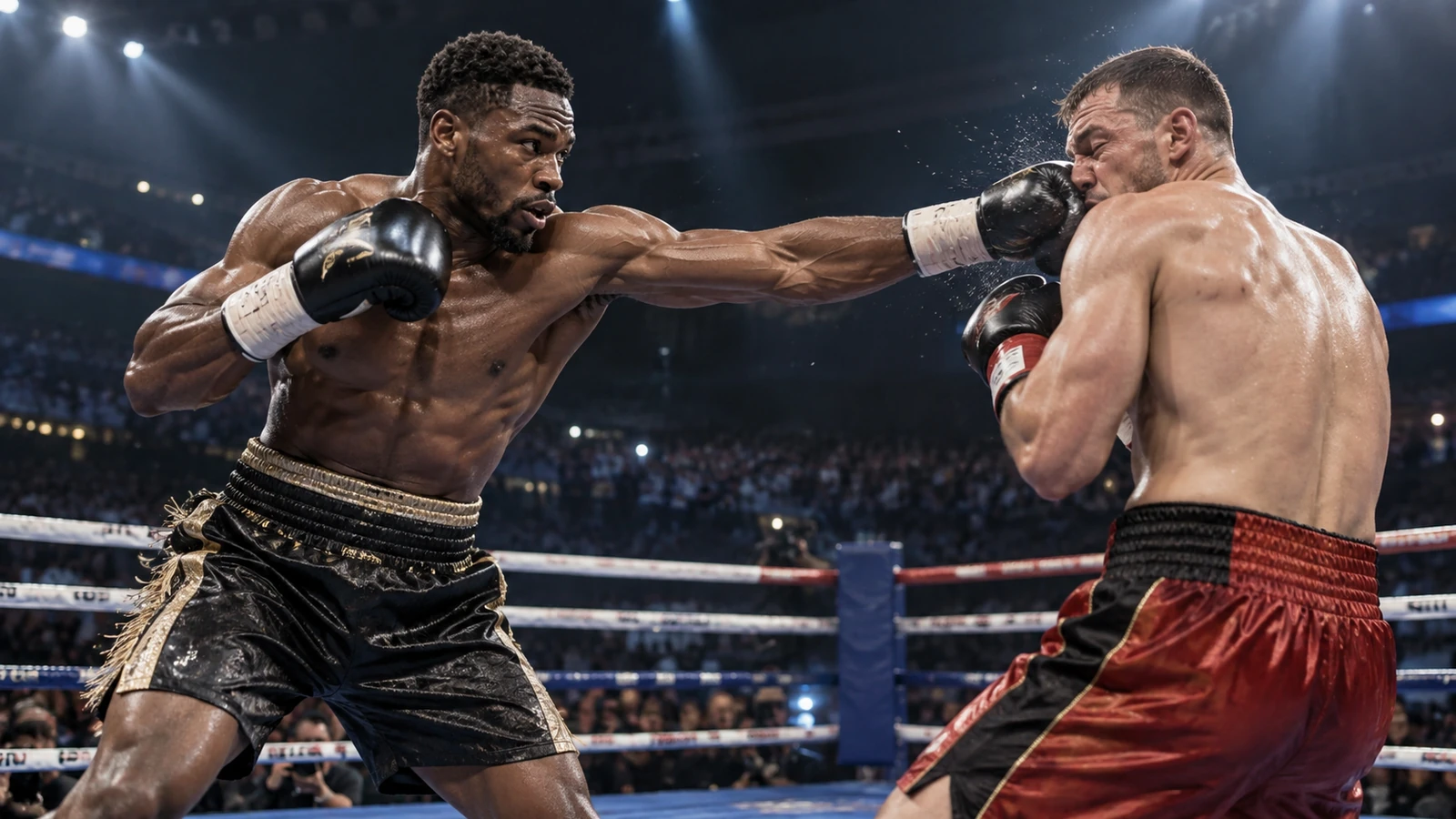
From ancient Olympic contests fought without weight classes to modern biomechanical marvels, boxing is one of humanity's oldest and most tactical combat sports. Beyond the raw power displayed inside the ring lies a deep history filled with unexpected physiological paradoxes, ancient Roman iron gloves, and legendary underdogs who inspired Hollywood classics. Discover 15 surprising and verifiable facts about the origins, physics, and history of combat in the square circle.
1. Ancient Olympic Boxing Featured No Weight Classes or Time Limits
Boxing made its official debut at the 23rd ancient Olympic Games in 688 BC, where competitors fought under vastly different conditions than today. Combatants wrapped their hands in soft leather thongs known as himantes, but they competed without weight divisions or timed rounds. Matches continued uninterrupted until one fighter surrendered by raising an index finger or was rendered completely unconscious. Judges stood nearby equipped with heavy wooden rods, which they used to beat any fighter who attempted to hold or wrestle an opponent. Because size was not regulated, larger athletes maintained an overwhelming advantage, making endurance and physical mass the ultimate deciding factors in combat.
2. Modern Boxing Rules Stem From an 1867 Scottish Code
The transition from wild bare-knuckle brawling to a regulated sport occurred with the publication of the Marquess of Queensberry rules in 1867. Drafted by John Graham Chambers and endorsed by John Sholto Douglas, the 9th Marquess of Queensberry, these 12 guidelines fundamentally altered combat sports. The code introduced the mandatory use of padded gloves, instituted standard three-minute rounds separated by one-minute rest periods, and established a 10-second count for downed fighters. Wrestling, grappling, and hugging were strictly banned under the new system to prioritize technical striking. These reforms transformed prize fighting from an illegal underground spectacle into a mainstream athletic event accepted across the globe.
3. The Shortest World Title Fight Lasted Only 11 Seconds
On August 6, 1993, American boxer Gerald McClellan defended his WBC super-middleweight championship against Jay Bell in a bout that set an astonishing record. As soon as the bell rang, McClellan marched across the ring and landed a devastating right hook to Bell's body, followed immediately by a sharp blow to the jaw. Bell collapsed to the canvas in agony, unable to recover before the referee completed the mandatory 10-second count. The entire official contest lasted just 11 seconds, which included the full countdown period. In reality, the actual offensive action lasted barely over a single second, making it the briefest world title match in modern boxing history.
4. Amateur Boxing Headgear Increased Concussion Rates
For three decades, amateur boxers wore protective padded headguards, believing they reduced traumatic brain injuries. However, comprehensive medical studies conducted by the International Boxing Association (AIBA) revealed a surprising paradox: headgear actually increased the risk of concussions. The bulky padding broadened the outer perimeter of a fighter's head, making it a significantly larger target and hindering peripheral vision. Furthermore, the extra weight amplified rotational forces when strikes landed, transferring intense torsional kinetic energy straight into the brain stem. Consequently, AIBA officially banned headguards for male elite boxers in 2013, resulting in a measurable drop in concussion rates worldwide.
5. Heavyweight Punches Land With over 1,000 Pounds of Force
Elite heavyweight boxers generate astonishing mechanical force through their strikes, often exceeding 450 kilograms or roughly 1,000 pounds of instantaneous pressure. Biomechanical research measuring elite heavyweights has shown that a maximum-effort straight right hand can hit with an impact comparable to being struck by a 13-pound bowling ball traveling at 20 miles per hour. This massive force delivers incredible g-forces to an opponent's skull upon impact, rapidly accelerating the fluid surrounding the brain. The physical shock causes sudden neurological disruption, which explains how a single clean punch can instantly knock out a fully conditioned world-class athlete.
6. A Knockout Punch Generates Power From the Legs
While spectating fans focus heavily on a boxer's arms and shoulders, the true kinetic energy of a devastating punch begins at the feet. Knockout power relies on a mechanical phenomenon known as the kinetic chain, where force transfers upward through consecutive muscle groups. A fighter drives off the back foot, rotating the ankles, knees, and hips to generate immense rotational torque in the core. That stored mechanical energy accelerates through the chest and shoulders before finally releasing through the fist upon impact. Arm strength alone provides only a fraction of a strike's total force, making leg drive and core rotation the real secrets behind knockout power.
7. The Term Southpaw Comes From 19th-Century Baseball
In combat sports, a left-handed fighter who stands with their right foot forward is traditionally called a "southpaw." The origin of this unique term dates back to 19th-century American baseball stadium design. To prevent the bright afternoon sun from blinding batters, ballparks were consistently aligned so that home plate faced east and pitcher's mounds faced west. Consequently, when a left-handed pitcher stepped onto the mound, their throwing arm naturally pointed toward the southern boundary of the stadium. Sportswriters quickly adopted the colorful baseball terminology, eventually transferring "southpaw" to describe left-handed prize fighters in the ring.
8. Speed Bags Are Designed for Rhythm and Shoulder Endurance
Casual observers often assume that hitting a speed bag builds raw punching power, but its true training purpose is entirely tactical. The rhythmic rebounding against the wooden swivel platform teaches fighters hand-eye coordination, precise timing, and spatial awareness. Crucially, keeping the hands elevated at chin level while maintaining a rapid cadence builds immense isometric endurance in the deltoid and upper back muscles. During a grueling 12-round bout, muscular fatigue in the shoulders often causes a boxer's defense to drop. Speed bag training ensures fighters retain the shoulder stamina necessary to keep their guard raised in late-fight situations.
9. The Heaviest World Champion Weighed Nearly 330 Pounds
Russian heavyweight Nikolai Valuev holds the physical record as the tallest and heaviest world champion in professional boxing history. Standing 7 feet (2.13 meters) tall and weighing up to 328 pounds (149 kilograms) during his peak, Valuev earned the intimidating moniker "The Russian Giant." He captured the WBA heavyweight title in 2005 by defeating John Ruiz and successfully defended it against several elite contenders. Opponents faced an enormous tactical hurdle simply reaching his chin, while Valuev utilized his tremendous reach and immense physical weight to lean on rivals, exhausting them over the course of distance fights.
10. Sugar Ray Robinson Coined the Concept of "Pound-for-Pound"
Legendary fighter Sugar Ray Robinson possessed such an unprecedented combination of speed, power, fluid footwork, and durability that sportswriters had to invent a new phrase to measure his greatness. In the 1940s, boxing journalists created the term "pound-for-pound" specifically to compare Robinson's skill against heavier champions who naturally outsized him. Between 1943 and 1951, Robinson put together a mind-boggling 91-fight winning streak against top-tier competition. His overwhelming excellence across multiple weight divisions set the ultimate standard for boxing mastery, cementing his status as arguably the greatest fighter to ever live.
11. Boxing Gloves Protect the Puncher's Hands, Not the Opponent's Head
A widespread misconception suggests that padded gloves were introduced to protect fighters' heads from injury, but the opposite is historically true. Human metacarpal bones are fragile compared to the thick, hard bone structure of the human skull. In bare-knuckle fighting, boxers rarely threw full-power strikes directly to the head because doing so frequently resulted in broken hands—a painful injury known modernly as a "boxer's fracture." Padded gloves cushion the delicate hand bones upon impact, enabling fighters to throw violent, full-force blows to an opponent's head repeatedly without destroying their own fists.
12. Chuck Wepner's Underdog Fight Inspired the Movie Rocky
The iconic 1976 sports film Rocky was inspired by a dramatic real-world heavyweight title clash between Muhammad Ali and a journeyman named Chuck Wepner. On March 24, 1975, Wepner—a heavy underdog nicknamed "The Bayonne Bleeder"—was expected to be knocked out within a few rounds by the legendary champion. Instead, Wepner shocked the world by knocking Ali down in the ninth round and battling courageously all the way into the 15th round before being stopped with seconds remaining. An unknown actor named Sylvester Stallone watched the live broadcast, became deeply moved by Wepner's resilience, and wrote the Oscar-winning script in just three days.
13. Ancient Roman Boxers Fought With Deadly Iron-Spiked Gloves
While ancient Greeks wrapped their hands in relatively supple leather, the ancient Romans escalated boxing into a brutal, often fatal spectacle using a device called the caestus. This heavy hand wrap was embedded with copper bands, iron plates, and sharp metal studs designed to cause maximum physical trauma. Roman boxing matches took place in public amphitheaters, where enslaved gladiators fought for the amusement of crowds. Because the metal-laden gloves delivered lethal force, contests frequently ended in severe brain damage, permanent disfigurement, or death, leading to the eventual suppression of the sport across the empire.
14. Boxers Can Lose Up to 10 Pounds of Water Weight in a Single Fight
The intense metabolic strain of professional boxing leads to rapid, extreme fluid loss during a single championship contest. Under intense arena lighting and wearing non-breathable fight gear, a heavyweight boxer exerts continuous explosive energy across 12 three-minute rounds. Through sweat and heavy pulmonary respiration, fighters frequently shed up to 4.5 kilograms (10 pounds) of body weight during a single fight. Managing severe dehydration mid-bout is a critical challenge, as even a minor percentage drop in hydration dramatically impairs reaction time, brain protection, and cardiovascular stamina.
15. The "Sweet Science" Nickname Was Coined in 1813
Boxing is universally nicknamed "The Sweet Science," a phrase that captures the delicate balance between physical aggression and cerebral strategy. The famous moniker was coined in 1813 by British sportswriter Pierce Egan in his celebrated multi-volume chronicle Boxiana. Egan referred to pugilism as the "sweet science of bruising" to emphasize that victory required far more than brute force. He argued that a master boxer relied on biomechanics, distance management, psychological warfare, and tactical defense—qualities that elevated ring combat into an intellectual, scientific discipline.
Sources & References
This AI-assisted post was rigorously curated and fact-checked for accuracy by:
 Martin Roháček
How fun was this article? 🤔
Tap a star to rate it
🧠 Quiz: How closely were you paying attention?
10 questions — all answers are in the article above!
Enjoyed these facts? There's more! 💌
Fresh fun facts in your inbox. No spam, ever.