The Electronic Pioneers: 15 Fascinating Facts About Depeche Mode
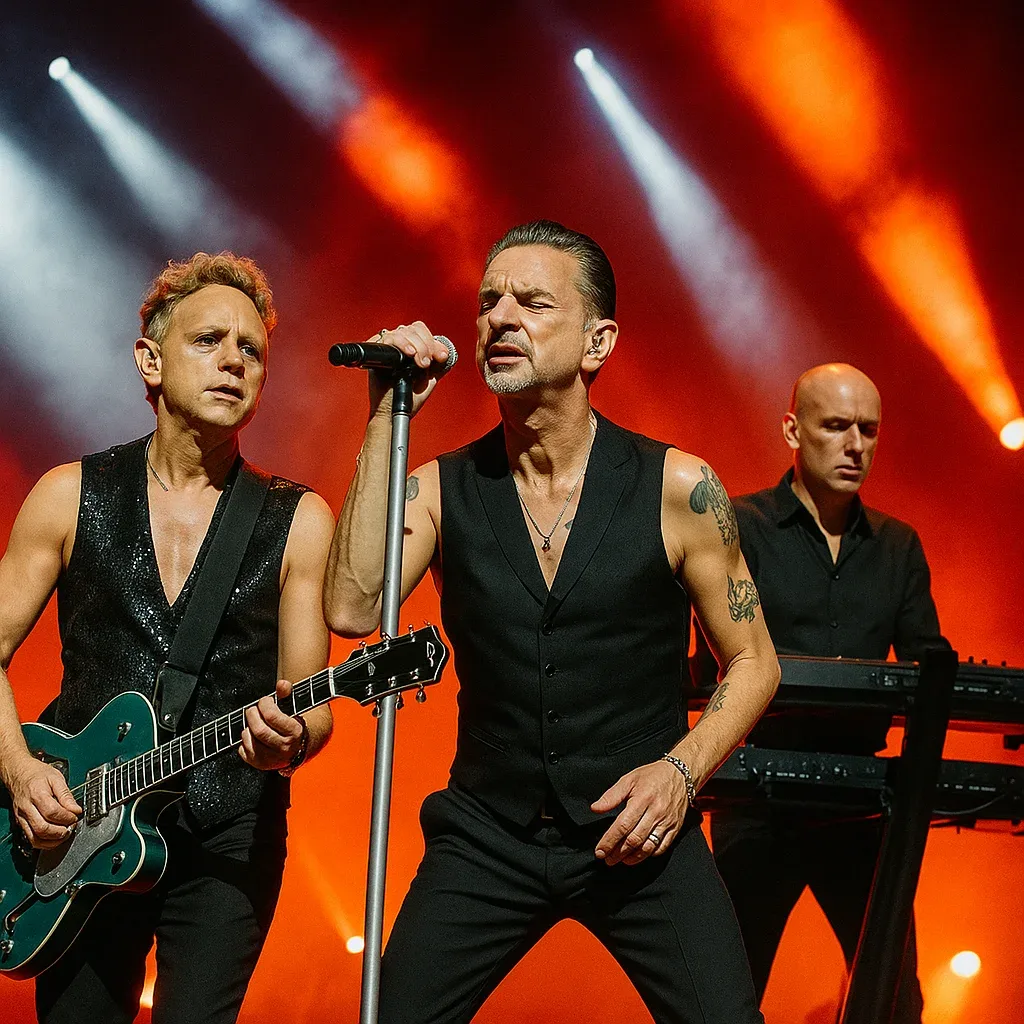
Formed in Basildon, Essex, in 1980, Depeche Mode grew from humble synth-pop origins into one of the most successful and influential electronic rock bands in history. Over a career spanning more than four decades, the group revolutionized pop music by blending industrial noise, melancholic lyricism, and groundbreaking sampling techniques. From bizarre studio recording tricks to wild stadium performances behind the Iron Curtain, their story is packed with surprising twists and dark romanticism. Here are 15 fascinating facts about the electronic music pioneers who redefined alternative rock.
1. The Name Was Lifted From a French Fashion Magazine
In 1980, the synth-pop pioneers chose their distinct moniker after frontman Dave Gahan flipped through a French fashion publication titled Dépêche Mode. The phrase roughly translates to "fashion dispatch" or "fashion news," though the band members admittedly knew very little French at the time and simply loved how stylish the words sounded. Prior to adopting this title, the group had performed briefly under the name Composition of Sound. Gahan convinced his bandmates that the French magazine title captured the slick, modern aesthetic they wanted to project. The name stuck, forever linking one of darkwave's most influential acts to a glossy style publication.
2. Founder Vince Clarke Departed After Just One Album
Primary songwriter Vince Clarke was the driving creative force behind Depeche Mode's upbeat debut album, Speak & Spell, released in 1981. However, shortly after the record achieved commercial success, Clarke abruptly left the group because he thoroughly disliked the pressures of touring, intense media exposure, and pop stardom. His departure shocked fans and critics alike, who assumed the young synth band would collapse without its primary composer. Instead, Clarke went on to achieve massive success with Yazoo and Erasure, while Depeche Mode adapted and evolved into a far darker sonic entity. The remaining members rallied together, forcing guitarist and keyboardist Martin Gore to step up as the main songwriter.
3. Their Groundbreaking Industrial Sounds Were Sampled From Scrap Metal
During the mid-1980s, Depeche Mode pioneered a revolutionary approach to sampling that helped define the industrial pop genre. Rather than relying on pre-packaged synthesizer presets, the band roamed the streets of London and Berlin hitting corrugated iron sheets, pipes, and abandoned machinery with hammers. They recorded these raw metallic noises onto early digital samplers to build custom rhythm tracks for albums like Construction Time Again and Some Great Reward. This gritty, physical sound design gave hits like "People Are People" a distinct mechanical crunch that set them apart from standard synth-pop acts of the era. Their tactile recording methods helped bridge the gap between avant-garde industrial music and chart-topping pop.
4. "Just Can't Get Enough" Was Written in a Single Evening
The legendary hit single "Just Can't Get Enough" was penned by Vince Clarke in a single evening using a borrowed synthesizer. At the time, the band members were working day jobs and could barely afford their own high-end electronic equipment. Clarke sat down with the borrowed keyboard, experimented with simple repetitive hooks, and composed the entire melody and chorus in just a few hours. When the track was released in September 1981, it became the group's first major top-ten hit in the United Kingdom. Decades later, the infectious tune remains a staple of pop culture and stadium sing-alongs around the globe.
5. Their Very First Gig Was Played at an Essex School
Depeche Mode played their inaugural official concert in May 1980 at St Nicholas Comprehensive School in Basildon, Essex, where member Andy Fletcher had been a student. The audience consisted of roughly twenty to thirty bewildered classmates and friends who watched the young quartet perform with primitive electronic setups. At this early stage, the band had to haul their heavy synthesizers onto buses and trains to get to small local venues. Despite the humble surroundings and minimal crowd response, the gig marked the official birth of one of the most successful electronic live acts in history. Within a few short years, those school assembly performances transformed into record-breaking stadium tours across continents.
6. Martin Gore Took Over Songwriting and Embraced Darker Themes
Following Vince Clarke's departure, Martin Gore assumed control of songwriting and steered the band away from bubbly synth-pop toward melancholic, provocative themes. Gore drew inspiration from philosophy, theology, and literature while reading late into the night during exhausting hours spent on tour buses. His fascination with topics like religious hypocrisy, romantic obsession, and psychological angst gave songs like "Blasphemous Rumours" and "Master and Servant" an edgy complexity. This shift in narrative tone defined Depeche Mode's signature aesthetic and attracted a devoted subculture of fans. Gore's willingness to explore human vulnerability became the emotional bedrock of the band's massive longevity.
7. Anton Corbijn Transformed Their Visual Identity with a Single Rose
Dutch photographer and filmmaker Anton Corbijn played a monumental role in shaping Depeche Mode's visual identity starting in the mid-1980s. When art directing the iconic 1990 album Violator, Corbijn chose a minimalist image of a red rose set against a stark black background. He was inspired by simple graphic imagery found on everyday supermarket flower packaging, believing it contrasted brilliantly with the album's aggressive title. Corbijn's sleek photography and moody music video direction transformed Depeche Mode's image from synth nerds into leather-clad, atmospheric rock stars. His artistic partnership with the group spans over three decades, defining every cover, stage set, and press photo.
8. They Broke Into East Berlin Before the Fall of the Wall
Long before the fall of the Berlin Wall, Depeche Mode developed a massive, near-mythic cult following in East Germany and across Eastern Europe. In March 1988, the band played a legendary concert at the Werner-Seelenbinder-Halle in East Berlin, which became one of the rare Western rock shows allowed by the communist regime. Thousands of youth in East Berlin dressed in black, cut their hair like Dave Gahan, and formed unofficial fan clubs celebrating "Depeche Mode Day." Their synthesized music represented freedom, rebellion, and modernity to teenagers living behind the Iron Curtain. To this day, the band retains an unmatched cultural status in Germany and Eastern European nations.
9. "Personal Jesus" Was Inspired by Priscilla Presley's Autobiography
The explosive 1989 single "Personal Jesus" marked a dramatic turning point as Depeche Mode fully integrated bluesy guitar riffs into their electronic sound. Martin Gore wrote the track after reading Elvis and Me, the bestselling autobiography written by Priscilla Presley. Gore was fascinated by how Elvis Presley was elevated to a godlike status by his wife, functioning as a literal "personal Jesus" for those who adored him. To promote the single, the band placed mysterious classified advertisements in local newspapers featuring the phrase "Your Own Personal Jesus" alongside a phone number fans could dial to hear the song. The brilliant marketing stunt and infectious blues-electronic hybrid made it one of the best-selling 12-inch singles in Warner Bros. history.
10. Dave Gahan Technically Died for Two Minutes Before His Revival
Frontman Dave Gahan's severe struggle with substance abuse during the mid-1990s nearly brought an end to both his life and the band. In May 1996, Gahan suffered an overdose at the Sunset Marquis Hotel in Los Angeles that caused his heart to stop beating for two full minutes. Paramedics managed to revive him in the ambulance, and he was declared clinically dead before being stabilized at the hospital. Following this terrifying near-death experience, Gahan entered court-mandated rehabilitation and successfully achieved long-term sobriety. He channeled his survival and personal resurrection into powerful vocal performances on later albums, cementing his reputation as one of rock's most resilient frontmen.
11. They Recorded *Black Celebration* in a Supposedly Haunted Studio
While recording portions of their masterpiece 1986 album Black Celebration at Westside Studios in London, the band encountered strange phenomena that gave the location a haunted reputation. Studio engineers and band members reported unexplainable cold spots, flickering electrical equipment, and strange noises echoing through the facility at odd hours. Rather than finding the eerie atmosphere off-putting, the group embraced the unnerving environment to craft their darkest album to date. The haunting studio vibes directly influenced the murky, ominous soundscapes found on tracks like "A Question of Lust" and the title track. The record ultimately solidified their transition from pop hitmakers to gothic electronic icons.
12. Superfans in Mexico Created an Unmatched Concert Atmosphere
Depeche Mode commands an exceptionally intense fanbase in Latin America, particularly in Mexico City, where their arrival frequently triggers Beatles-like hysteria. During their 1993 Devotional Tour and subsequent stadium visits, tens of thousands of Mexican fans packed arenas, singing every lyric so loudly that they frequently drowned out the band's massive PA system. Lead singer Dave Gahan has repeatedly noted in interviews that Mexican audiences deliver some of the most passionate energy the group has ever experienced on stage. The band was so overwhelmed by this fervent devotion that they documented their live shows in Mexico for official concert films and live album releases.
13. The Band Experimented with Toy Instruments Hidden in Final Mixes
Throughout their career, Depeche Mode maintained a spirit of playfulness in the recording studio by incorporating unexpected toy instruments into their tracks. During production sessions, producer Gareth Jones and Martin Gore frequently brought in cheap plastic keyboards, toy xylophones, and mechanical noisemakers. They painstakingly manipulated and pitch-shifted these juvenile sounds through complex audio processors until they were unrecognizable, layering them quietly into final album mixes. Fans listening to lush, polished tracks on albums like Construction Time Again are often listening to altered toy sounds without ever realizing it. This quirky studio technique added hidden textures that gave their electronic music a warm complexity.
14. Early Touring Gear Was so Unreliable That Synths Broke Mid-Show
In the early 1980s, electronic music technology was still in its infancy, and Depeche Mode's touring gear was notoriously fragile and prone to breaking down. Before the invention of reliable digital setups, the band relied on volatile analog synthesizers that would lose their tuning or overheat under hot stage lights. During several early performances, central equipment crashed entirely mid-song, forcing the band to improvise or complete songs completely a cappella while roadies frantically rebooted the gear. Rather than panicking, Dave Gahan and Martin Gore used these technical glitches to engage directly with the audience, earning a reputation as fearless live performers. These trial-by-fire equipment failures pushed the band to constantly innovate their live performance rigs.
15. They Were Pioneers in Early Internet and Digital Fan Communication
Depeche Mode was among the earliest major musical acts to embrace digital platforms and the internet to communicate directly with their global fan base. In the early 1990s, when most bands still relied entirely on traditional print fan clubs, Depeche Mode launched early digital bulletin boards and online forums. They utilized early email distribution lists and interactive websites to share exclusive studio updates, track stems, and behind-the-scenes news directly with listeners. This forward-thinking tech adoption helped solidify an exceptionally organized international community of fans long before social media existed. Their willingness to embrace new digital frontiers mirrored the innovative electronic spirit that defined their music from day one.
Sources & References
This AI-assisted post was rigorously curated and fact-checked for accuracy by:
 Martin Roháček
How fun was this article? 🤔
Tap a star to rate it
🧠 Quiz: How closely were you paying attention?
10 questions — all answers are in the article above!
Enjoyed these facts? There's more! 💌
Fresh fun facts in your inbox. No spam, ever.