The Progressive Evolution: 15 Fascinating Facts About Genesis
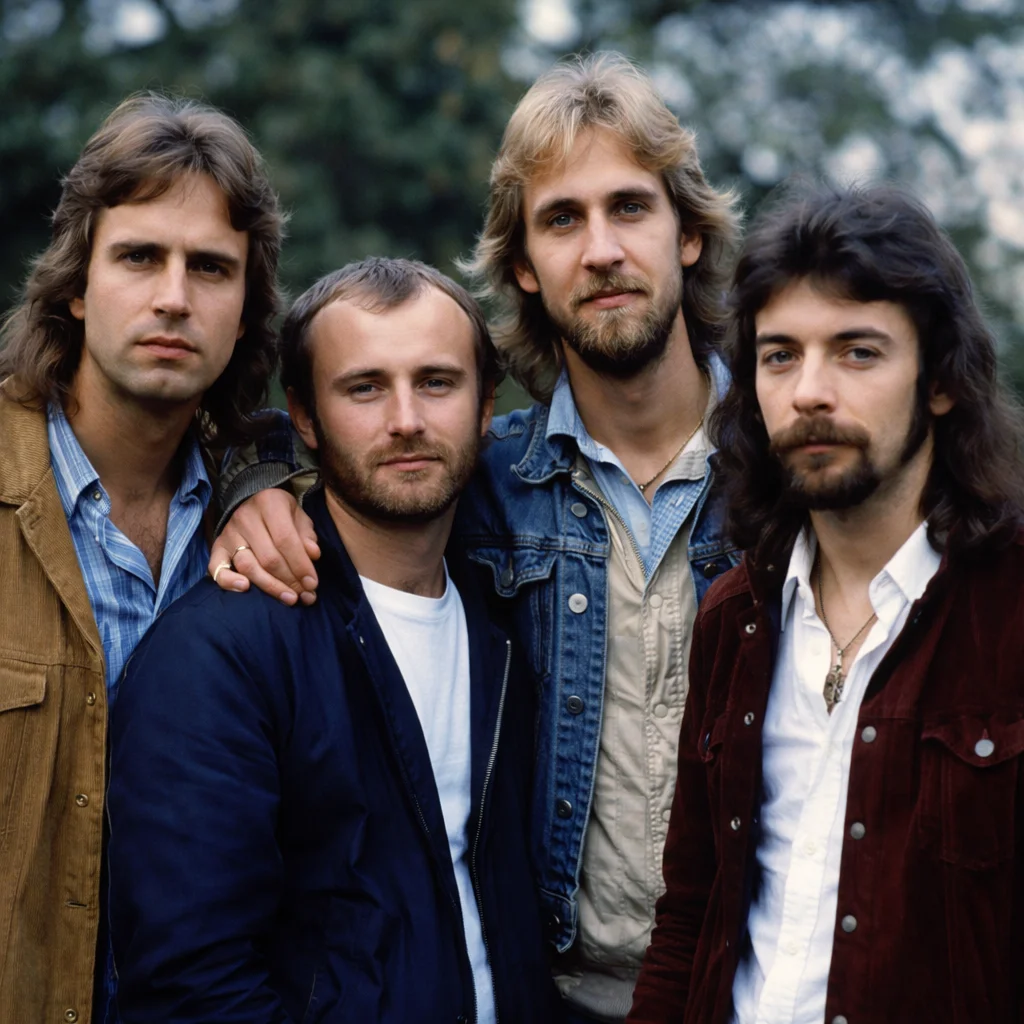
From their modest origins at an elite English boarding school to stadium-filling world tours, Genesis stands as one of the most remarkable transformations in rock history. Starting out as theatrical progressive rock pioneers, the group navigated dramatic lineup changes and reinvented themselves into global pop juggernauts. Along the way, they produced epic 23-minute compositions, unexpected visual antics, and chart-topping solo megastars. Here are 15 fascinating facts about the legendary band and their decades-long journey.
1. They Formed at an Elite English Boarding School
Genesis trace their roots to Charterhouse School, an exclusive private boarding school located in Surrey, England. Founding members Peter Gabriel, Tony Banks, Mike Rutherford, and Anthony Phillips met as teenagers while attending the institution during the late 1960s. To escape the school's strict discipline and dreary environment, they began writing music together during their spare time and lunch breaks. Their initial student bands, the Anon and the Garden Wall, eventually combined forces to record a demo tape. This schoolyard collaboration caught the attention of producer Jonathan King, setting the stage for their professional debut.
2. Their Debut Album Was Misfiled in the Religious Section
In 1969, the band released their debut album, which was produced and titled by Jonathan King as From Genesis to Revelation. King chose the Biblical title as a nod to the band's new name, but the marketing decision backfired spectacularly. Record shop clerks took the title literally and frequently filed the LP in the religious music sections of stores. Because rock fans could not find the record alongside pop releases, the album sold fewer than 700 copies initially. The crushing commercial failure nearly caused the young group to disband before their career truly began.
3. Steve Hackett Joined After Placing a Famously Arrogant Ad
After guitarist Anthony Phillips left the group due to severe stage fright, Genesis sought a replacement through the press. Guitarist Steve Hackett placed a bold classified advertisement in Melody Maker seeking open-minded musicians. His listing famously proclaimed that he was looking for players "determined to strive beyond existing stagnant music forms." Vocalist Peter Gabriel was intrigued by the pretentious phrasing and invited Hackett for an audition. Hackett joined the band in late 1970, completing the iconic classic lineup that defined their progressive rock era.
4. Peter Gabriel Hid a Secret Costume Change From His Bandmates
During a 1972 concert in Dublin, Peter Gabriel slipped offstage without warning during the final section of the song "The Musical Box." He unexpectedly returned wearing his wife's red dress and a papier-mâché fox head, shocking audience members and his bandmates alike. Gabriel had intentionally kept the theatrical stunt a secret from the rest of the band because he knew they would object. The shocking visual image made the front cover of Melody Maker magazine the following week. This single theatrical choice dramatically boosted the band's profile and established their reputation for extraordinary live shows.
5. "Supper's Ready" Is a 23-Minute Progressive Rock Masterpiece
Released on the 1972 album Foxtrot, "Supper's Ready" stands as one of the quintessential epics of the progressive rock movement. The sprawling composition spans nearly twenty-three minutes and is divided into seven distinct thematic sections. Its complex structure features dramatic time signature changes, intricate keyboard solos, and lyrics inspired by Biblical revelations and surreal folklore. Gabriel delivered the song live while wearing elaborate costumes, including a geometric crown for the "Magog" character. Despite its intimidating length, the track became a beloved concert centerpiece for devoted fans.
6. Phil Collins Took Over Vocals After Hundreds of Auditions Failed
When Peter Gabriel departed in 1975 to pursue a solo career, the band auditioned over 400 vocalists to find a replacement. Drummer Phil Collins had provided backing vocals for years and served as the vocal coach for the auditioning singers. After listening to candidate after candidate struggle with the complex material, the band encouraged Collins to sing the lead track "Squonk" himself. His voice proved remarkably similar to Gabriel's while possessing a unique soulful power of its own. The transition transformed Collins from a behind-the-scenes drummer into one of the biggest frontmen in rock history.
7. The Album Title "Abacab" Came From an Abstract Song Arrangement
When Genesis began working on their 1981 title track, they organized the song's musical sections into simple letters for reference. The verse was labeled "A," the chorus was labeled "B," and an instrumental bridge was labeled "C." As they rearranged the song structure throughout rehearsals, the sequence spelled out the letter pattern A-B-A-C-A-B. Although the final recorded version of the song was rearranged further, the group decided to keep the original structural sequence as the album's title. The minimalist artwork and title marked a sharp departure from their earlier progressive style toward streamlined pop-rock.
8. Their Sole American Chart-Topper Knocked Peter Gabriel From the Top Spot
Genesis enjoyed dozens of global hit singles, but only one song managed to reach number one on the US Billboard Hot 100 chart. Their catchy 1986 pop single "Invisible Touch" hit the top spot in July of that year. In a fascinating twist of fate, the song directly knocked former lead singer Peter Gabriel's famous hit "Sledgehammer" out of the top spot. Gabriel's single had reached number one the previous week, creating a surreal chart battle between the band and its former frontman. This friendly rivalry highlighted the extraordinary mainstream dominance of both acts during the mid-1980s.
9. The "I Can't Dance" Walk Was Created to Mock Male Fashion Models
The signature stiff, awkward march featured in the 1991 music video for "I Can't Dance" became an iconic pop culture moment. Phil Collins invented the bizarre walk on set as a joke to parody male models in television commercials. He wanted to mock the overly serious models who walked with cool composure but seemed completely incapable of natural movement. The band members found the goofy stroll so funny that they incorporated it into the official video and performed it live on stage during their world tours. The song went on to become one of their biggest global hits of the 1990s.
10. Phil Collins Flew Across the Atlantic on Concorde for Live Aid
During the historic Live Aid charity event on July 13, 1985, Phil Collins accomplished an extraordinary transatlantic double performance. He performed early in the afternoon at Wembley Stadium in London before boarding a supersonic Concorde flight to Philadelphia. During the flight, he crossed time zones fast enough to land in America and travel directly to JFK Stadium. He performed a solo set and filled in on drums for Eric Clapton and the surviving members of Led Zeppelin that same evening. This remarkable logistical feat demonstrated the incredible work ethic and star power that Collins possessed at his commercial peak.
11. Their Famous Live Drum Duets Lasted for Decades
Beginning in the late 1970s, Genesis concerts featured a legendary instrumental interlude known simply as the "Drum Duet." Because Phil Collins moved to the front of the stage as lead singer, the group hired master drummer Chester Thompson for live tours. During instrumental passages, Collins would rejoin Thompson behind a second drum kit for synchronized, high-energy rhythm battles. These dual-drum workouts became an anticipated staple of their arena shows for over thirty years. The intense rhythmic duets highlighted the band's technical virtuosic roots even during their pop era.
12. Members Enjoyed Massive Simultaneous Solo Chart Dominance
Genesis remains one of the few bands in music history where individual members achieved global superstar status while remaining active in the group. During the 1980s, Phil Collins became a solo mega-star with multi-platinum albums like No Jacket Required. Simultaneously, guitarist Mike Rutherford launched Mike + The Mechanics, scoring top-ten hits like "The Living Years." Meanwhile, former vocalist Peter Gabriel was dominating MTV with his groundbreaking So album. It was common to see three separate Genesis-related projects occupying top spots on global charts at the same time.
13. A Short-Lived Era Featured Scottish Singer Ray Wilson
When Phil Collins officially left Genesis in 1996, founding members Tony Banks and Mike Rutherford decided to continue recording. They recruited Scottish singer Ray Wilson, who was previously known as the frontman for the grunge band Stiltskin. Together, they recorded the 1997 album Calling All Stations, which featured a darker, more atmospheric rock sound. While the record achieved modest commercial success across Europe, poor ticket sales in North America led to the cancellation of an American tour. Wilson was subsequently let go, putting the band on hiatus for nearly a decade.
14. Only Two Members Appeared on Every Single Genesis Album
While singers, guitarists, and drummers came and went over the band's long history, two members remained constant. Keyboardist Tony Banks and bassist-guitarist Mike Rutherford are the only musicians who performed on every single Genesis studio album, from 1969 to 1997. The two school friends provided the creative spine and musical stability that allowed the band to survive dramatic lineup shifts and dramatic genre shifts. Their artistic partnership spanned more than five decades of recording and touring together.
15. Phil Collins' Son Drummed on Their Emotional Final Tour
Genesis reunited for their final concert tour, titled "The Last Domino?," which ran from 2021 through early 2022. Severe nerve damage and spinal issues left Phil Collins unable to play the drums or stand for extended periods during performances. Instead, Collins sat center stage on vocals while his 20-year-old son, Nic Collins, took over drumming duties for the tour. Nic's powerful drumming mirrored his father's legendary technique with incredible accuracy and energy. The tour allowed the band to bid a triumphant and emotional farewell to their multi-generational fan base.
Sources & References
This AI-assisted post was rigorously curated and fact-checked for accuracy by:
 Martin Roháček
How fun was this article? 🤔
Tap a star to rate it
🧠 Quiz: How closely were you paying attention?
10 questions — all answers are in the article above!
Enjoyed these facts? There's more! 💌
Fresh fun facts in your inbox. No spam, ever.