1. He Studied Law, Not Warfare
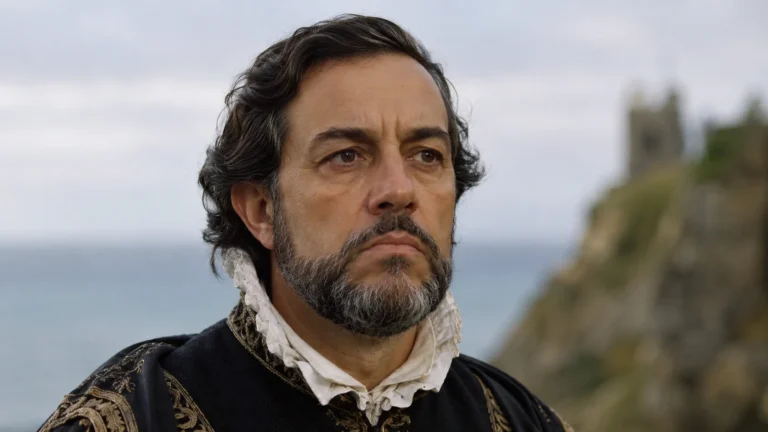
Cortés was not a formally trained military commander. At age 14, his parents sent him to the prestigious University of Salamanca in Spain to study law. However, he found academic life restless and dull. He eventually dropped out, lured by the tales of gold and glory coming from the newly discovered Americas.
2. His First Job Was a Notary
When Cortés finally arrived in Hispaniola (modern-day Dominican Republic and Haiti) in 1504 at the age of 18, he did not immediately become a soldier. Given his brief legal education, the colonial governor appointed him as a notary for the town of Azua. He spent years working as a civil administrator and farmer before ever commanding an expedition.
3. He Mutinied to Start the Conquest
The expedition that conquered Mexico was technically illegal. Diego Velázquez, the governor of Cuba, initially appointed Cortés to lead a trade and exploration expedition to the Mexican coast. However, growing suspicious of Cortés’s ambition, Velázquez canceled the charter at the last minute. Cortés ignored the orders and set sail anyway, effectively making him a mutineer.
4. He Scuttled His Ships—He Didn’t Burn Them
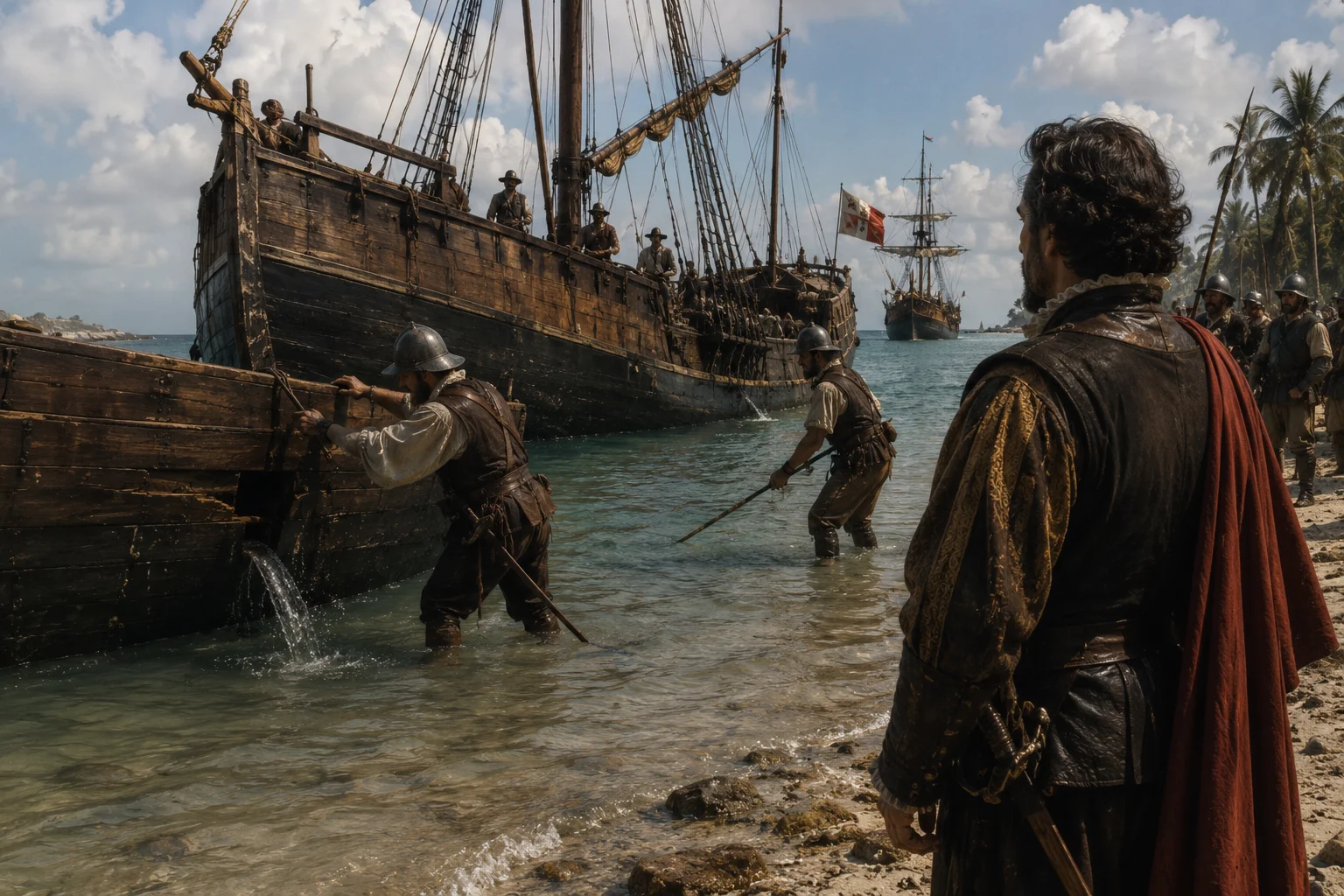
A popular myth claims that upon landing in Veracruz, Cortés dramatically burned his ships to motivate his men. Historical records show he actually scuttled them—intentionally sinking them by drilling holes in the hulls. The purpose was the same: to prevent his frightened and mutinous men from retreating to Cuba, forcing them to march inland.
5. He Relied on a Brilliant Indigenous Translator
Cortés’s success was largely due to an enslaved Indigenous woman named Malintzin, later known as La Malinche or Doña Marina. She spoke both Nahuatl (the Aztec language) and Mayan. She served as his primary translator, cultural advisor, and key strategist, allowing Cortés to negotiate complex alliances with local indigenous states.
6. He Forged Massive Indigenous Alliances
The narrative that 500 Spaniards defeated the entire Aztec Empire is a historical misconception. Cortés capitalized on the deep resentment that subjugated city-states felt toward Aztec rule. He forged crucial alliances, most notably with the Tlaxcalans, who provided tens of thousands of experienced warriors, porters, and vital local intelligence.
7. The “Mistaken for a God” Legend is Debated
Traditional history dictates that the Aztec Emperor, Moctezuma II, believed Cortés was the returning feathered-serpent god, Quetzalcoatl. Modern historians and archaeologists heavily debate this, arguing it was likely a post-conquest myth invented by the Spanish to justify their victory and portray the Aztecs as superstitious and easily conquered.
8. He Took the Emperor Hostage in His Own Palace
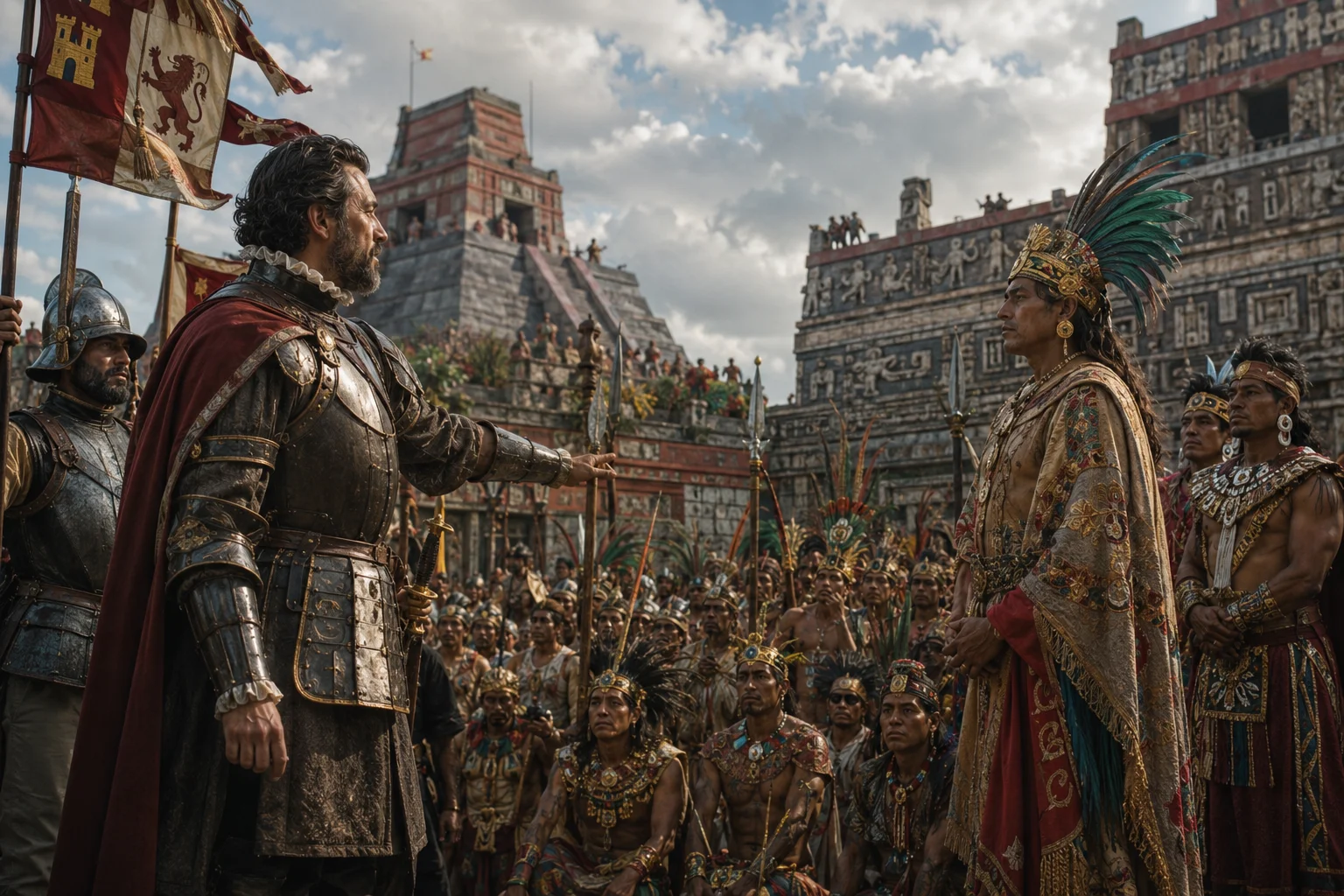
Cortés and his men were initially welcomed into the Aztec capital of Tenochtitlan—one of the largest and most advanced cities in the world. Within a week, however, Cortés executed a brazen political coup. He took Moctezuma hostage inside the imperial palace, forcing the emperor to swear allegiance to the King of Spain and attempting to rule the empire through him.
9. He Was Forced into a Disastrous Retreat
Cortés’s control of the city eventually collapsed, culminating in the “Noche Triste” (Night of Sorrows) in 1520. As the city rose in rebellion after the Spanish massacred unarmed Aztec nobles during a religious festival, Cortés and his men were forced to fight their way out of Tenochtitlan under the cover of darkness. Hundreds of Spaniards and thousands of Tlaxcalan allies were killed.
10. Smallpox Was His Deadliest Weapon
The Spanish brought unseen pathogens to the Americas, for which the indigenous populations had no immunity. During the months Cortés spent regrouping after the Noche Triste, a devastating smallpox epidemic swept through Tenochtitlan. It decimated the population, killing leaders, warriors, and civilians alike, severely weakening the city’s ability to defend itself.
11. He Built a Navy on a Mountain Lake
To retake Tenochtitlan, which was situated on an island in the middle of Lake Texcoco, Cortés executed a brilliant logistical feat. He had his men construct thirteen shallow-draft brigantines (small warships). They carried the pieces overland and assembled them on the lake, allowing the Spanish to cut off the city’s food and water supply during the final siege.
12. He Discovered Baja California
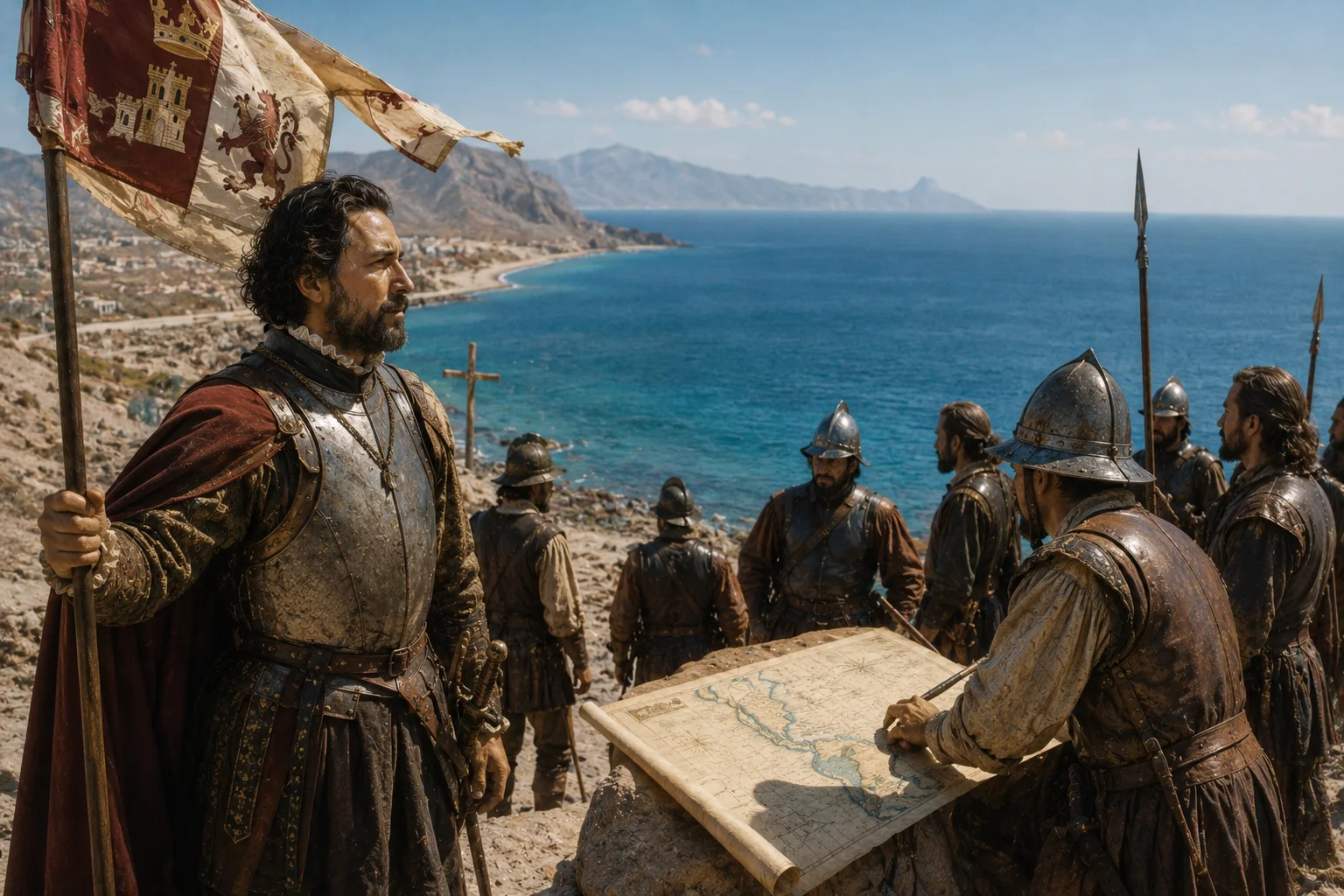
After the fall of the Aztec Empire, Cortés was named Governor of New Spain. He continued to sponsor and lead exploration expeditions. In the 1530s, he led an expedition up the Pacific coast of Mexico and reached the Baja California peninsula, claiming the territory for Spain. The Gulf of California is still sometimes referred to as the Sea of Cortés.
13. He Fathered One of the First “Mestizos”
Cortés and La Malinche had a son together named Martín. Martín is historically recognized as one of the first notable mestizos—people of mixed European and Indigenous American heritage. Cortés later brought Martín to Spain and successfully petitioned the Pope to have him legitimized.
14. He Died Frustrated and Ignored by the Crown
Despite delivering an unimaginably wealthy empire to Spain, Cortés spent his final years embroiled in legal battles. The Spanish Crown, fearful of his immense power and autonomy, gradually stripped him of his political authority in Mexico. He returned to Spain to plead his case to the King, but he was largely ignored, dying in 1547 wealthy but politically marginalized.
15. His Bones Were Hidden in a Wall
Cortés’s will requested that his remains be buried in Mexico. Over the centuries, his bones were moved several times to protect them from being destroyed during periods of intense anti-Spanish sentiment following Mexican independence. They were eventually hidden behind a wall plaque in the Church of Jesus of Nazareth in Mexico City, a hospital he founded, where they quietly remain today.