The Ancient Realm: 15 Fascinating Facts About Iran
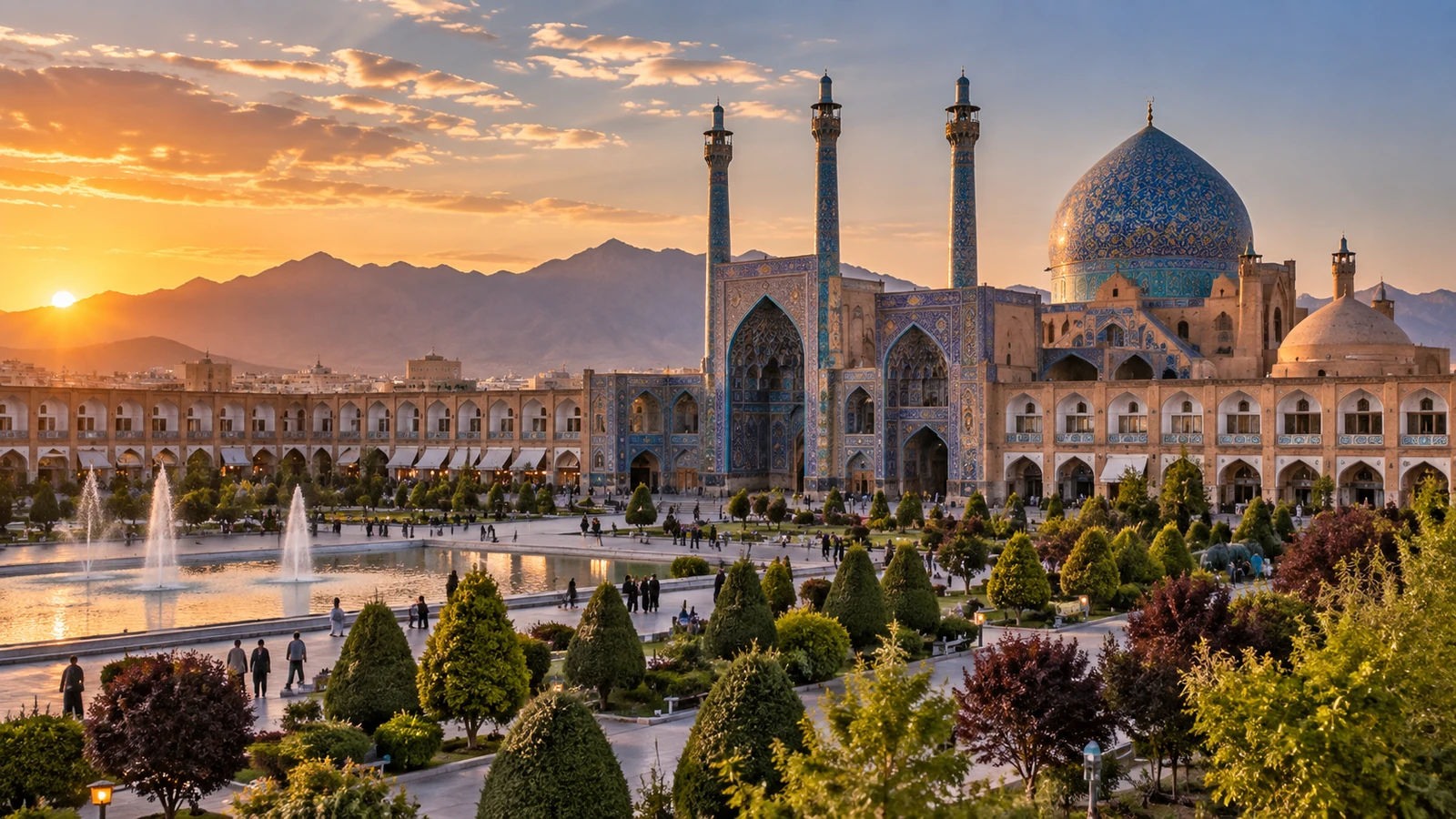
Iran is a nation where ancient heritage and unexpected modern customs intertw in fascinating ways. From subterranean water systems built thousands of years ago to high-altitude ski slopes sitting high above Tehran, the country holds countless surprises for the curious traveler. Beyond its iconic architecture, Iran boasts unique cultural traditions, rare wildlife, and record-breaking historical treasures. Here are 15 captivating facts that showcase the true depth and richness of Iran.
1. The Status Symbol of Surgical Bandages
Tehran is widely regarded as the rhinoplasty capital of the world, with more nose jobs performed per capita than almost anywhere else. Beyond simple cosmetic preference, wearing surgical bandages across the bridge of the nose has evolved into a recognized status symbol. Because cosmetic surgery requires significant disposable income, individuals openly wear their surgical tape for months after procedure completion to signal wealth and social prestige. Some locals who have not even undergone surgery purchase fake bandages to wear in public to project affluent modern sophistication.
2. The Complex Social Ritual of Taarof
Social interactions across Iran are governed by an intricate system of cultural etiquette known as taarof. This unwritten code of extreme deference requires individuals to refuse payments, decline invitations, or offer lavish favors that they do not literally expect to fulfill. For instance, a taxi driver or shopkeeper will repeatedly insist that a service is completely free out of politeness. Custom strictly dictates that the customer must insist on paying at least three times before the money is finally accepted.
3. The Unintended Meaning of the Thumbs-Up Gesture
Travelers visiting Iran should exercise caution with everyday body language, particularly the traditional thumbs-up sign. In traditional Iranian culture, extending a thumb upward is historically considered an extremely crude insult, carrying the same offensive weight as showing the middle finger in Western societies. While younger, internet-literate Iranians are increasingly aware of the gesture's positive global context, using it in public remains a serious social faux pas that can deeply offend older generations.
4. The Last Refuge of the Asiatic Cheetah
Iran is the absolute final wild sanctuary on Earth for the critically endangered Asiatic cheetah. Once roaming across North Africa, the Middle East, and the Indian subcontinent, this distinct subspecies has been wiped out everywhere else on the Asian continent. Conservationists estimate that fewer than 50 of these swift predators survive in the arid expanse of Iran's central desert plateau. Specialized rangers and national wildlife reserves work continuously to protect this fragile population from habitat destruction and poaching.
5. The Global Epicenter of Saffron Production
Iran controls over 90 percent of the worldwide production of saffron, widely prized as the most expensive spice by weight on the planet. Known locally as "red gold," saffron is harvested by hand from the delicate crimson stigmas of the Crocus sativus flower during an intense multi-week autumn harvest. It takes approximately 75,000 individual flowers to yield a single pound of dried saffron threads. This labor-intensive agricultural industry remains a critical economic engine across eastern provinces like Khorasan.
6. Ancient Desert Air Conditioning via Windcatchers
Long before the advent of electricity, ancient Persian architects engineered an ingenious passive cooling system known as badgirs, or windcatchers. These tall, decorative brick towers rise high above desert rooftops to capture even the faint high-altitude breezes and funnel them down into home interiors. The incoming air often passes over subterranean water basins or damp brickwork, cooling interior living spaces by up to 15 degrees Celsius during extreme summer heat. Many of these historic towers still function flawlessly across desert cities like Yazd.
7. The Ancient Persian Origins of Polo
The global sport of polo traces its roots back more than 2,500 years to ancient Persia, where it was initially created as a military exercise. Known locally as chogan, the fast-paced game was used by royal commanders to keep elite cavalry units and horsemen agile, courageous, and battle-ready during times of peace. Over centuries, the sport transformed from a rigorous martial exercise into a lavish game favored by kings and nobility before spreading across Asia and Europe.
8. Intentional Imperfections Woven into Persian Rugs
Master weavers of valuable Persian carpets often deliberately introduce minor flaws or subtle pattern errors into their intricate designs. Rooted in traditional spiritual beliefs, this artistic practice stems from the philosophy that absolute perfection belongs solely to the divine. Adding a small intentional mistake serves as a humbling reminder of human imperfection while simultaneously protecting the carpet weaver and its ultimate owner from bad luck and pride.
9. A Shifted Workweek and Weekend Schedule
Unlike Western nations or many neighboring countries, Iran operates on an official workweek schedule running from Saturday morning through Wednesday afternoon. The Iranian weekend officially takes place across Thursday and Friday, aligning with Friday congregational prayers in Islamic tradition. Foreign travelers and international business partners often find themselves navigating a narrow window for communication, as Iranian offices close just as Western companies open for their own workweeks.
10. Deep Reverence for Classic Poets Over Pop Stars
In Iranian society, classical poets are revered with a level of cultural devotion typically reserved for national heroes or major historical figures. The 14th-century mystic poet Hafez is especially beloved, and almost every household in the country owns a volume of his collected poetry alongside religious texts. Iranians regularly practice fal-e Hafez, a fortune-telling ritual where a page of his poetry is opened at random to seek life guidance, while millions visit his grand marble tomb in Shiraz every year.
11. High-Altitude Skiing Overlooking Tehran
While many associate Iran primarily with arid deserts and warm climate zones, the country features some of the highest ski resorts in the world. Situated in the majestic Alborz Mountain range just a short drive north of Tehran, resorts like Dizin reach elevations exceeding 3,500 meters (11,500 feet). Due to this impressive altitude, Dizin boasts a long snow season extending from November to May, offering dry powder skiing that rivals famous resorts in the European Alps.
12. The World's Most Valuable Imperial Jewels Treasury
The Central Bank of Iran in Tehran houses the Treasury of National Jewels, recognized as one of the most valuable gemstone collections in existence. Among its crown jewels is the legendary Darya-ye Noor ("Sea of Light"), a rare 182-carat pink diamond that ranks among the largest cut diamonds on Earth. The total monetary value of the collection is so staggering that it has historically served as physical collateral backing Iran's national currency.
13. Subterranean Hydrologic Engineering of Qanats
Thousands of years ago, Persian engineers developed an incredible hydraulic system known as qanats to transport water across long desert distances. These extensive networks of hand-dug underground channels carry water from mountain aquifers down to dry plains without losing moisture to evaporation. Thousands of these ancient water tunnels remain functional today, continually irrigating agricultural fields and supplying fresh drinking water to remote desert settlements across the country.
14. High Cosmetic Usage and Facial Focus
Iran represents one of the largest markets for cosmetic products in the Middle East despite mandatory dress code regulations. Because public dress codes require women to cover their hair with a headscarf, facial features become the primary focal point for personal aesthetic style. As a result, women in major urban centers invest heavily in dramatic makeup, facial treatments, and skincare, fostering a thriving domestic cosmetics industry in cities like Tehran.
15. The Art of Drinking Tea Through a Sugar Cube
Tea, or chai, is an indispensable part of daily hospitality and social life throughout Iran, consumed continuously throughout the day. Rather than stirring granulated sugar directly into their teacups, Iranians traditionally practice a ritual called ghand-in-dahan, holding a hard sugar cube between their front teeth. As hot, freshly brewed black tea is sipped through the cube, it dissolves slowly, sweetening each mouthful of tea to taste.
Sources & References
This AI-assisted post was rigorously curated and fact-checked for accuracy by:
 Martin Roháček
How fun was this article? 🤔
Tap a star to rate it
🧠 Quiz: How closely were you paying attention?
10 questions — all answers are in the article above!
Enjoyed these facts? There's more! 💌
Fresh fun facts in your inbox. No spam, ever.