The Leaning Tower of Pisa survives earthquakes thanks to the exact same soft soil that caused its famous tilt. Engineers discovered that the unique interaction between the incredibly stiff stone tower and the soft ground below acts as a massive shock absorber, preventing the structure from vibrating during heavy seismic activity.
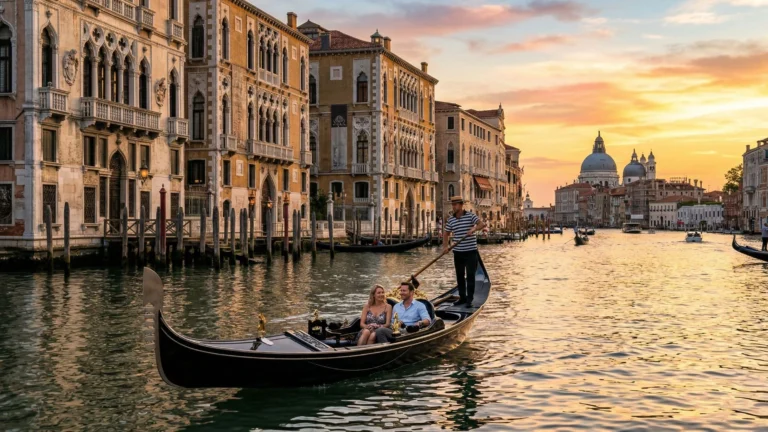
The entire floating city of Venice is held up by millions of petrified wooden logs. When early settlers built the city in a marshy lagoon, they drove countless wooden stakes deep into the oxygen-poor clay, which prevented the wood from rotting and allowed mineral-rich water to completely petrify the foundations over the centuries.
Ancient Roman concrete contains a genius, self-healing chemical formula. Modern scientists recently discovered that Roman builders used quicklime to create tiny calcium clasts trapped inside the concrete, meaning whenever a crack forms and water seeps in, a chemical reaction occurs that completely fills and seals the gap.
There is a completely free, round-the-clock wine fountain in the Abruzzo region. Located right along a famous historical pilgrimage route, a local vineyard installed a beautiful brass fountain that dispenses locally produced red wine twenty-four hours a day to quench the thirst of weary hikers and curious tourists.
A massive, secret network of underground catacombs winds beneath the bustling streets of Rome. Because ancient laws strictly forbade burying the dead within the city walls, early citizens carved hundreds of miles of intricate tunnels through the soft volcanic rock to safely lay millions of people to rest.
Italian police use heavily modified luxury sports cars to save lives. The national police force, known as the Carabinieri, famously utilizes a specially equipped Lamborghini Huracan with a refrigerated trunk to transport life-saving donor organs to hospitals across the country at incredibly high speeds.
The Trevi Fountain generates millions of euros for local charities every single year. Tourists enthusiastically toss thousands of coins over their shoulders into the water every day, and the city meticulously collects this massive fortune, which equals over a million euros annually, to completely fund a local charity supermarket.
Europe is home to only three active land volcanoes, and they are all located within Italy. The country sits right on a major tectonic fault line, meaning it hosts highly active volcanic giants, including Mount Etna in Sicily, Stromboli, and the infamous Mount Vesuvius looming over the ruins of Pompeii.
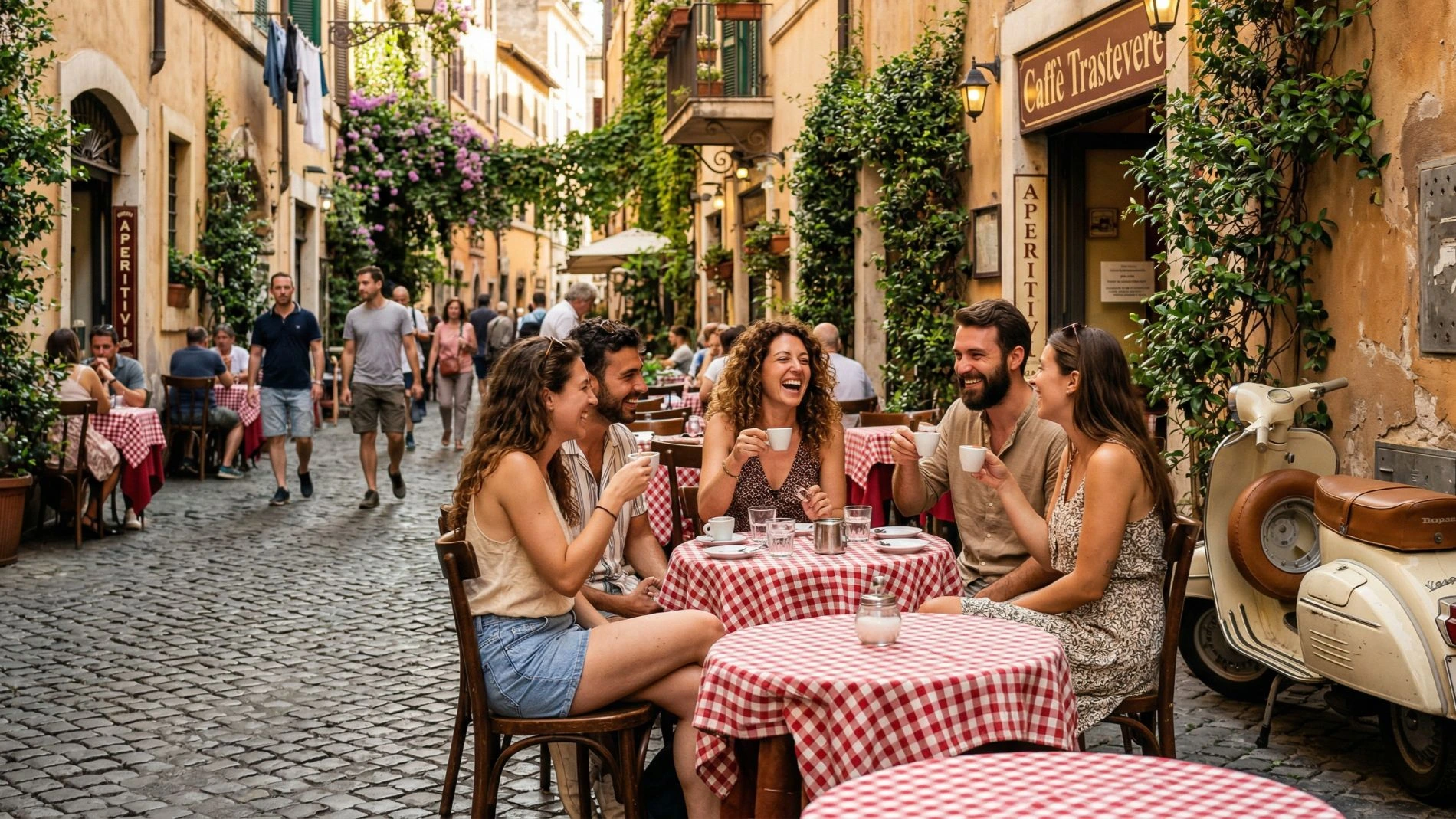
A tiny Italian village uses a giant mirror to simulate sunshine. The town of Viganella is located so deep in an Alpine valley that it receives absolutely no direct sunlight during the dark winter months, so the mayor installed a massive, computer-controlled mirror on a nearby peak to reflect the sun down into the main piazza.
The modern concept of medical quarantine was invented in Venice. During the terrifying outbreaks of the bubonic plague in the fourteenth century, Venetian authorities required all arriving ships to drop anchor and isolate in the lagoon for exactly forty days, a period known in Italian as quaranta giorni.
The country holds the global record for the most World Heritage sites on earth. Thanks to its incredibly deep historical roots and diverse artistic legacy, Italy boasts nearly sixty globally protected locations, ranging from the ancient ruins of the Colosseum to the spectacular, colorful coastal villages of the Cinque Terre.
The oldest university in continuous operation is located in northern Italy. The University of Bologna was officially founded all the way back in 1088, establishing an incredibly high standard for higher education and hosting brilliant historical minds like the famous astronomer Nicolaus Copernicus.
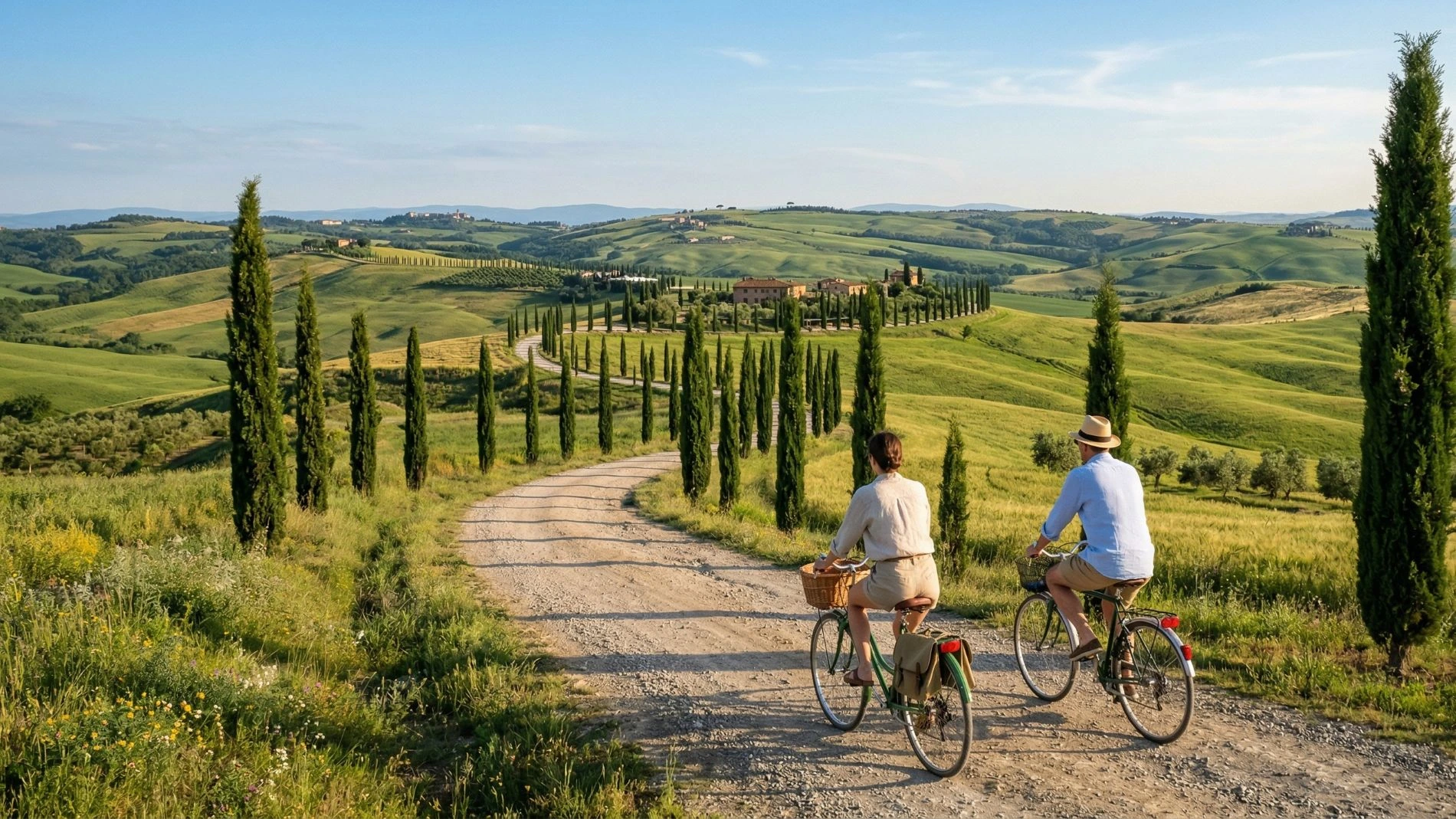
The mountainous island of Sardinia is a global hotspot for extreme longevity. Designated as an official Blue Zone, this incredible Mediterranean island features a population with a shockingly high number of centenarians, which scientists attribute to their deeply active lifestyles, strong family bonds, and healthy local diets.
Two completely independent countries are entirely surrounded by Italian borders. The massive nation completely engulfs the tiny microstates of San Marino, which claims to be the oldest surviving sovereign state in the world, and Vatican City, the independent headquarters of the Catholic Church.
The thermometer was invented by an ingenious Italian intellectual. While Galileo Galilei developed an early device that showed changes in temperature, it was a Venetian physician named Santorio Santorio who first applied a numerical scale to the instrument in the early seventeenth century, forever changing the world of medicine.
Sources and References:
Massachusetts Institute of Technology: https://news.mit.edu/2023/roman-concrete-durability-lime-casts-0106
University of Bristol: https://www.bristol.ac.uk/news/2018/may/tower-of-pisa.html
TIME Magazine: https://time.com/4533184/wine-fountain-italy/