The Syncopated Revolution: 15 Fascinating Facts About Jazz Music
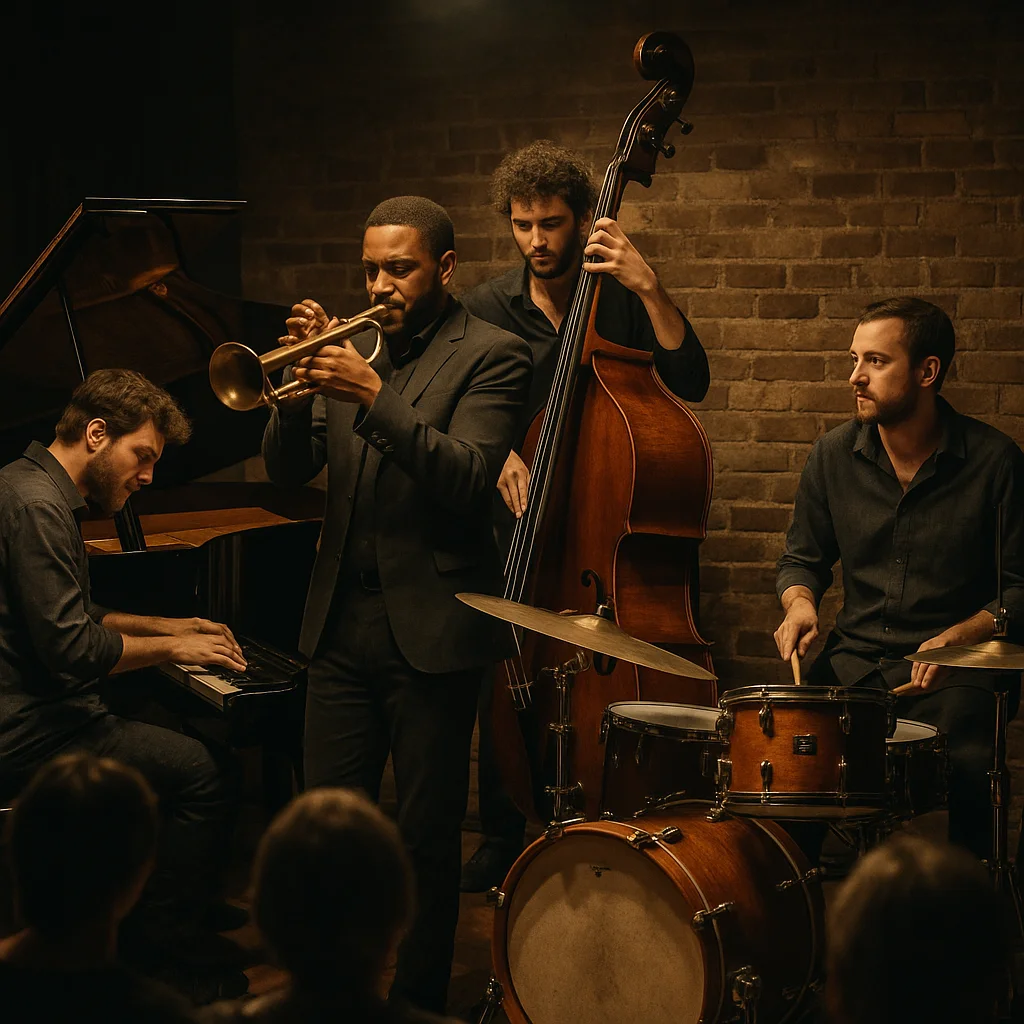
Born in the cultural melting pot of late 19th-century New Orleans, jazz fundamentally redefined American culture and global sound. From mobster kidnappings and accidental scat singing to high-culture breakthroughs at Carnegie Hall, the history of jazz is as wildly unpredictable as its iconic improvisations. Behind the celebrated records lie extraordinary tales of artistic resilience, social rebellion, and remarkable showmanship. Here are 15 fascinating facts about the syncopated genre that changed the music world forever.
1. The First Jazz Record Was Recorded by an All-White Group Spelled "Jass"
In 1917, the Original Dixieland Jass Band released "Livery Stable Blues," widely recognized as the first commercially issued jazz recording. At the time, the genre was frequently spelled "jass," a word with controversial slang origins likely rooted in energy, baseball jargon, or urban slang in New Orleans. Popular legend holds that mischievous pranksters scratched off the letter "j" from promotional posters, prompting musicians and labels to adopt the permanent spelling "jazz." The record became an instant bestseller, selling over one million copies and introducing syncopated music to a global audience. Despite originating in African American culture, racial segregation in the recording industry meant white musicians made the first official studio pressings.
2. Fats Waller Was Kidnapped at Gunpoint to Play Al Capone's Birthday Party
In 1926, legendary stride pianist Fats Waller was ambushed by armed men after finishing a performance at the Sherman Hotel in Chicago. Terrified, Waller was forced into a black limousine and driven to Cicero, Illinois, where he was marched into an exclusive club filled with mobsters. To his immense relief, he was not scheduled for execution; gangster Al Capone had ordered his henchmen to bring the city's finest pianist for his multi-day birthday bash. Waller ended up playing piano for three straight days, drinking expensive champagne and leaving with thousands of dollars stuffed into his pockets from appreciative mob tips.
3. Louis Armstrong Popularized Scat Singing After Dropping His Sheet Music
While vocal improvisation existed in earlier folk traditions, Louis Armstrong immortalized scat singing during a 1926 recording session for "Heebie Jeebies." According to jazz legend, Armstrong accidentally dropped his printed lyric sheet onto the studio floor while recording in front of the microphone. Rather than stopping the track—which was expensive and time-consuming on early wax cylinders—Armstrong began improvising vocal nonsense syllables like "effe-geffe-fe-fe" to match the horn rhythm. The resulting track became a massive hit, transforming scat vocalization into an essential element of jazz performance.
4. Benny Goodman Broke Racial and Cultural Barriers at Carnegie Hall in 1938
On January 16, 1938, clarinetist Benny Goodman brought his big band into New York’s prestigious Carnegie Hall, a sanctuary previously reserved strictly for European classical music. The historic concert was not only a monumental cultural validation for swing music, but also a historic landmark for racial integration on stage. Goodman insisted on featuring Black jazz giants like Teddy Wilson, Lionel Hampton, and guest soloist Cootie Williams alongside white musicians before a sold-out, integrated audience. The live recording of the concert became one of the best-selling jazz albums in history, establishing jazz as a respected American art form.
5. Duke Ellington Considered His Entire 16-Piece Orchestra to Be His Instrument
While most classical composers wrote music at a piano, Edward Kennedy "Duke" Ellington famously viewed his entire orchestra as his primary instrument. Instead of writing generic parts for instruments, Ellington composed tailored arrangements specifically designed around the unique tone, personal style, and eccentricities of individual band members. He kept his core ensemble together for decades, paying musicians out of his own pocket even during lean financial years when big bands became unprofitable. Ellington produced over 1,000 original compositions this way, creating an indelible orchestral sound that elevated jazz to the realm of high art.
6. Jazz Triggered a Moral Panic and Faced Heavy Censorship on Early Radio
During the Roaring Twenties, jazz music was fiercely condemned by moral guardians, religious institutions, and media critics who blamed syncopated rhythms for inciting social decay. Detractors labeled the genre a "demonic virus," claiming that its frantic tempos encouraged reckless behavior on dance floors. Radio executives routinely censored program listings, hiding the word "jazz" from song titles and broadcast schedules to placate conservative advertisers. Despite this establishment pushback, the moral outrage backfired, fueling youth rebellion and pushing jazz record sales past classical music pressings for the first time.
7. Ella Fitzgerald's Career Was Launched by Last-Minute Stage Fright
In November 1934, a shy 17-year-old Ella Fitzgerald entered the famous Amateur Night at Harlem's Apollo Theater, initially intending to perform a dance routine. After watching a formidable local dance duo perform right before her, a panic-stricken Fitzgerald realized she couldn't match their footwork and decided to sing instead. She chose Hoagy Carmichael's "Judy," captivating the notoriously demanding Harlem audience with her flawless pitch and effortless phrasing. She won first prize that evening, catching the attention of bandleader Chick Webb and launching one of the most celebrated vocal careers in musical history.
8. Miles Davis Was an Accomplished Visual Artist Who Painted Daily
Legendary trumpeter Miles Davis, who redefined jazz across multiple decades, channeled his creative energy into abstract visual art during the later years of his life. After stepping back from intensive touring in the late 1970s, Davis began sketching and painting frantically, filling hundreds of canvases with vivid geometric patterns and bold figures. Influenced by the African native art movement and European modernists, Davis approached painting with the same intense focus and improvisational flair he brought to his trumpet. His artwork was eventually exhibited in galleries worldwide and featured on album covers like Amandla.
9. Charles Mingus Stopped Concerts to Lecture Audiences on Respect
Virtuoso bassist and composer Charles Mingus was as famous for his fiery temper and social activism as he was for his brilliant arrangements. Mingus viewed jazz as serious high art and held zero tolerance for disrespectful audience behavior, frequently stopping mid-song to berate listeners who were talking or clinking glasses. On multiple occasions, he ejected disruptive patrons from clubs or delivered impassioned stage speeches addressing racial injustice and artistic dignity. Despite his unpredictable outbursts, audiences respected Mingus's uncompromising integrity and his devotion to exalting jazz musicians.
10. Early Stride Pianists Practiced with Newspapers Over the Keys
To develop complete spatial awareness across the keyboard, many early jazz and stride pianists trained using an unusual physical restriction: placing a sheet of newspaper over their hands and the keys. By obscuring their vision, players were forced to rely entirely on muscle memory, tactile feedback, and auditory intuition to execute rapid left-hand bass jumps. This rigorous practice technique allowed stride masters like James P. Johnson and Fats Waller to play intricate, lightning-fast basslines without ever looking down, enabling them to make eye contact and banter with party guests while playing.
11. Early Musicians Improvised Drum Kits Using Bathtubs and Washbasins
In the formative years of New Orleans jazz prior to the commercial drum kit, percussionists had to be extraordinarily inventive. Early drummers routinely rigged up improvised percussion instruments using metal washbasins, wooden crates, and iron bathtubs to produce deep bass tones and resonant rhythms. The modern drum set was actually developed largely to satisfy early jazz drummers who needed to trigger bass drums, snares, and cymbals simultaneously in tight dance halls. These crude early setups laid the groundwork for the multi-percussive setups that define modern rhythm sections.
12. Jazz Pioneered the Modern Recording Industry's Vinyl Boom
The sudden explosion of jazz popularity during the 1920s completely transformed the fledgling audio recording industry. Before jazz became a mainstream commercial force, record companies primarily produced classical compositions and spoken-word pressings aimed at wealthy households. However, the irresistible energy of jazz dance records created unprecedented consumer demand among younger listeners, causing 78 RPM jazz records to dramatically out-sell classical releases. This unexpected economic windfall saved several struggling record labels and funded major technological advancements in electrical recording methods.
13. Louis Armstrong Sent Fans Signed Photos Inside Empty Toothpaste Tubes
Louis Armstrong was beloved worldwide not only for his staggering trumpet virtuosity, but also for his warm, eccentric personality and boundless humor. He maintained a remarkably close relationship with his fans, personally answering thousands of fan letters sent to his home in Queens, New York. Armstrong had a famous habit of using unorthodox packaging, often rolling up signed promotional photos and mailing them inside cleaned-out, empty toothpaste tubes. This quirky gesture deeply endeared him to fans, who cherished these unusual, personal keepsakes from the international music icon.
14. New Orleans Seafood Traditions Inspired Iconic Jazz Song Titles
The distinct culinary and religious customs of early 20th-century New Orleans left a clear imprint on developing jazz compositions. Because Catholic traditions dictated abstaining from meat on Fridays, New Orleans fish markets and street peddlers hawked fried seafood to bustling crowds across the city. Vendors developed rhythmic, melodic calls to announce their catches, which local musicians quickly adapted into song hooks and humorous lyrical improvisations. References to Friday seafood specials and peddler calls became common tropes in early jazz numbers, reflecting the vibrant street life of the genre's hometown.
15. Mid-Song Instrument Swapping Was a Showcase of Pure Virtuosity
During the Swing Era and informal jam sessions, jazz musicians frequently demonstrated their extraordinary multi-instrumental talents by swapping instruments mid-performance without missing a beat. Multi-instrumentalists like Benny Carter seamlessly shifted between trumpet and alto saxophone during single solos, while Rahsaan Roland Kirk famously performed on three saxophones simultaneously. In competitive jam sessions, rhythm sections would occasionally rotate instruments mid-song to test each other's agility and entertain crowds. This playful showmanship proved that humor and virtuosic mastery were deeply connected in jazz culture.
Sources & References
This AI-assisted post was rigorously curated and fact-checked for accuracy by:
 Martin Roháček
How fun was this article? 🤔
Tap a star to rate it
🧠 Quiz: How closely were you paying attention?
10 questions — all answers are in the article above!
Enjoyed these facts? There's more! 💌
Fresh fun facts in your inbox. No spam, ever.