The Neon Mirage: 15 Fascinating Facts About Las Vegas
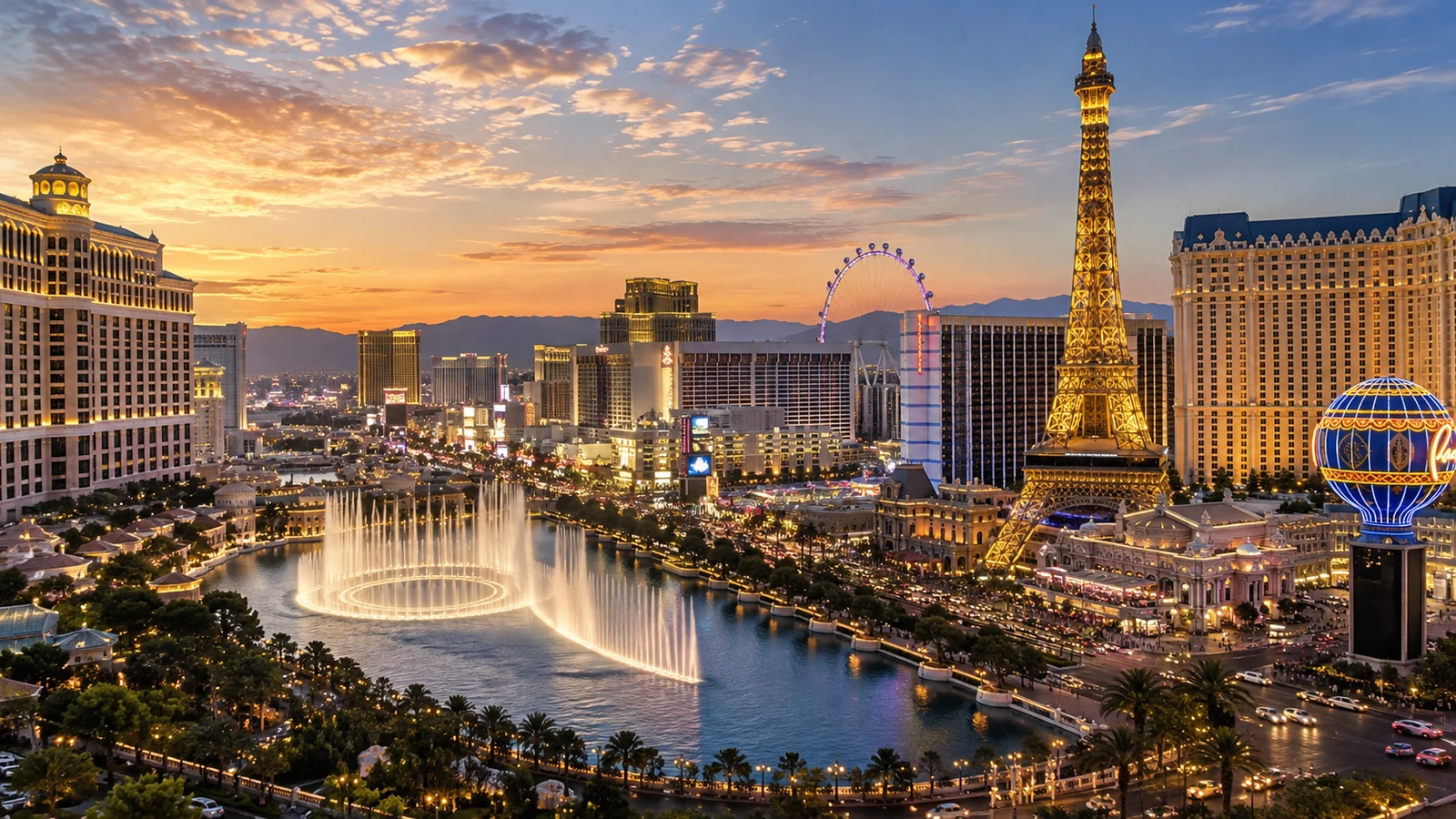
Las Vegas has a history as surprising as its skyline. Explore 15 facts about the Strip's unusual boundaries, atomic-era tourism, rescued neon signs and the engineering behind its desert landmarks.
1. Much of the Strip Lies Outside Las Vegas City Limits
The name Las Vegas covers more than the incorporated city. Much of the famous Strip lies in the unincorporated communities of Paradise and Winchester in Clark County. Police coverage is not split into a separate city force and an old county sheriff's department: the Las Vegas Metropolitan Police Department serves both the city and these unincorporated areas. The two predecessor agencies merged in 1973.
2. Tourists Once Gathered to Watch Atomic Tests
In the 1950s and early 1960s, nuclear tests in the Nevada desert became an unsettling tourist spectacle. Visitors watched distant flashes and mushroom clouds from Las Vegas rooftops, while atomic-themed publicity linked the tests with the city's entertainment culture. The famous 1957 Miss Atomic Bomb image was a promotional photograph of a showgirl, not evidence of an official beauty-pageant victory. The tests were run under the Atomic Energy Commission; the Department of Energy did not yet exist.
3. A Railroad Land Auction Helped Create Modern Las Vegas
Las Vegas celebrates May 15, 1905, as its birthday. A railroad company began auctioning townsite lots near what became downtown, connecting the settlement's future to the route between Southern California and Salt Lake City. Water made the valley a useful stopping point for trains. Municipal incorporation followed in 1911, so the city's celebrated birthday and its incorporation date are different milestones.
4. Betty Willis Wanted Her Welcome Sign to Be Widely Used
Betty Willis designed the Welcome to Fabulous Las Vegas sign, completed in 1959. She chose not to copyright the design because she wanted it to be used freely to promote her hometown. Its familiar outline subsequently spread across souvenirs and popular culture, helping the welcome sign become a symbol recognized far beyond Nevada.
5. Howard Hughes Turned a Hotel Stay Into a Casino Empire
Howard Hughes moved into the Desert Inn in late 1966 and bought the property in 1967 rather than move out. It became part of a buying spree involving several Las Vegas casinos. His holdings also included television station KLAS-TV, making his local business empire much broader than a single hotel stay.
6. The Oxygen-Pumped Casino Is a Myth
Casinos use lighting, sound, layout and sometimes scent to shape the atmosphere, but the familiar claim that they enrich the air with oxygen to keep gamblers awake is unsupported. Rio's casino vice president explicitly rejected that claim in an interview. Casino interiors also vary: the old windowless-maze stereotype does not describe every modern resort.
 You might also like
The Aloha State: 15 Fascinating Facts About Hawaii
7. Outreach Teams Visit People Living in Flood Channels
Some people experiencing homelessness shelter in the Las Vegas Valley's underground flood channels. Local nonprofit Shine A Light reports helping hundreds of people living there, conducting outreach and connecting them with support. These channels are drainage infrastructure, not safe residential spaces: storms can send dangerous runoff through them. The population changes, so estimates should not be presented as a fixed census.
8. The City Saves Retired Neon Signs in a Museum
Casino buildings and businesses can disappear while their signs live on. Founded in 1996, The Neon Museum preserves historic Las Vegas signage and explains the people and places behind it. Its outdoor Neon Boneyard turns retired advertisements into a record of the city's changing visual identity. Restored signs also appear as public art around Las Vegas.
9. The Luxor's Sphinx Is Taller Than the Giza Original
The Egyptian theme at Luxor includes a large sphinx outside its pyramid-shaped hotel. The Las Vegas replica is commonly reported as 110 feet tall, compared with roughly 66 feet for the Great Sphinx of Giza. Those approximate heights make the modern replica about 44 feet taller. It is a modern architectural homage, rather than an ancient monument transported to Nevada.
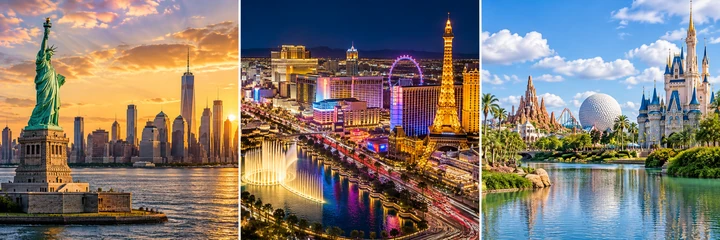 American Cities and Landmarks
From sinking mega-cities and secret subterranean vaults to monumental feats of engineering that tamed the desert, discover the hidden histories and bizarre quirks behind America's most iconic landmarks and urban centers.
See All Facts
10. Wynn's Floor Labels Skip the Forties
Floor numbers do not always equal the number of physical storeys in a hotel. Before Wynn Las Vegas opened in 2005, Steve Wynn explained that its labels would jump from 39 to 50 because numbers in the forties could trouble some Chinese guests. This is a numbering convention, not ten missing floors, and it does not establish that every Las Vegas hotel omits every number containing a four.
11. Slot-Machine Sounds Can Celebrate a Net Loss
On some multiline slot machines, a spin can return less money than the total stake yet still trigger celebratory sounds. Researchers call these outcomes losses disguised as wins. A University of Waterloo study found that sound effects encouraged players to overestimate their wins, showing how feedback can change the way a gambling session is remembered.
12. A Hangover Business Launched With a Mobile Clinic
Las Vegas's unusual service economy produced Hangover Heaven, launched by anesthesiologist Jason Burke in 2012. Its early operation included a fitted-out bus, a clinic and hotel visits offering intravenous treatments marketed for hangover symptoms. The mobile clinic became a distinctive example of a business built around the city's nightlife; its advertised treatment claims should not be mistaken for guaranteed medical results.
🤔 Quick guess
What produces the Luxor Sky Beam in the system described by its technicians?
13. Desert Ground Can Turn Heavy Rain Into Flash Floods
Dry weather does not make Las Vegas immune to flooding. The National Weather Service explains that calcium-carbonate-rich ground can form caliche, a layer that absorbs water poorly. Intense rainfall then becomes rapid runoff, while pavement and buildings further limit infiltration. Normally dry washes can fill quickly, which is why flood channels and detention basins are important features of the valley.
14. Dig This Lets Visitors Operate Real Heavy Equipment
At Dig This, visitors can take the controls of full-size excavators and bulldozers in supervised activities. The idea began with founder Ed Mumm's construction work in Colorado; the original attraction opened there in 2007. Dig This Las Vegas followed in 2011. That history matters: the business did not invent its concept only after arriving in Nevada.
15. The Luxor Sky Beam Combines Many Powerful Lamps
The column of light above Luxor is produced by a system of individual lamps, not one enormous bulb. A firsthand report with the resort's technicians described 39 xenon lamps rated at 7,000 watts each. MGM quotes approximately 42.3 billion candelas for the fully powered beam. These are system specifications, not a guaranteed nightly output or evidence that astronauts routinely identify a distinct beam from the International Space Station.
How did these facts land?
Know someone who'd love these facts? Share them 👇
🧠 Quiz: How closely were you paying attention?
Think you remember the facts? 10 questions, tap an answer.