The Uncompromising Rock Icons: 15 Fascinating Facts About Pearl Jam
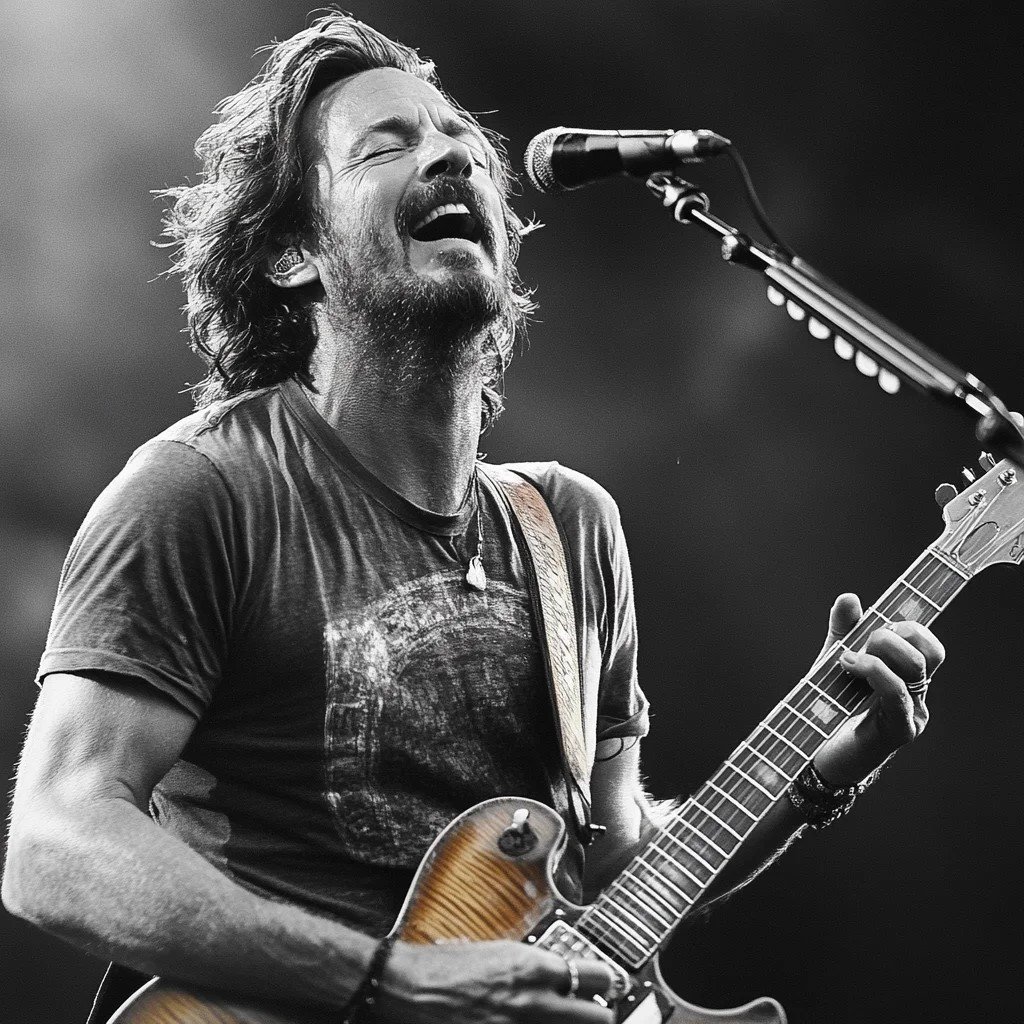
Emerging from the tragic loss of Mother Love Bone in 1990, Pearl Jam rose to become one of the most powerful and enduring forces in rock history. By blending grunge aggression with heartfelt lyricism, the band captured global fame with their debut album Ten before actively resisting commercial pressures. From fighting ticket monopolies to releasing official live bootlegs for their fans, they defined their career on their own terms. Discover 15 fascinating facts about Eddie Vedder and company, their iconic music, and their relentless battle for artistic integrity.
1. Rising from the Tragic End of Mother Love Bone
Following the tragic fatal drug overdose of Mother Love Bone frontman Andrew Wood in March 1990, rhythm guitarist Stone Gossard and bassist Jeff Ament found themselves without a band. Seeking a fresh creative start, they teamed up with lead guitarist Mike McCready and began recording instrumental rehearsal demos. These recordings eventually found their way to San Diego surfer Eddie Vedder, laying the groundwork for what would become Pearl Jam. The emotional weight of Wood's passing also inspired the creation of the side project Temple of the Dog shortly before Pearl Jam recorded their debut album.
2. They Were Originally Named After NBA Player Mookie Blaylock
Before taking the stage as Pearl Jam, the band initially named themselves after professional basketball player Mookie Blaylock, who was a star guard for the New Jersey Nets. They even went on tour under the athlete's name and featured his portrait on their early merchandise and cassette tapes. When legal trademark issues forced them to choose a official band name, they paid tribute to Blaylock's jersey number, 10, by titling their debut album Ten. To this day, fans still revere the group's earliest era as the Mookie Blaylock days.
3. The Hallucinogenic Jam Story Was Entirely Fabricated
For years, Eddie Vedder jokingly told journalists that the name "Pearl Jam" came from his great-grandmother Pearl, who was married to a Native American and made hallucinogenic preserve jams. However, the band later admitted that this colorful story was entirely fabricated for press interviews to mess with eager reporters. The name actually emerged from a simple combination of the word "Pearl" with the concept of musical "jamming," partly inspired by seeing Neil Young perform live. The band members loved the organic, spontaneous feel of the two words joined together.
4. Eddie Vedder’s Audition Came via a Surfing Demo Tape
Eddie Vedder's path to joining Pearl Jam is one of rock history's most famous audition stories. Former Red Hot Chili Peppers drummer Jack Irons gave Vedder a cassette featuring three instrumental tracks written by Gossard and Ament, known internally as the "Momma-Son" demo. Vedder, working as a night attendant at a San Diego gas station, took the tape surfing, wrote lyrics on the beach, and recorded his vocals over the instrumental tracks. He mailed the tape back to Seattle, and the band was so impressed by his raw delivery that they immediately flew him north to join.
5. The Tragic Real-Life Story Behind "Jeremy"
The haunting hit single "Jeremy" was directly inspired by a tragic news report that deeply affected Eddie Vedder. In January 1991, a 16-year-old high school student named Jeremy Wade Delle shot himself in front of his English class in Richardson, Texas. Vedder combined this harrowing report with memories of a troubled student he had known in junior high to craft a powerful anthem addressing youth isolation and trauma. The song went on to win Video of the Year at the MTV Video Music Awards and earned two Grammy nominations.
6. Record-Breaking Launch of Vs. Without Music Videos
Released in October 1993, Pearl Jam's sophomore album Vs. shattered industry sales records by selling over 950,000 copies in its first week alone. What made this achievement even more remarkable was that the band actively chose not to release any promotional music videos for the album's singles. They also scaled back traditional media interviews, proving that raw musical quality and fan loyalty could drive massive commercial success without corporate marketing gimmicks. Vs. held the record for the highest first-week album sales for five years.
7. The Courageous Battle Against Ticketmaster's Monopoly
In 1994, Pearl Jam launched a landmark boycott against concert giant Ticketmaster after discovering the company was adding steep service fees to tickets for their upcoming tour. The band took a principled stand by testifying before the United States Department of Justice, alleging anti-competitive practices within the live music industry. To bypass Ticketmaster, they attempted to build their own tour infrastructure playing non-traditional outdoor venues and self-ticketed sites. Although logistical challenges ultimately forced a temporary pause on touring, their activism sparked national conversations about ticket seller monopolies.
8. Their Drummer Revolving Door Ended with Matt Cameron
Finding a permanent drummer was a multi-year challenge for Pearl Jam, who went through four different drummers before finding long-term stability. Early member Dave Krusen recorded Ten before leaving, followed by brief stints with Matt Chamberlain, Dave Abbruzzese, and Jack Irons. In 1998, Matt Cameron, formerly of fellow Seattle legends Soundgarden, joined Pearl Jam for their Yield tour. Cameron fit into the group so seamlessly that he has remained their definitive rhythm keeper for over twenty-five years.
9. Revolutionizing the Music Industry with Official Live Bootlegs
To combat bootleggers who were selling low-quality concert recordings at inflated prices, Pearl Jam revolutionized how live albums were distributed in 2000. They began professionally recording and releasing virtually every single concert on their tours as official live bootleg CDs. This unprecedented move resulted in Pearl Jam simultaneously charting seven albums on the Billboard 200 in a single week, setting a record for the most entries at one time. The program remains a cherished tradition among physical collectors and digital listeners alike.
10. Ten Took Almost a Year to Reach the Top of the Charts
Although Ten eventually achieved diamond certification in the United States, it was far from an instant commercial hit upon its August 1991 release. The album took almost a full year of persistent touring and word-of-mouth exposure to finally break into the top ten of the Billboard 200 chart in late 1992. Driven by massive radio airplay for singles like "Alive," "Even Flow," and "Jeremy," the record eventually peaked at number two. Today, it remains one of the best-selling and most influential rock albums in music history.
11. A Relentless Refusal to Play the MTV Video Game
Following the massive success and heavy rotoscope violence debate generated by the music video for "Jeremy," Pearl Jam decided to stop making music videos entirely for several years. Band members felt the visual format eclipsed the narrative depth of their lyrics and dictated how listeners should interpret their music. They maintained this strict video hiatus throughout the mid-to-late 1990s, focusing their artistic energy solely on live performance and audio recordings. They did not produce another traditional concept video until "Do the Evolution" in 1998.
12. Environmental Stewardship and the Vitalogy Foundation
Throughout their career, Pearl Jam has turned rock stardom into a platform for environmental preservation and humanitarian causes. Through their Vitalogy Foundation, the band donates a portion of every concert ticket sold to various non-profit organizations supporting social justice, community health, and environmental conservation. Additionally, they were early pioneers in calculating and offsetting the carbon emissions generated by their massive global concert tours. They routinely invest in tree planting, clean energy initiatives, and ocean preservation projects.
13. Never Playing the Same Setlist Twice in Live Shows
Unlike many stadium rock acts that perform rigid, pre-planned show routines every night, Pearl Jam is famous for crafting completely custom setlists for every single concert. Eddie Vedder spends hours before each gig selecting songs from their vast catalog, ensuring that no two consecutive shows feature the same sequence. This unpredictable approach, combined with unexpected covers and deep catalog cuts, has fostered a subculture of devoted fans who travel across continents to attend multiple tour stops. Their performances routinely stretch past three hours in length.
14. Induction into the Rock and Roll Hall of Fame in 2017
Pearl Jam was officially inducted into the Rock and Roll Hall of Fame in 2017, their very first year of eligibility. Television icon David Letterman delivered their induction speech, praising the group's unyielding artistic integrity and fierce independence from corporate pressure. During the ceremony, the band took the high road by inviting all of their past drummers to attend the celebration, reflecting their deep respect for their shared history. They closed the evening with a legendary jam session alongside fellow inductees.
15. Championing Vinyl Releases During the CD Era
Long before the contemporary vinyl resurgence, Pearl Jam fought to keep analog music formats alive for physical music collectors. In late 1994, their third studio album Vitalogy was released on vinyl two full weeks before its CD and cassette formats, sending eager fans rushing to independent record stores. The album became the first vinyl release to enter the Billboard 200 chart based on vinyl sales alone since CDs had become the dominant audio format. Their commitment helped preserve independent record shop culture during the peak of digital compact discs.
Sources & References
This AI-assisted post was rigorously curated and fact-checked for accuracy by:
 Martin Roháček
How fun was this article? 🤔
Tap a star to rate it
🧠 Quiz: How closely were you paying attention?
10 questions — all answers are in the article above!
Enjoyed these facts? There's more! 💌
Fresh fun facts in your inbox. No spam, ever.