1. The Mysterious Origins of the Band’s Name
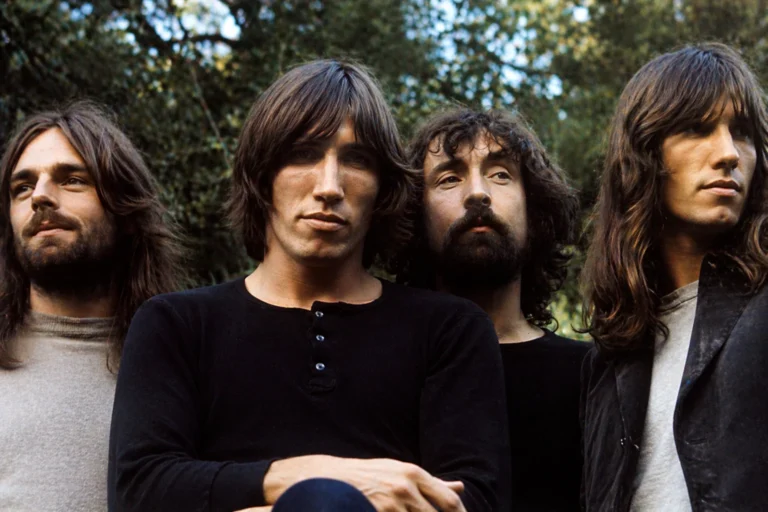
Before becoming stadium rock giants, visionary frontman Syd Barrett named the band by combining the first names of two obscure Carolina Piedmont blues musicians, Pink Anderson and Floyd Council. He discovered their names in the liner notes of a Blind Boy Fuller record in his extensive collection. Originally christened “The Pink Floyd Sound,” the impromptu homage to acoustic bluesmen ironically became the banner for one of the most technologically advanced bands in music history.
2. The Tragic Rise and Fall of Syd Barrett
Syd Barrett was the creative engine behind Pink Floyd’s surreal debut, but his extraordinarily rapid artistic ascent was tragically cut short by heavy, sustained consumption of LSD. As his behavior became increasingly erratic—including catatonic stares and detuning his guitar on stage—the band made the agonizing decision to replace him with his childhood friend, David Gilmour. The haunting specter of Barrett’s tragic genius would heavily influence the band’s thematic direction for decades.

3. The Conceptual Mastery of ‘The Dark Side of the Moon’
To realize their ambitious conceptual vision for The Dark Side of the Moon, Roger Waters and Nick Mason painstakingly created physical tape loops of cash registers, coins, and tearing paper for the track “Money.” Waters also interviewed studio staff and random passersby using flashcards with provocative questions about violence, madness, and mortality. These candid voice samples were seamlessly woven into the instrumental soundscapes, anchoring the album’s philosophical themes in raw human emotion.
4. The Monumental ‘Animals’ Tour and the Runaway Pig
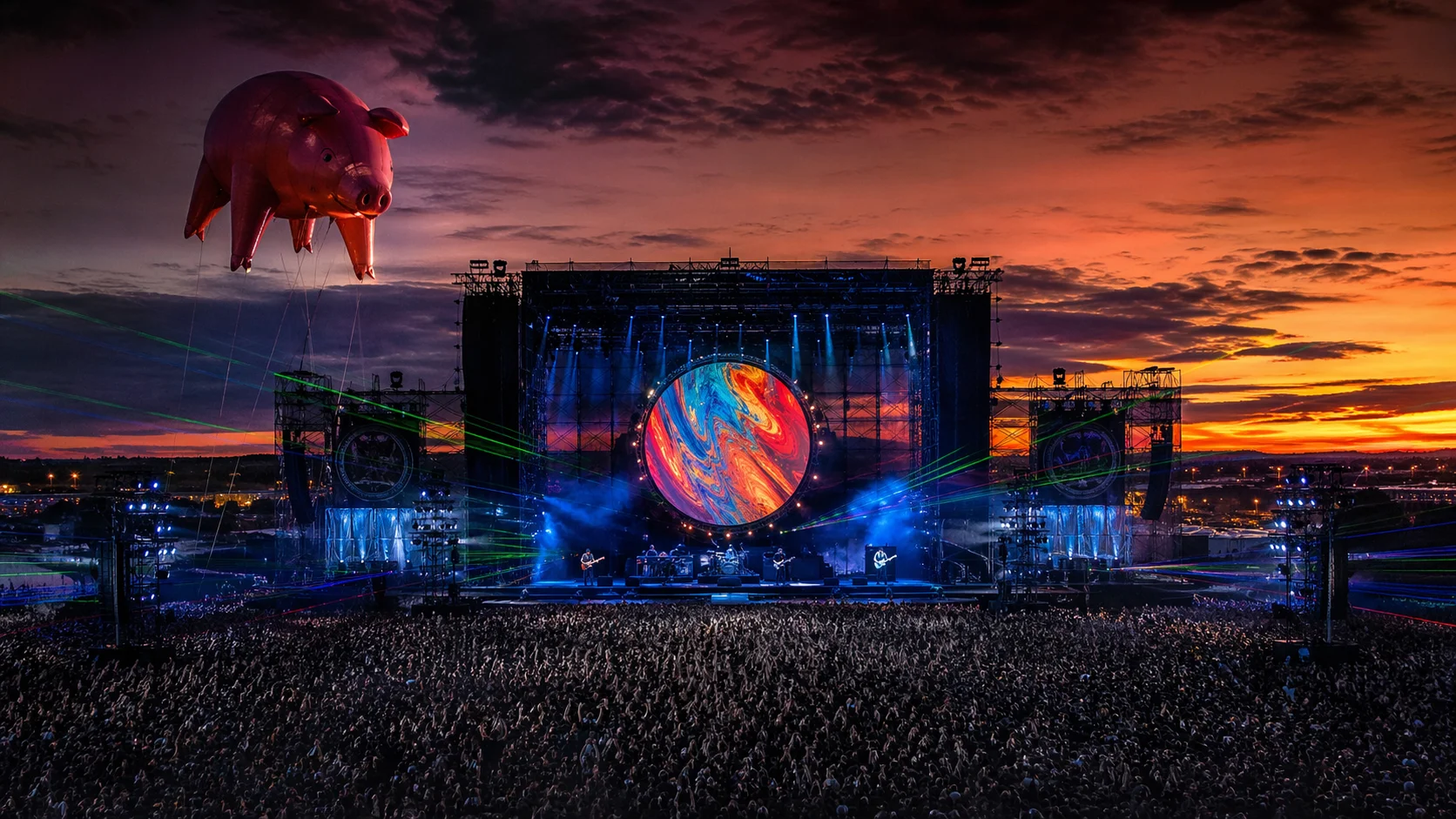
For the iconic cover art of their 1977 album Animals, the band commissioned a forty-foot inflatable pig to be tethered to London’s Battersea Power Station. During the photo shoot, a gust of wind snapped the mooring lines, sending the massive swine floating uncontrollably into the busy flight path of Heathrow Airport. The runway pig caused massive panic before crash-landing in a farmer’s field, instantly becoming the permanent, surreal visual mascot for the band.
5. The Colossal Live Architecture of ‘The Wall’ Tour
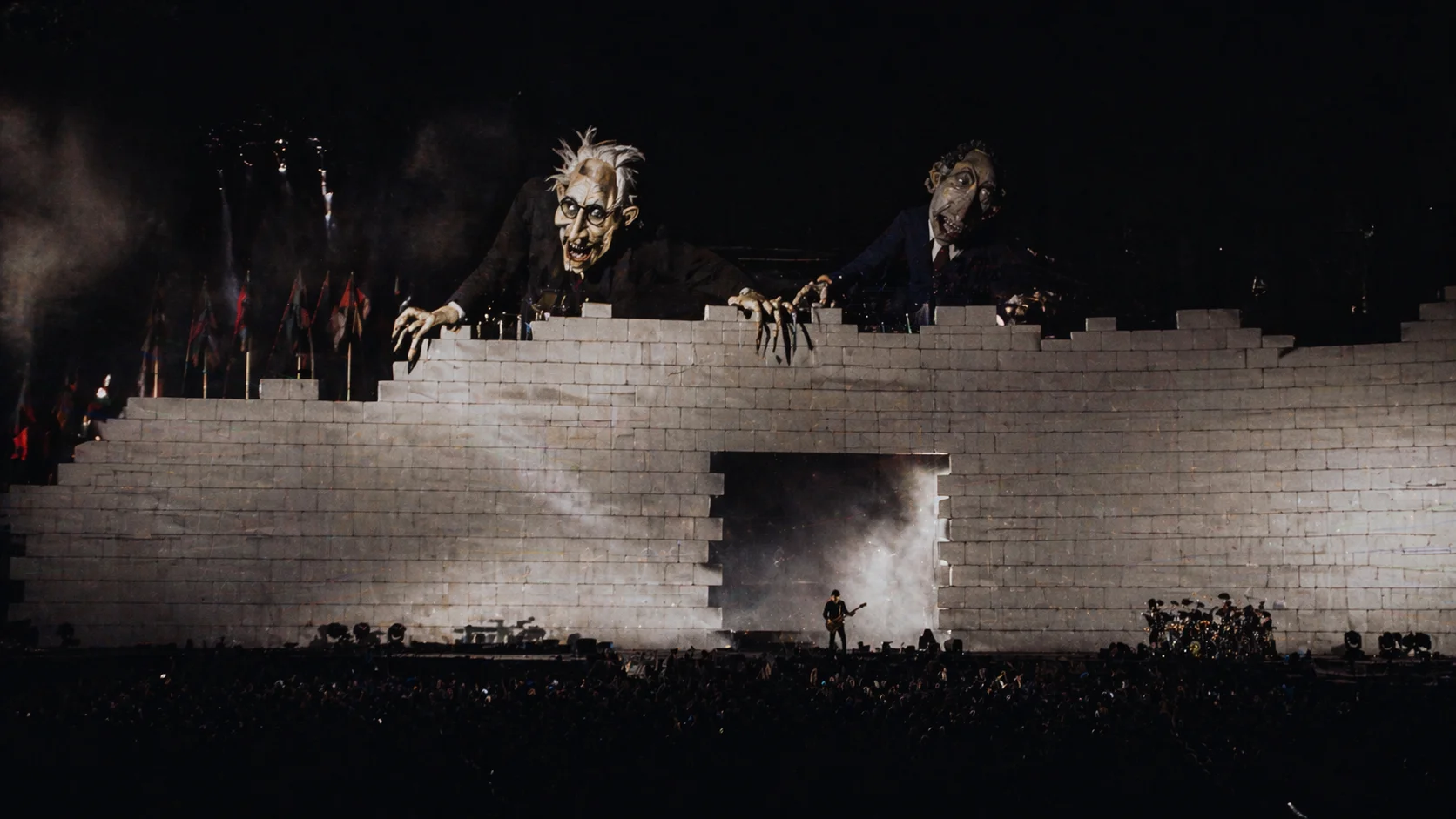
Driven by Roger Waters’ feelings of alienation from massive crowds, the live performances for The Wall featured stagehands meticulously building a forty-foot-high physical barricade of cardboard bricks across the stage. The band played the second half of the show almost completely hidden behind this imposing structure, accompanied by nightmarish, larger-than-life inflatables. The theatrical spectacle concluded with a climactic finale where the entire massive wall was spectacularly brought crashing down.
6. The Bitter Feud That Shattered the Band
Behind their astronomical commercial success, a deeply fractured relationship between Roger Waters and David Gilmour slowly eroded the band’s foundational unity. Waters increasingly exerted autocratic control over their conceptual direction, culminating in The Final Cut, an album Gilmour felt aggressively marginalized his musical contributions. The toxic atmosphere finally erupted into irreconcilable legal warfare in 1985 when Waters departed, leading Gilmour and Nick Mason to fight in court to retain the legendary Pink Floyd moniker.
7. The Unprecedented Billboard Domination
The commercial endurance of The Dark Side of the Moon defies all conventional metrics of the modern music industry. Following its 1973 release, it remained cemented on the US Billboard 200 chart for a staggering 741 consecutive weeks. With subsequent re-entries, remastered editions, and digital streaming surges over the decades, its total presence has far surpassed an unbelievable 900 non-consecutive weeks, turning a progressive rock album into a perpetual cultural phenomenon.
8. The Overlooked Cinematic Genius
Long before staging massive stadium rock pieces, Pink Floyd operated highly effectively as an avant-garde cinematic scoring unit for European art-house filmmakers. They produced highly eclectic, experimental soundtracks for films like More and La Vallée (released as the album Obscured by Clouds). These rapid, low-pressure cinematic projects served as critical incubators, allowing the band to develop the lush, textured atmospheric soundscapes that defined their progressive rock masterpieces.
9. Live at Pompeii: Playing to Nobody
In 1971, amidst the booming cultural trend of massive music festivals, Pink Floyd opted for a surreal approach by performing a filmed concert to an entirely empty amphitheater in the ancient ruins of Pompeii. Accompanied only by their dedicated road crew and the silent ghosts of Roman history, the cinematic performance stripped away the conventional dynamic between rock stars and adoring fans. It captured the band at the absolute zenith of their transitional period.
10. The Ghostly Apparition of Syd Barrett
On June 5, 1975, exactly as the band was mixing “Shine On You Crazy Diamond”—a nine-part epic written as a tribute to Syd Barrett—a heavily overweight, bald man wandered into the control room. It took the band almost an hour to realize the detached figure was actually Barrett himself. The devastating surrealism of the moment brought several band members to tears, and none of them would ever cross paths with their visionary founder again.
11. Featuring Stephen Hawking’s Synthesized Voice
Pink Floyd’s 1994 studio album The Division Bell features an incredibly unexpected guest vocal from legendary theoretical physicist Stephen Hawking. David Gilmour was profoundly moved by Hawking’s synthesized voice in a television commercial championing the fundamental human necessity for open communication. Gilmour expertly integrated the computerized cadence into the atmospheric track “Keep Talking,” transforming the physicist’s profound words into an interstellar rock anthem.
12. Recording Masterpieces Aboard a Houseboat
When David Gilmour assumed creative leadership in the mid-1980s, he shifted the group’s recording environment to the Astoria, a magnificent 1911 houseboat moored on the River Thames. He meticulously converted the grand, mahogany-paneled vessel into a state-of-the-art recording facility. This gentle, rocking environment, surrounded by weeping willows and flowing water, profoundly influenced the lush, expansive soundscapes of both A Momentary Lapse of Reason and The Division Bell.
13. The Invention of the Azimuth Co-ordinator
Long before surround sound became a standard technology, Pink Floyd actively invented hardware to physically hurl their music around live concert halls. In 1967, an engineer custom-built the Azimuth Co-ordinator, a revolutionary quadraphonic panning controller operated by an industrial joystick. This allowed keyboardist Richard Wright to literally throw sound effects and synthesizer sweeps in dramatic 360-degree circles around mesmerized audiences, pioneering the immersive concert experience.
14. Hauling 700 Hospital Beds onto a Beach
Despite the rise of computer-generated imagery, Pink Floyd maintained a stubborn dedication to capturing their surreal album artwork in-camera using massive physical installations. For the cover of A Momentary Lapse of Reason, they literally hauled 700 heavy, wrought-iron hospital beds onto the damp sands of a Devon beach. After a sudden rainstorm ruined their first attempt, they returned two weeks later to repeat the grueling geometric setup just to capture the perfect photograph.
15. The ‘2001: A Space Odyssey’ Synchronicity
In a fascinating parallel to the “Dark Side of the Rainbow” phenomenon, an astonishing synchronicity exists between their 1971 track “Echoes” and Stanley Kubrick’s 2001: A Space Odyssey. If played precisely when the “Jupiter and Beyond the Infinite” title card appears in the film, the sweeping musical soundscapes perfectly mirror the film’s visual journey. While the band emphatically denied explicitly composing the track for the movie, the flawless convergence remains an utterly captivating artistic coincidence.