The Galactic Treasury: 15 Fascinating Facts About Star Wars
George Lucas’s epic space opera did not just redefine Hollywood blockbusters when it debuted in 1977; it reshaped global pop culture forever. From improvised iconic dialogue and surprising audio engineering breakthroughs to unexpected casting accidents and odd set stories, the making of this legendary galaxy far, far away is packed with unbelievable history. Here are 15 fascinating facts about Star Wars that highlight the sheer ingenuity and creative chaos behind the beloved saga.
1. The Perspective Was Borrowed from an Akira Kurosawa Masterpiece
George Lucas famously struggled to structure his massive, sprawling space opera in a way that felt accessible to audience members. To solve this narrative dilemma, he turned to legendary Japanese filmmaker Akira Kurosawa and his 1958 classic samurai film, The Hidden Fortress. Lucas adopted Kurosawa's clever storytelling technique of viewing a grand epic through the eyes of its two lowest-ranking characters. In Star Wars, these lowly observers became the iconic droids C-3PO and R2-D2, who anchor the audience through galaxy-spanning conflict. This reframing allowed grounded humor and innocent observations to balance the galactic drama.
2. Chewbacca Was Inspired by an Alaskan Malamute Named Indiana
The towering, hairy Wookiee companion Chewbacca owes his creation entirely to George Lucas’s beloved pet dog. Lucas owned a giant Alaskan Malamute named Indiana, who frequently sat upright in the front passenger seat of the director's car. Passersby often mistook the massive, shaggy dog for an actual person sitting next to Lucas while he was driving around town. The image of a giant, loyal companion riding shotgun struck a creative chord with Lucas as he drafted the scripts. Years later, Lucas would also use the exact same pet dog's name for another famous cinema hero, Indiana Jones.
3. The Lightsaber Sound Was Created from a Projector and a Broken TV
Sound designer Ben Burtt was tasked with creating a completely original audio palette for a universe full of futuristic technology. While attempting to design the hum of a lightsaber, Burtt accidentally discovered the perfect combination of everyday equipment. He recorded the gentle hum of two idle movie projectors in the University of Southern California film department. He then mixed that audio with the high-pitched electrical buzz generated by a broken television set when he passed a microphone behind it. By swinging a microphone back and forth in front of a speaker playing this combined audio, he produced the legendary humming and swinging sounds of cinematic history.
4. Harrison Ford Landed the Role of Han Solo by Complete Accident
Harrison Ford was not initially on the audition list to play the charismatic galactic smuggler Han Solo. At the time, Ford was working primarily as a carpenter to support his family, and George Lucas hired him to install wooden doors at American Zoetrope studios. Lucas wanted fresh faces and explicitly forbade actors from his previous film, American Graffiti, from auditioning for primary roles. However, casting director Fred Roos asked Ford to stand in and read lines opposite hundreds of actors auditioning for Luke and Leia. Ford's effortless swagger, deadpan delivery, and natural friction with the young auditioning actors convinced Lucas that his perfect Han Solo was right in front of him all along.
5. Darth Vader's Huge Plot Twist Was Kept Secret with Fake Dialogue
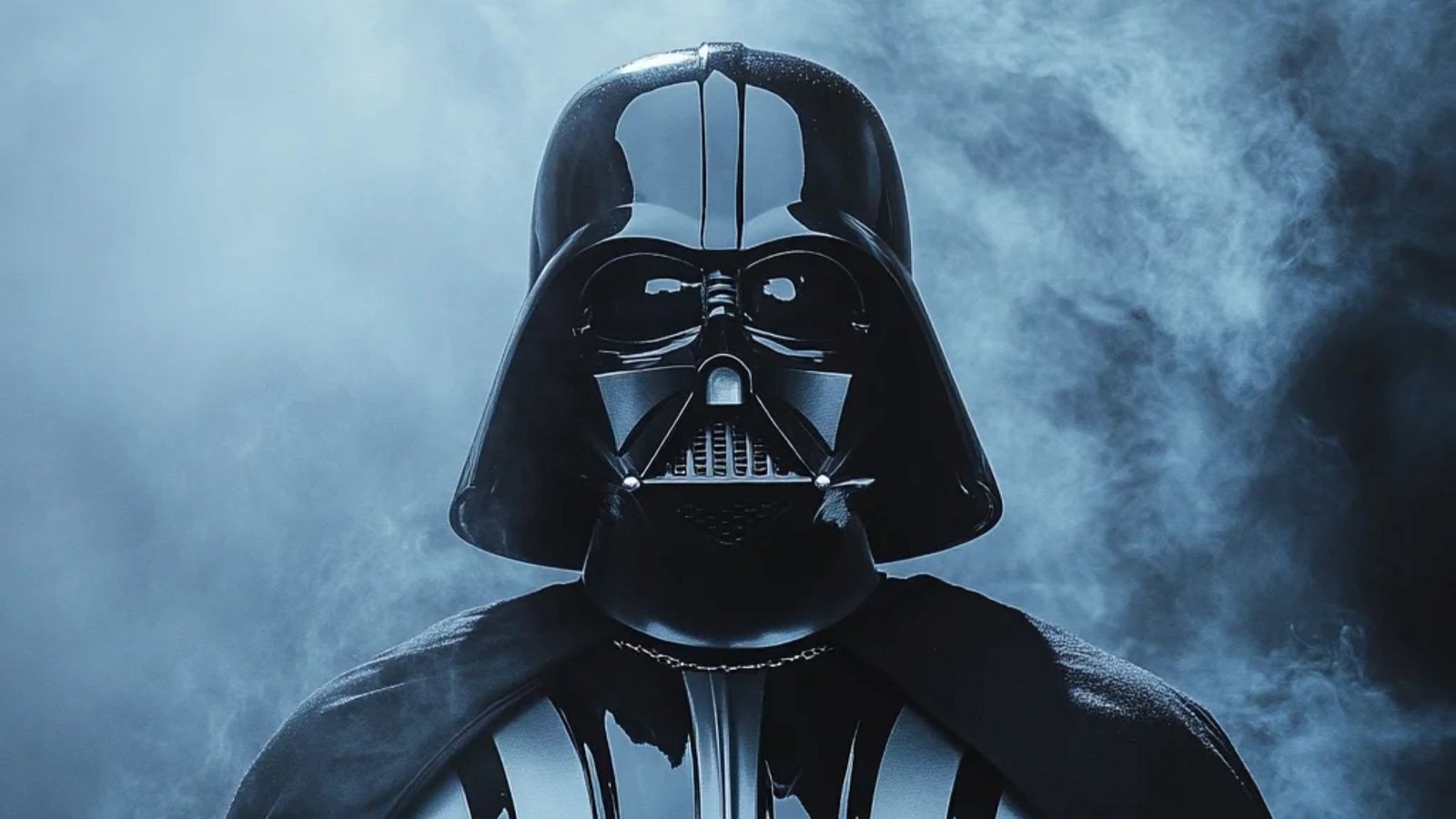
To prevent the catastrophic leak of the biggest plot twist in cinematic history during the filming of The Empire Strikes Back, the script given to actors was deliberately altered. On set, actor David Prowse, who wore the physical Darth Vader suit, delivered the line, "Obi-Wan killed your father." Only director Irvin Kershner, producer George Lucas, and Mark Hamill knew the actual line that would be dubbed in later. Hamill was pulled aside right before filming the climax and told the truth so his dramatic emotional reaction would be genuine. When James Earl Jones recorded the voice track in a studio months later, he expressed shock, originally believing Vader was lying.
6. Darth Vader Appears for Only Twelve Minutes in the Original Film
Despite his overwhelming cultural impact and reputation as one of cinema’s most terrifying villains, Darth Vader has remarkably little screen time in the original 1977 movie. Out of the film's total running time of 121 minutes, the Dark Lord of the Sith physically appears on screen for roughly twelve minutes. Director George Lucas achieved this iconic villain status through careful pacing, striking visual design, and James Earl Jones’s commanding voice work. Vader’s sparse appearances build mounting tension throughout the narrative, making every second he spends on screen feel immensely impactful. His brief presence left an indelible mark on audiences, proving that quality of screen time easily trumps quantity.
 Famous Film Series and Franchises
Explore the fascinating behind-the-scenes secrets, groundbreaking visual effects, and unexpected cultural impacts of cinema's biggest blockbusters. From nuclear allegories to million-dollar improvisations, discover the untold stories behind your favorite film franchises.
See All Facts
Famous Film Series and Franchises
Explore the fascinating behind-the-scenes secrets, groundbreaking visual effects, and unexpected cultural impacts of cinema's biggest blockbusters. From nuclear allegories to million-dollar improvisations, discover the untold stories behind your favorite film franchises.
See All Facts
7. The Millennium Falcon Was Inspired by a Half-Eaten Hamburger
The initial design for Han Solo’s iconic starship, the Millennium Falcon, looked very different from the final round vehicle seen on screen. The original concept was long and cylindrical, but production realized it looked far too similar to the ships from the British television series Space: 1999. Forced to start from scratch under a tight deadline, George Lucas drew inspiration from an unlikely source during a meal. Legend has it that Lucas looked down at a half-eaten hamburger with an olive stuck on the side and immediately envisioned the new ship shape. Model makers quickly adapted the circular hamburger concept, adding the cockpit module on the side where the olive had rested.
8. Alec Guinness Made a Fortune by Negotiating Backend Royalty Profits
Veteran British actor Sir Alec Guinness was openly skeptical of the science fiction project, famously describing the dialogue as "mumbo-jumbo" in letters to friends. Despite his creative doubts about the material, Guinness recognized the potential commercial appeal of George Lucas's vision. During contract negotiations, he wisely bargained for 2.25 percent of the backend gross royalties generated by the film instead of taking a standard flat fee. That astute business decision turned into an absolute financial masterstroke as Star Wars shattered global box office records. Over the course of his lifetime, the backend profits earned Guinness tens of millions of dollars, dwarfing the pay of everyone else involved.
9. The Terrifying TIE Fighter Scream Is a Blend of Elephants and Wet Roads
Creating the terrifying engine screech of the Galactic Empire’s TIE Fighters required extraordinary sound design trickery. Sound designer Ben Burtt wanted a sound that felt both unnatural and inherently aggressive to instill instant fear in audiences. To achieve this, he dug through the sound archives at Paramount Pictures and located an old audio clip of an elephant bellowing. Burtt slowed down the elephant's high-pitched trumpet and layered it over the recorded sound of a car driving fast on wet pavement. The combination produced a haunting, metallic scream that instantly became one of the most recognizable weapon sounds in cinema.
10. R2-D2's Expressive Beeps Were Created Using Synthetic Baby Noises
Designing a distinct language for a beloved robot character who couldn't speak any human words posed a major artistic challenge for the sound team. Early attempts to use purely electronic synthesizers sounded far too mechanical, sterile, and cold for a heroic character. Sound designer Ben Burtt realized that the audio needed an organic, emotional core to convey personality and feelings like frustration or excitement. He ultimately recorded himself making playful baby noises and infant coos, which he then blended with synthetic tones through an analog synthesizer. This hybrid approach yielded R2-D2’s signature beeps, boops, and whistles, giving the astromech droid a surprisingly expressive human soul.
11. Han Solo Was Frozen in Carbonite Because of Contract Uncertainties
The dramatic climax of The Empire Strikes Back, which saw Han Solo encased in carbonite, was born out of real-world contract negotiations rather than pure story planning. Unlike Mark Hamill and Carrie Fisher, who had signed contracts for three films from the beginning, Harrison Ford had only signed on for two movies. Ford was unsure if he wanted to return for a third entry, as his star power was rapidly rising with roles like Indiana Jones. Producer George Lucas and screenwriter Lawrence Kasdan needed a creative narrative device to leave Han's fate ambiguous just in case Ford declined to return. Freezing him in carbonite offered a suspenseful cliffhanger while keeping the door open for his eventual rescue in Return of the Jedi.
12. Grand Moff Tarkin Wore Fuzzy Slippers During Filming
Actor Peter Cushing brought an intimidating, ice-cold menace to his role as Imperial commander Grand Moff Tarkin aboard the Death Star. However, off-camera, his filming experience was far less menacing due to severe wardrobe discomfort. The wardrobe department supplied Cushing with rigid, severe military leather boots that were far too small for his size-twelve feet, causing him intense physical agony on set. Cushing politely explained the issue to George Lucas and requested permission to wear comfortable, soft carpet slippers during long shooting sessions. Lucas agreed and instructed the camera operators to shoot Cushing almost exclusively from the waist up, preserving Tarkin's terrifying demeanor while his feet rested in cozy comfort.
13. Han Solo's Iconic "I Know" Response Was Completely Improvised
In the original script for The Empire Strikes Back, Princess Leia's emotional declaration of "I love you" was met with a far more traditional response from Han Solo. Scripted to reply, "I love you, too," Harrison Ford felt the line was totally out of character for a cynical, smooth-talking space smuggler facing potential death. Director Irvin Kershner agreed that the scene lacked proper tension and encouraged Ford to improvise alternative lines on set. During a take right before Han was lowered into the freezing chamber, Ford uttered the smooth, nonchalant reply, "I know." The line perfectly captured Han's rogue charm, instantly becoming one of the most legendary improvised lines in movie history.
14. The Trash Compactor Scene Used Real Rotting Garbage That Caused Injuries
The grueling filming of the iconic Death Star trash compactor scene in the original 1977 movie was a nightmare for the actors involved. To make the set look authentic, the art department collected real discarded trash and smelly debris, which quickly began rotting under the scorching heat of studio lights. The foul stench was so overwhelming that crew members often had to step off set between takes just to breathe fresh air. During the intense stunt work where Luke Skywalker is dragged underwater by the Dianoga monster, Mark Hamill held his breath for so long that he burst a blood vessel in his face. Camera crews had to shoot the remaining scenes from specific angles to hide the visible red mark on Hamill’s cheek.
15. James Earl Jones Refused Screen Credit for Playing Darth Vader
Despite delivering one of the most iconic vocal performances in film history as the voice of Darth Vader, James Earl Jones originally refused to be credited in the first two films. Jones viewed his vocal work as mere sound design, believing that British bodybuilder David Prowse, who physically wore the costume on set, deserved the primary credit. He felt that adding his own name would overshadow Prowse's physical performance and reduce the mysterious aura surrounding the villain. It was not until 1983's Return of the Jedi that Jones finally allowed his name to be included in the credits, after the studio persuaded him that his contribution was universally celebrated.
Sources & References
This AI-assisted post was rigorously curated and fact-checked for accuracy by:
 Martin Roháček
How fun was this article? 🤔
Tap a star to rate it
🧠 Quiz: How closely were you paying attention?
10 questions — all answers are in the article above!
Enjoyed these facts? There's more! 💌
Fresh fun facts in your inbox. No spam, ever.