The Loudest Legends: 15 Fascinating Facts About The Who
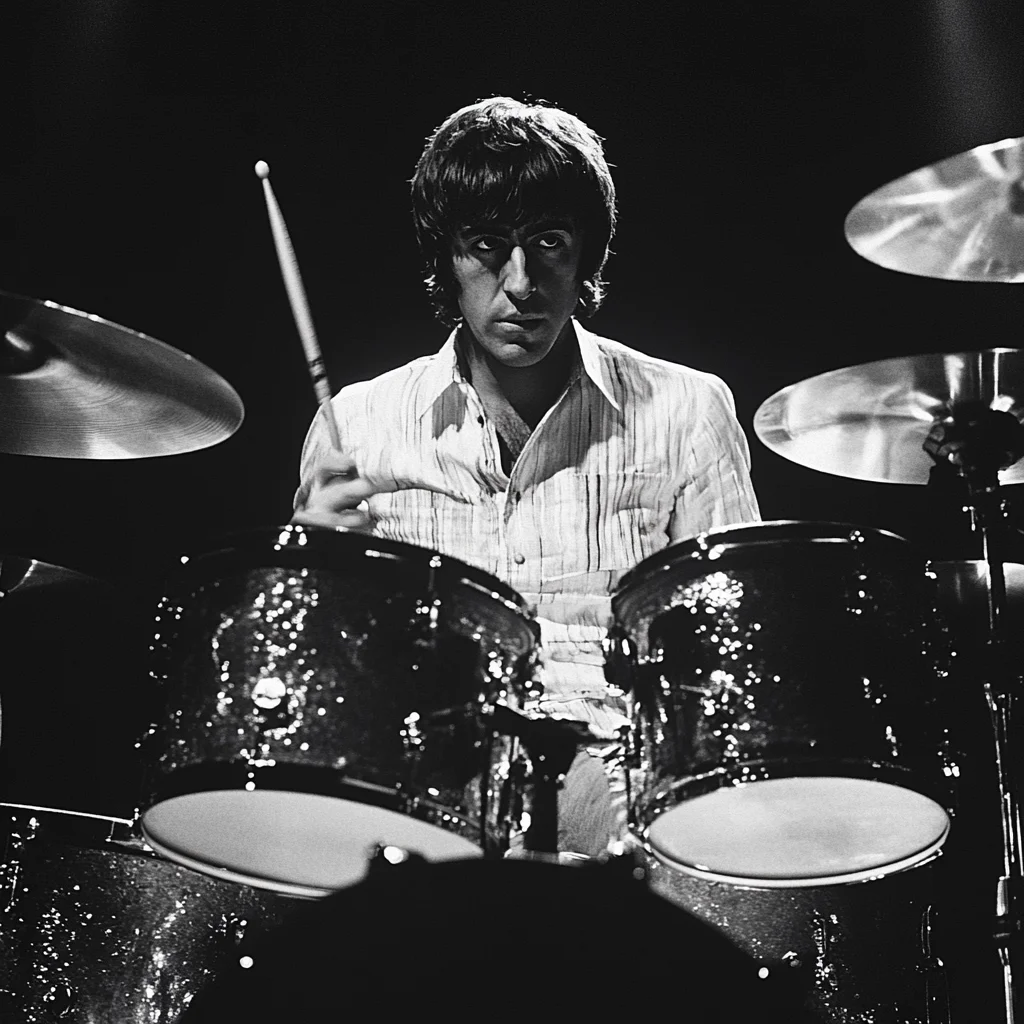
As one of the most explosive and influential rock bands in history, The Who redefined live performance and storytelling in popular music. Beyond their iconic stage antics and ear-splitting volume, the group possessed a deep artistic philosophy that shaped everything from concert sound technology to visual pop art. Behind the wild antics of Keith Moon and the brilliant compositions of Pete Townshend lies a story filled with bizarre television pranks, unexpected rural hobbies, and pioneering creative leaps. Discover the extraordinary history, backstage rivalries, and enduring cultural impact of British rock's most dynamic quartet.
1. From The Detours and The High Numbers to The Who
Before becoming international icons, the band formed in West London under the name The Detours in 1962. Early on, they played instrumental ska, pop, and rhythm-and-blues covers across local pubs. In early 1964, after realizing another group shared their name, publicity-savvy manager Peter Meaden briefly rebranded them as The High Numbers to appeal directly to the stylish British Mod subculture. Under that moniker, they released the single "Zoot Suit," which failed to make a major commercial impact on the charts. Soon after, the quartet landed on the moniker The Who, suggested by Pete Townshend's roommate Richard Barnes, establishing an identity that would endure for decades.
2. Roger Daltrey Built Guitars in a Sheet-Metal Factory
Long before belting out rock anthems in packed stadiums, frontman Roger Daltrey worked an intense day job as a sheet-metal worker. Daltrey was academically capable but rebelled against authority, leading to his expulsion from Acton County Grammar School at age fifteen. Armed with practical craft skills, he meticulously crafted the band's very first electric guitars by hand out of wood and scrap metal. He even built the custom wooden guitar that Pete Townshend played during the early rehearsals of The Detours. This grounded, hard-working background gave Daltrey a tough demeanor that helped keep the fiery personalities of the young band intact during their formative years.
3. Guitar Smashing Was Inspired by Auto-Destructive Art
Pete Townshend's famous routine of splintering guitars on stage was far more than mindless teenage destruction or theatrical violence. While studying at Ealing Art College in the early 1960s, Townshend attended lectures by radical artist Gustav Metzger, who pioneered "Auto-Destructive Art." Metzger argued that destroying objects represented a legitimate artistic statement against post-war materialism and nuclear proliferation. The first instrument destruction occurred accidentally at the Railway Hotel in 1964 when Townshend snapped his guitar neck on a low ceiling. When the audience reacted with astonishment, he leaned into the conceptual ritual, transforming violent chaos into a signature element of rock performance art.
4. Keith Moon's Television Drum Explosion Went Horribly Wrong
In September 1967, The Who appeared on the American television variety show The Smothers Brothers Comedy Hour to mime their hit single "My Generation." Drummer Keith Moon bribed a stagehand to overload his bass drum with pyrotechnics, aiming to close the set with a theatrical bang. Unbeknownst to Moon, someone added double the usual charge, resulting in a terrifyingly massive detonation live on air. The blast sent shrapnel flying into Moon's leg, blew out the broadcast cameras, and briefly set Townshend's hair on fire. Many rock historians believe this sudden acoustic shock wave permanently damaged Townshend's hearing, initiating his lifelong battle with severe tinnitus.
5. Inventing and Refining the Concept of the Rock Opera
While narrative concept albums existed in folk and pop music, Pete Townshend elevated the form into grand rock operas. Deeply influenced by the teachings of Indian spiritual master Meher Baba, Townshend sought to construct narrative-driven double albums that explored identity, spiritual enlightenment, and adolescent alienation. The band's 1969 masterpiece Tommy told the tragic yet triumphant story of a deaf, dumb, and blind boy who becomes a pinball wizard and spiritual messiah. They followed this success in 1973 with Quadrophenia, a cinematic portrait of mid-1960s Mod youth culture that proved the rock genre could handle intricate storytelling and complex emotional themes.
6. John Entwistle Was a Skilled Caricaturist and Designer
Bass virtuoso John Entwistle was not only famous for his blistering, lead-style bass playing, but he was also a remarkably talented visual artist. Throughout the band's career, Entwistle drew hilarious caricatures of his bandmates, capturing their wild onstage personalities with sharp artistic detail. His artwork was featured prominently on official merchandise, tour programs, and backstage passes throughout the 1970s. Most famously, Entwistle illustrated the entire front cover of the band's 1975 album The Who by Numbers, creating a connect-the-dots puzzle featuring cartoon versions of all four members. His artistic contributions provided a lighter, humorous contrast to the often intense dynamic within the group.
7. The Wild Legend of Keith Moon and the Hotel Pool
Keith Moon's reckless antics offstage were legendary, but few stories are as infamous as the incident on his 21st birthday in Flint, Michigan. On August 23, 1967, following a chaotic party at a Holiday Inn, Moon allegedly released the handbrake of a Lincoln Continental and rolled it into the hotel swimming pool. While critics and biographers still debate whether the car was driven or pushed, the resulting damage led to the band being banned from Holiday Inn properties nationwide. Moon capped off the evening by slipping on a piece of cake while running from the police, knocking out one of his front teeth. This chaotic event cemented Moon's reputation as rock music's ultimate, unrestrained wild man.
8. Roger Daltrey Was Expelled After a Backstage Drug Brawl
Despite being the founding member who originally recruited the rest of the band, Roger Daltrey was briefly fired from The Who in late 1965. During a European tour in Denmark, tension boiled over regarding Keith Moon and John Entwistle's heavy drug use, which Daltrey felt was ruining their live performances. Outraged after a subpar show, Daltrey flushed Moon's stash of amphetamines down a backstage toilet, sparking a violent fistfight between Daltrey and Moon. The rest of the group voted to eject Daltrey, leaving him devastated and isolated for several weeks. However, after promising to manage his temper and refrain from violence, Daltrey was allowed back into the group, forever altering his approach to band leadership.
9. Revolutionizing Concert Sound and PA Technology
In the mid-1960s, concert audio was primitive, with bands often forced to sing through tiny house PA systems that were drowned out by screaming crowds. Driven by a desire for overwhelming volume and pristine audio clarity, John Entwistle and Pete Townshend worked closely with amplifier pioneer Jim Marshall to design high-powered equipment. Their demands led directly to the creation of the 100-watt Marshall amplifier and the legendary 8x10 speaker cabinets that defined the rock aesthetic. Later in the 1970s, The Who pioneered massive, multi-channel sound systems that could deliver high-fidelity audio across giant outdoor arenas. Their relentless technical innovations laid the blueprint for modern stadium concert production.
10. Recording Their Masterpiece at Mick Jagger's Country Estate
When preparing to record their legendary 1971 album Who's Next, the band sought an environment far removed from London's commercial recording studios. They rented Stargroves, a lavish 18th-century manor house in Hampshire owned by The Rolling Stones frontman Mick Jagger. Utilizing the Rolling Stones Mobile Studio—a state-of-the-art recording truck parked in the driveway—they captured iconic tracks like "Won't Get Fooled Again" and "Bargain." The relaxed, echo-rich acoustic environment of the historic mansion allowed synthesizer experimentations and raw guitar tones to blend seamlessly. This innovative approach to location recording inspired countless rock bands to record inside converted barns, manors, and isolated retreats.
11. The Famous Mod Target Logo Has Pop-Art Roots
The band's iconic logo—featuring a red, white, and blue target symbol with an arrow projecting upward from the "O"—is one of rock's most recognizable designs. Created in 1964 by graphic designer Brian Pike, the visual combined British pop-art aesthetics with the insignia of the Royal Air Force. The target symbol had already been adopted by the UK's Mod youth movement as a bold symbol of fashion and rebellion. The arrow rising from the letter "O" added a striking masculine symbol, visually reinforcing the energetic thrust of their music. Although the logo was originally created for promotional posters rather than an album cover, it became a permanent symbol for the group worldwide.
12. Keith Moon Made Unexpected Appearances on Children's TV
Despite his reputation for destructive hotel sprees and wild partying, Keith Moon had a deep affection for lighthearted television entertainment. During the 1970s, he made surprising, hilarious guest appearances on popular British children's shows, including Magpie and Blue Peter. Moon frequently dressed up in elaborate costumes, such as a Victorian gentleman or a sea captain, playing along with harmless skits for young viewers. Producers and television hosts recalled that Moon was polite, enthusiastic, and remarkably well-behaved on set, enjoying the chance to perform pure slapstick comedy. These appearances showcased a gentle, playful side of Moon that contrasted sharply with his chaotic rock-star persona.
13. Roger Daltrey Built and Operated a Successful Trout Farm
Away from the deafening roar of arena amplifiers, singer Roger Daltrey found peace and solace in an entirely unexpected countryside pursuit. In the late 1970s, Daltrey bought Loxwood Manor in West Sussex and personally transformed its surrounding grounds into a thriving commercial trout farm. He spent months operating earth-moving machinery, digging four large lakes, and stocking them with thousands of trout. Daltrey credited the intense manual labor and tranquil fishing environment with keeping him grounded during break periods between grueling world tours. The farm operated successfully for over thirty years, standing as a testament to Daltrey's practical work ethic and love for the outdoors.
14. Setting a World Record for the Loudest Concert
On May 31, 1976, The Who performed a legendary outdoor concert at the Charlton Athletic Football Ground in South London before tens of thousands of fans. To ensure the sound reached every corner of the stadium, the band deployed a staggering array of amplification equipment. Acoustic engineers measured the concert's sound output at an astounding 126 decibels at a distance of 32 meters from the speakers. This incredible volume earned The Who an official entry in the Guinness Book of World Records as the loudest band in the world. They held this official record for over a decade, demonstrating their total commitment to high-energy sonic dominance.
15. The Stutter in "My Generation" Was Inspired by Speed and Confusion
The classic 1965 anthem "My Generation" features one of the most famous vocal performances in rock history, characterized by Roger Daltrey's erratic, stuttering delivery. Contrary to popular belief that the stutter was a gimmick, producer Shel Talmy originally asked Daltrey to stutter to fit the song's nervous, frantic energy. Townshend was inspired by how amphetamine-using Mods talked when overwhelmed by speed, as well as the speech patterns of BBC newsreaders. Daltrey struggled initially to fit all the fast-paced lyrics into the rhythm, and the natural stutter stuck during recording sessions. The resulting vocal quirk captured the anxious energy of rebellious 1960s youth culture, turning a recording quirk into a timeless classic.
Sources & References
This AI-assisted post was rigorously curated and fact-checked for accuracy by:
 Martin Roháček
How fun was this article? 🤔
Tap a star to rate it
🧠 Quiz: How closely were you paying attention?
10 questions — all answers are in the article above!
Enjoyed these facts? There's more! 💌
Fresh fun facts in your inbox. No spam, ever.