1. The First Parade Was Actually an Illegal Strike
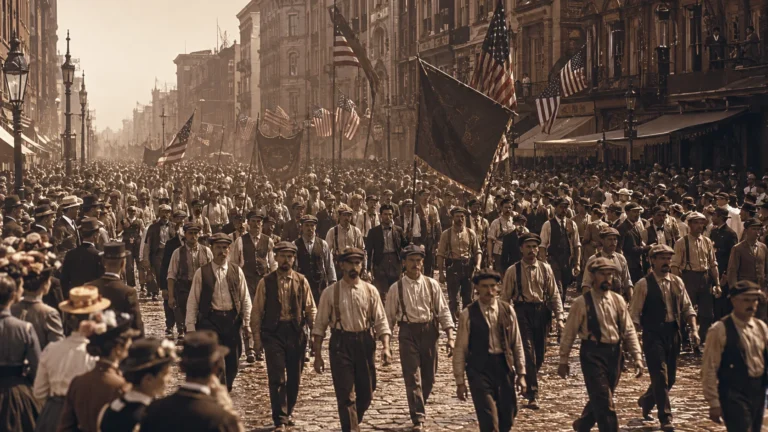
On September 5, 1882, thousands of New York City workers risked their entire livelihoods to march in the very first Labor Day parade. Because there was no legally recognized holiday, participants had to take unpaid leave and face the very real threat of being immediately fired for skipping work. Marching through lower Manhattan required immense bravery, as defying corporate bosses during the Gilded Age often resulted in permanent blacklisting from the local industry.
2. Massive Kegs of Beer Saved the Original Celebration
The organizers of the inaugural 1882 parade were initially terrified that nobody would show up due to the massive threat of job loss. To sweeten the deal, they secured a local park and promised attendees a massive post-parade picnic featuring countless kegs of beer and imported cigars. This brilliant strategy worked flawlessly, drawing over ten thousand thirsty and enthusiastic workers into the streets to celebrate their collective power.
3. It Was Signed Into Law Out of Extreme Political Guilt
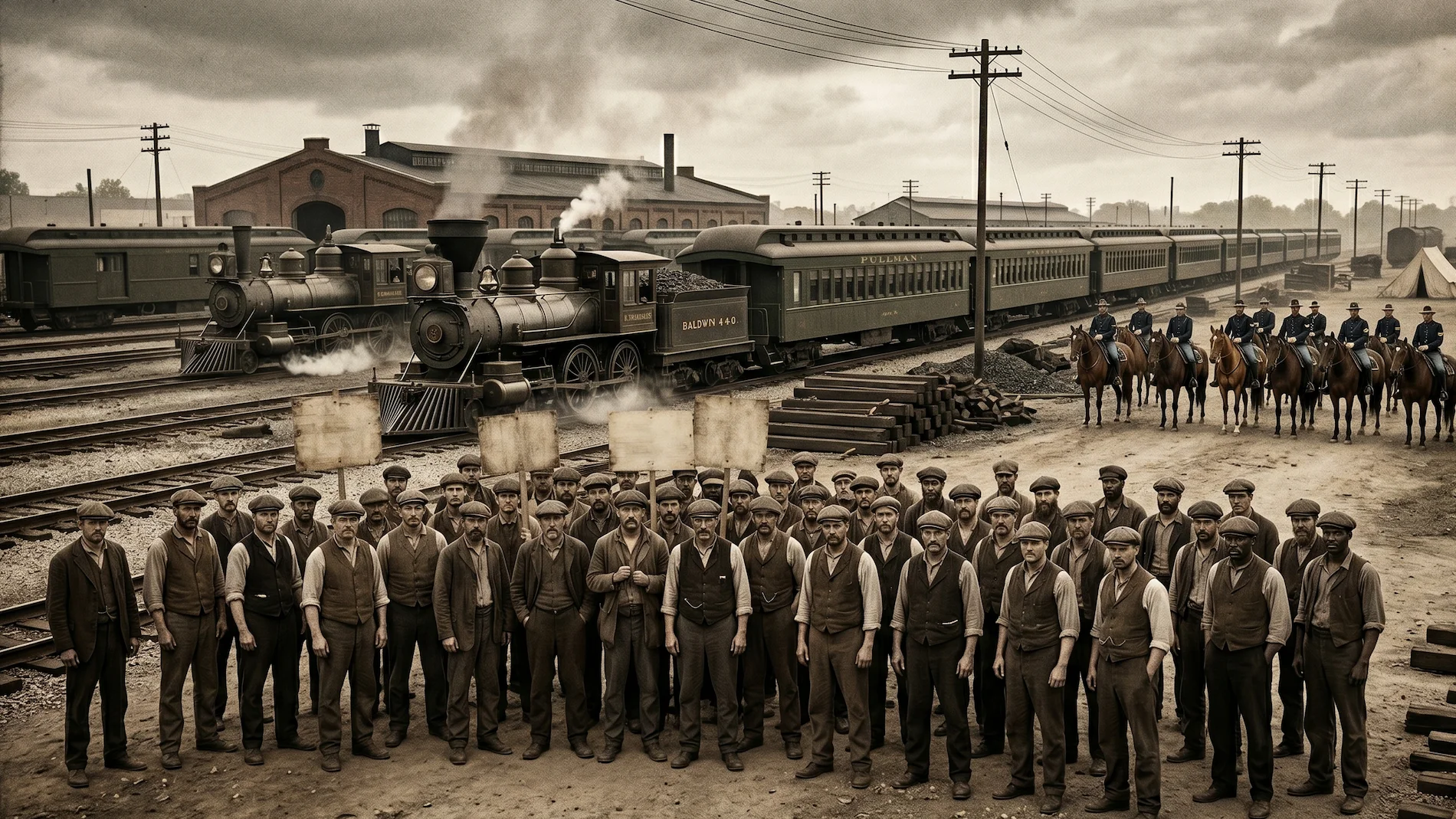
President Grover Cleveland did not establish the federal holiday out of sheer goodwill toward the American worker. In 1894, he deployed federal troops to brutally crush the Pullman railway strike, resulting in the tragic deaths of dozens of striking workers. Desperate to appease the furious working class right before an election year, Congress rushed the holiday legislation to his desk in a mere six days to serve as a national apology.
4. Oregon Legalized It Seven Years Before the Federal Government
While lawmakers in Washington dragged their feet, individual states were already busy legally recognizing the immense contributions of the working class. Oregon became the absolute first state in the nation to declare Labor Day an official public holiday in 1887. Several other states quickly followed their pioneering lead, creating a massive wave of localized momentum that eventually forced the federal government to adopt the holiday nationwide.
5. The True Founder Remains a Contested Historical Mystery
Despite over a century of exhaustive research, the United States Department of Labor still cannot definitively prove who actually invented the holiday. The credit is bitterly disputed between two union leaders with incredibly similar names, Peter J. McGuire of the carpenters union and Matthew Maguire of the machinists union. Both men played crucial roles in organizing early labor movements, leaving historians permanently divided over who deserves the ultimate credit for the September celebration.
6. The Fashion Ban on White Clothing Was Invented by Snobs
The famous cultural rule dictating that you cannot wear white clothing after the September holiday has absolutely nothing to do with weather or practicality. During the late nineteenth century, incredibly wealthy elites invented this arbitrary wardrobe rule as a secret societal test to easily identify and exclude new money individuals. Wearing white simply proved that a person could afford to leave the dirty, coal-filled cities for a late-summer vacation.
7. Canada Actually Invented the Holiday a Decade Earlier
While Americans proudly claim the holiday as their own cultural invention, the core concept was entirely borrowed from their northern neighbors. Canada held a massive working-class demonstration in Toronto back in 1872 to vigorously support striking printers demanding a shorter workweek. American labor leaders closely observed this highly successful Canadian event and eventually replicated the massive parade structure in New York City exactly ten years later.
8. September Was Chosen to Avoid Communist Associations
Organizers deliberately selected the first Monday in September to break up the long, exhausting stretch between Independence Day and Thanksgiving. More importantly, they desperately wanted to avoid associating the American holiday with May 1, which had become the international workers day. That spring date was heavily tied to radical socialist movements and the violently deadly Haymarket affair in Chicago, making it politically toxic for mainstream American unions.
9. The Eight-Hour Workday Took Decades to Become Law
Even though early Labor Day protesters marched explicitly for the right to an eight-hour workday, the federal government largely ignored their demands for nearly sixty years. It was not until the passage of the Fair Labor Standards Act in 1938 that the forty-hour workweek and strict overtime pay finally became legally binding federal law. The generations of workers who originally fought for the holiday never actually lived to see their primary demand legally enforced.
10. Congress Passed the Federal Holiday Unanimously
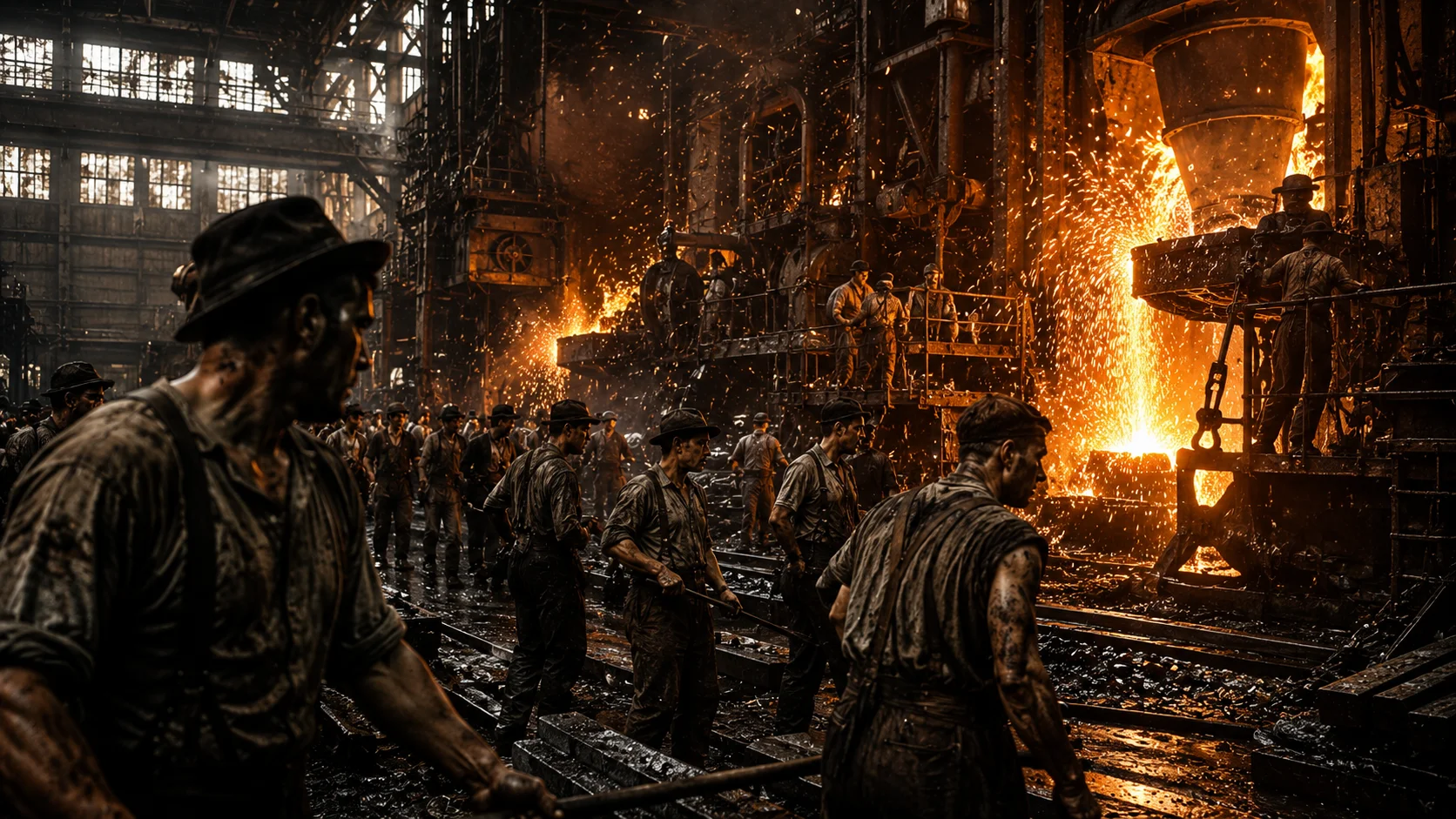
Given the intense political polarization and violent union uprisings characterizing the 1890s, passing any labor legislation seemed virtually impossible. Yet, the highly controversial bill to make Labor Day a national public holiday passed through both the House and the Senate unanimously without a single dissenting vote. Politicians from every single faction realized that opposing a day of rest for exhausted laborers was political suicide following the extreme violence of the Pullman strike.
11. A Newark Brass Band Miraculously Saved the First March
As the very first parade began forming in lower Manhattan, organizers panicked because they had failed to secure any musical accompaniment for the marchers. Just as the massive crowd was about to walk in total, awkward silence, the Jewelers Union of Newark arrived at the very last second bringing a massive brass band. Their upbeat music instantly energized the nervous crowd, transforming a potentially grim protest into a joyous and highly festive celebration.
12. It Indirectly Gave Birth to the Concept of the Weekend
Before the relentless protests that defined the early Labor Day movement, the modern concept of a two-day weekend simply did not exist. The vast majority of Americans, including young children, routinely worked physically grueling shifts six or seven days a week in highly dangerous factories. The fierce advocacy celebrated on this holiday slowly normalized the radical idea that human beings actually deserved consecutive days off for personal rest and recreation.
13. Pullman Strikers Were Protesting Rent in a Company Town
The violent 1894 strike that finally forced the creation of the federal holiday was triggered by extreme corporate greed in a specialized company town. George Pullman completely slashed the wages of his railway factory workers during an economic depression, but ruthlessly refused to lower the exorbitant rent he charged them to live in his corporate-owned housing. This impossible financial trap left his workers literally starving, sparking a desperate nationwide railway boycott.
14. The First Parade Excluded Women and Minorities
While today the holiday celebrates the entire diverse American workforce, the original 1882 demonstration was strictly limited to white, male trade unionists. It took several years of intense pressure from marginalized groups before female garment workers and minority laborers were finally permitted to march alongside their male counterparts. These early exclusions highlight the deep internal divisions that plagued the labor movement before it ultimately unified into a broader national force.
15. It is Statistically One of the Most Dangerous Driving Weekends
While it was originally designed as a peaceful day of rest, the modern long weekend has evolved into a highly hazardous travel period. Because millions of Americans simultaneously hit the highways for one final late-summer road trip, safety organizations consistently rank the holiday weekend as one of the deadliest periods for traffic accidents. The massive surge in celebratory drinking combined with congested rural highways transforms the relaxing holiday into a severe logistical nightmare for law enforcement.
Sources and References