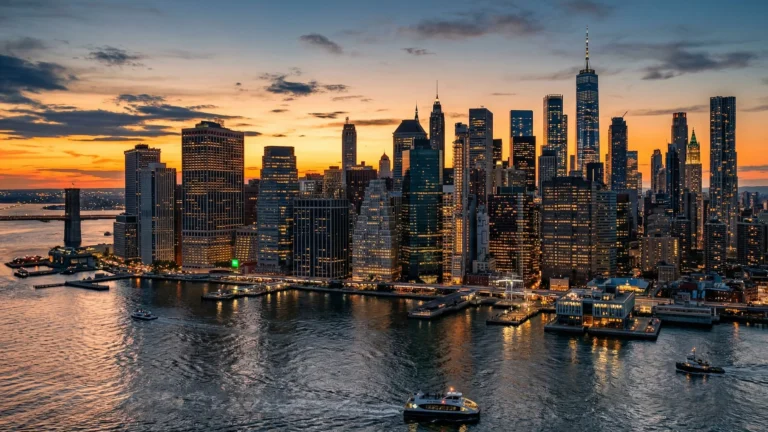
New York City is a linguistic marvel, serving as the most linguistically diverse city in human history. Linguists estimate that there are over eight hundred distinct languages currently spoken across the five boroughs, with certain rare dialects found in Queens that have almost entirely gone extinct in their native countries.
The subterranean transit network is an absolute marvel of urban engineering. If you were to lay the entire track of the New York City subway system out in a single, continuous straight line, it would stretch for over eight hundred and fifty miles, which is longer than the entire driving distance from Manhattan all the way to Chicago.
The metropolis we know today was originally a Dutch trading post called New Amsterdam. In 1664, the English arrived with a fleet of warships to claim the incredibly lucrative port, and the Dutch governor Peter Stuyvesant famously surrendered the entire territory in a completely bloodless handover without a single shot being fired.
Operating a simple street food stand in the right location requires a massive fortune. Because the city strictly caps the number of vendor licenses, a prime location for a hot dog cart right outside the entrance to the Central Park zoo can cost the operator well over two hundred and eighty-nine thousand dollars in annual permit fees just to park their cart.
A massive, hidden pneumatic tube system once moved thousands of letters beneath the streets. At the turn of the twentieth century, the postal service operated a twenty-seven-mile network of underground pressurized tubes that violently shot heavy canisters of mail between post offices at thirty miles per hour before the system was ultimately deemed too expensive to maintain.
Before Washington D.C. was ever established, this city served as the very first capital of the United States. Following the ratification of the Constitution, the newly formed national government met at Federal Hall on Wall Street, which is the exact location where George Washington took his historic oath of office as the first president.
The sheer mass of the city’s architecture is actually compressing the earth. Geologists have calculated that the combined weight of the over one million buildings in the city, totaling roughly one point seven trillion pounds, is causing the underlying bedrock of the island to physically sink by about one to two millimeters every single year.
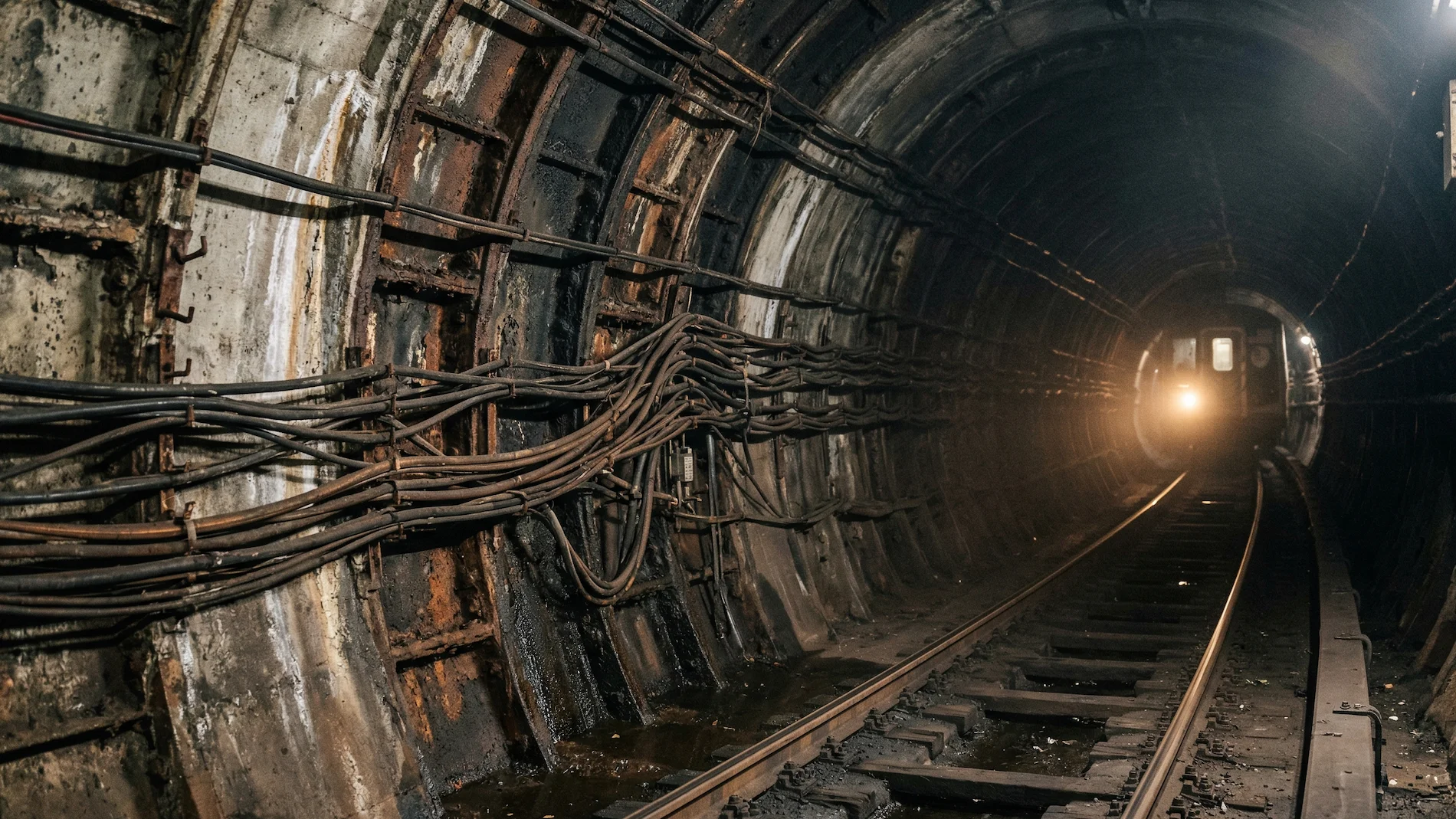
A highly classified train station is hidden deep beneath a famous luxury hotel. Known as Track 61, this secret subterranean platform located under the Waldorf Astoria was utilized by President Franklin D. Roosevelt, allowing his armored limousine to drive straight off the train and onto a private freight elevator so he could enter the hotel without the public seeing his wheelchair.
The narrowest residence in the city is incredibly claustrophobic. Located at 75 and a half Bedford Street in Greenwich Village, this peculiar historical home measures just nine and a half feet wide on the outside and under nine feet wide on the inside, yet it has housed famous historical figures like the renowned poet Edna St. Vincent Millay.
The iconic Brooklyn Bridge is held together by an unfathomable amount of wire. When the incredible suspension bridge was completed in 1883, its four main suspension cables were constructed by tightly wrapping thousands of individual galvanized steel wires together, creating a total length of wire that could stretch more than fourteen thousand miles if laid end to end.
The famous nickname of the city actually originated on the racetrack. The term the Big Apple was popularized in the 1920s by a sports journalist named John J. Fitz Gerald, who heard stable hands in New Orleans using the phrase to describe the premier, highly lucrative horse racing circuits up in New York.
There is a completely unique species of insect living strictly within the city limits. Biologists recently discovered a highly specific, genetically distinct species of ant thriving in the small patches of dirt on the Broadway medians, an incredibly isolated urban species affectionately dubbed the ManhattAnt.
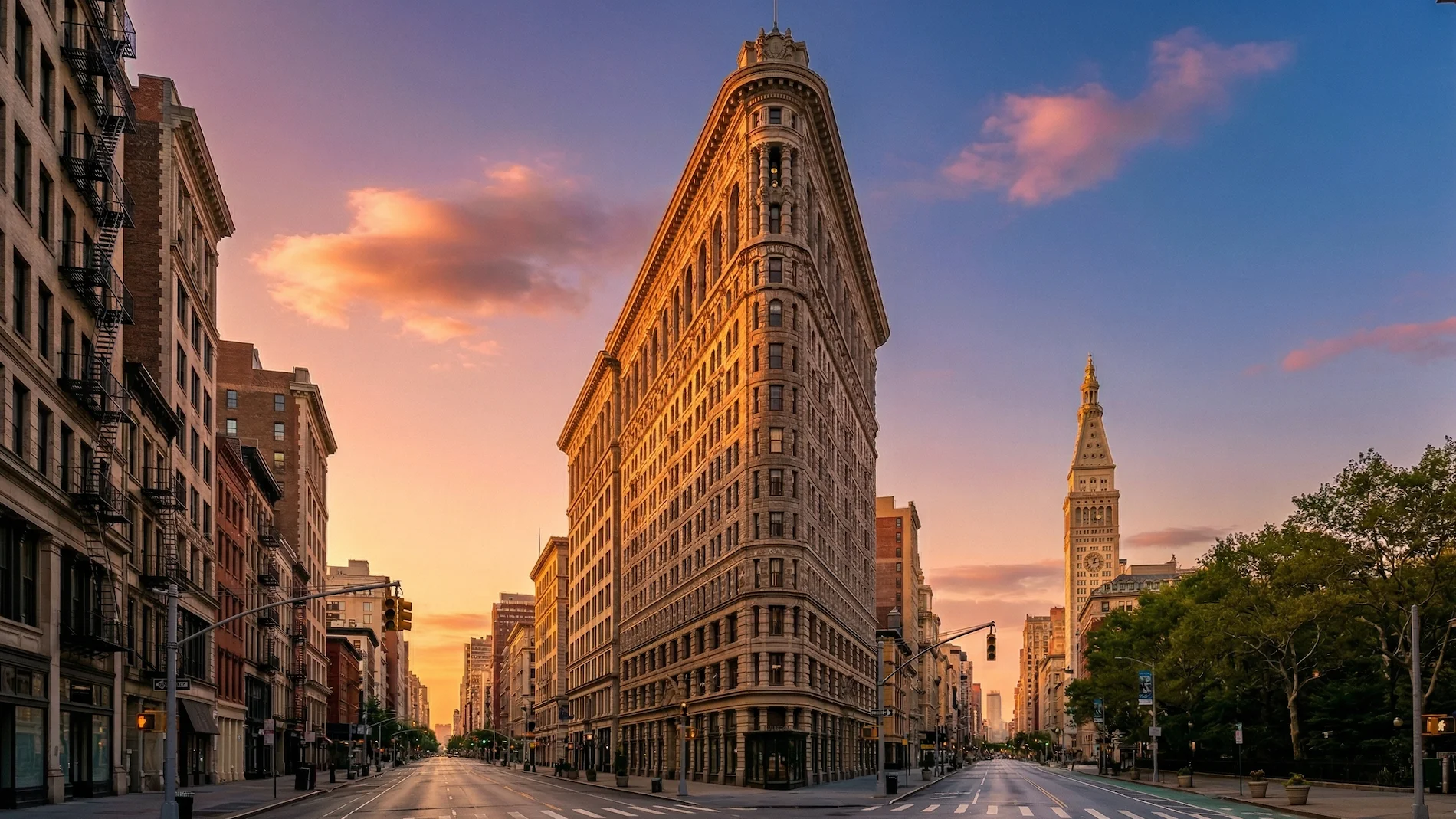
The city grid perfectly aligns with the setting sun twice a year. In a beautiful phenomenon popularized by astrophysicists as Manhattanhenge, the sunset perfectly aligns with the east-west cross streets of the borough during the summer solstice period, creating a spectacular glowing corridor of light framed by towering skyscrapers.
A massive portion of the world’s gold supply rests deep beneath the financial district. The Federal Reserve Bank of New York houses a highly secure underground vault resting directly on the Manhattan bedrock, containing roughly six thousand tons of gold bullion belonging to dozens of foreign nations and central banks.
The actual eyeballs of Albert Einstein are locked inside a local safe deposit box. When the genius physicist passed away, the doctor who performed his autopsy secretly removed his eyes and gave them to Einstein’s eye doctor, Henry Abrams, who stored them in a safe deposit box in the city where they reportedly remain securely hidden to this day.
Sources and References:
New York Public Library: https://www.nypl.org/blog/2015/03/11/nyc-big-apple
National Park Service: https://www.nps.gov/feha/index.htm
Atlas Obscura: https://www.atlasobscura.com/places/track-61