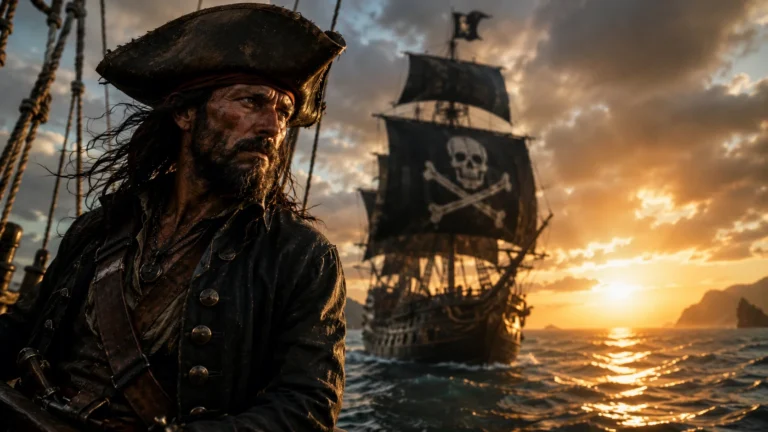
1. Walking the Plank is Pure Fiction
For over a century, cinematic pirates have dramatically forced their terrified captives to walk a wooden plank jutting out over shark-infested waters. In historical reality, there is almost no legitimate record of Golden Age pirates ever utilizing this elaborate execution method. If a pirate crew wanted to dispose of a prisoner or a mutineer, they simply threw them directly overboard or utilized the much more common punishment of marooning. Leaving a traitor stranded on a deserted island with a single pistol was considered far more psychologically torturous than a quick splash in the ocean.
2. They Almost Never Buried Their Treasure
Thanks to the massive cultural impact of Robert Louis Stevenson’s novel Treasure Island, we heavily associate pirates with secret maps and buried chests of gold. The historical truth is that pirates rarely captured chests of Spanish doubloons, instead raiding merchant vessels for highly practical, perishable goods like sugar, lumber, animal hides, and medicine. Because the life expectancy of an outlaw sailor was incredibly short, they had zero biological incentive to save for retirement. Whenever they successfully captured valuable cargo, they immediately sold it and blew their earnings in pirate havens like Nassau.
3. The “Pirate Accent” Was Invented in 1950
If you ask anyone to do a pirate impression, they will inevitably squint one eye, heavily roll their r’s, and unleash a loud, guttural “Arrr, matey!” This iconic vocal dialect has absolutely no basis in seventeenth-century maritime history; it was entirely invented by a Hollywood actor. In the 1950 Disney film adaptation of Treasure Island, actor Robert Newton played Long John Silver utilizing his own highly exaggerated, native West Country English accent. The cinematic performance was so massively iconic that it permanently hijacked our collective cultural memory of how pirates supposedly sounded.
4. Pirate Ships Were Highly Democratic
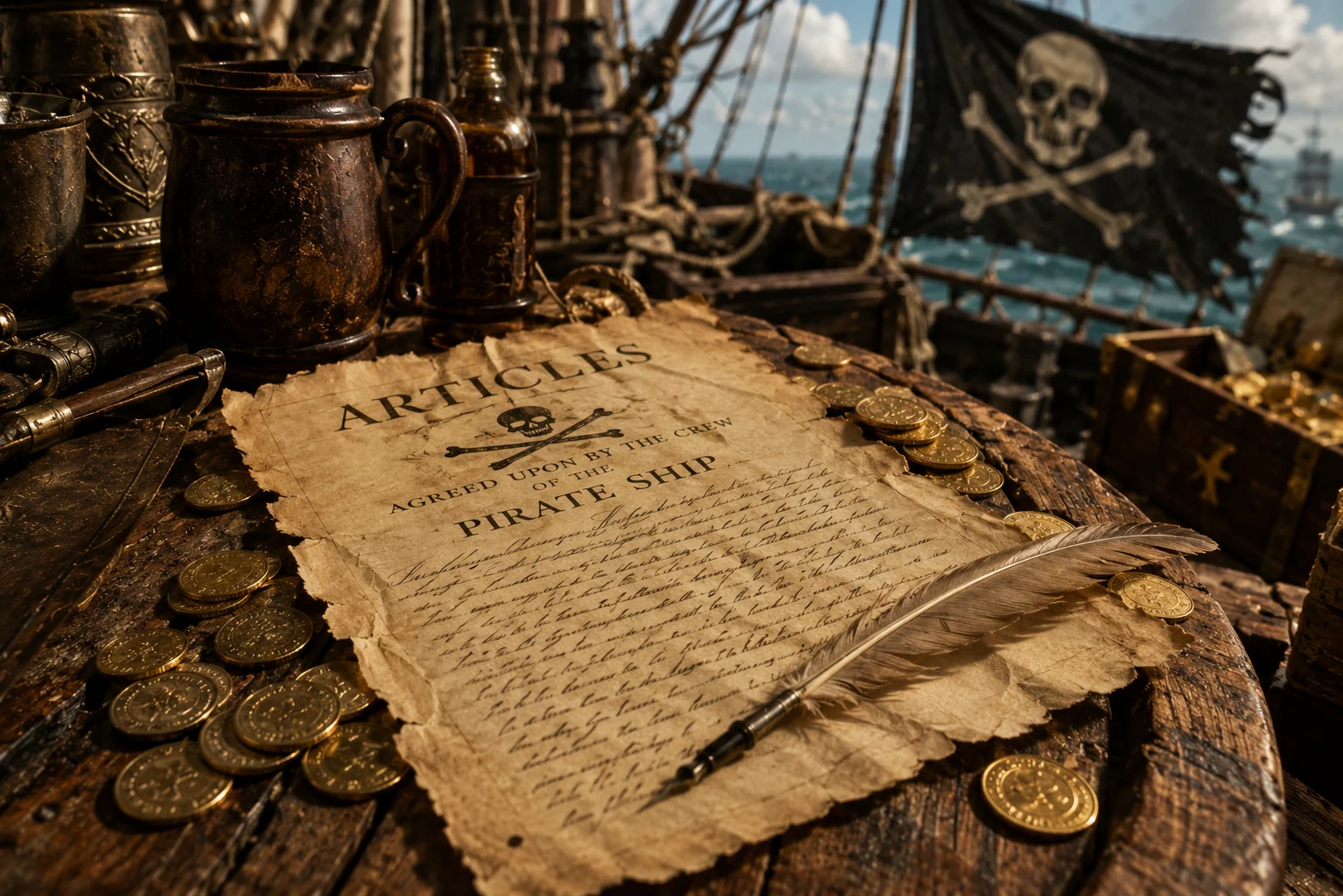
Pop culture frequently depicts pirate captains as ruthless, bloodthirsty dictators who ruled their terrified crews with an iron fist and a loaded pistol. Surprisingly, the average pirate ship was actually one of the most progressive and highly democratic societies on the planet during the seventeenth century. The entire crew held a democratic vote to elect their captain, and they could easily vote to instantly demote him if he performed poorly in battle. Furthermore, they signed strict written constitutions known as pirate articles, which guaranteed fair loot distribution and provided massive financial payouts for limbs lost in combat.
5. Eye Patches Were Actually Night Vision Goggles
The classic pirate aesthetic mandates a missing hand replaced by a sharp hook, a wooden peg leg, and a dark black eye patch. While severe combat injuries were certainly common, marine historians theorize that many pirates wore eye patches specifically as a brilliant tactical lifehack. Because the lower decks of a wooden galleon were pitch-black, stepping out of the blazing Caribbean sun into the hull would leave a boarding pirate completely blind for several minutes. By keeping one eye covered and constantly adjusted to the dark, they could simply swap the patch and instantly see their enemies below deck.
6. Earrings Paid for Funerals
Hollywood uses gold hoop earrings as a standard pirate fashion accessory to make them look glamorous and rebellious. In historical reality, these solid gold or silver rings served a highly grim, practical purpose as a wearable insurance policy. Because a pirate’s life was incredibly dangerous, they knew they could easily drown and wash up on a foreign shore. The precious metal in the earring was intended to easily pay for a proper Christian burial by whoever eventually found their deceased body on the beach.
7. The Red Flag Was the Deadliest
Cinematic pirates always fly the iconic black Jolly Roger flag featuring a white skull and crossbones before launching a bloody attack. However, seeing the black flag actually meant the pirates were offering quarter, allowing the merchant crew to surrender and live. The truly terrifying sight was the raising of a solid red flag, which historical privateers dubbed the “Jolie Rouge.” This blood-red banner signaled that absolutely no mercy would be shown, and every single sailor on the opposing ship would be slaughtered if captured.
8. They Hated Sinking Other Ships
Blockbuster films love to showcase massive naval battles with pirate galleons unleashing devastating broadsides of cannon fire to splinter enemy hulls. In truth, historical pirates actively avoided using heavy cannons because sinking a prize ship meant completely destroying the valuable cargo they were trying to steal. Instead of explosive naval warfare, they heavily relied on psychological intimidation, raising terrifying flags and firing warning shots to force a bloodless surrender. They only resorted to deadly hand-to-hand combat when a stubbornly brave captain absolutely refused to yield.
9. Blackbeard Relied on Theatrical Fear
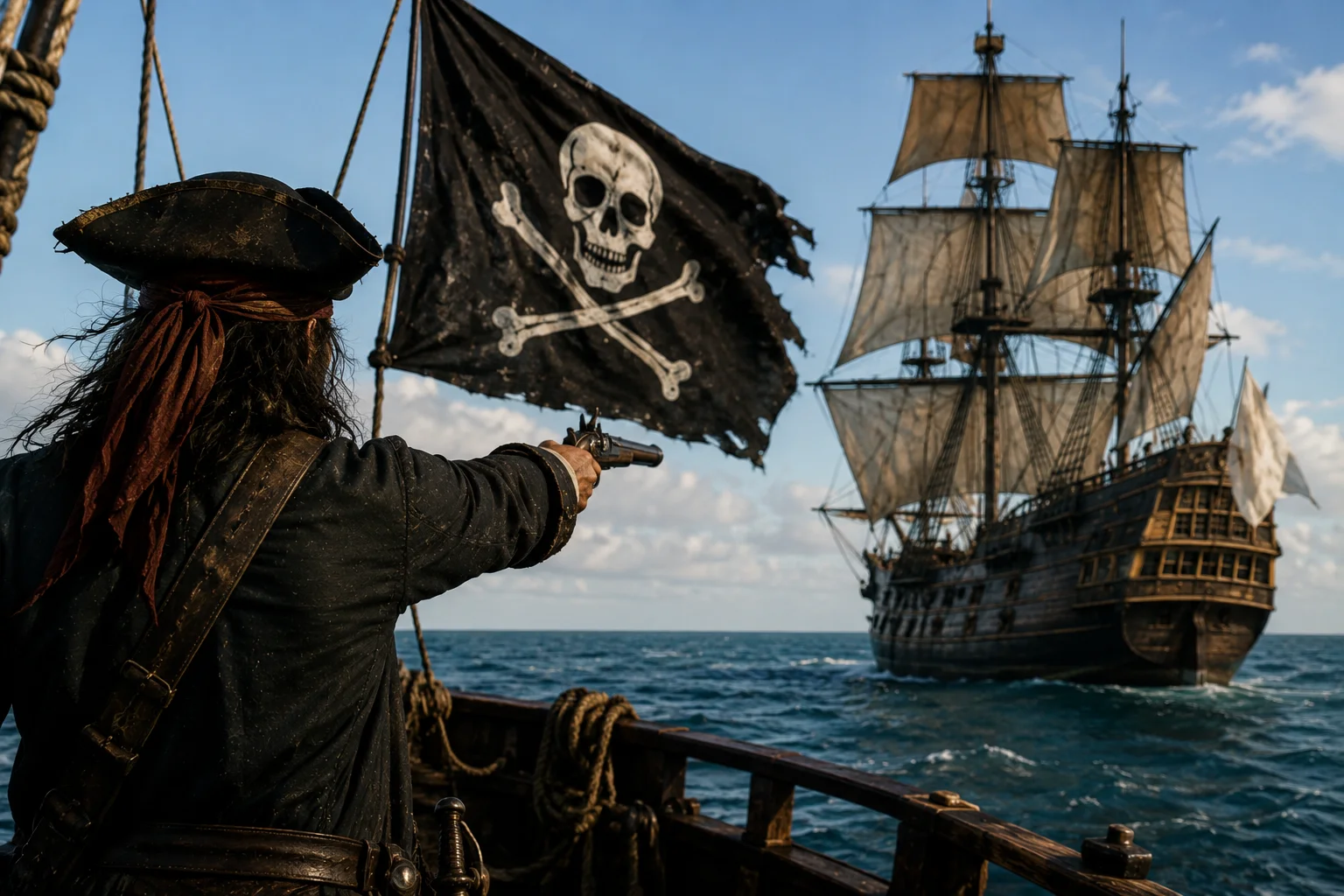
Hollywood portrays the infamous Edward Teach, better known as Blackbeard, as a bloodthirsty butcher who violently slaughtered hundreds of innocent sailors. Historical records reveal that he was actually a brilliant psychological manipulator who relied entirely on theatrical fear to avoid unnecessary combat. Before boarding a ship, he would weave slow-burning hemp fuses directly into his massive, unkempt beard and light them on fire. Surrounded by thick, swirling smoke, he looked like a terrifying demon from hell, prompting most terrified crews to surrender immediately without a fight.
10. Rum Was Used to Purify Water
Movies constantly depict pirates as bumbling, permanently intoxicated alcoholics chugging endless bottles of rum for fun. While they definitely enjoyed their liquor, the massive quantities of rum kept on board served a highly critical, life-saving logistical purpose. Fresh water stored in wooden barrels quickly turned stagnant and completely undrinkable during long, hot voyages across the Caribbean. To safely hydrate the crew, quartermasters mixed the foul water with strong rum to kill the bacteria, eventually adding citrus juice to create a concoction known as grog that prevented scurvy.
11. Parrots Were Exotic Trade Goods
The cinematic trope of a pirate captain with a loyal, talking parrot permanently perched on his shoulder is highly exaggerated. While sailors did occasionally keep pets, parrots were primarily captured because they were incredibly lucrative, exotic trade goods. They were vastly preferred over monkeys or dogs because they ate cheap seeds, required very little space, and produced minimal waste on a cramped ship. Upon returning to port, a pirate could sell a single exotic bird to wealthy European aristocrats for a massive, highly profitable sum of money.
12. Women Pirates Wore Practical Clothing
When Hollywood occasionally features female pirates like the legendary Anne Bonny or Mary Read, they are often dressed in highly stylized, glamorous corsets and dresses. In reality, these fierce women completely rejected traditional eighteenth-century gender norms and dressed exclusively in standard, practical men’s clothing. They wore loose canvas trousers, heavy leather jackets, and tied their hair back to freely fight alongside their male counterparts. Historical court documents verify that they were actually some of the most ruthless, aggressive combatants on the infamous pirate captain Calico Jack’s ship.
13. The Golden Age Was Incredibly Short
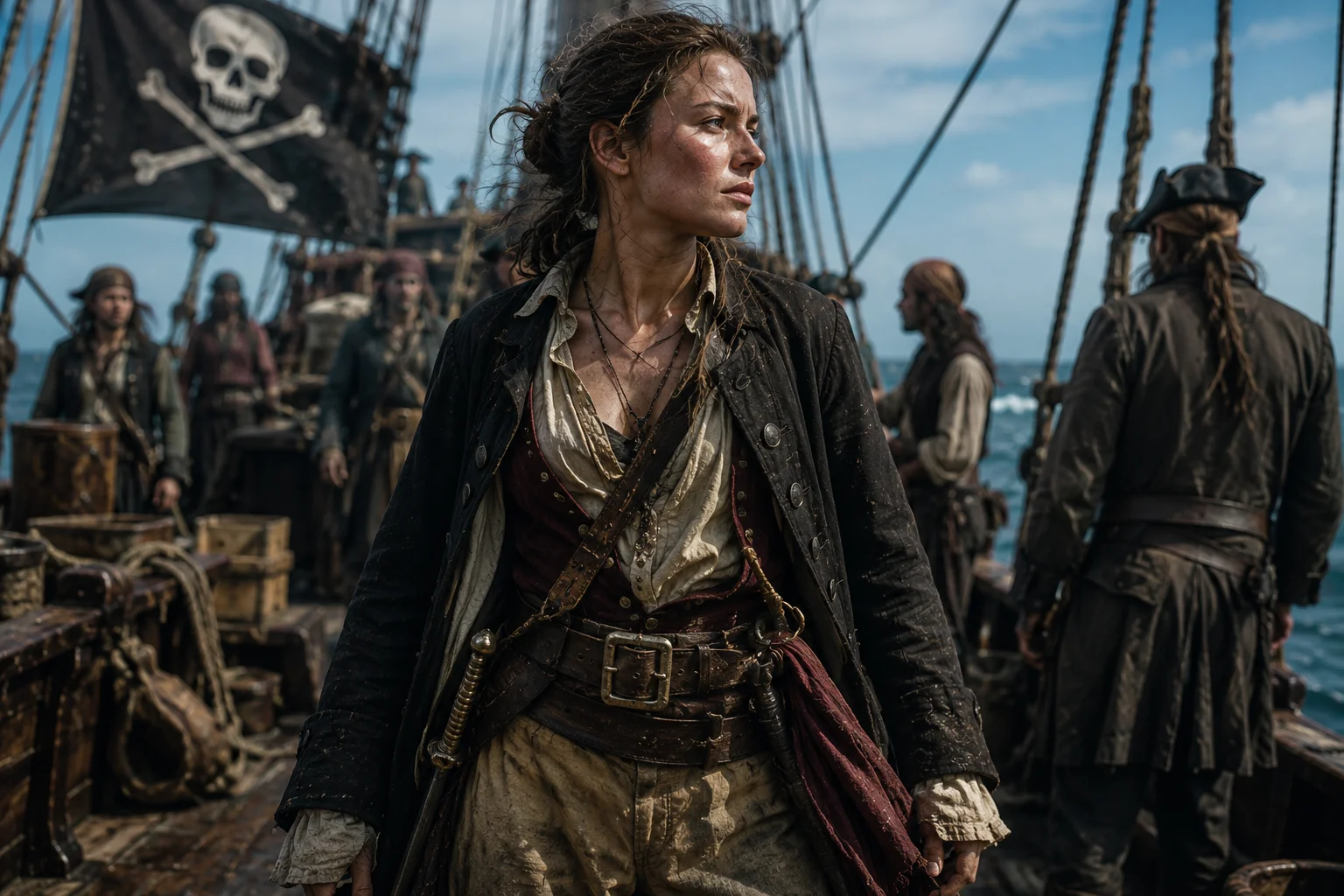
Pop culture implies that the romanticized era of Caribbean piracy lasted for centuries, dominating global oceans in a never-ending cycle of lawlessness. Surprisingly, the true peak of the Golden Age of Piracy was essentially a massive historical flash in the pan. The most famous era, known as the post-Spanish Succession period, lasted for only about ten years, stretching roughly from 1715 to 1725. The rapid deployment of heavily armed British naval patrols and mass public executions quickly and permanently eradicated the legendary pirate threat.
14. Peg Legs Meant Culinary Retirement
Cinematic pirate captains are frequently depicted bravely leading combat charges despite missing limbs and relying on wooden peg legs or iron hooks. In historical reality, an amputee pirate was entirely useless during the highly agile, dangerous chaos of an intense ship boarding action. If a sailor survived the brutal amputation process, the democratic pirate code provided them with a massive financial payout for their permanent injury. They were then permanently retired from frontline combat and typically reassigned to lighter duties, usually serving as the ship’s cook.
15. Their Diet Was Completely Disgusting
Instead of the glamorous banquets and endless roasted meats shown in adventure films, the daily diet of an average pirate was highly repetitive and genuinely revolting. Because they had no refrigeration, the crew survived entirely on rock-hard biscuits known as hardtack, salted beef, and bone soup. The food was so frequently infested with weevils and maggots that sailors intentionally ate their meals in absolute darkness. By eating below deck at night, they could safely consume the necessary calories without having to look at the bugs swarming inside their food.
Sources and References