Hollywood

Long before it became the global epicenter of entertainment, a quiet agricultural community in Southern California transformed into the ultimate destination for early filmmakers. Drawn by the promise of endless sunshine and diverse landscapes, pioneering studios laid the groundwork for an industry that would change visual storytelling forever. From its humble origins as a real estate development to the golden age of the studio system, the history of this iconic neighborhood is filled with fascinating milestones. Let us explore fifteen captivating details about the birth and evolution of early Hollywood.
Hollywood
  1. The community was originally a completely dry town. Before the movie studios arrived and brought their glamorous parties, the area was strictly temperance-focused, officially banning the sale of alcohol and even outlawing the construction of movie theaters to maintain a quiet atmosphere.

  2. A real estate developer helped establish the name. H.J. Whitley, often referred to as the Father of Hollywood, was instrumental in developing the early infrastructure of the town and officially opened the historic Hollywood Hotel, laying the groundwork for the upscale neighborhood.

  3. Filmmakers fled west to escape strict patent fees. Many early directors and producers moved to California specifically to get away from Thomas Edison, who held incredibly strict patents on motion picture cameras in New Jersey and frequently sued independent filmmakers who tried to use similar equipment.

  4. The beautiful weather was the ultimate production tool. Early film stock was incredibly slow and relied entirely on natural sunlight, making the consistent, rain-free climate of Southern California the absolute perfect environment for shooting movies year-round without relying on expensive artificial lighting.

  5. The very first studio was located in a former tavern. In 1911, the Nestor Motion Picture Company established the first permanent movie studio in Hollywood by renting out an abandoned roadhouse and building a simple, open-air wooden stage in the backyard.

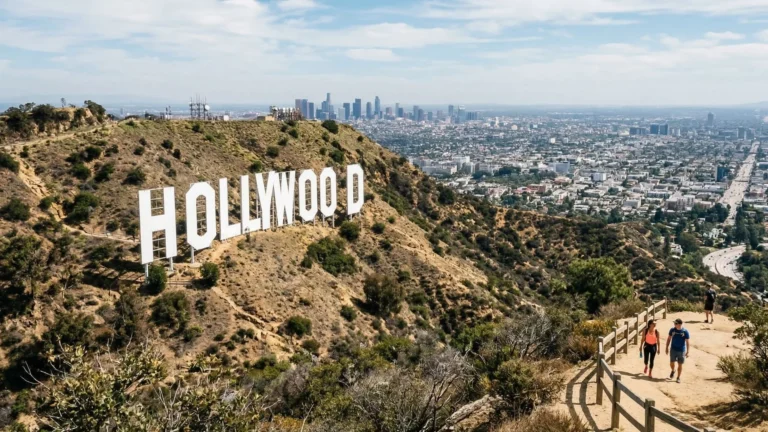
  6. The iconic sign was originally just an advertisement. Erected in 1923, the massive letters initially spelled out Hollywoodland and were entirely covered in thousands of flashing lightbulbs to promote a new, upscale housing development in the surrounding hills.

  7. The sign was only supposed to last for a year and a half. Built with temporary sheet metal and telephone poles, the giant real estate billboard was meant to be taken down after eighteen months, but it was left standing as the area became globally famous during the silent film era.

  8. The studio system operated exactly like an assembly line. During the golden age, major studios owned their own enormous lots, controlled every single aspect of production, and kept actors, directors, and writers on exclusive, long-term contracts to churn out films at a rapid pace.
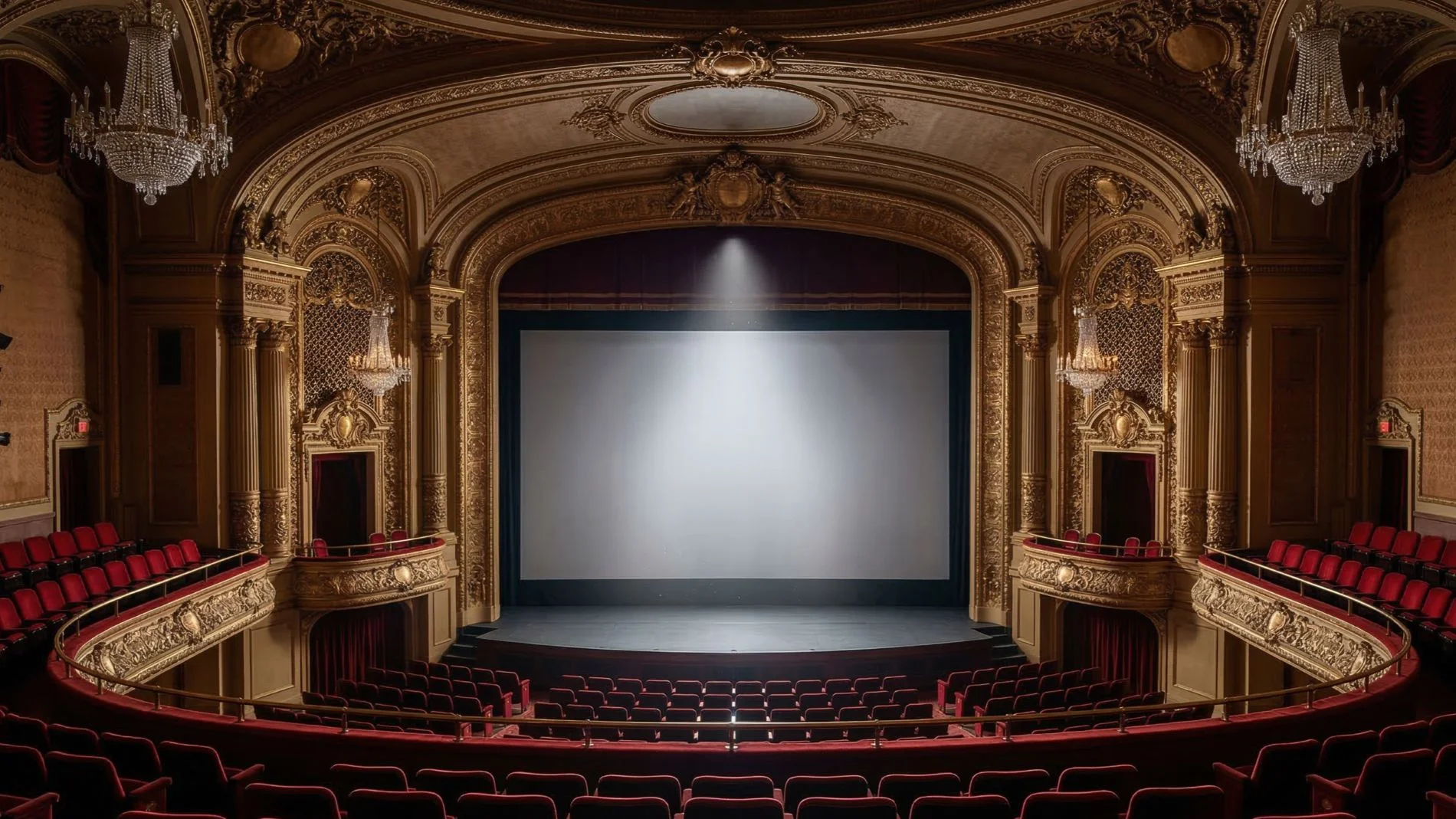
  1. Studios also owned the actual movie theaters. For decades, the major production companies controlled the entire distribution chain by owning the theaters themselves, ensuring their films always had a dedicated screen until the government broke up the monopoly in 1948.

  2. The arrival of sound completely disrupted the industry. When The Jazz Singer debuted in 1927 with synchronized dialogue, it effectively ended the silent film era almost overnight, forcing studios to completely rebuild their soundstages and causing many silent stars to permanently lose their careers.

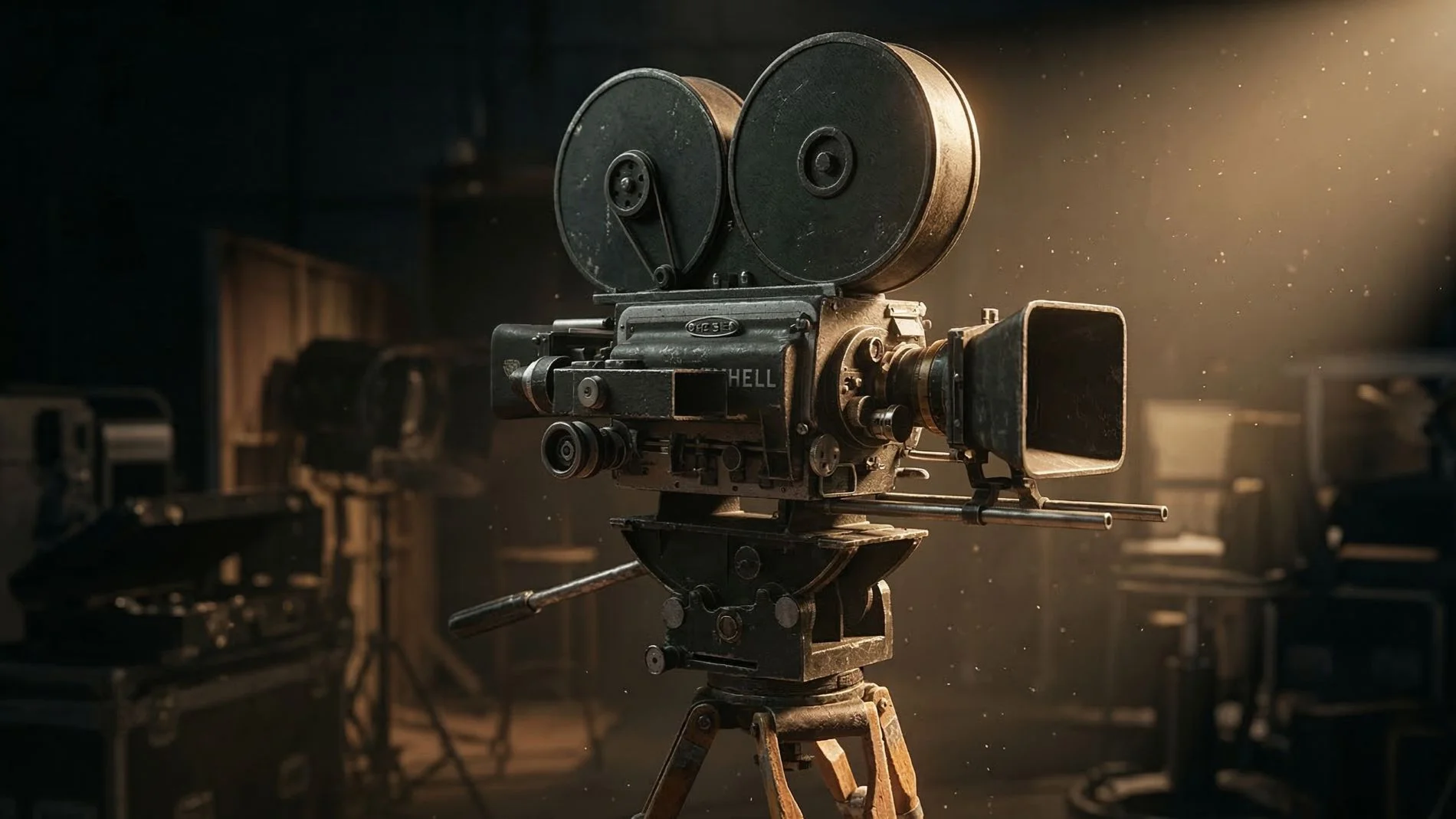
  3. Early color film was a grueling physical process. Shooting in beautiful Technicolor required massive, heavy cameras that ran three separate strips of film simultaneously, needing incredibly bright, intensely hot studio lights that often caused actors to faint on set and melted their makeup.

  4. The first Academy Awards ceremony was incredibly brief. The very first Oscars presentation in 1929 was a quiet, private banquet at the Roosevelt Hotel that lasted about fifteen minutes, mostly because the winners had already been announced to the press three months in advance.
  1. The Walk of Fame was a massive marketing strategy. Conceived in the 1950s by the local chamber of commerce, the star-studded sidewalks were designed specifically to maintain the neighborhood’s fading glamour and keep tourists visiting as the television industry began drawing audiences away from movie theaters.

  2. The sign eventually lost its last four letters. After years of severe neglect and deterioration, the local chamber of commerce finally repaired the iconic landmark in 1949, officially removing the word land so the sign would represent the entire community rather than just the original housing development.

  3. It eventually became an official district of Los Angeles. While it started as its own independent municipality with its own laws, a struggle to secure a reliable water supply forced Hollywood to officially merge with the rapidly growing city of Los Angeles in 1910, forever linking the two together.


Sources and References:

Smithsonian Magazine: https://www.smithsonianmag.com/history/the-hidden-history-of-the-hollywood-sign-180982518/

Time Magazine: https://time.com/3947945/hollywood-sign-history/

Britannica: https://www.britannica.com/topic/studio-system

How useful was this post?

Click on a star to rate it!

This AI-assisted post was rigorously curated and fact-checked for accuracy by:

Met Gala

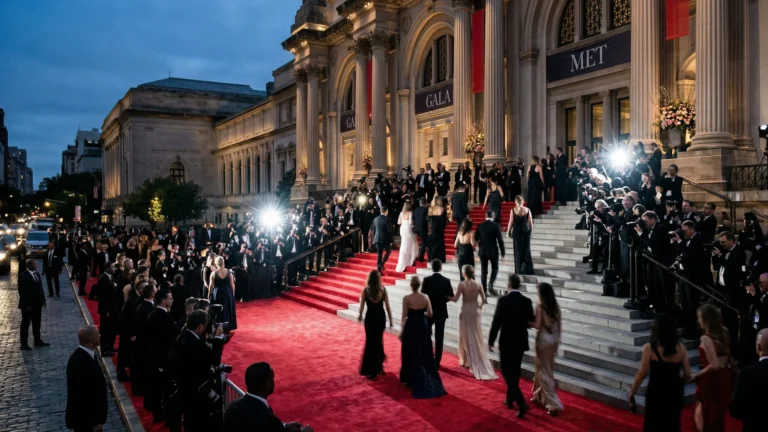
The Met Gala is globally celebrated as the absolute pinnacle of high fashion, a glittering annual gathering where the world's most famous movie stars, musicians, and cultural icons showcase astonishing couture on the red carpet. However, beneath the flashbulbs and the flawless designer gowns lies an incredibly complex, highly regulated event steeped in strict traditions, ruthless vetting processes, and fascinating logistical anomalies. Far from being just an extravagant celebrity party, the event operates under an uncompromising rulebook overseen by the highest echelons of the fashion industry. Let us pull back the curtain and explore fifteen surprising historical and operational facts about the hidden reality of the Met Gala.
Met Gala
Met Gala
  1. The entire extravagant evening is fundamentally a highly structured charitable fundraiser. While it appears to the public as an elite celebrity party, the gala exists exclusively to fund the Costume Institute at the Metropolitan Museum of Art, generating tens of millions of dollars in a single night and providing the entire annual operating budget for the department.

  2. You absolutely cannot buy your way into the event without personal approval. Even if a billionaire is willing to pay the astronomical ticket price, which recently surged to seventy-five thousand dollars for a single seat, attendance is strictly invite-only, and every single guest must be personally vetted and approved by Vogue editor-in-chief Anna Wintour.

  3. Brands and designers buy massive tables but do not completely control their own guest lists. While a major fashion house might pay hundreds of thousands of dollars to sponsor a table and invite a group of celebrities to wear their designs, Wintour still holds the ultimate veto power over their selections, leading to infamous industry power plays and shocking celebrity snubs.

  4. The highly orchestrated evening follows a rigid, traditional structural timeline. After surviving the chaotic red carpet, attendees must form a formal receiving line to personally greet the hosts, proceed to a cocktail hour, take a private tour of the newly launched fashion exhibit, and finally sit down for a highly formal, carefully choreographed dinner.

  5. The organizers strictly enforce an uncompromising no selfie and no social media rule. Once guests pass the red carpet and enter the actual museum, they are explicitly barred from using their phones to post on social media, a strict policy implemented in 2015 to preserve the absolute mystique and exclusivity of the private party.

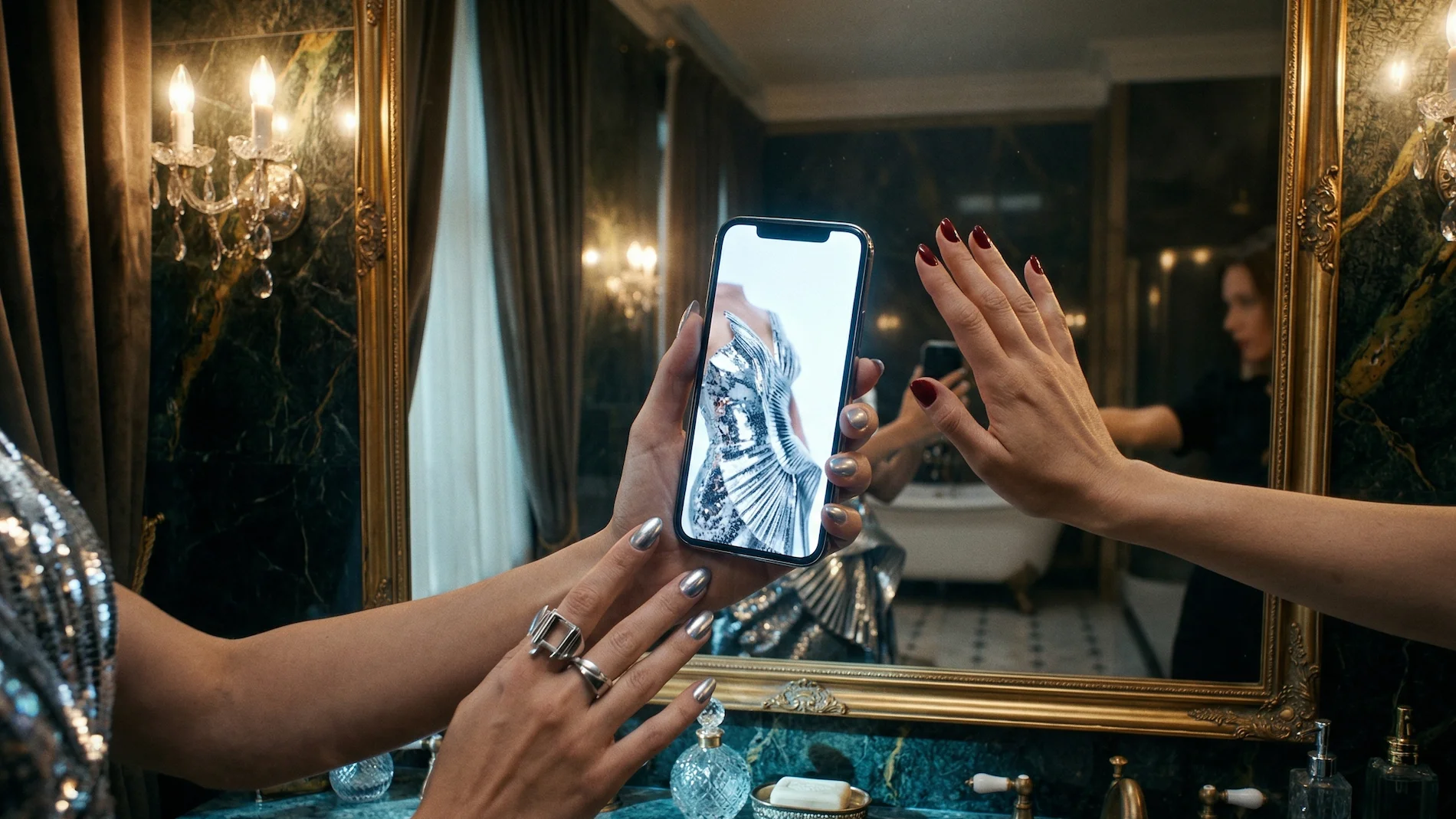
  6. The strict social media ban inadvertently created the modern phenomenon of the bathroom selfie. Because celebrities are forbidden from documenting the actual dinner or the exhibit, the museum restrooms became a lawless safe haven where massive groups of A-list stars routinely gather to mingle and secretly snap iconic, rule-breaking group photos in the mirrors.

  7. The official dinner menu features bizarre and highly specific culinary restrictions. To ensure that the beautiful, elite crowd remains completely camera-ready, the catering staff is explicitly forbidden from using ingredients like garlic and onions to prevent bad breath, while parsley and other easily stuck herbs are banned to avoid ruining smiles and leaving green stains on millions of dollars worth of couture.

  8. The organizers implemented a strict age restriction barring almost anyone under eighteen. Following several years where young teenagers attended the highly mature, alcohol-fueled party, the museum officially updated the rulebook in 2018 to strictly prohibit minors from attending, bluntly stating that it is simply not an appropriate environment for children.

Met Gala fashion
  1. The seating chart is engineered with the precision of a diplomatic summit. Wintour and her team spend months obsessively arranging the massive dining room, deliberately breaking up established couples and placing them next to strangers with completely different backgrounds to actively force networking, cultural cross-pollination, and unexpected celebrity interactions.

  2. The original version of the gala was a highly accessible, surprisingly inexpensive midnight supper. When legendary fashion publicist Eleanor Lambert founded the event in 1948 to support the newly established Costume Institute, tickets cost a mere fifty dollars, and the guest list was composed almost entirely of local Manhattan society figures rather than global pop stars.

  3. A massive, secret musical performance serves as the climax of the evening. After the formal dinner concludes, guests are treated to a highly confidential, headline performance by a major global music star, a deeply exclusive concert that takes place entirely behind closed doors and is completely hidden from the public television broadcast.

  4. The physical architecture of the museum undergoes a massive, highly protective transformation. Because the museum houses priceless, ancient historical artifacts, the organizers must deploy massive security teams, install protective flooring, and carefully monitor lighting levels to ensure that blinding camera flashes and massive, heavy gowns do not accidentally damage the surrounding art.

Met Gala no selfie
  1. The logistics of simply arriving at the red carpet require military-level coordination. Because the extravagant dresses are often so massive and structurally complex that the celebrities physically cannot sit down, attendees frequently arrive in custom-rented sprinter vans, standing up the entire ride, before attempting to gracefully climb the sixty-two iconic steps of the museum entrance.

  2. The smoking ban inside the museum is famously and flagrantly ignored by the celebrity guests. Despite strict New York City laws and the obvious fire hazard of smoking near priceless historical artifacts, wealthy attendees routinely treat the museum bathrooms as a designated smoking lounge, deeply frustrating the museum board and local health department officials every single year.

  3. The glamorous evening is merely the opening act for a deeply academic historical exhibition. While the global media focuses entirely on the red carpet fashion, the true purpose of the gala is to unveil the spring exhibition of the Costume Institute, a meticulously researched, scholarly presentation of historical garments that remains open to the general public for months after the celebrities go home.


Sources and References:

The Independent: https://www.independent.co.uk/life-style/fashion/guest-rules-met-gala-2024-b2540202.html

PureWow: https://www.purewow.com/news/met-gala-rules-no-selfies

Wallpaper Magazine: https://www.wallpaper.com/fashion-beauty/met-gala-2026-costume-art-exhibition-everything-you-need-to-know

How useful was this post?

Click on a star to rate it!

Marlon Brando

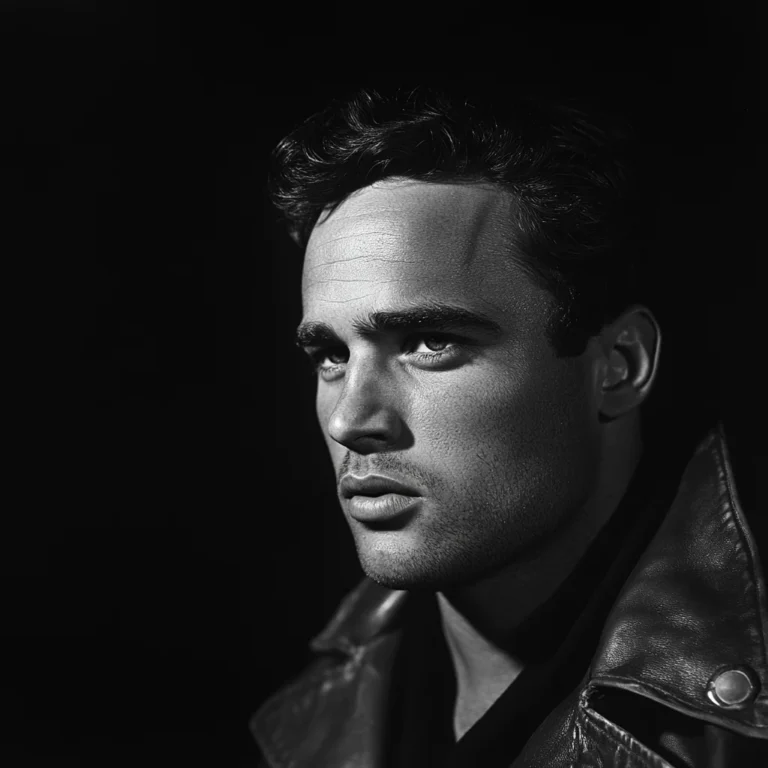
Marlon Brando remains a legendary icon who forever changed Hollywood. Known for his method acting and unpredictable personality, Brando astonished the world with memorable performances, groundbreaking choices, and a life packed with drama, making him a true titan of film and culture.
Marlon Brando

How useful was this post?

Click on a star to rate it!