Bruce Willis

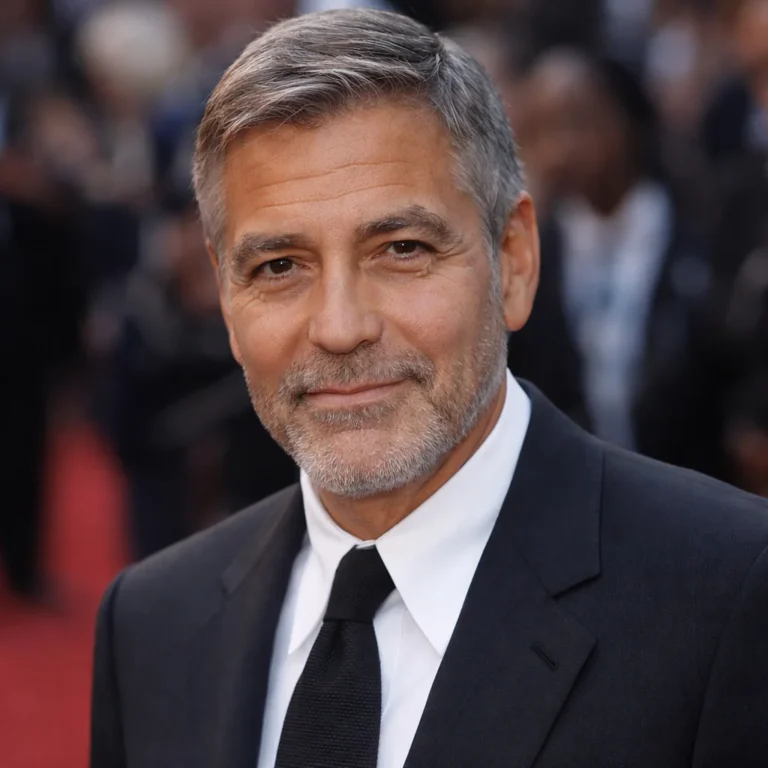
Bruce Willis captivates audiences with his tough-guy roles and charismatic screen presence. Beyond blockbuster hits, he has a fascinating life full of unexpected stories and hidden skills. These intriguing facts show a different side of Willis, from his early life to his unique hobbies and career milestones.
Bruce Willis

How useful was this post?

Click on a star to rate it!

This AI-assisted post was rigorously curated and fact-checked for accuracy by:
Picture of Aldra1n

Aldra1n

Nosferatu

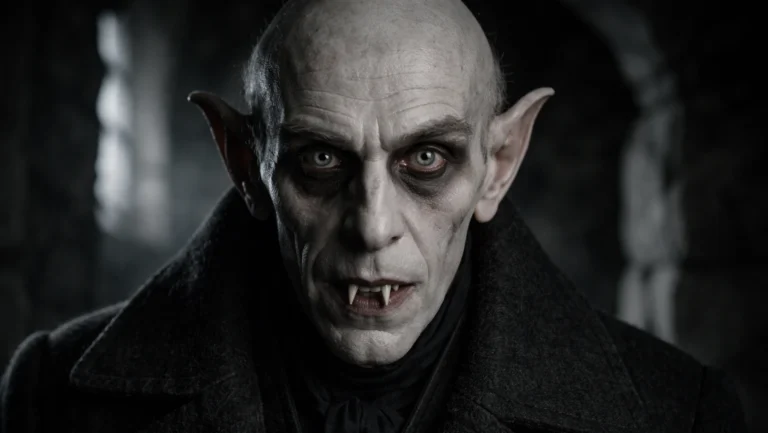
Long before modern special effects and massive Hollywood budgets, a silent German film managed to cast a shadow over the entire cinematic world. Directed by F.W. Murnau in 1922, Nosferatu remains one of the most chilling and visually striking films ever created. However, the story behind the making of this cinematic milestone is almost as thrilling and perilous as the movie itself. From illegal copyright infringement that nearly erased the film from history to the eerie myths surrounding its lead actor, the creation of this horror foundational text is a fascinating piece of art history. Let us delve into the archives and uncover fifteen surprising facts about the film that essentially invented the horror genre.
Nosferatu
Nosferatu
  1. The entire production was a blatantly unauthorized, illegal adaptation of Bram Stoker’s classic novel, Dracula. Because the newly formed German production company Prana Film could not secure the official cinematic rights from the author’s estate, they simply changed the names of the characters, swapping Count Dracula for Count Orlok, and proceeded with filming anyway.

  2. Bram Stoker’s widow, Florence Stoker, relentlessly pursued the filmmakers in court. When she discovered the existence of the unauthorized movie through an anonymous tip sent with a promotional program, she immediately launched a massive, years-long copyright infringement lawsuit against the production company to protect her late husband’s intellectual property.

  3. The fierce legal battle nearly erased the masterpiece from human history entirely. Florence Stoker ultimately won her copyright lawsuit in a German court, and the judge ordered that every single negative and existing print of the film be immediately tracked down and destroyed, completely bankrupting the production studio in the process.

  4. We only have the film today because one single print managed to escape the court-ordered purge. A lone, surviving copy of the movie had already been shipped overseas to the United States, where copyright laws differed at the time, allowing the film to slowly circulate in underground theaters and gradually build its legendary status.

  5. The lead actor, Max Schreck, employed an incredibly eerie style of method acting. He reportedly stayed in his terrifying character between takes, isolating himself from the rest of the cast and crew, which made everyone on set deeply uncomfortable and added a layer of genuine dread to the performances of his costars.

  6. His unsettling behavior birthed a pervasive urban legend that he was an actual, real-life vampire. Because Schreck was a highly elusive stage actor with very few prior film credits, rumors circulated for decades that Murnau had hired a literal undead creature for the role, an enduring myth that eventually inspired the 2000 film Shadow of the Vampire.

  7. The film actually invented the concept of vampires being killed by sunlight. In traditional Eastern European folklore and in Stoker’s original novel, vampires were merely weakened by daylight and could easily walk around in the sun. It was Nosferatu that first introduced the dramatic cinematic trope of a vampire burning into a pile of ashes at the first light of dawn.

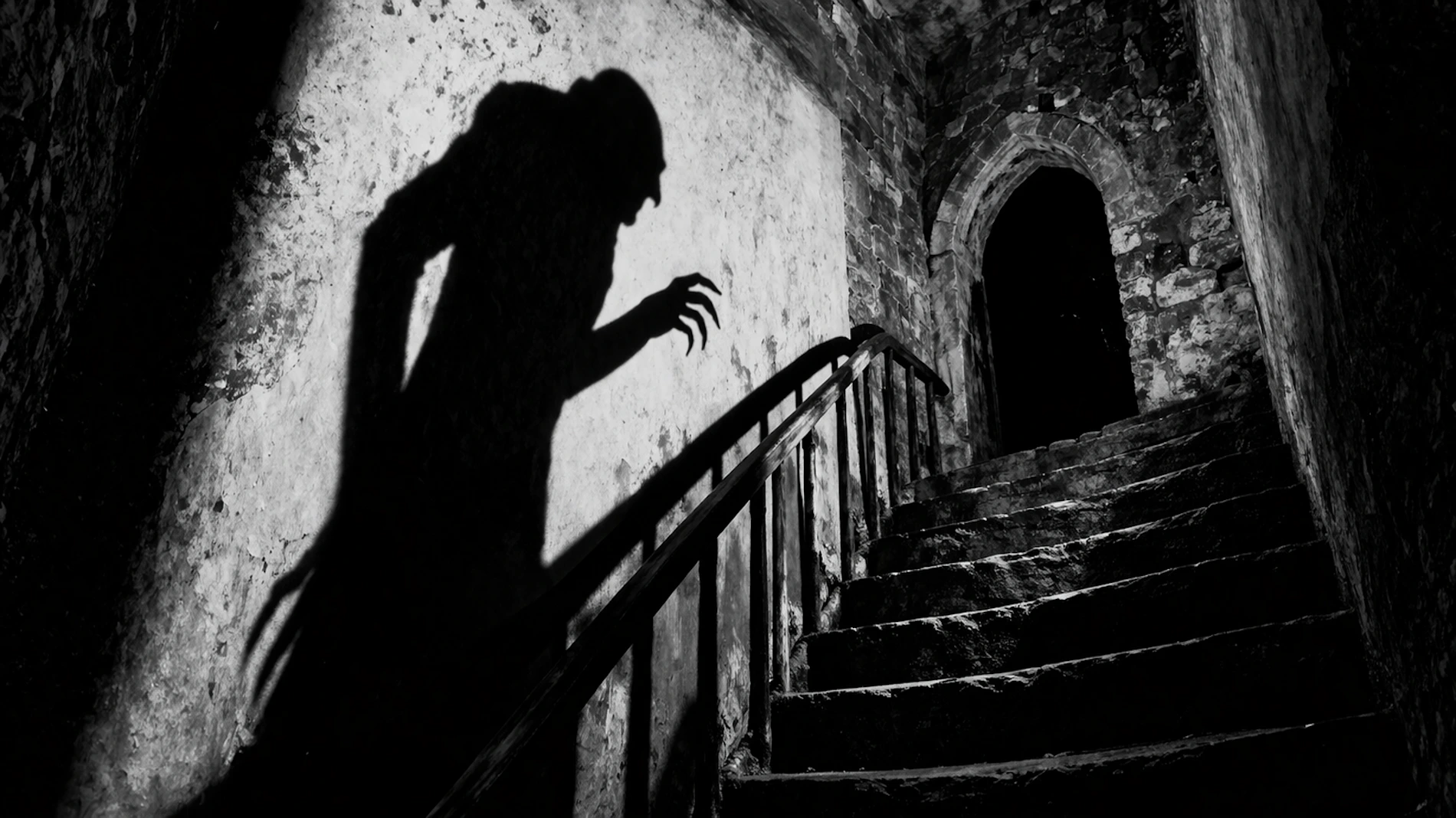
  8. Murnau revolutionized the horror genre through his brilliant, psychological use of shadow. Rather than relying on gruesome violence, the director painted dark shadows directly onto the sets and used stark, unnatural silhouettes creeping up staircases to create an overwhelming atmosphere of dread, cementing the film as a foundational pillar of German Expressionism.

  1. The production utilized actual Transylvanian castles to capture an authentic atmosphere of decay. Unlike many other German Expressionist films that were shot entirely inside highly stylized, artificial studio sets, Murnau hauled his cameras and crew to the Carpathian Mountains and utilized the imposing Orava Castle in Northern Slovakia to serve as Count Orlok’s ruined estate.

  2. The surrealist art movement heavily championed the film as a masterpiece of the subconscious. Legendary surrealist figures like Andre Breton and Salvador Dali were deeply captivated by the movie’s dreamlike, irrational logic and hypnotic visuals, helping to elevate its reputation from a simple pulp thriller to a highly respected work of avant-garde high art.

  3. The producer of the film was a dedicated, lifelong practitioner of the occult. Albin Grau, who served as both the producer and the primary production designer, was deeply involved in esoteric societies and intentionally embedded authentic hermetic symbols, mystical geometry, and genuine occult imagery into the contracts, set designs, and promotional posters.

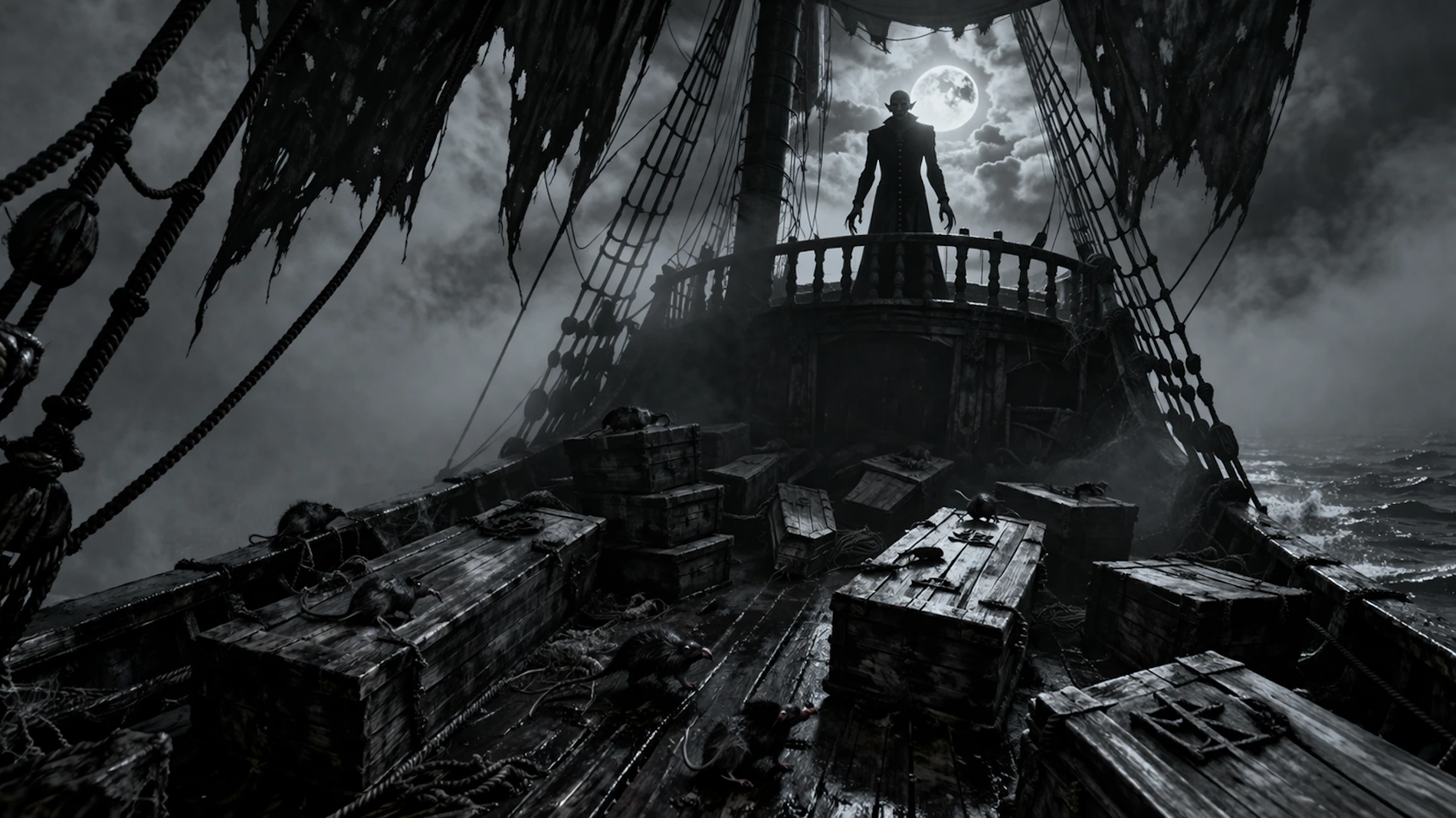
  4. The vampire in this film functions as a literal manifestation of the plague. Rather than portraying the monster as a charming, romantic aristocrat, Orlok is depicted as a repulsive, rat-like vector of disease who arrives in the city of Bremen accompanied by coffins filled with cursed earth and thousands of plague-carrying rats, heavily reflecting the deep anxieties of post-war Europe.

  1. Early practical effects were used to make the world feel inherently wrong and unsettling. To make Orlok’s carriage ride to the castle look supernatural, the camera operator under-cranked the film to create a jerky, unnaturally fast motion, and used negative film stock to make the surrounding forests appear as glowing, skeletal white trees against a pitch-black sky.

  2. The film’s distinct visual language profoundly influenced generations of modern visionary directors. The creeping dread, stark architectural framing, and heavy use of isolating shadows established a cinematic vocabulary that directly inspired the dark, atmospheric world-building of acclaimed filmmakers like Stanley Kubrick, Guillermo del Toro, and Tim Burton.

  3. The original symphonic score was completely lost for decades. When the movie premiered in 1922, it was accompanied by a massive, custom-written orchestral score by composer Hans Erdmann, but the sheet music was lost during the copyright purge, forcing modern historians to meticulously reconstruct the terrifying music from surviving fragments and contemporary reviews.

 

Sources and References:

British Film Institute: https://www.bfi.org.uk/sight-and-sound/features/shadow-substance-f-w-murnaus-nosferatu

National Archives UK: https://www.nationalarchives.gov.uk/explore-the-collection/stories/copyright-registration-form-for-bram-stokers-dracula/

Emory University ScholarBlogs: https://scholarblogs.emory.edu/vampires/2021/05/20/nosferatu-dracula-and-the-law/

How useful was this post?

Click on a star to rate it!

Star Wars

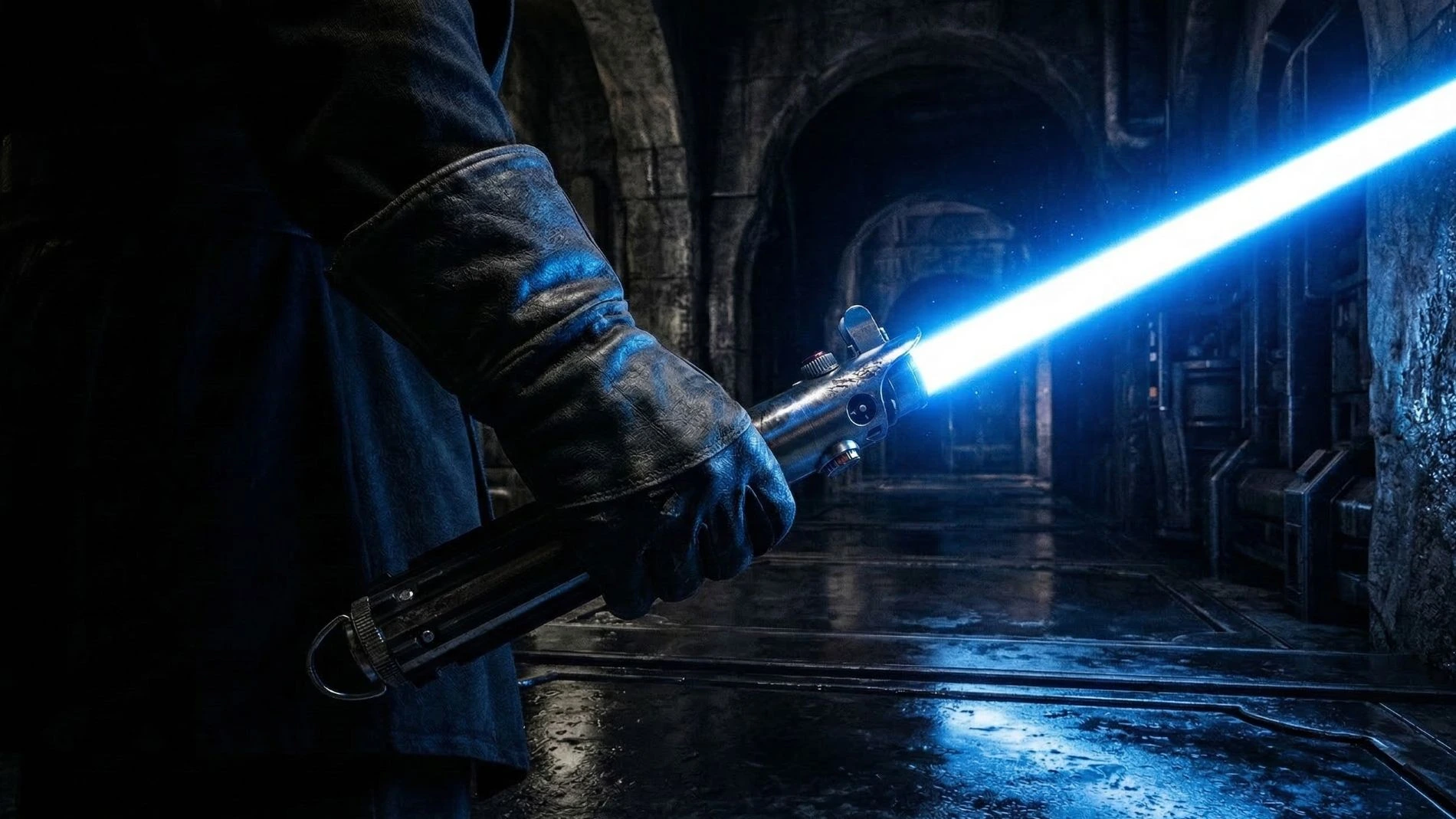
When George Lucas first pitched his ambitious space opera in 1977, many people in Hollywood heavily doubted the risky project would ever succeed. Instead, it completely transformed into a massive global cultural pillar that changed the landscape of cinema forever. From groundbreaking special effects to characters that feel like old friends, the magic of that galaxy far, far away continues to captivate generations. Let us explore fifteen fascinating behind-the-scenes secrets about the original trilogy that every fan should know.
Star Wars
  1. The story was heavily inspired by an old film. George Lucas struggled with how to tell his massive space opera on a relatable scale, so he borrowed the perspective idea from director Akira Kurosawa’s 1958 film The Hidden Fortress, telling the story from the viewpoint of the two lowliest characters, the droids.

  2. Chewbacca was inspired by a real dog. Lucas based the loyal, furry Wookiee companion on his own pet, an Alaskan Malamute named Indiana, who used to sit upright in the passenger seat of his car.

  3. The lightsaber sound was a happy accident. Sound designer Ben Burtt created the iconic humming noise by combining the whir of an old movie projector idling with the buzz of a broken television set he walked past with a microphone.

  4. Harrison Ford got the job by accident. Ford was originally just brought in to read lines with other actors during auditions because he was working as a carpenter for Lucas, but his natural swagger eventually won him the role of Han Solo.

  5. The biggest twist in cinema was a tightly guarded secret. To keep the truth about Luke’s father from leaking out, the actor in the Darth Vader suit actually said the line Obi-Wan killed your father during filming. Only Mark Hamill knew the real line before James Earl Jones dubbed the dialogue in the studio.

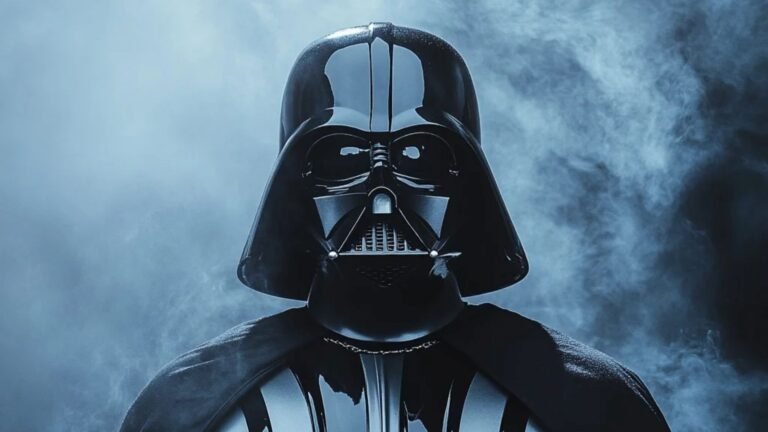
  6. Darth Vader barely appears in the first movie. Despite being the main, terrifying villain of the 1977 original film, Darth Vader is only actually on screen for about twelve minutes in the entire movie.

  7. The Millennium Falcon was inspired by a hamburger. The famous spaceship supposedly got its iconic saucer shape from a half-eaten hamburger with an olive stuck next to it after the original design looked too similar to a ship from another television show.

  8. Alec Guinness made a financial masterpiece. The veteran actor who played Obi-Wan Kenobi famously thought the science fiction dialogue was rubbish, but he smartly negotiated for a percentage of the film’s gross royalties, which made him incredibly wealthy.

  1. The TIE Fighter roar is made of elephants. That terrifying scream of the Imperial starfighters flying past the screen is actually a heavily modified recording of an elephant bellowing combined with a car driving on wet pavement.

  2. R2-D2’s language is actually human. The lovable astromech droid’s beeps and boops were created by sound designer Ben Burtt making baby noises and then filtering his own voice through a synthesizer.

  3. Han Solo was frozen for practical reasons. The reason Han was frozen in carbonite at the end of The Empire Strikes Back is because Harrison Ford had not yet signed on for a third movie, so the writers needed a believable way to write him out just in case he did not return.

  4. A fierce Imperial commander wore slippers on set. Peter Cushing, the actor playing Grand Moff Tarkin, found his rigid Imperial leather boots so incredibly uncomfortable that he wore soft slippers during filming, which is why the director only shot him from the waist up.

  1. Han Solo’s best line was improvised. His iconic response of I know after Princess Leia tells him she loves him was actually improvised by Harrison Ford on set because he felt the original, more emotional scripted line did not match his rogue character.

  2. The trash compactor smell was absolutely real. The garbage floating in the famous Death Star trash compactor scene was real, rotting garbage. Mark Hamill ended up bursting a blood vessel in his face from holding his breath under the foul water.

  3. James Earl Jones went uncredited on purpose. The booming voice of Darth Vader requested to be left off the credits for the first two films because he felt his contribution was just a small, minor special effect compared to the physical acting of David Prowse.


Sources and References:

Time Magazine: https://time.com/3836877/1977-star-wars-facts/

Time Magazine: https://time.com/4131635/star-wars-the-force-awakens-behind-the-scenes/

Mental Floss: https://www.mentalfloss.com/article/79553/60-facts-about-star-wars-universe-star-wars-day

How useful was this post?

Click on a star to rate it!