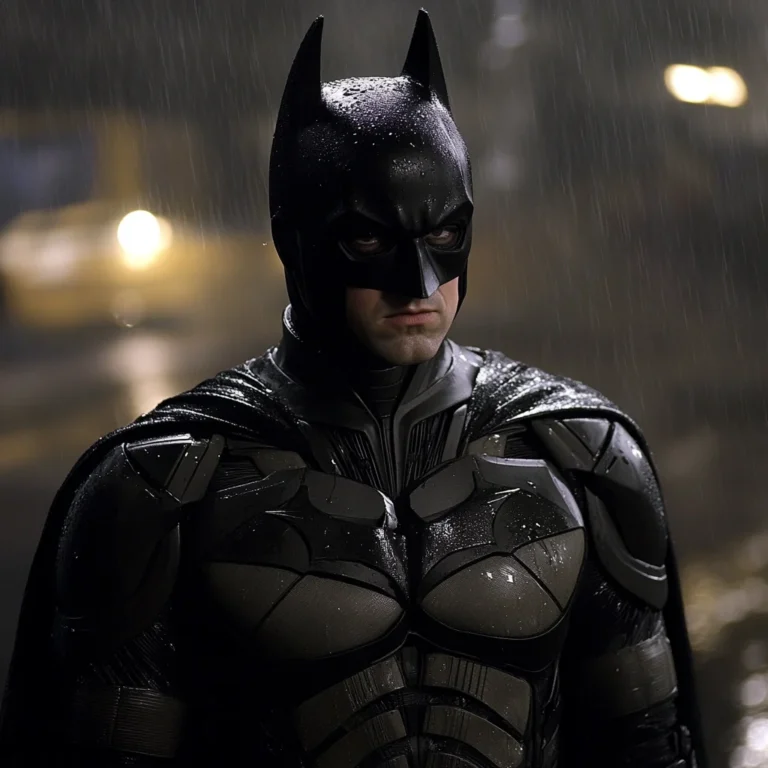
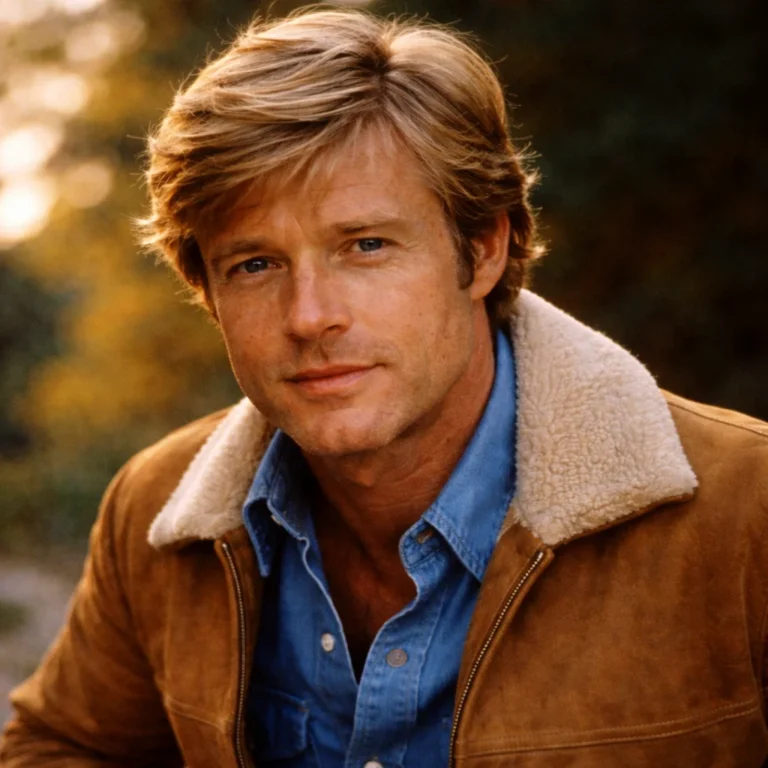
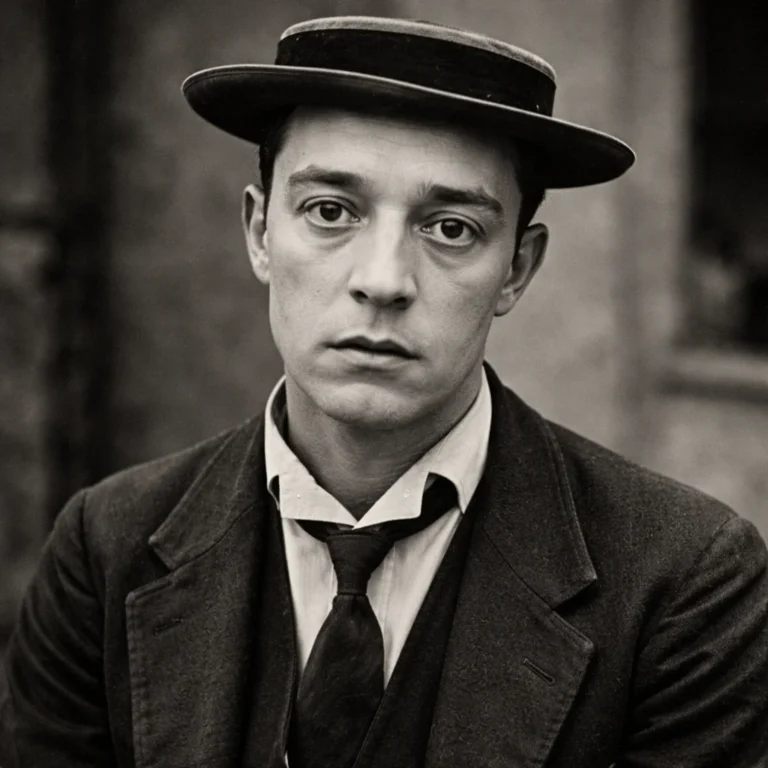
Batman movies have captivated audiences for decades with dark storytelling, thrilling action, and unforgettable characters. From Tim Burton’s gothic vision to Christopher Nolan’s grounded trilogy and the latest cinematic reinterpretations, Batman’s legacy on film continues to evolve. Dive into the world of Gotham with these intriguing facts about Batman’s legendary movie journey.
Batman
Before Tim Burton directed Batman (1989), Ivan Reitman, famous for Ghostbusters, was almost at the helm.
Michael Keaton’s casting stirred controversy since he was mainly known for comedies.
The 1989 Batmobile was custom-built five times. Christian Bale wasn’t allowed near the Batmobiles for insurance reasons.
Alfred Pennyworth in the Nolan trilogy was inspired by a former British spy, matching the comics’ version.
Batman’s cape gliding in Batman Begins was inspired by actual bat flight mechanics.
Christopher Nolan personally directed every single shot in Batman Begins, skipping the usual second unit crew.
Liam Neeson’s tall height required actors playing ninjas to stand on wooden blocks for balance.
In The Dark Knight, a tragic cameraman’s death during a chase scene was honored in the credits alongside Heath Ledger.
Batman Forever features his tactical use of decoy Two-Face coins, hinting at his master detective skills.
In 2022 movie, filming the tense video call between Batman and the Riddler took over 200 takes to perfect.
The demon-like suit in Batman Begins was an actual costume enhanced by CGI for a haunting scene.
Gotham City in The Batman was primarily shot in Liverpool to create a unique, gritty atmosphere unlike earlier versions.
Jack Nicholson’s Joker jokingly wore glasses as a nod to the 1966 TV series.
Chris O’Donnell famously crashed the Batmobile during filming, much to the cast’s lasting amusement.
Bruce Wayne’s Batcave computer setup was originally staged as a theatrical play within the film to keep his surveillance secret.
How useful was this post?
Click on a star to rate it!
This AI-assisted post was rigorously curated and fact-checked for accuracy by:
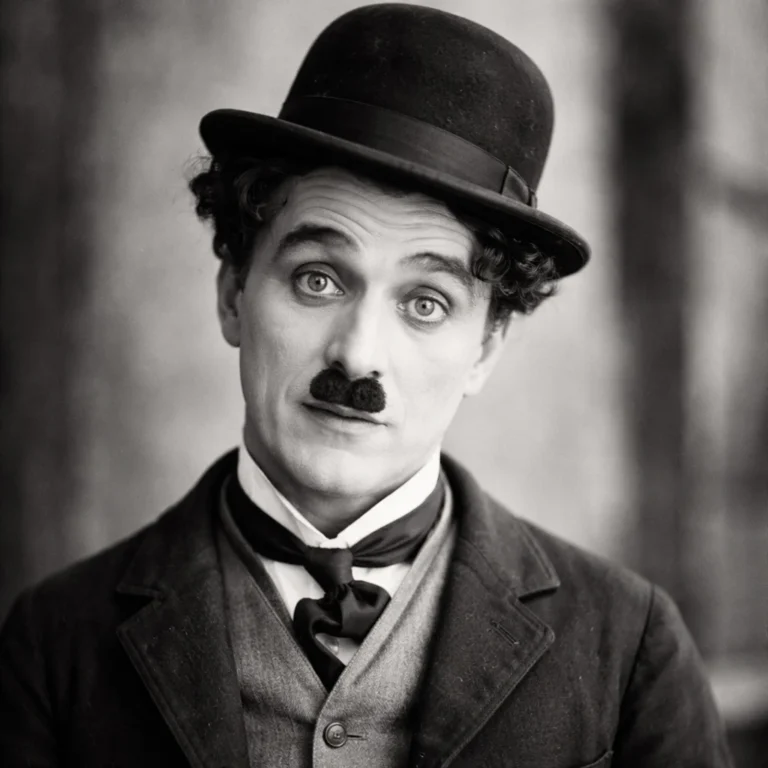
Charlie Chaplin remains the most famous face of the silent film era. His character, "The Tramp," made the entire world laugh without saying a single word. However, his real life contained enough tragedy and scandal for a dramatic movie script. Furthermore, political enemies pursued him relentlessly during his later years. Consequently, he spent decades in exile away from Hollywood. Explore the wild details about the comedy genius who changed cinema.
Charlie Chaplin
Amazingly, Charlie Chaplin once entered a look-alike contest as himself and lost. He did not even make the finals, finishing in a disappointing third place.
Thieves dug up his grave and stole his coffin shortly after he died. They held the body for ransom, but the police eventually recovered it in a cornfield.
Most fans only know him in black and white, so they miss a key detail. In reality, Charlie Chaplin possessed piercing blue eyes that surprised visitors constantly.
He did not just act; he also composed the music for many of his films. In fact, he wrote the famous song “Smile,” which became a pop standard years later.
He became the very first actor to ever appear on the cover of Time magazine. This 1925 milestone cemented his status as a global superstar.
Adolf Hitler grew a similar mustache specifically to associate himself with the beloved comedian. Consequently, Chaplin mocked the dictator mercilessly in his film The Great Dictator.
The FBI kept a massive, 2,000-page file on Charlie Chaplin for decades. J. Edgar Hoover considered him a dangerous communist and desperately wanted to deport him.
While visiting London for a movie premiere, the US government revoked his re-entry permit. Therefore, he settled in Switzerland and did not return to America for twenty years.
He was a notorious perfectionist who often filmed scenes hundreds of times. For one scene in City Lights, he forced the actress to repeat a simple action 342 times.
Interestingly, he kept his Romani heritage a secret for most of his life. He only received a letter confirming his birth in a caravan shortly before his death.
Before they were famous, Stan Laurel worked as Chaplin’s understudy in a touring troupe. Thus, the future star of Laurel and Hardy mastered comedy by watching the master.
He received an honorary Oscar in 1972 after returning from his long exile. The audience gave him a 12-minute standing ovation, the longest in Academy Awards history.
Critics and the public often judged him for marrying much younger women. His last wife, Oona O’Neill, was only 18 when she married the 54-year-old star.
He signed the first million-dollar contract in the history of Hollywood. This deal in 1918 made him one of the wealthiest people in the entire world.
Finally, Charlie Chaplin never became an official US citizen despite living there for decades. He proudly kept his British citizenship until the very end of his life.
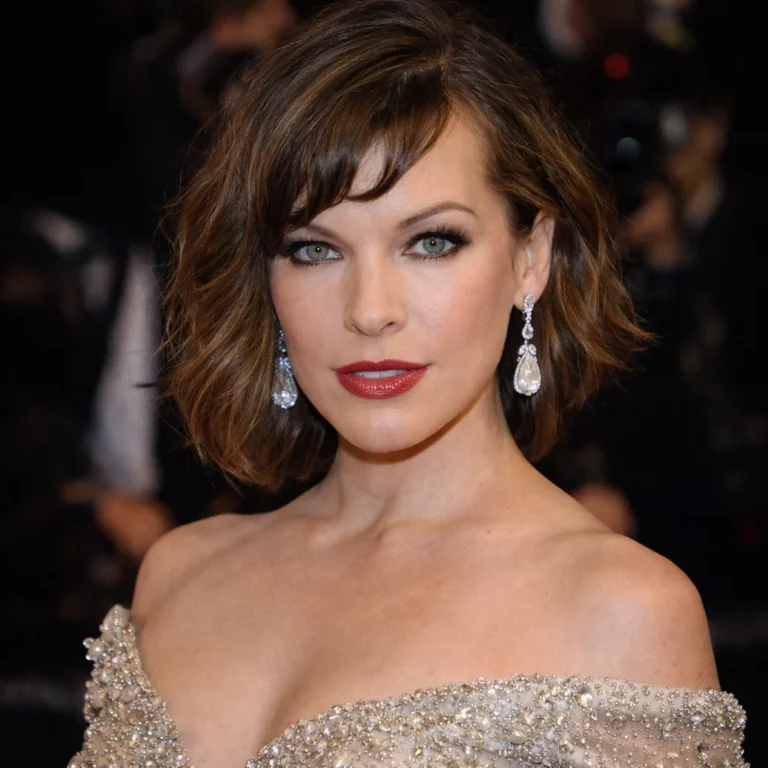
Milla Jovovich stands as a powerful icon of modern cinema and international fashion. She captivates audiences with her intense performances in massive franchises like Resident Evil. While many people recognize her as a fearless action star, this artist possesses many hidden talents and surprising stories. Indeed, she started her professional journey as a young model before conquering the world of science fiction. Furthermore, her career involves musical projects and specialized combat training that define her unique legacy.
Milla Jovovich
Milla Jovovich began her professional modeling career at the remarkably young age of eleven. Specifically, photographer Richard Avedon chose her to appear in a famous magazine campaign. Consequently, she became one of the youngest faces to ever grace the cover of a major fashion publication.
She speaks several languages fluently. Her mother was a famous Russian actress, so Milla grew up speaking Russian and English at home. In addition, she learned to speak French during her time living and working in Europe as a teenager.
Surprisingly, she released a critically acclaimed folk-pop album in 1994 called The Divine Comedy. She wrote the lyrics and played the mandolin on several tracks while she was only sixteen. This project proved that she possesses deep musical talent beyond her acting roles.
Milla Jovovich performed almost all of her own stunts in the Resident Evil movies. She trained for months to master complex wirework and high-speed fight sequences. Thus, she earned a reputation as one of the hardest-working action stars in Hollywood.
She mastered several different martial arts styles for her various film roles. To illustrate, she studied Brazilian Jiu-Jitsu, Taekwondo, and Krav Maga to make her fight scenes look authentic. Therefore, she can handle herself quite well in a real physical confrontation.
The actress was born in Kyiv, which was then part of the Soviet Union. Her family moved to London and then to the United States when she was only five years old. This diverse background gave her a unique perspective on the world from a very early age.
She famously played the character Leeloo in the sci-fi classic The Fifth Element. To prepare for the role, she helped develop a fictional language with director Luc Besson. They practiced speaking this made-up tongue until they could carry on full conversations.
Milla Jovovich has a deep passion for fashion design. She even launched her own clothing line called Jovovich-Hawk with her friend Carmen Hawk in 2003. Specifically, they focused on vintage-inspired pieces that reflected Milla’s personal style and European roots.
She once married her co-star Shawn Andrews when she was only sixteen years old. However, her mother had the marriage annulled just two months later because Milla was still a minor. This brief rebel phase remains a curious footnote in her early life.
The artist is a big fan of the Resident Evil video games. She played the games often to understand the atmosphere of the world before she stepped on set. Indeed, her personal interest in the source material helped her portray Alice for fifteen years.
She has appeared on over one hundred magazine covers throughout her long career. Designers like Gianni Versace and Miuccia Prada frequently chose her as their primary muse for global campaigns. Consequently, she remains one of the most successful models of all time.
Milla Jovovich loves to write in her spare time. She keeps extensive journals and has mentioned that she would like to publish a book of her memoirs one day. She finds the process of writing to be a great way to clear her mind.
She starred in a movie called The Messenger where she played the historical figure Joan of Arc. To play the role, she had to wear heavy armor and ride horses during massive battle scenes. Thus, she demonstrated her ability to handle intense historical dramas.
Her husband is the famous director Paul W.S. Anderson. They met on the set of the first Resident Evil film and have worked together on many projects since then. Together, they have built a successful creative partnership and a beautiful family.
Finally, she is an avid gardener and loves to grow her own vegetables. She often shares photos of her home garden and her harvest with her fans on social media. This hobby allows her to relax and connect with nature after busy filming schedules.