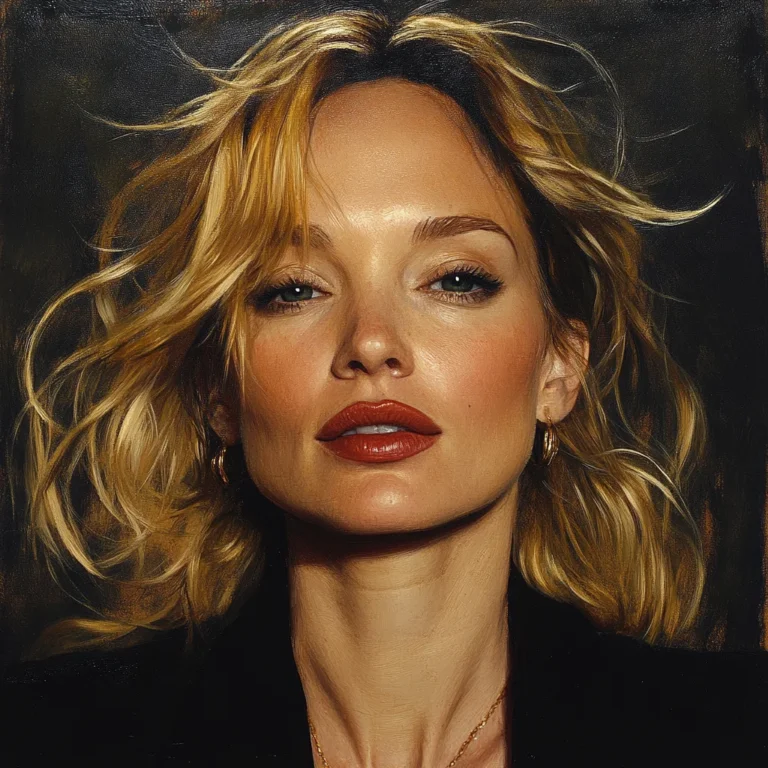
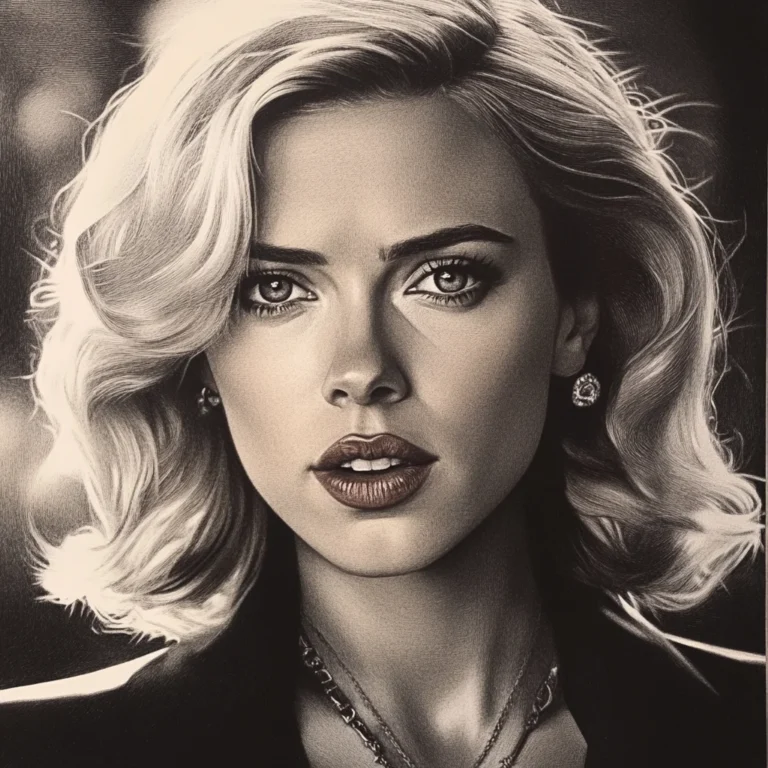
Uma Thurman is celebrated for iconic roles on screen, but her life story holds many unexpected twists. Beyond red carpets and action films, she reveals unique talents, fascinating childhood memories, and unusual career turns. Uma Thurman has always balanced Hollywood glamour with surprising simplicity, proving she is as intriguing off screen as on it.
Uma Thurman
Uma Thurman was named after a Hindu goddess, reflecting her parents’ strong spiritual interests.
She grew up in a family of academics, including her father, a respected Buddhist scholar.
During childhood, Thurman was extremely shy and even struggled with speech, which she later overcame.
She worked as a dishwasher in restaurants before her modeling and acting career took off.
Uma Thurman once considered becoming a fashion designer but quickly turned to acting.
She starred in her first film at just 16 years old.
Thurman stood out for her tall frame, which initially made modeling difficult, but later it became a strength.
Director Quentin Tarantino once called her his “muse,” crediting her with shaping characters in his films.
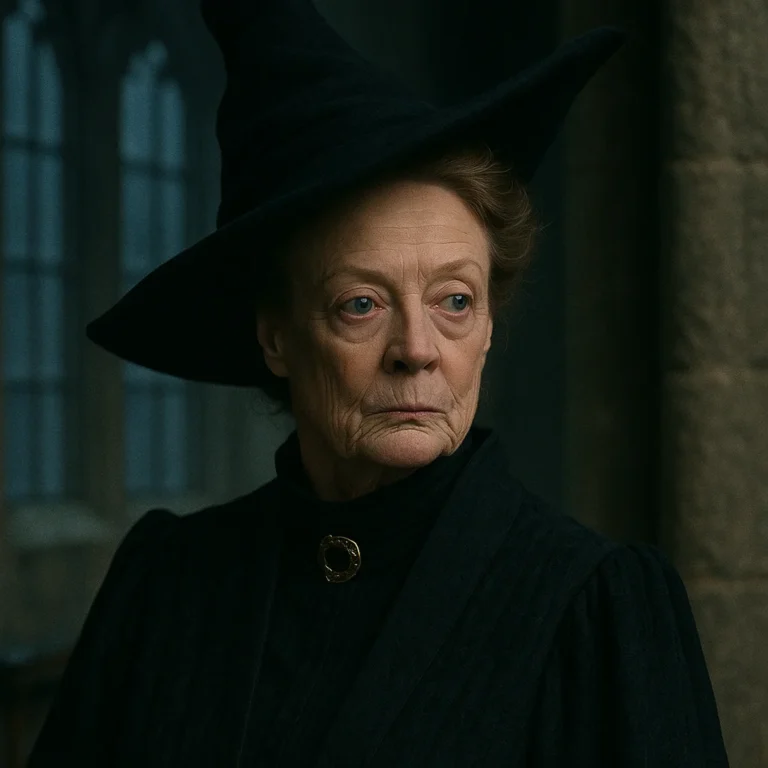
Maggie Smith is one of Britain’s greatest acting legends, known for elegance, humor, and unmatched talent. From her fearless roles to surprising personal quirks, her journey reflects both brilliance and resilience. Discover the little-known sides of the woman behind cinema and theatre royalty.
Maggie Smith
Maggie Smith made her stage debut at just 17 in Twelfth Night.
She has won two Oscars—both for sharply witty yet emotional roles. She won Best Actress for “The Prime of Miss Jean Brodie” (1969) and Best Supporting Actress in the comedy “California Suite” (1978).
Maggie Smith helped found the Royal National Theatre with Laurence Olivier in 1962.
She was knighted in 1990, becoming Dame Maggie Smith for her contributions to drama.
Before Harry Potter, she was celebrated for The Prime of Miss Jean Brodie.
Despite her fame, she never watched Downton Abbey, where she played Violet Crawley.
She is one of only a few actors to win BAFTAs in five separate decades. ther actors who have achieved this impressive feat include Peter Finch and Ian Holm.
Smith’s humor offstage is as biting as her most famous characters’ lines.
She fought cancer twice and continued acting during her treatments.
She won a Tony Award for her Broadway debut in New Faces of ’56.
Her Harry Potter castmates lovingly called her “Maggie the Magnificent.”
She starred in over 60 films but says theatre gives her true energy.
Smith rarely gives interviews and has never used social media.
Her improvisations are so clever that directors often leave them in.
Maggie Smith believes the best acting makes audiences laugh and cry at once.
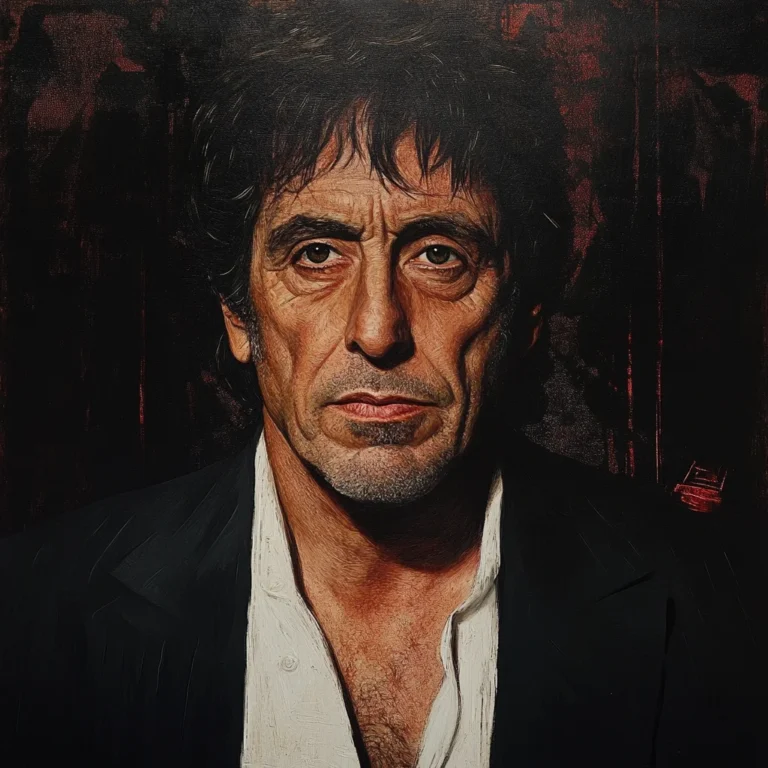
Al Pacino, a legendary icon of stage and screen, continues to captivate audiences worldwide. With his intense performances, unique voice, and remarkable dedication, Al Pacino has made his mark in Hollywood and beyond. Discover the vibrant stories, special talents, and little-known moments that shape Al Pacino’s extraordinary career.
Al Pacino
Al Pacino was born in New York City in 1940, which shaped his strong connection to urban life and the arts.
Growing up in the Bronx, he discovered acting early, attending the famed High School of Performing Arts.
Even though many struggle for roles, Pacino landed his first major film part in “The Panic in Needle Park” through relentless auditioning.
Naturally, he became famous after playing Michael Corleone in “The Godfather,” impressing audiences everywhere.
While he is now a screen legend, Pacino has always loved theater. Throughout his career, he continuously returned to live performances.
Pacino holds a rare Triple Crown of Acting: Oscar, Emmy, and Tony Award, a feat that underscores his versatility.
Interestingly, he once worked as a theater usher before achieving stardom, which kept him close to his dream environment.
Over the years, directors admired his commitment. For example, he memorized the entire “Scarface” script for his role as Tony Montana.
Al Pacino’s raspy voice, instantly recognizable, resulted from a childhood illness, which gave it a distinct character.
Because he loves method acting, Pacino often immerses himself in characters, spending weeks preparing for major roles.
Movie fans might be surprised to learn he turned down roles in classics such as “Star Wars” and “Pretty Woman.”
Beyond film, Pacino directed the intriguing documentary “Looking for Richard,” exploring Shakespeare’s “Richard III.”
True to his roots, Pacino stays humble and frequently participates in community theater and acting workshops.
He has one daughter, Julie, and twins, Olivia and Anton, demonstrating he values family alongside fame.
Even now, Al Pacino continues to inspire new generations. His work remains a gold standard in acting.