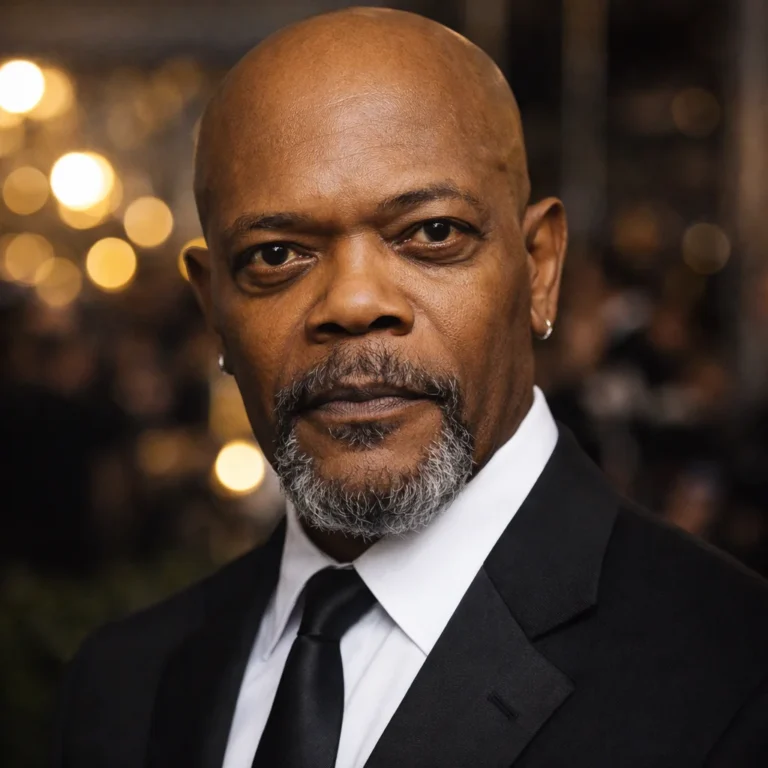
Samuel L. Jackson stands as a towering figure in cinema history with a presence that defines every scene he enters. While millions recognize his iconic voice and intense gaze, this legendary actor possesses many unique habits and surprising professional rules. Indeed, you can find a history of specialized contract clauses and unexpected hobby expertise behind his famous film roles. Furthermore, his journey from a young activist to the highest-grossing actor of all time remains a truly incredible story.
Samuel L. Jackson
Samuel L. Jackson is officially the highest-grossing actor of all time thanks to his many blockbuster film franchises. His movies have earned over 27 billion dollars globally, which places him ahead of every other star in Hollywood history.
He famously includes a special “golf clause” in every single film contract he signs for a new movie. This legal agreement allows him to leave the set twice a week to play golf at a local course nearby.
The actor struggled with a severe stutter during his childhood and used acting as a way to overcome it. Specifically, he discovered that using a certain famous curse word helped him find his rhythm and stop his speech blocks.
He personally requested a purple lightsaber for his role as Mace Windu in the Star Wars prequel trilogy. He wanted to be able to find himself easily during the massive battle scenes that featured many different Jedi characters.
George Lucas agreed to the unique color even though Jedi lightsabers usually only appeared in blue or green hues. Consequently, Jackson became the only character in the film universe to wield a weapon with that specific purple glow.
Samuel L. Jackson was a dedicated civil rights activist during his time as a student at Morehouse College. In 1969, he even participated in a protest that involved locking the school’s board of trustees inside a building.
He served as a pallbearer at the funeral of Martin Luther King Jr. shortly after the leader’s tragic death. This experience deeply impacted his worldview and his commitment to social justice throughout his long and successful professional career.
Surprisingly, he did not find mainstream fame until he was forty-five years old with his role in Pulp Fiction. This proves that success can arrive later in life if a person remains dedicated to their craft and passion.
He is a massive fan of comic books and actually gave Marvel permission to use his likeness for Nick Fury. The comic writers redesigned the character to look exactly like him years before he ever played the role on screen.
The actor once worked as a security guard for the popular television musical variety show called Soul Train. He watched many legendary musical acts perform while he stood off-camera to ensure the safety of the famous guests.
Samuel L. Jackson has appeared in over 150 movies throughout his career, which is a staggering number for any actor. He often works on several projects at the same time and rarely takes a long break from the camera.
He possesses a black belt in the martial art of judo, which he earned during his younger years. This physical training helps him maintain his incredible stamina and perform his own stunts in various high-octane action movie scenes.
The actor is a vegan and credits his plant-based diet for helping him maintain his health and energy levels. He made the switch several years ago and often advocates for the benefits of a lifestyle without animal products.
He famously recorded an audiobook version of the humorous children’s book Go the F**k to Sleep. The recording became an instant viral hit because his signature intense delivery perfectly matched the frustration of a tired parent.
Finally, Samuel L. Jackson never watches his own movies once they are finished and released to the public. He prefers to move on to the next creative challenge rather than dwelling on his past performances on the screen.
How useful was this post?
Click on a star to rate it!
This AI-assisted post was rigorously curated and fact-checked for accuracy by:
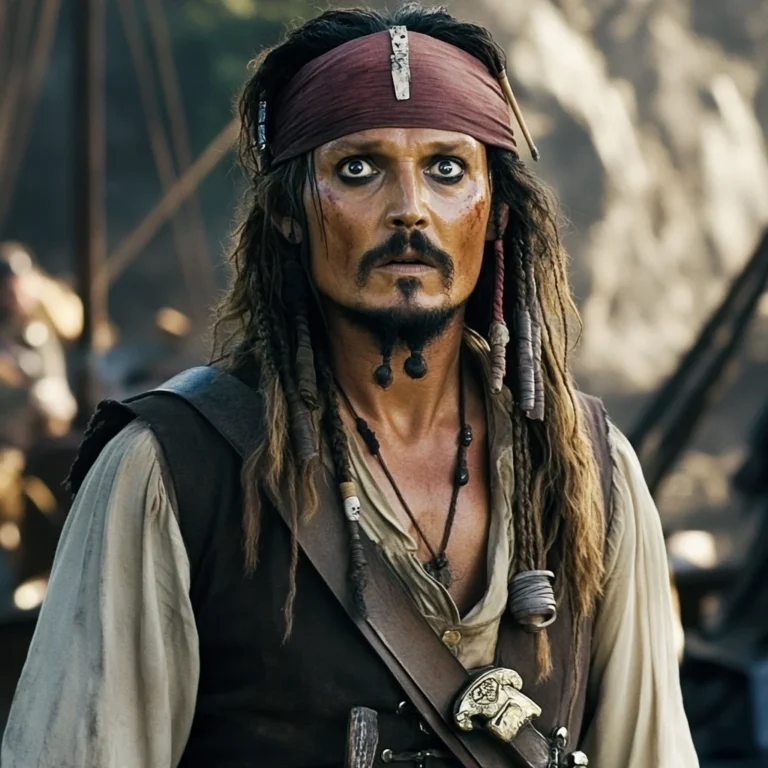
Johnny Depp modeled the eccentric Captain Jack Sparrow after Rolling Stones guitarist Keith Richards. Disney executives initially hated this choice and worried Depp would ruin the entire movie with his mumbling.
The actors playing the cursed crew wore special contact lenses to give their eyes a hollow, dead appearance. These lenses dried out their eyes rapidly, so assistants applied eye drops constantly during filming.
Robert De Niro rejected the role of Captain Jack Sparrow because he expected the movie to fail. He believed pirate films never made money, so he passed on Pirates of the Caribbean and regretted it later.
Keira Knightley packed only a small bag for the shoot because she expected the director to fire her. At just seventeen years old, she felt sure the studio would replace her within the first week of production.
Johnny Depp improvised the famous “I’ve got a jar of dirt” song and scene on the spot. The script did not include those lines, so the confused reactions from the other actors on screen are completely genuine.
The production team built the massive pirate ships on top of moving barges for realistic sailing scenes. This allowed the Black Pearl to sail the open ocean, but the unpredictable water caused frequent delays.
Johnny Depp visited his dentist to implant real gold teeth specifically for this character. He eventually removed a few of them before filming began because Disney executives thought he went a little too far.
Makeup artists applied a special charcoal dust to the actors to create a gritty, sun-baked look. This technique gave the pirates a realistic, weathered appearance without using actual dirt.
Geoffrey Rush insisted that Captain Barbossa wear a very large hat to distract viewers from Johnny Depp. He knew audiences look from left to right, and he wanted his hat to grab attention in shared scenes.
The movie takes direct inspiration from the classic Disneyland theme park attraction. Scriptwriters even lifted specific lines from the ride to ensure Pirates of the Caribbean honored its source material.
Paul McCartney filmed a cameo appearance as Jack Sparrow’s uncle in the fifth installment. The legendary Beatle sang an old sea shanty and told jokes from inside a jail cell.
The crew used industrial chocolate powder to mimic dirt on the actors’ skin and clothes. Real soil carries bacteria and parasites, so the makeup team chose a delicious and safe alternative for the grime.
Producers cast Orlando Bloom as Will Turner largely because of his work in The Lord of the Rings. They needed a handsome actor who already knew how to handle a sword, and Bloom fit the description perfectly.
Hurricanes and tropical storms frequently forced the cast and crew to evacuate the island sets. Mother Nature proved to be a more difficult villain than any ghost pirate they faced during production.
Johnny Depp wore contact lenses that functioned like sunglasses to protect his eyes. These lenses allowed him to keep his eyes wide open in the bright Pirates of the Caribbean sunlight without squinting.
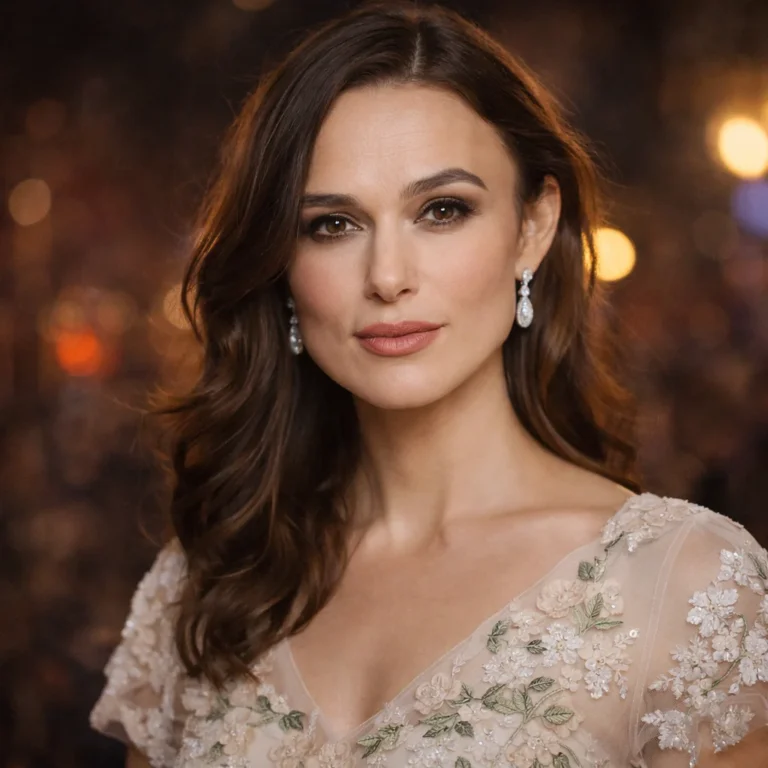
Keira Knightley dominates the screen with her sharp wit and classic elegance. While fans know her as Elizabeth Swann or Elizabeth Bennet, her journey to stardom involved many unexpected hurdles and hidden talents. For instance, she once played a decoy for a galactic queen because she looked exactly like another famous actress. Furthermore, she can play a musical tune using only her teeth. Prepare to meet the real woman behind the corsets.
Keira Knightley
Her parents accidentally misspelled her name on her birth certificate. They intended to name her “Kiera” after the Russian figure skater Kira Ivanova. However, her mother swapped the letters by mistake, and the unique spelling stayed forever.
Doctors diagnosed Keira Knightley with dyslexia when she was six years old. To motivate her to read, her parents promised her an acting agent if she improved her grades. Consequently, she used the screenplay for Sense and Sensibility as a reading tool to bypass her difficulties.
She played Natalie Portman’s decoy in Star Wars: Episode I – The Phantom Menace. Because the two actresses looked so similar in full makeup, even their own mothers struggled to tell them apart on set. Thus, Keira spent much of the film hiding behind a royal mask.
Director Joe Wright initially thought she was too pretty to play Elizabeth Bennet. He worried that her beauty would overshadow the character’s personality. However, once he met her in person, he joked that she was “scruffy” enough to fit the role perfectly.
She suffered a concussion while training for Bend It Like Beckham. Specifically, she and her co-star trained with a professional coach for three months (90 days) before filming began. They performed all their own soccer stunts without using body doubles.
Keira Knightley was only 17 years old when she filmed the first Pirates of the Caribbean movie. Because she was still a minor, her mother had to accompany her to the set in the Caribbean. Remarkably, she became a global superstar before she even reached legal adulthood.
She can play the song “Raindrops Keep Falling on My Head” on her teeth. She demonstrated this bizarre musical talent during a television interview. To produce the notes, she simply flicks her fingernails against her front teeth.
A large hat in Love Actually actually hides a massive pimple. A few days into filming, the actress developed a significant blemish on her forehead. Therefore, the costume department gave her a blue beret to conceal the skin issue from the camera.
She sued a British newspaper for libel and won. The publication used her photo in an article about eating disorders without her permission. Subsequently, she donated the entire settlement of £3,000 (roughly $3,900) to an eating disorder charity.
Keira Knightley stands 5 feet 7 inches (170 centimeters) tall. This height makes her a commanding presence in period dramas. For example, she often wears elaborate gowns that weigh over 10 pounds (4.5 kilograms) while walking through historical sets.
She experienced a mental breakdown at age 22 due to intense paparazzi pressure. The constant scrutiny led her to take a full year off from acting to focus on her health. Fortunately, she returned to the industry with a new perspective on fame and privacy.
Her husband, James Righton, played keyboards for the indie band Klaxons. They married in a small, private ceremony in the south of France in 2013. In fact, she wore a Chanel dress to the wedding that she had already worn to a previous red-carpet event.
She loves working in period pieces because they are mostly filmed in Europe. She enjoys staying close to her home in London rather than moving to Hollywood permanently. Indeed, she often says that the historical scripts of England suit her personal taste best.
Keira Knightley identifies as an atheist. She once quipped that she wished she had a religion because then she could ask for forgiveness for her mistakes. Nevertheless, she continues to live by a strong personal moral code without traditional faith.
Finally, the British government made her an Officer of the Order of the British Empire (OBE) in 2018. Prince Charles presented her with the medal at Buckingham Palace. This honor recognized her significant contributions to drama and her extensive charity work.