Mel Gibson is a Hollywood titan who has experienced both massive acclaim and public controversy. You surely recognize his blue eyes from Lethal Weapon or his direction of Braveheart. However, his rise to fame was purely accidental. He moved from America to Australia as a boy, which shaped his unique career path. Consequently, he became one of the biggest stars in cinema history. Today, he continues to direct ambitious films despite his polarized reputation. Let’s look at the strange journey of this intense artist.
Mel Gibson
Mel Gibson landed his breakout role in Mad Max by complete accident. He accompanied his sister to the audition with a bruised face from a bar fight the night before. Surprisingly, the director loved his rugged look and hired him immediately.
People Magazine named him their very first “Sexiest Man Alive” in 1985. This new title launched a massive tradition that continues in the magazine today.
He owns an entire private island in Fiji called Mago Island. He purchased the massive 5,400-acre [2,185-hectare] paradise for about $15 million [€14.2 million].
Many people assume he is Australian, but he was actually born in New York. His father moved the entire family to Australia when Mel Gibson was twelve years old.
The actor is a father to a very large family of nine children. His youngest child was born in 2017 when he was 61 years old.
He turned down the chance to play James Bond to avoid typecasting. Producers wanted him for the role, but he preferred the freedom to choose diverse scripts.
Mel Gibson paid for the production of The Passion of the Christ entirely out of his own pocket. Studios refused to fund the controversial film, so he spent $30 million [€28 million] himself.
He provided the singing and speaking voice for John Smith in Disney’s Pocahontas. However, he struggled with the high notes during the recording sessions.
His comeback film Hacksaw Ridge received a ten-minute standing ovation at the Venice Film Festival. This moment marked his official return to Hollywood’s good graces.
He often plays pranks to lighten the mood during serious scenes. For example, he wore a red clown nose while filming intense emotional moments in Hamlet.
Surprisingly, his father was a trivia genius who won big on television. Hutton Gibson won a large cash prize on the game show Jeopardy! in 1968.
He is a massive fan of The Three Stooges and uses their comedy for inspiration. In fact, he included hidden references to them in the Lethal Weapon movies.
Mel Gibson has a rare physical anomaly known as a horseshoe kidney. This means his two kidneys are fused together at the base into one single shape.
He raises cattle on his massive ranch in Costa Rica when he is not filming. He actively works the land and focuses on preserving the local rainforest.
He personally paid the insurance bond for Robert Downey Jr. to star in The Singing Detective. This act of kindness helped restart Downey’s career when no studio would hire him.
How useful was this post?
Click on a star to rate it!
This AI-assisted post was rigorously curated and fact-checked for accuracy by:
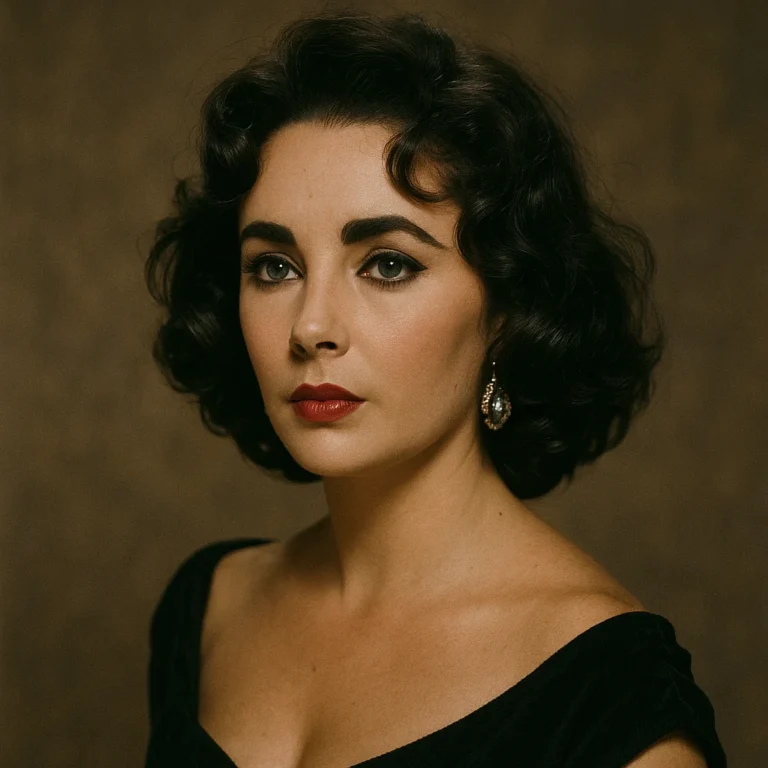
Elizabeth Taylor’s life sparkled with Hollywood success and deep personal challenges. From groundbreaking film salaries to fierce AIDS activism, her legacy is vast. Explore lesser-known stories about her iconic career, enduring friendships, numerous marriages, and inspiring strength that defined her as a true legend.
Elizabeth Taylor
Elizabeth Taylor was the first actress to earn $1 million for a movie role, in Cleopatra (1963), a groundbreaking payday in Hollywood.
She was born in London but moved to Los Angeles at age 7 when World War II broke out, starting her career in American cinema.
Elizabeth Taylor underwent more than 40 surgeries and was hospitalized over 100 times, showing incredible resilience throughout her life.
She developed a lifelong friendship with Rock Hudson, supporting him during his secret battle with HIV, which inspired her AIDS activism.
Taylor won two Academy Awards for Best Actress, but she reportedly disliked the film BUtterfield 8, which earned her the first Oscar.
At just 15, she appeared on the cover of Life magazine—more times than any other Hollywood star—totaling 14 covers.
Elizabeth Taylor married eight times to seven husbands, notably marrying Richard Burton twice, in one of Hollywood’s most famous romances.
She converted to Judaism in 1959 and remained a practicing Jew for the rest of her life.
Despite the glamor, she detested paparazzi and often described fame as a burden rather than a blessing.
Taylor was also a shrewd businesswoman, investing wisely in real estate and a successful perfume business.
She insisted on physical training between takes, using ballet workouts to maintain her slender figure during filming.
Elizabeth Taylor was instrumental in raising nearly $270 million for AIDS research and treatment through her high-profile activism.
Taylor had violet eyes, a rare color that became part of her mystique and on-screen allure.
She was once declared clinically dead due to pneumonia but made a remarkable recovery.
Elizabeth Taylor detested the nickname “Liz” and preferred Elizabeth or “Betty” by close friends.
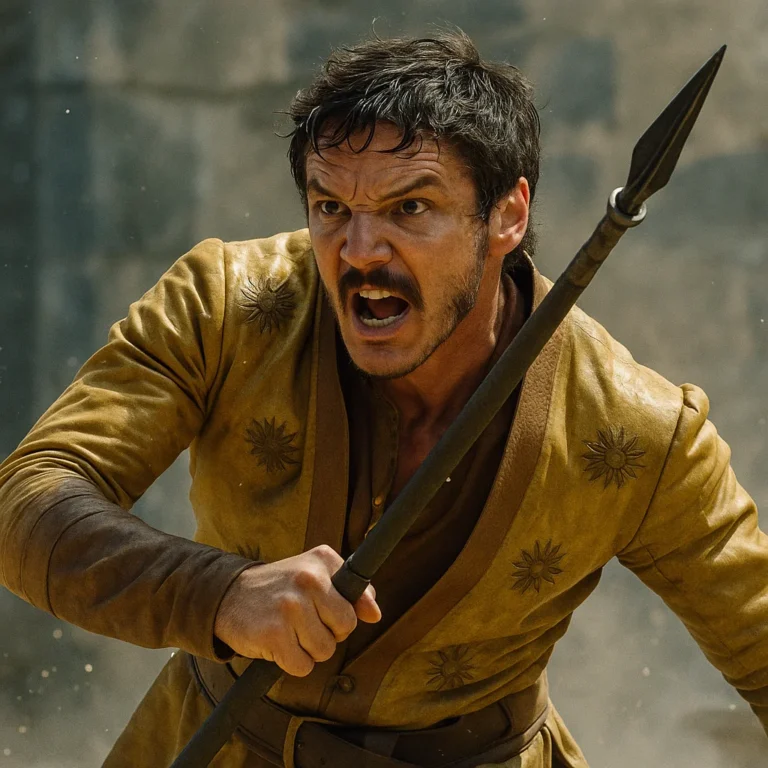
Pedro Pascal captured the hearts of the world with his roles as the protectve father figure in The Mandalorian and The Last of Us. While fans call him the "Daddy of the Internet," his journey to stardom was long and filled with rejection. In fact, he struggled for decades as an unknown actor, relying on the kindness of famous friends just to eat. Furthermore, his life began with a dramatic escape from a dictatorship, making his personal story just as intense as his movies. Prepare to unmask the man behind the helmet.
Pedro Pascal
Pedro Pascal was a competitive swimmer as a child. He participated in the state championships in Texas when he was eleven years old. However, he quit the sport immediately after discovering his passion for drama class.
He fled Chile as a baby due to political persecution. His parents were supporters of Salvador Allende and opposed the dictatorship of Augusto Pinochet. Consequently, the family sought political asylum in Denmark before eventually moving to the United States.
Sarah Paulson used to feed him when he was a starving artist. The two actors have been best friends since the early nineties. During his years of unemployment, she often gave him her daily food allowance so he would not go hungry.
He forgot he landed the role of Joel in The Last of Us because of a sleeping pill. He received the call late at night in London and took an Ambien immediately after to sleep. When he woke up the next morning, he had zero memory of the conversation and thought he was still waiting for the news.
He worked as a go-go dancer in Madrid in the nineties. After graduating from college, he moved to Spain and found work dancing in nightclubs. He wore silver hair and danced on platforms to earn a living.
His casting in Game of Thrones happened because of his friend Amanda Peet. He recorded his audition on an iPhone and sent it to Sarah Paulson, who showed it to Peet. Peet then forced her husband, showrunner David Benioff, to watch the tape.
He cannot see anything when wearing the Mandalorian helmet. He described the experience as “going blind” because his breath fogs up the narrow visor instantly. Furthermore, he has no peripheral vision and often trips over objects on set.
Oscar Isaac convinced him to take the Mandalorian role. His longtime friend and fellow Star Wars actor encouraged him to join the franchise. The two have been close friends since they performed in a play together in 2005.
He appeared in Buffy the Vampire Slayer as a college student named Eddie. Unfortunately, his character was turned into a vampire and killed by Buffy almost immediately. This remains one of his most famous early roles.
He changed his last name to honor his mother. Born José Pedro Balmaceda, he adopted his mother’s maiden name, Pascal, after she passed away. Additionally, he felt that Americans found “Pascal” easier to pronounce than “Balmaceda.”
He based his Wonder Woman 1984 character on Nicolas Cage. He channeled the eccentric acting style of Cage to play the villain Max Lord. Later, he got to star alongside his idol in The Unbearable Weight of Massive Talent.
The sequin pillow scene with Nicolas Cage was completely improvised. In the movie, his character shows off a pillow with Cage’s face on it. The awkward and hilarious interaction that followed was not in the script but made the final cut.
He was fired from over ten waiting jobs. Before he found success, he worked in various New York City restaurants to pay the bills. However, he admitted he was a terrible waiter and could not hold down a job.
He appeared in a music video with Heidi Klum. He played the supermodel’s love interest in the video for Sia’s song “Fire Meet Gasoline.” The video features the two of them in a dramatic, burning house.
Finally, he is a voracious reader. He often lists classics like Jane Eyre and Crime and Punishment as his favorite books. He has stated that reading was a major part of his upbringing and remains a way for him to relax.