In the mountains of Italy, a Syrian brown bear named Wojtek became an officially enlisted soldier in the Polish army. Adopted as an orphaned cub by Polish troops in the Middle East, Wojtek grew to weigh hundreds of pounds, learned to salute his commanders, drank beer with the men by the campfire, and famously carried heavy crates of artillery shells to the front lines during the brutal Battle of Monte Cassino without ever dropping a single explosive.
The United States deployed a highly classified tactical deception unit known as the Ghost Army. Composed of artists, sound engineers, and theater set designers, this secret unit used massive inflatable rubber tanks, broadcasted fabricated radio traffic, and blasted massive sound effects of moving armor from giant speakers to successfully trick German forces into believing a massive Allied army was massing in completely empty fields.
A Spanish chicken farmer named Juan Pujol Garcia became one of the greatest double agents in history. Operating under the British code name Garbo, he created an entirely fictional network of twenty-seven sub-agents and fed the Nazi high command such brilliantly fabricated intelligence that he became the only person in the entire war to receive both the Iron Cross from Germany and an MBE from Britain.
The enduring myth that eating carrots drastically improves your night vision was actually a brilliantly successful piece of British wartime propaganda. When the Royal Air Force secretly invented airborne interception radar, which allowed their fighter pilots to locate and shoot down German bombers in the pitch dark, the government launched a massive public campaign claiming their pilots were simply eating massive amounts of carrots, a lie that the German intelligence agencies readily believed.
The Japanese military launched over nine thousand silent, unmanned weapons across the Pacific Ocean known as Fu-Go balloon bombs. Utilizing the newly discovered high-altitude jet stream, these massive hydrogen balloons were designed to drift thousands of miles entirely undetected and drop incendiary explosives onto North American forests, causing a few civilian casualties in Oregon before the massive, bizarre project was ultimately deemed a failure.
The incredible code-breaking success at Bletchley Park was driven by a massive, highly secretive workforce of brilliant women. While a few famous male figures receive much of the historical spotlight, roughly eight thousand women operated the complex decoding machines, translated intercepted German communications, and maintained absolute, unbreakable secrecy about their vital intelligence work for decades after the war ended.
A Japanese man named Tsutomu Yamaguchi survived the unimaginable horror of two separate atomic bombings. He was in Hiroshima on a business trip when the first bomb detonated, surviving the blast with severe radiation burns. Miraculously, he managed to board a rescue train back to his hometown of Nagasaki, only to be present when the second bomb was dropped three days later, making him a recognized survivor of both blasts who lived to be ninety-three years old.
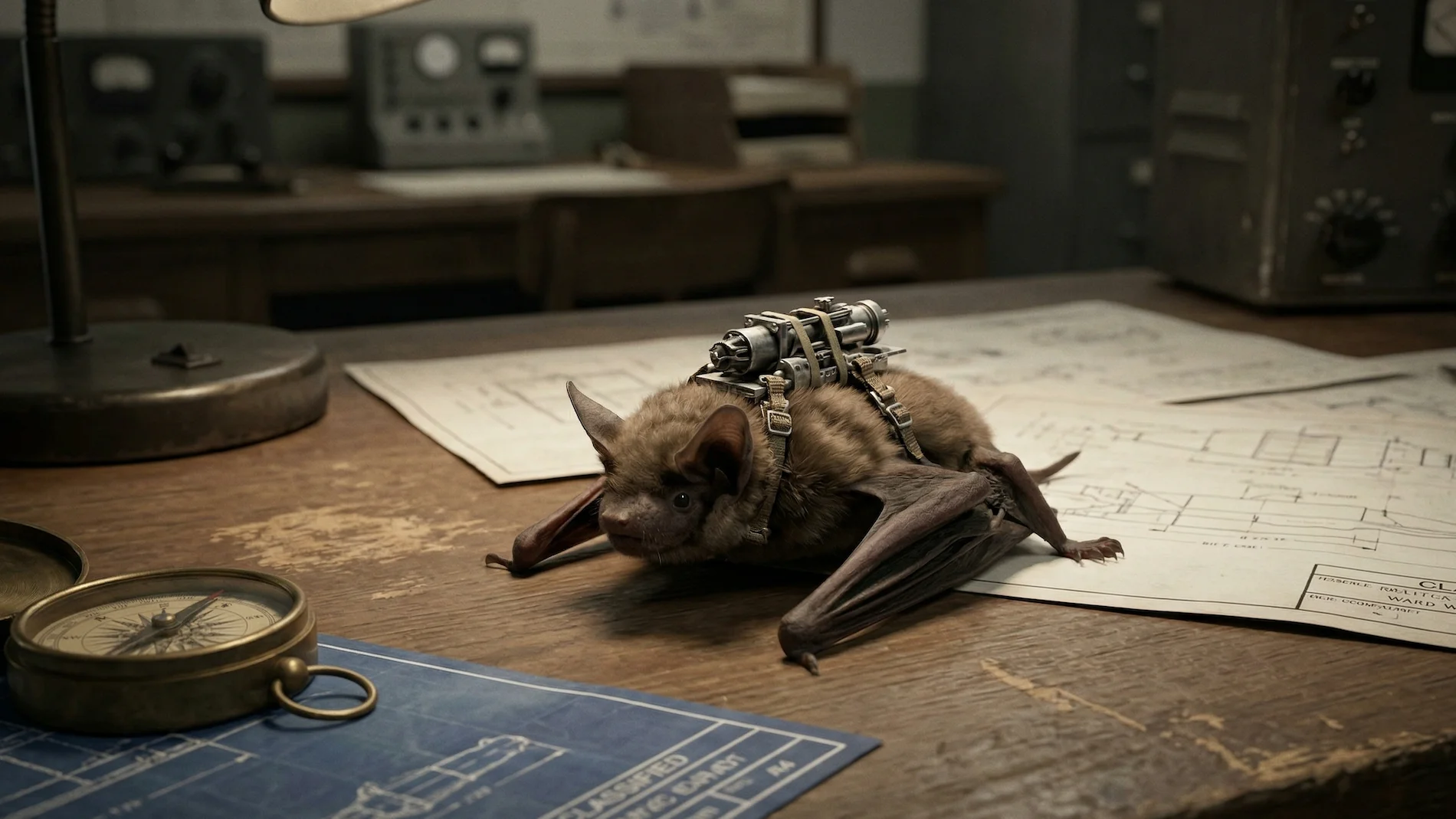
The American military seriously attempted to weaponize thousands of live bats. Under the highly classified Project X-Ray, researchers strapped tiny incendiary bombs to Mexican free-tailed bats and loaded them into bomb casings, planning to drop them over Japanese cities where the bats would roost in the eaves of wooden buildings before detonating, but the project was canceled when the bats accidentally burned down an American military base during testing.
In the weeks leading up to the Normandy invasion, highly classified Allied code names suddenly began appearing in a British newspaper. British intelligence agents panicked when top-secret operational names like Utah, Omaha, Overlord, and Mulberry randomly appeared as answers in the Daily Telegraph crossword puzzle, leading to massive interrogations of the puzzle creator, who turned out to be an innocent schoolmaster unconsciously absorbing words he heard soldiers using at a nearby camp.
British intelligence successfully tricked the German high command using the corpse of a homeless Welsh man. In Operation Mincemeat, agents dressed the deceased man in a Royal Marines uniform, attached a briefcase containing fake invasion plans to his wrist, and allowed the body to wash ashore in Spain. The fabricated documents successfully convinced Hitler to divert massive tank divisions away from Sicily right before the real Allied invasion.
A Dutch warship successfully escaped the Japanese navy by completely disguising itself as a tropical island. The crew of the HNLMS Abraham Crijnssen realized they were trapped in the Java Sea, so they cut down massive amounts of jungle foliage, covered their entire ship with tree branches, painted the hull to look like rocky cliffs, and slowly navigated to Australia by only moving at night and anchoring near real islands during the day.
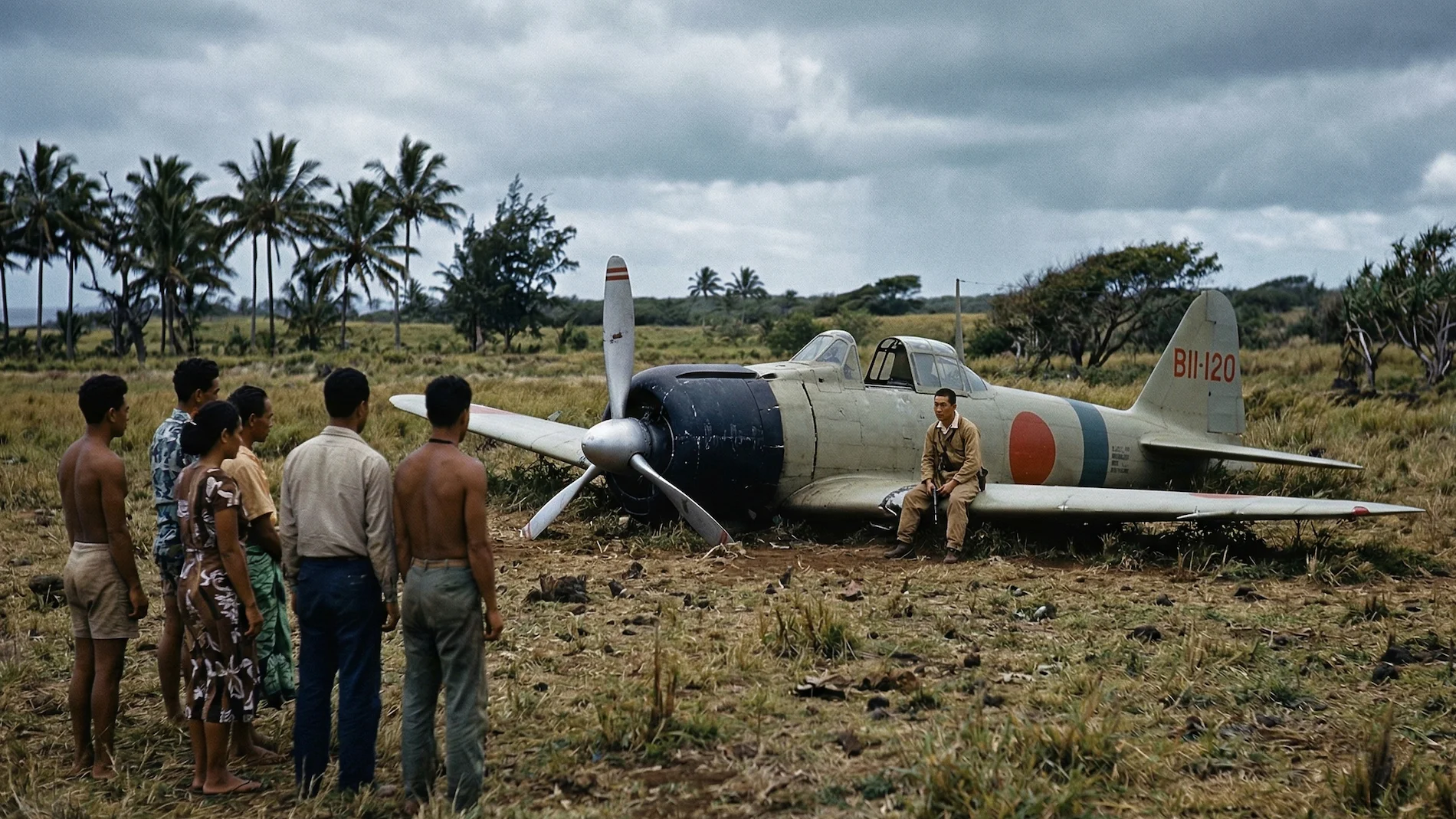
A Japanese fighter pilot crash-landed in the United States and temporarily took over a Hawaiian island. Following the attack on Pearl Harbor, a damaged Zero fighter crashed on the isolated island of Niihau. The pilot managed to enlist the help of local residents of Japanese descent to take the indigenous islanders hostage, a bizarre standoff known as the Niihau Incident that ended when a local Hawaiian man physically overpowered the armed pilot.
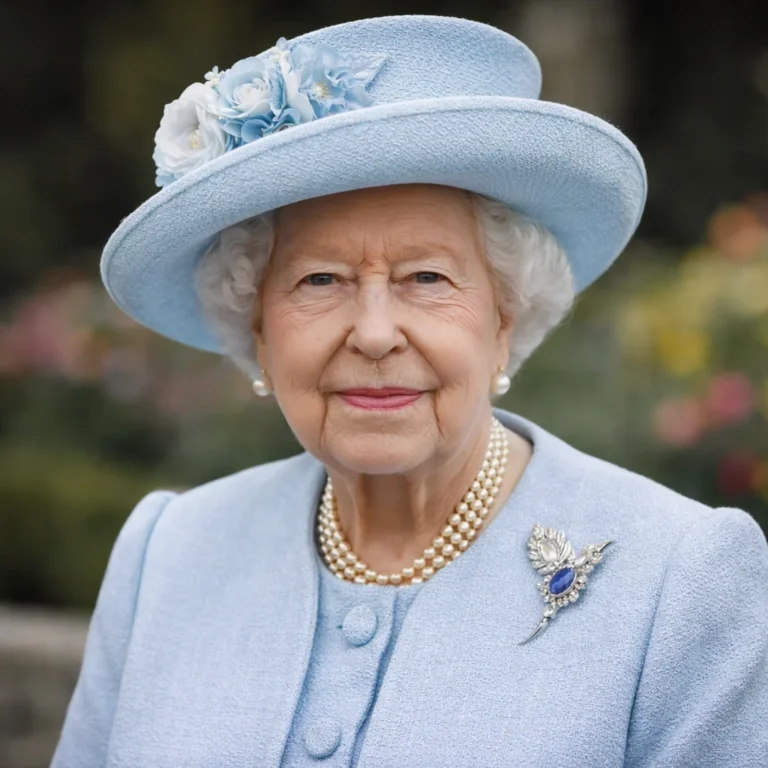
The future Queen of England served as an active military mechanic. Princess Elizabeth joined the Auxiliary Territorial Service in 1945, donning a military uniform and learning how to drive heavy ambulances, rebuild engines, and change tires, making her the first female member of the British royal family to serve as an active-duty member of the armed forces during wartime.
The Grand Mosque of Paris operated as a highly secret refuge for European Jews. Under the courageous leadership of Si Kaddour Benghabrit, the Muslim community in Paris actively forged Muslim birth certificates and identity papers for Jewish families fleeing the Gestapo, utilizing the complex underground caverns beneath the mosque to hide them and safely smuggle them out of the occupied city.
Nazi Germany successfully invaded North America to set up a secret weather station. In 1943, a German U-boat quietly surfaced off the coast of northern Labrador, Canada, and the crew secretly installed an automated weather station named Weather Station Kurt. To avoid detection by Allied military patrols, they painted the equipment with the logo of a completely fake Canadian meteorological service, and the station remained undiscovered by researchers until 1977.
Sources and References:
MI5 Security Service Historical Archives: https://www.mi5.gov.uk/history/world-war-ii/agent-garbo
The National WWII Museum: https://www.nationalww2museum.org/war/articles/ghost-army-canvas-and-camouflage
Bletchley Park Trust: https://www.bletchleypark.org.uk/our-story/e163-the-women-of-newnham-college/