1. Grizzlies Are Actually Just Brown Bears
There is a massive amount of public confusion regarding the difference between a grizzly bear and a brown bear. In biological reality, they are the exact same species, officially known as Ursus arctos. The term grizzly is simply a localized, common name used entirely to describe the specific subspecies of brown bears that live completely inland in North America. Therefore, every single grizzly is a brown bear, but not every brown bear is a grizzly.
2. The Secret Behind the Shoulder Hump
The most instantly recognizable physical feature of a brown bear is the massive, protruding hump located directly on its upper back. This heavy mound is not made of stored fat like a camels hump; it is a completely solid, massive knot of pure muscle tissue. This highly specialized muscle mass is attached directly to the bears front legs, giving it the terrifying, earth-shattering upper body strength required to easily tear apart massive rotting logs or excavate deep winter dens out of solid, frozen rocky soil.
3. An Unrivaled Sense of Smell
While dogs are globally famous for their tracking abilities, the olfactory system of a brown bear completely puts a bloodhound to shame. Their sense of smell is estimated to be over two thousand times stronger than a human beings. A hungry brown bear can accurately detect the distinct scent of an animal carcass, a blooming berry patch, or an unsealed human camping cooler from over twenty miles away, easily picking up microscopic scent particles carried on a light breeze.
4. They Are Not True Hibernators
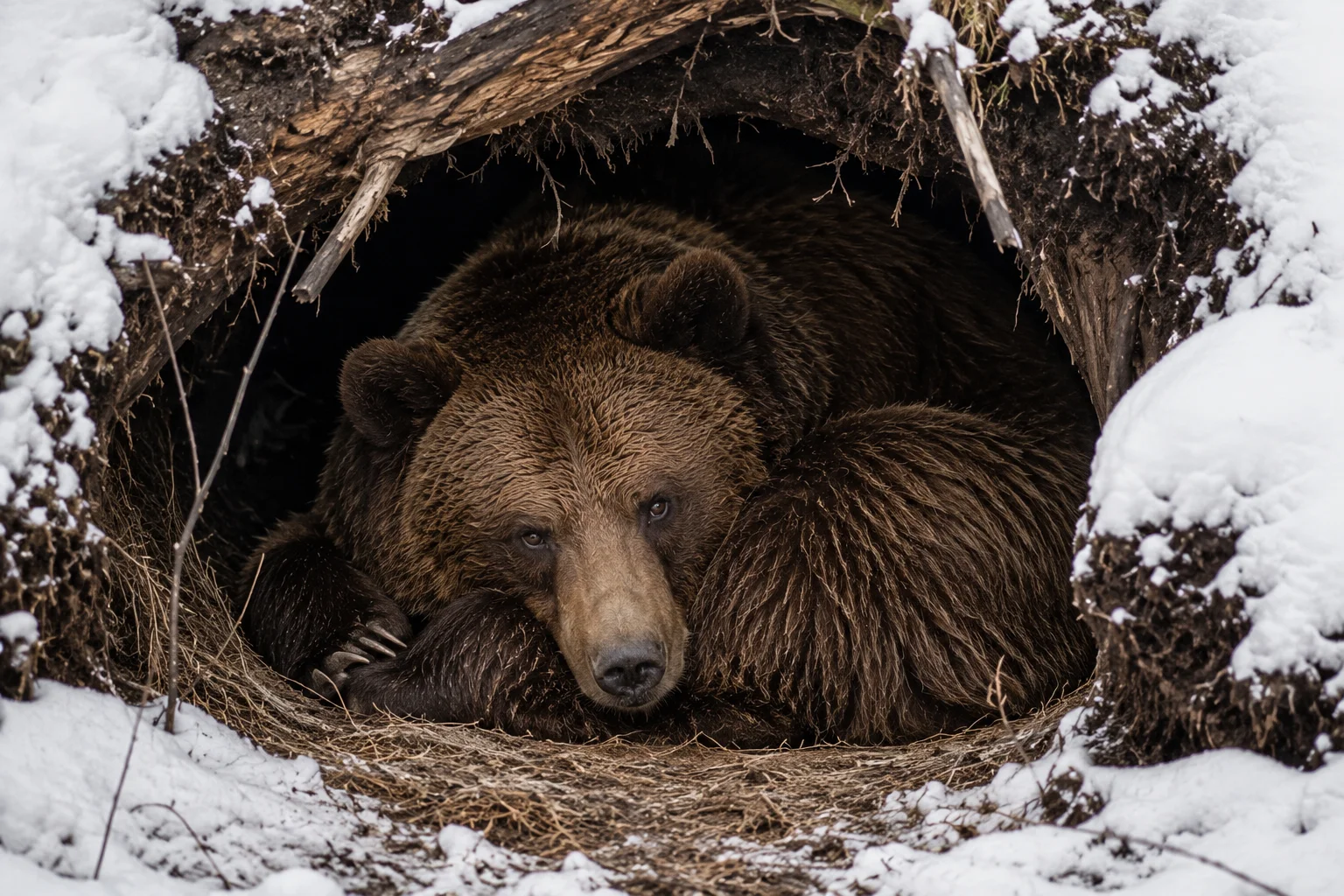
It is a widespread biological myth that bears enter a state of true, deep hibernation during the freezing winter months. True hibernators, like ground squirrels, completely drop their core body temperatures down to near freezing and cannot be easily awakened. Brown bears actually enter a highly specialized state of biological torpor, or winter lethargy. Their body temperature only drops by a few degrees, allowing them to instantly wake up and violently defend their dens if a predator or human approaches during the winter.
5. Their Diet is Overwhelmingly Vegetarian
Because they possess terrifying fangs, massive claws, and heavy musculature, humans naturally assume brown bears are strict, bloodthirsty carnivores. In reality, they are highly opportunistic omnivores. Depending entirely on the specific season and their geographical location, up to ninety percent of a brown bears daily diet can consist strictly of plant matter. They spend massive portions of their summer peacefully grazing on wild berries, tree roots, fresh grasses, and highly nutritious pine nuts.
6. Blistering Sprinting Speeds
Looking at their massive, heavy, barrel-shaped bodies and lumbering walking gait, it is incredibly easy to assume that a brown bear is a slow, clumsy animal. This is a fatal misconception for anyone trying to outrun one. When a brown bear is fully motivated by hunger or aggressively defending its cubs, it can explode into a terrifying sprint, easily reaching blistering top speeds of up to thirty-five miles per hour. They can comfortably completely outrun an Olympic sprinter across uneven, heavily wooded terrain.
7. The Miracle of Delayed Implantation
Female brown bears possess one of the most brilliant, highly advanced reproductive strategies in the entire mammalian kingdom. Mating season occurs in the early summer, but the fertilized embryos completely pause their biological development and do not immediately attach to the mothers uterine wall. They wait in a state of suspended animation until late autumn. If the mother has successfully consumed enough massive fat reserves to survive the winter, the embryos will finally implant; if she is starving, her body will naturally reabsorb them.
8. Claws the Size of Human Fingers
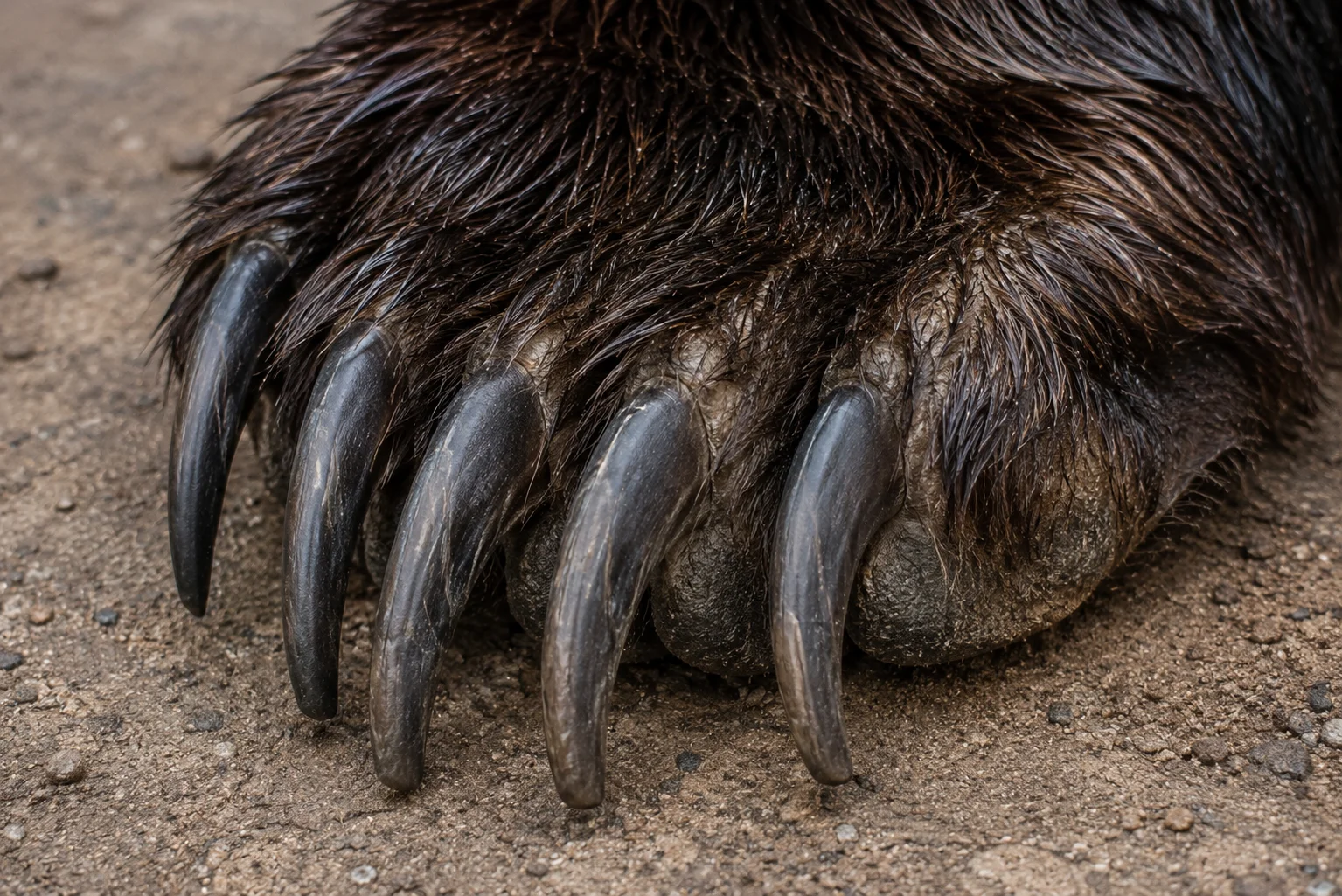
To successfully dominate their harsh environments, brown bears are equipped with an incredibly intimidating set of biological tools. Their front paws feature five massive, non-retractable claws that can easily grow up to four inches in length, making them roughly the exact same size as an adult human finger. Unlike the sharply curved claws of a mountain lion used for grappling prey, the brown bears claws are completely straight and highly robust, designed perfectly for aggressively excavating dirt and tearing open solid wood.
9. Kodiaks Rival Polar Bears in Size
While the polar bear is universally recognized as the largest land predator on Earth, a highly specific population of brown bears completely challenges that title. The Kodiak bear, an isolated subspecies living exclusively on the remote islands of the Kodiak Archipelago in Alaska, grows to absolutely terrifying proportions. Due to an incredibly rich diet of endless salmon and zero natural competition, a fully grown male Kodiak bear can weigh well over one thousand five hundred pounds, perfectly rivaling the largest polar bears.
10. Mothers Produce Extremely Rich Milk
When a female brown bear finally gives birth inside her freezing, completely dark winter den, the newborn cubs are completely blind, hairless, and shockingly tiny, weighing less than a single pound. To ensure these incredibly fragile infants survive the brutal winter and grow massive enough to leave the den by spring, the mothers milk is a biological miracle. It contains an astonishing thirty-three percent milk fat, making it immensely thicker and vastly more caloric than standard cow or human milk.
11. They Are Exceptional Swimmers
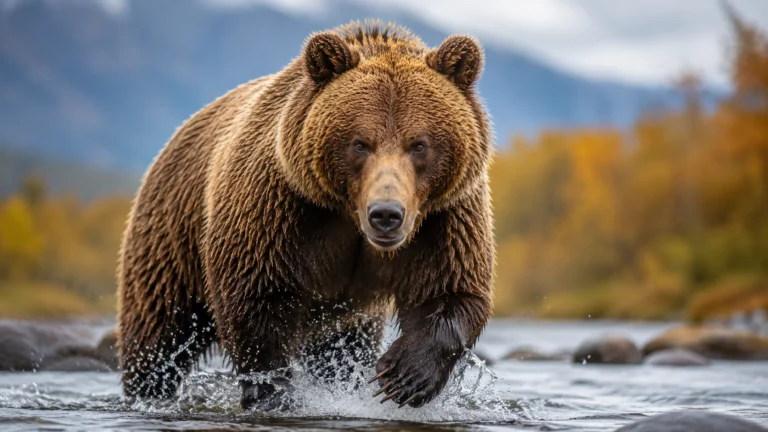
Despite their overwhelming size and dense, heavy bone structure, brown bears are highly proficient and incredibly powerful swimmers. Coastal brown bears heavily rely on deep rivers and massive lakes to navigate their territories and hunt for their most prized food source. They will completely submerge themselves in freezing, fast-moving glacial rivers for hours at a time, patiently waiting to snatch massive, highly nutritious salmon directly out of the rushing water with their jaws.
12. Their Coats Feature a Rainbow of Colors
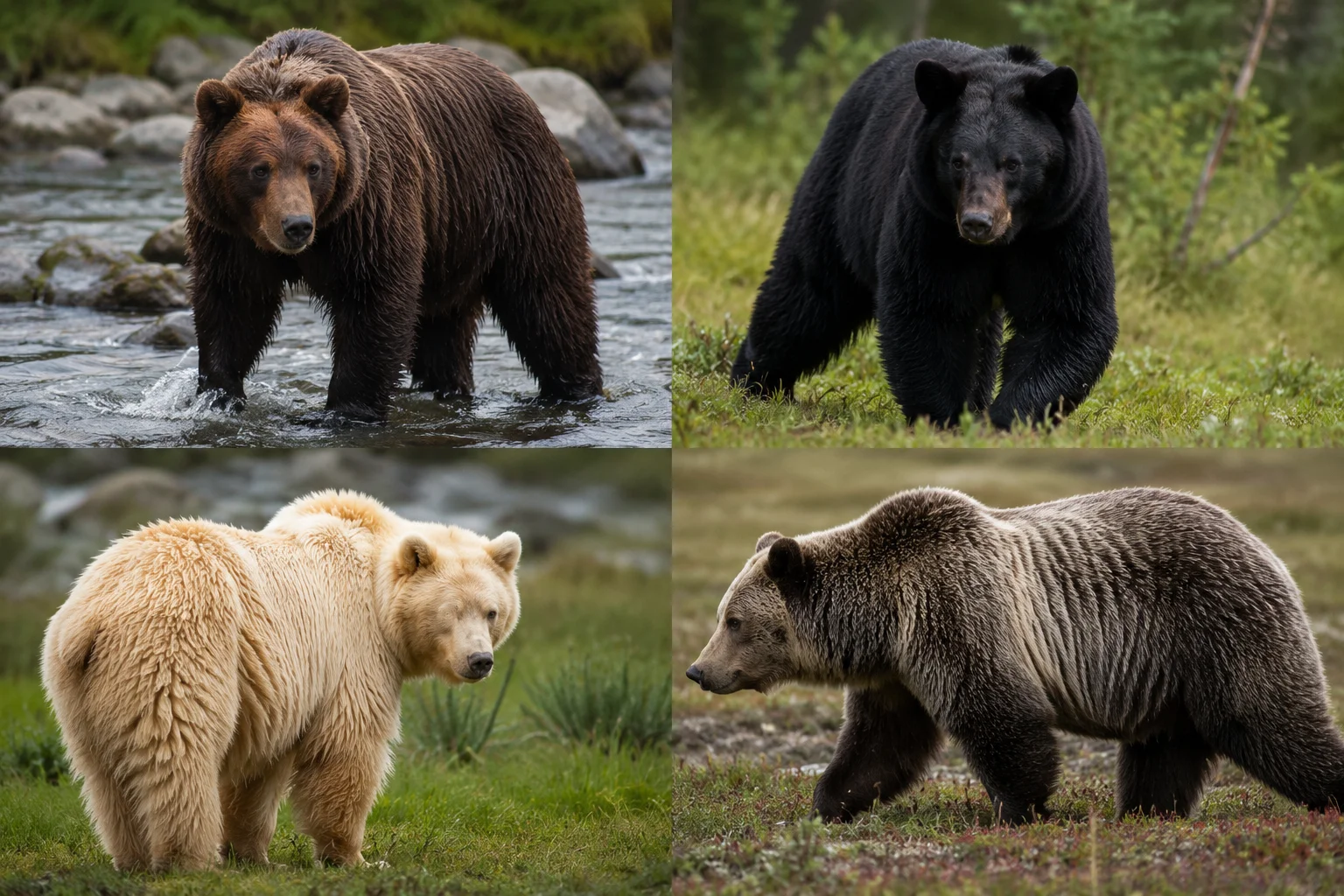
The common name brown bear is actually highly misleading when discussing their physical appearance. Their dense, shaggy fur coats exhibit a massive spectrum of different colorations depending entirely on their specific genetics and geographic location. While many are a standard chocolate brown, wild populations frequently feature individuals with completely jet-black fur, pale blonde coats, or the iconic silver-tipped hairs that originally earned the inland grizzlies their famous name.
13. Exceptional Intelligence and Tool Use
Brown bears are vastly more intelligent than humans historically gave them credit for, possessing massive brains and highly advanced problem-solving skills. Field researchers have frequently documented wild brown bears successfully utilizing basic tools. They have been recorded picking up rough, barnacle-covered rocks to actively scratch deep itches on their faces, and they frequently use their massive paws to deliberately roll large, heavy boulders into deep streams to perfectly block the escape routes of fleeing fish.
14. They Form Complex Social Hierarchies
While they are naturally highly solitary, territorial animals that usually avoid each other, their behavior completely transforms when a massive food source becomes available. During the annual summer salmon runs, dozens of brown bears will congregate at a single river waterfall. To prevent constant, highly destructive physical combat, they immediately establish a strictly enforced, complex social hierarchy. The oldest, most massive males claim the absolute best fishing spots, while younger, smaller bears must patiently wait their turn on the edges.
15. The Most Widely Distributed Bear on Earth
The incredible biological adaptability and highly varied omnivorous diet of the brown bear have allowed it to become the absolute most widely distributed bear species on the planet. While habitat destruction has significantly reduced their historical range, massive populations of brown bears still thrive across incredibly diverse ecosystems. They completely dominate the dense forests of North America, the remote mountain ranges of Eastern Europe, and the vast, freezing expanses of the Russian Siberian wilderness.