1. The Oldest Restaurant in the World
According to the Guinness Book of World Records, Madrid is home to the oldest continuously operating restaurant on the planet. Founded in 1725, Sobrino de Botín has never closed its doors and still uses its original wood-fired oven. The iconic eatery was a favorite of Ernest Hemingway, and legendary Spanish painter Francisco de Goya even worked there as a dishwasher before becoming famous.
2. A City Founded by Muslims
Unlike most European capitals that trace their origins back to the Roman Empire, Madrid was actually founded by the Moors in the 9th century. The Emir of Córdoba ordered the construction of a fortress on the banks of the Manzanares River to protect the city of Toledo. The settlement was originally named “Mayrit,” which translates to “place of abundant water” in Arabic.
3. The Highest Capital in the European Union
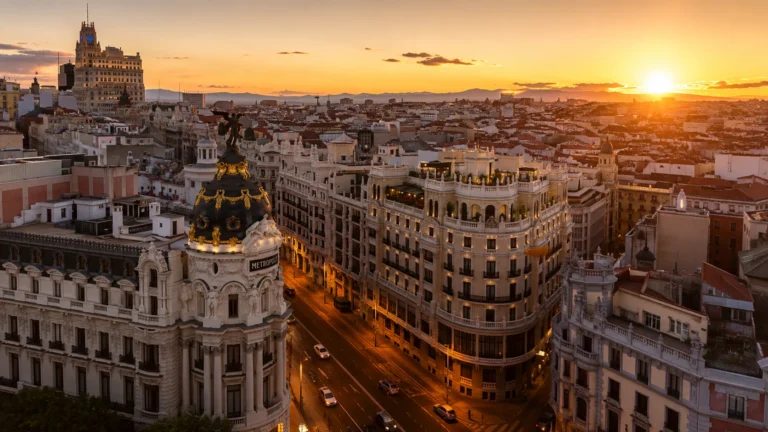
When you walk through the streets of Madrid, you are actually much closer to the sky than you might realize. Situated on the Meseta Central (the Inner Plateau) of the Iberian Peninsula, Madrid sits at an elevation of roughly 650 meters (2,132 feet) above sea level. This makes it the highest capital city in the European Union, which directly contributes to its famously dry, crisp climate and beautifully clear blue skies.
4. The Mystery of the Gatos
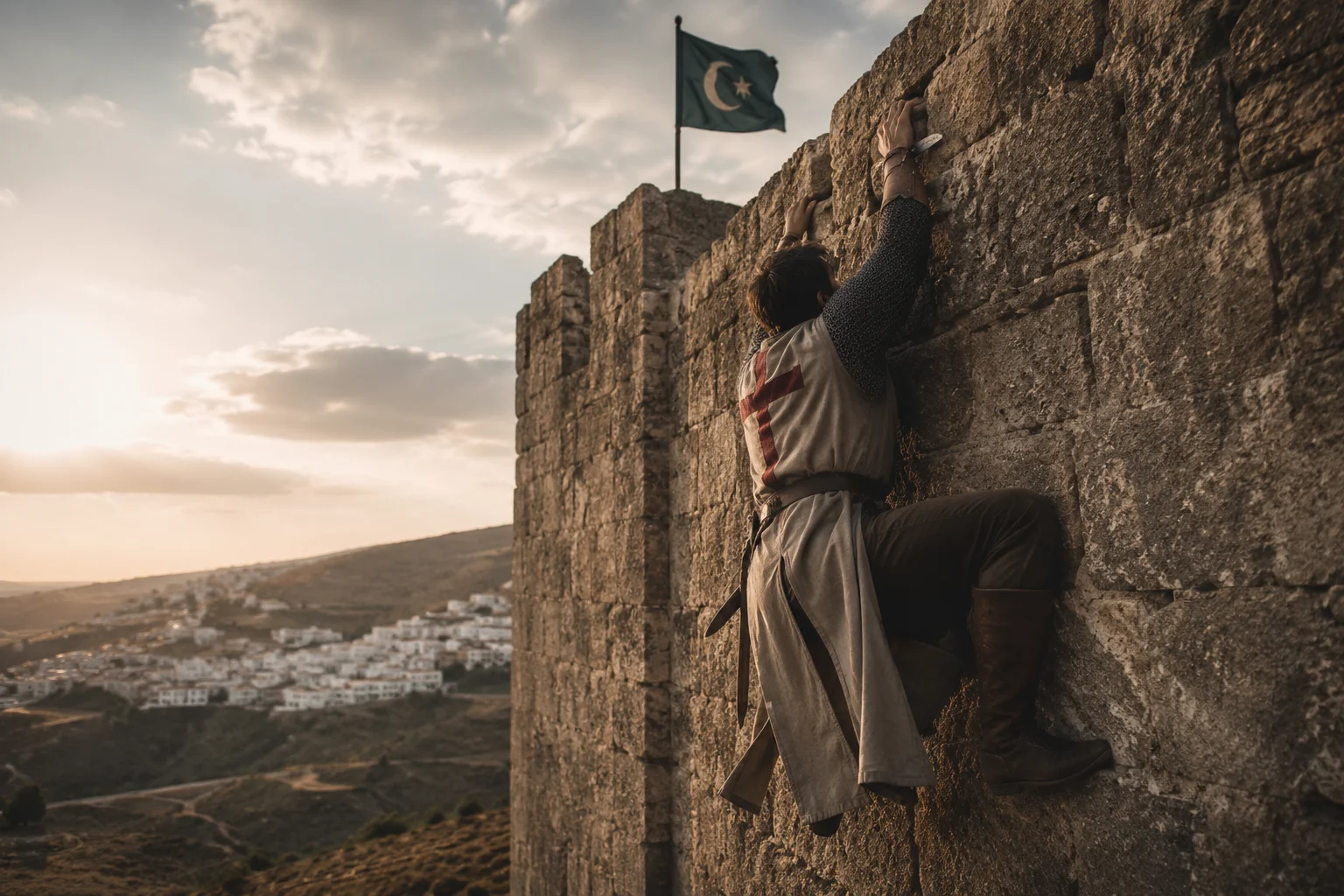
If you are born in Madrid, and both your parents and grandparents were also born there, you earn the prestigious, traditional nickname of a “Gato” (Cat). This highly coveted moniker dates back to the 11th century, when a brave Christian soldier scaled the high walls of the Moorish fortress using a dagger, climbing with the agility of a cat to swap the Islamic flag for a Christian one.
5. An Authentic Egyptian Temple
While strolling through the Parque del Oeste, visitors are often stunned to stumble upon the Temple of Debod, a genuine, 2,200-year-old Egyptian temple. The structure was completely dismantled and gifted to Spain by the Egyptian government in 1968 as a gesture of gratitude after Spanish engineers helped save several vital ancient monuments from being flooded during the construction of the Aswan High Dam.
6. The 666-Meter Fallen Angel
Inside the massive Retiro Park stands the Monumento al Ángel Caído, which is widely believed to be the only public monument in the world explicitly dedicated to Lucifer. The striking bronze statue depicts the devil’s dramatic expulsion from heaven. In a highly bizarre topographical coincidence, the official elevation of the statue’s pedestal happens to sit at exactly 666 meters above sea level.
7. The Largest Royal Palace in Europe
While the Palace of Versailles in France and Buckingham Palace in London are incredibly famous, the Royal Palace of Madrid quietly dwarfs them both in terms of sheer floor space. With over 3,400 rooms sprawling across 135,000 square meters, it is the largest functioning royal palace in Europe. Today, the Spanish Royal Family does not actually live there, using the massive building exclusively for state ceremonies.
8. A Seafood Capital Without a Beach
Despite being located over 300 kilometers completely inland from the nearest ocean, Madrid boasts the second-largest fish and seafood market in the entire world, surpassed only by the legendary Toyosu Market in Tokyo. Every single morning, massive fleets of refrigerated trucks rush freshly caught seafood directly from the Spanish coasts to Mercamadrid, ensuring the city’s restaurants serve some of the best calamari and gambas on earth.
9. The Hunt for Cervantes
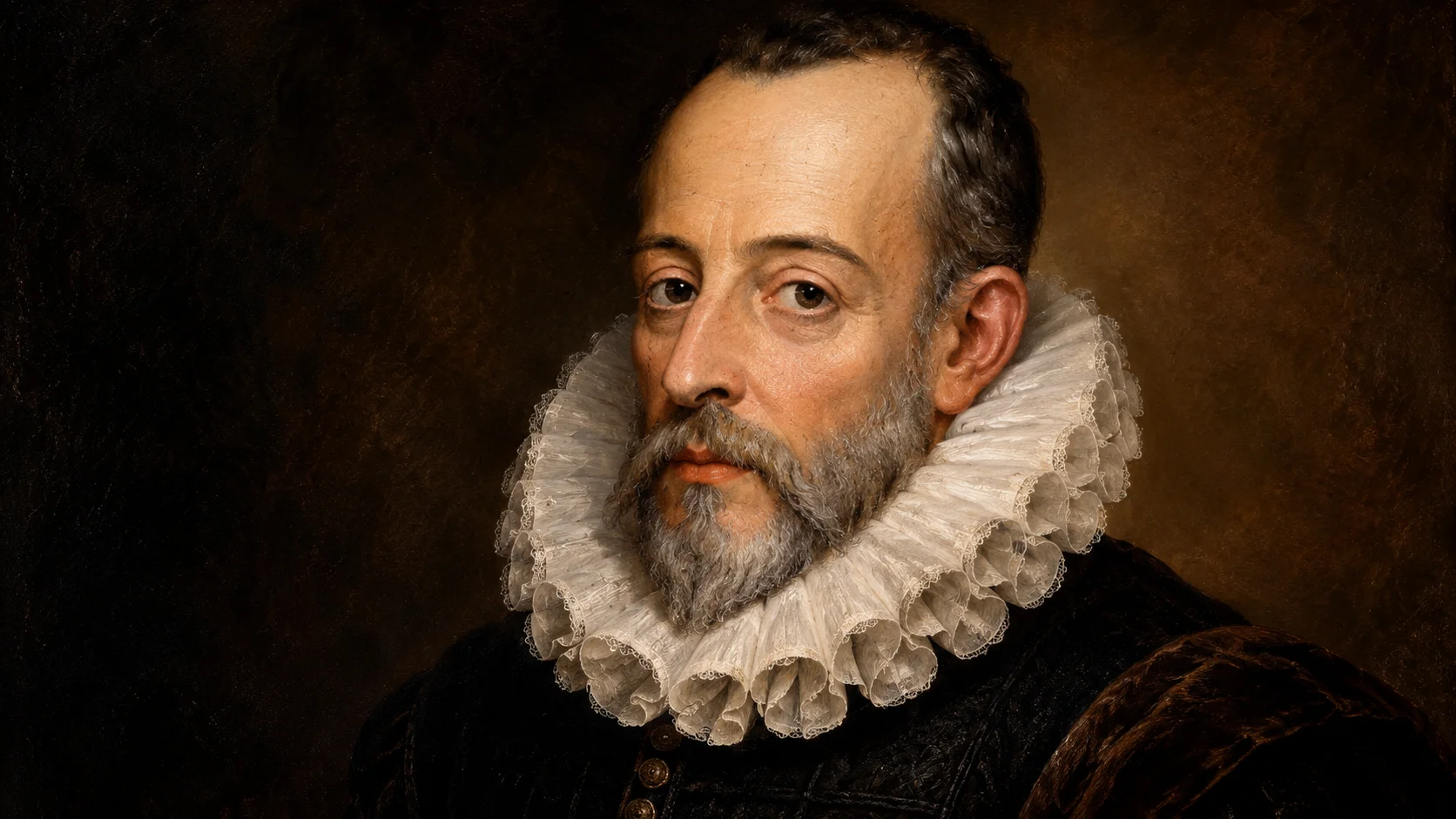
Miguel de Cervantes, the legendary author of Don Quixote and the undisputed master of Spanish literature, died in Madrid in 1616. He requested to be buried in the Convent of the Barefoot Trinitarians. However, during centuries of renovations, his coffin was completely lost. It wasn’t until a massive ground-penetrating radar search in 2015 that archaeologists finally rediscovered his bones hidden deep within the convent’s crypt.
10. The Delayed Cathedral
Despite being the capital of a fiercely Catholic country for centuries, Madrid did not have a finished cathedral until 1993. The construction of the Almudena Cathedral began in 1883 but was repeatedly halted by the Spanish Civil War and continuous funding issues. When it was finally completed over a century later, it was officially consecrated by Pope John Paul II, making it one of the newest cathedrals in Europe.
11. The Golden Triangle of Art
Madrid is home to an unparalleled concentration of artistic masterpieces located within a short walking distance of one another. The “Golden Triangle of Art” consists of the Prado Museum (classic masters like Velázquez and Goya), the Reina Sofía (modern art, including Picasso’s Guernica), and the Thyssen-Bornemisza (a massive private collection filling the historical gaps).
12. The Secret Ghost Station
Beneath the bustling streets of the Chamberí neighborhood lies a perfectly preserved piece of the 1920s. Chamberí was one of the original metro stations built in 1919, but it was permanently closed in 1966 because the curved platform was too short for newer, longer trains. For decades, it sat abandoned in the dark until it was restored and reopened as a free, subterranean museum, complete with original vintage advertisements.
13. The Kilometer Zero Plaque
In the bustling center of the Puerta del Sol plaza lies a small, deeply worn stone plaque set into the cobblestones known as Kilometer Zero. This specific spot is the official geographical center of Spain’s radial highway network. Tradition dictates that visitors who step directly on the plaque are guaranteed to return to Madrid in the future.
14. A Park Five Times Larger Than Central Park
When Madrileños want to escape the concrete jungle, they head to the Casa de Campo. Originally a private royal hunting estate, this massive green space was opened to the public in the 1930s. Covering over 1,700 hectares, it is an astonishing five times larger than New York’s Central Park and contains an amusement park, a zoo, and a massive cable car system.
15. The 12 Grapes of Luck
The Puerta del Sol plaza is the epicenter of a highly unique Spanish New Year’s Eve tradition. Thousands of people gather beneath the Casa de Correos clock tower on December 31st. As the clock strikes midnight, everyone attempts to eat exactly 12 green grapes—one for each chime of the bell. Managing to swallow all 12 on time is believed to guarantee 12 months of good luck in the coming year.