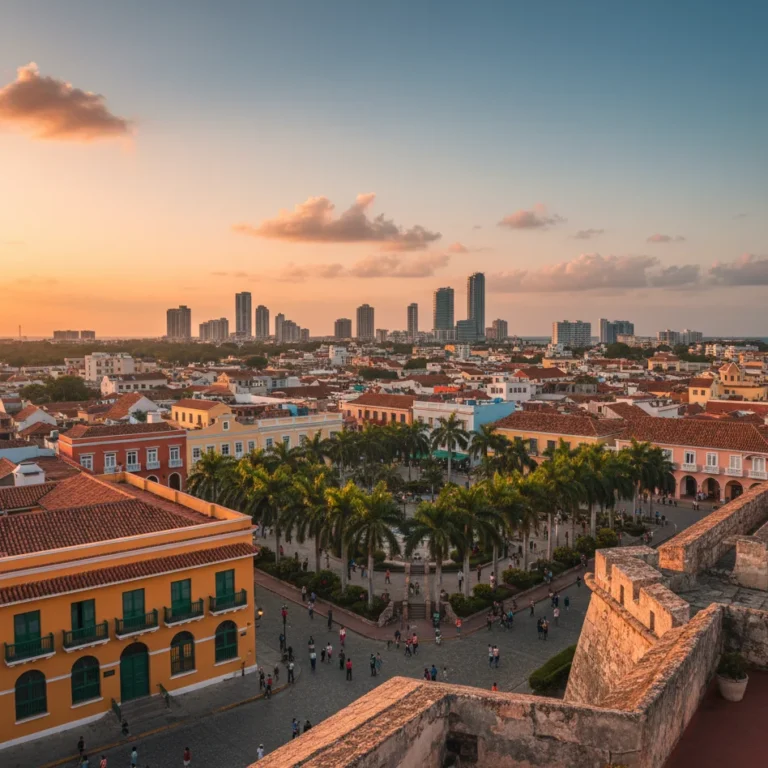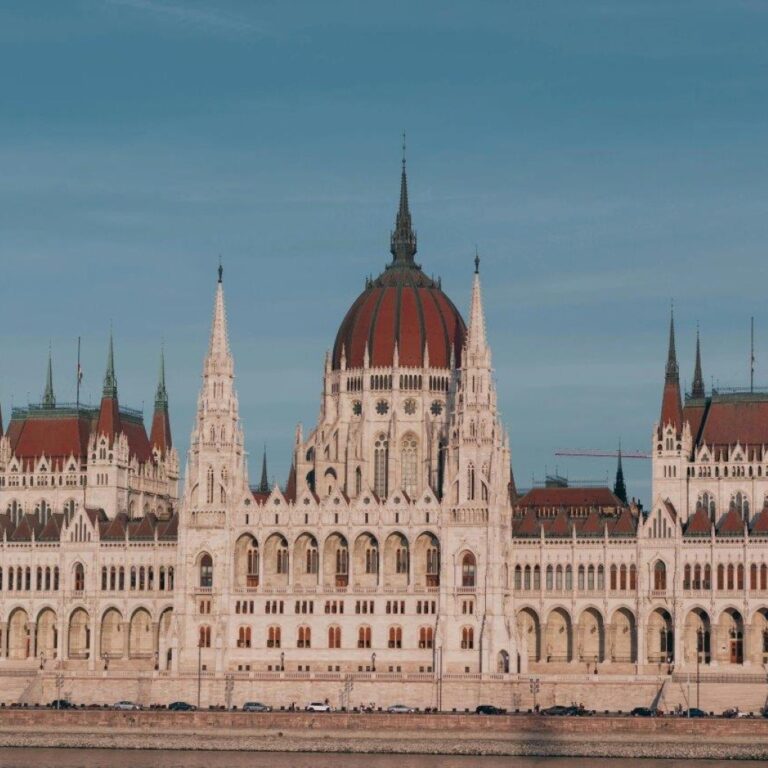
The nation geographically covers more time zones than any other country on the planet. While Russia is a massive contiguous landmass, France holds the ultimate record with twelve distinct time zones, a staggering geographical anomaly resulting entirely from its numerous overseas departments and territories spread across the Caribbean, Indian Ocean, South America, and the Pacific.
A famous wine-producing town maintains an active municipal law completely banning UFOs. In 1954, following a wave of reported flying saucer sightings across Europe, the mayor of the elite Chateauneuf-du-Pape wine region issued an official decree stating that any flying saucers flying over or landing in the municipal vineyards would be immediately impounded, a bizarre law that has never been repealed.
The medieval execution device known as the guillotine overlaps with modern space cinema. It is a dark and shocking historical timeline overlap that the French government carried out its very last official execution by guillotine in 1977, occurring in the exact same year that George Lucas released the very first Star Wars movie in theaters across the world.
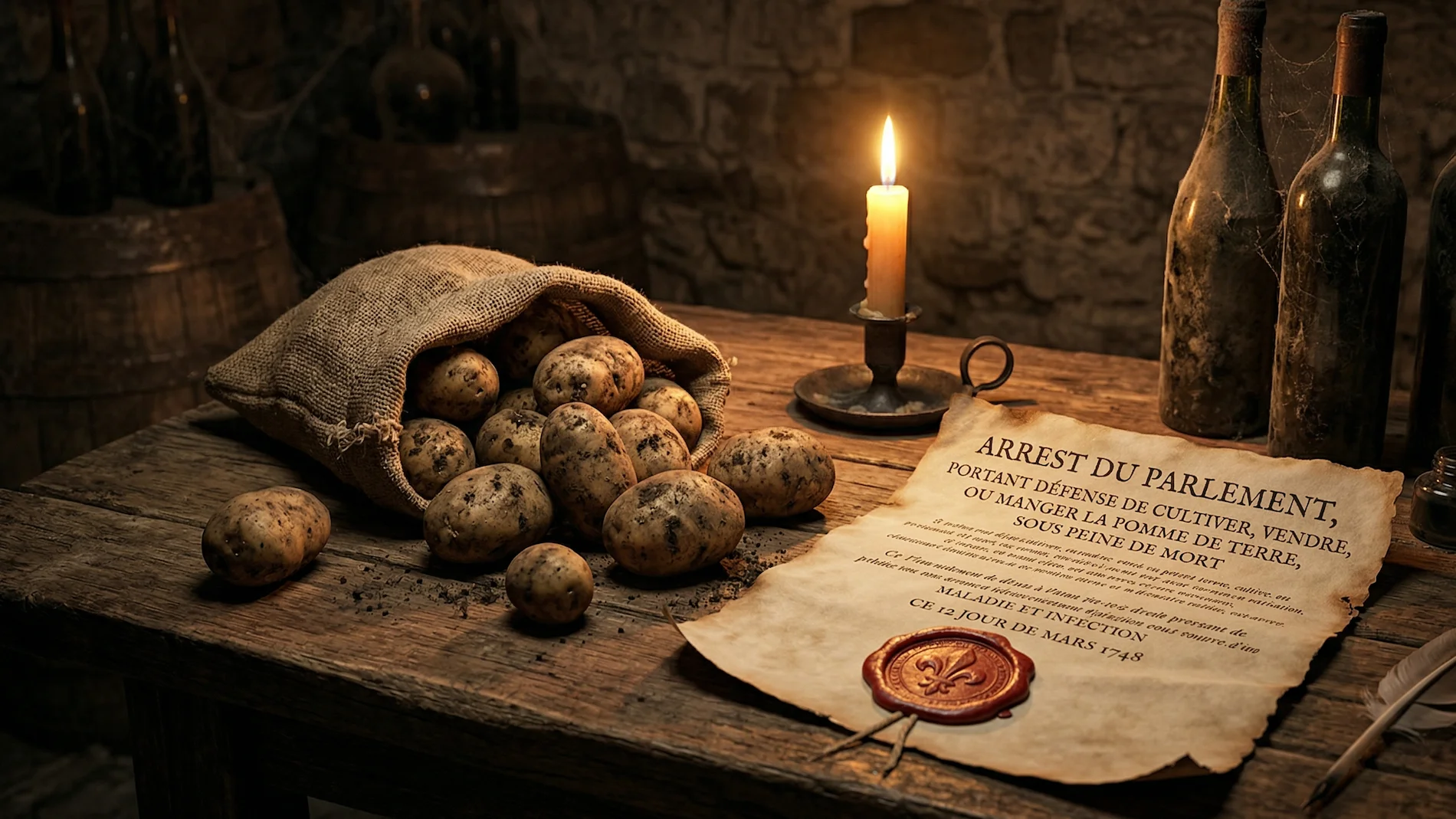
The country completely banned the cultivation and consumption of potatoes for twenty-four years. Between 1748 and 1772, the French parliament and leading medical professionals outlawed the vegetable because they genuinely believed it caused leprosy, a massive agricultural misconception that was only overturned when an army pharmacist named Antoine-Augustin Parmentier relentlessly campaigned to prove the nutritional value of the tuber.
A French monarch holds the historical record for the shortest royal reign in history. During the chaotic political upheaval of the 1830 July Revolution, King Charles X abdicated his throne, technically passing absolute power to his son, Louis Antoine. However, King Louis XIX spent roughly twenty minutes contemplating his situation before signing his own abdication papers, ending his incredibly brief rule.
The country pioneered groundbreaking international legislation regarding commercial food waste. In 2016, France became the very first nation in the world to unanimously pass a law legally banning large supermarkets from throwing away or purposefully destroying unsold, edible food, forcing these massive corporations to donate their excess inventory to registered charities and food banks instead.
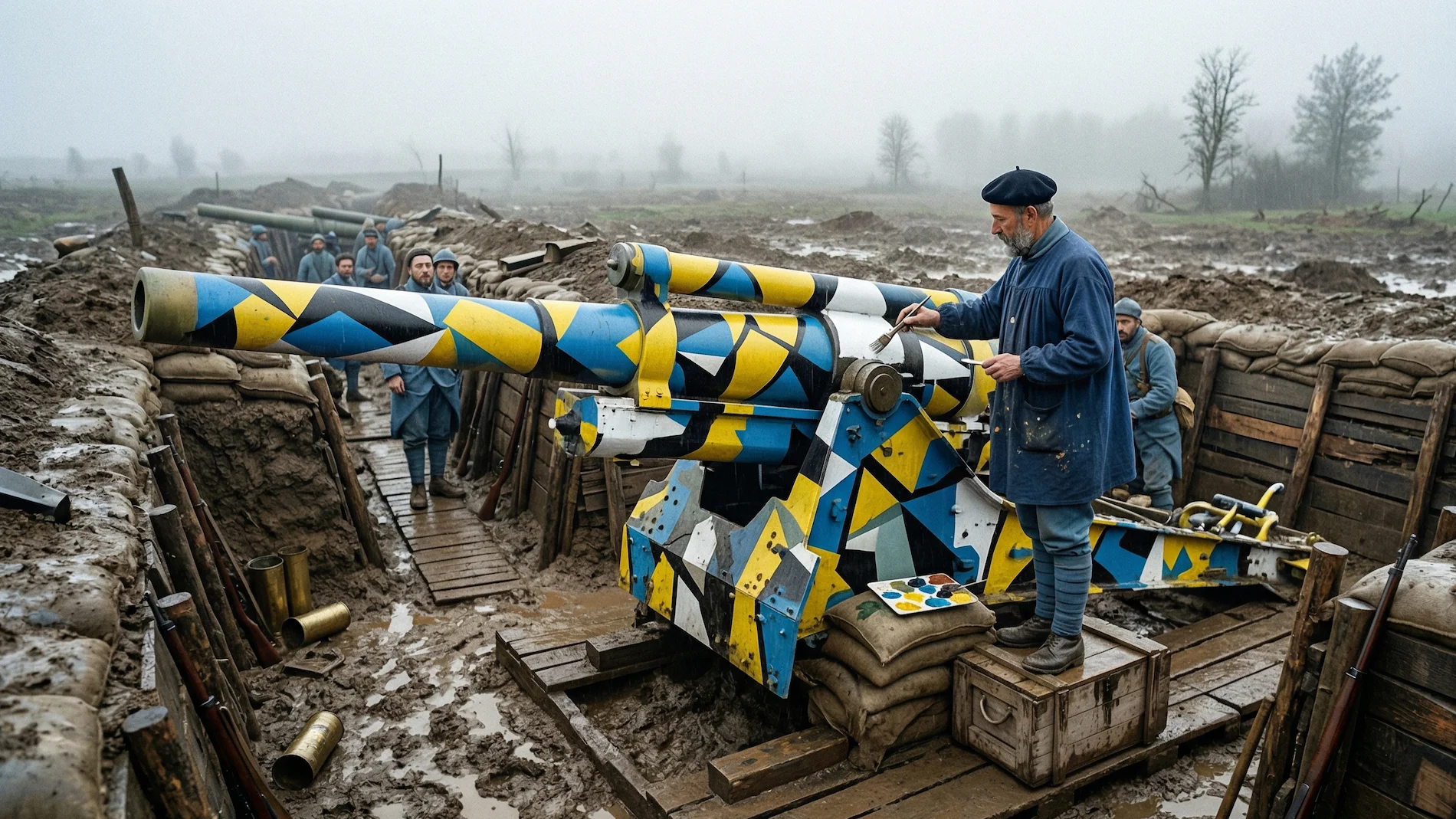
The military actively hired avant-garde artists to invent modern battlefield camouflage. During the First World War, the French military realized their traditional bright uniforms and shiny artillery were massive targets, so they established a dedicated camouflage unit composed of prominent Cubist painters who used chaotic, intersecting geometric shapes to visually break up the outlines of guns and vehicles.
It is entirely legal to marry a deceased person under specific civic conditions. Originally established during the First World War to help grieving fiancees of fallen soldiers, the legal provision of posthumous marriage was officially codified into French civil law in 1959 following a devastating dam collapse, allowing the President of the Republic to authorize a wedding if the intent to marry was clearly established before the tragedy.
The nation maintains an official fleet of military messenger pigeons for apocalyptic scenarios. High in the fortress of Mont Valerien near Paris, the French armed forces maintain Europe’s only active military pigeon loft, carefully breeding and training the birds to ensure that the government has a completely analog, fail-safe method of communication in the event of a massive electromagnetic pulse or catastrophic cyber attack.
Several historical villages completely lack human inhabitants but still elect a mayor. During the horrific trench warfare of the Battle of Verdun, nine farming villages in the Meuse department were so completely obliterated and poisoned by unexploded ordnance that the government declared them dead for France, preserving them as uninhabited memorial sites that still receive state funding and possess official mayors.
The oldest verified human being in recorded history was a deeply eccentric French woman. Jeanne Calment lived an astonishing one hundred and twenty-two years, outliving her own descendants. Her exceptionally long life allowed her to casually meet the painter Vincent van Gogh in her youth, and she famously attributed her incredible longevity to a daily diet of olive oil, port wine, and massive amounts of chocolate.
The most famous bicycle race in the world was invented entirely as a corporate marketing stunt. The grueling, multi-week Tour de France was not born out of a noble sporting tradition, but was instead launched in 1903 by a struggling sports newspaper called L’Auto in a desperate, highly successful attempt to boost their daily circulation numbers and completely bankrupt their publishing rivals.
A small village in the northern region possesses the absolute shortest place name on earth. The tiny commune located in the Somme department is simply named Y, pronounced like the letter E in English. Because the name is so incredibly brief, the local residents refer to themselves collectively as the Ypsiloniens to avoid constant linguistic confusion.
The government officially awards a prestigious medal specifically for raising a large family. The Medaille de la Famille is an official state decoration originally created after the demographic devastation of the First World War, designed to honor and reward parents who successfully raise several children with dignity and civic responsibility, essentially treating successful parenting as a vital service to the republic.
The metric system was violently born out of the chaos of the French Revolution. Before the late eighteenth century, the country was crippled by thousands of confusing, hyper-local weights and measures. The revolutionary government demanded a universal, rational system based entirely on the physical dimensions of the Earth, successfully inventing meters and kilograms to unify the nation and permanently change global science.
Sources and References:
VinePair: https://vinepair.com/wine-blog/chateauneuf-du-pape-ufo-wine-law/
The Guardian: https://www.theguardian.com/world/2016/feb/04/french-law-forbids-food-waste-by-supermarkets
The Guardian: https://www.theguardian.com/artanddesign/2007/mar/15/art.jonathanjones