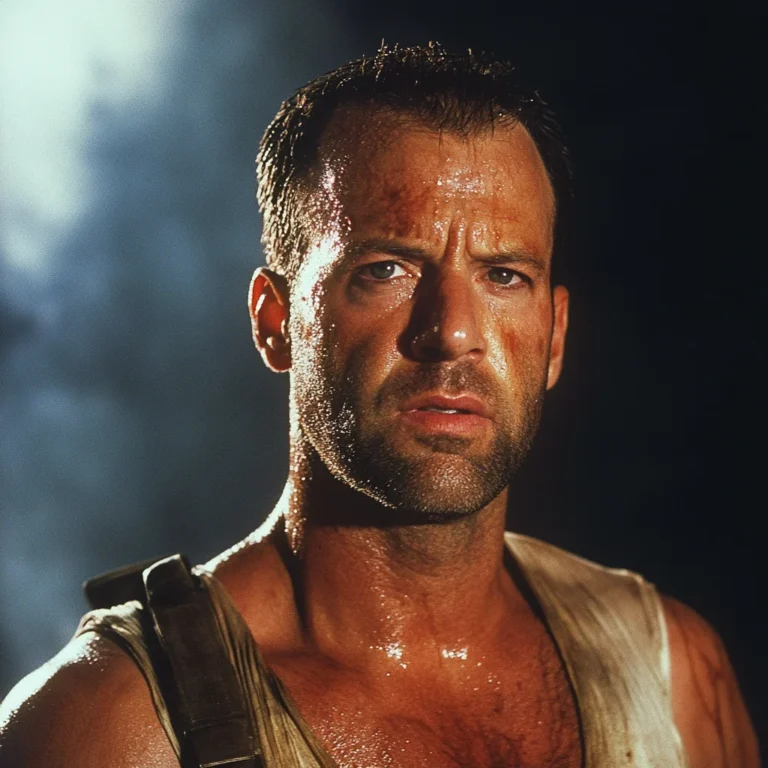
Die Hard redefined the action genre with its vulnerable hero and confined setting. It turned Bruce Willis into a global superstar overnight. Furthermore, it created one of the most memorable movie villains in cinema history. Consequently, this holiday classic remains a favorite for millions of fans. Explore these fascinating details about the battle at Nakatomi Plaza.
Die Hard
The studio legally had to offer the role to Frank Sinatra. Decades earlier, he starred in The Detective. Because Die Hard is a sequel to that book, they contractually had to ask him first.
Alan Rickman’s terrified face during his fall was completely real. Sneakily, the stunt coordinator dropped him on the count of two instead of three. Thus, his shock was genuine.
Bruce Willis lost hearing in one ear during filming. He fired a gun too close to his head while under a table. Unfortunately, the loud blank caused permanent damage.
The Nakatomi Plaza is actually the 20th Century Fox headquarters. Interestingly, the studio charged itself rent to use its own unfinished building. This saved them money on set construction.
The German terrorists did not speak real German. In the theatrical version, they spoke nonsense grammar that confused German audiences. Later, the studio dubbed their lines for the home release.
John McClane’s tank top is in a museum. Specifically, the Smithsonian Institute displays the dirty, bloody shirt. It represents a significant piece of American pop culture history.
Filmmakers added the “Bill Clay” scene for a specific reason. They realized Alan Rickman could do a perfect American accent. Therefore, they wrote a scene where he tricks McClane.
Bruce Willis filmed the movie while working a second job. He shot the TV show Moonlighting during the day. Then, he rushed to the movie set to film Die Hard at night.
Clint Eastwood originally owned the rights to the movie. He planned to star in it years earlier. However, he eventually dropped the project, which allowed Willis to take the part.
The glass scene used special candy glass. However, Willis also wore fake rubber feet. These prosthetic feet protected him while making it look like he was barefoot.
The famous “Yippee-ki-yay” line was a joke. Willis said it to make the crew laugh. Unexpectedly, the director loved it and kept it in the final cut.
Audience testing changed the ending. Originally, the terrorists escaped in an ambulance. However, audiences hated that the bad guys got away, so the writers changed the script.
The teddy bear appears in another famous movie. Director John McTiernan used the same bear in The Hunt for Red October. It sits on the shelf of Jack Ryan’s daughter.
Studio executives hid Bruce Willis’s face on the poster. At the time, they thought an action movie with a comedy TV star would flop. Later, they added his face after the film succeeded.
Finally, the script was based on a book called Nothing Lasts Forever. The novel features a much darker ending. In the book, the hero’s daughter dies when she falls from the building.
How useful was this post?
Click on a star to rate it!
This AI-assisted post was rigorously curated and fact-checked for accuracy by:
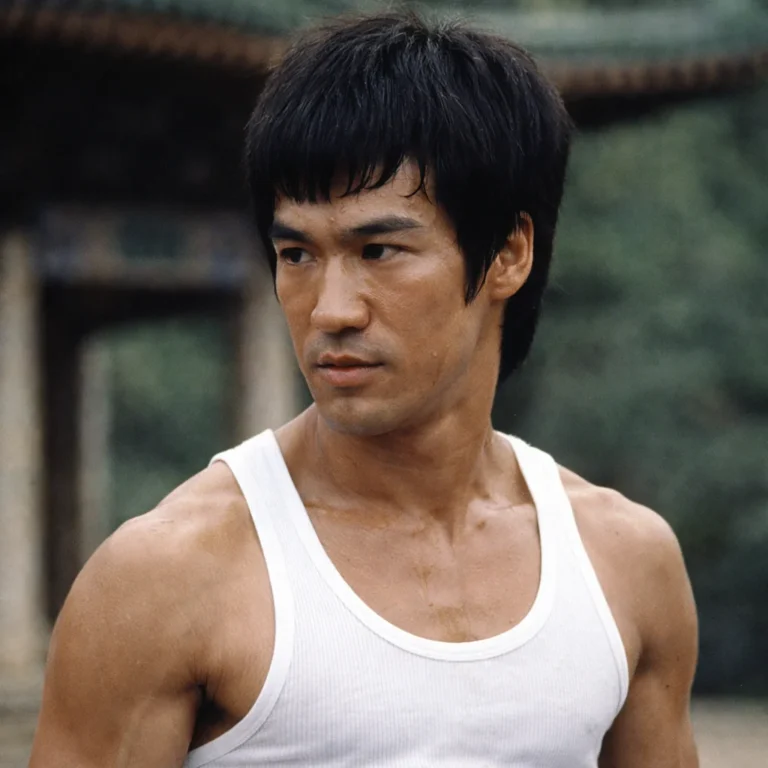
Bruce Lee transformed martial arts movies and changed how the West viewed Asian culture. He developed his own fighting style called Jeet Kune Do to prioritize speed and efficiency. Furthermore, his philosophy on life continues to inspire people decades after his sudden death. Consequently, he remains the most influential martial artist of all time. Explore these fascinating details about the Little Dragon.
Bruce Lee
Bruce Lee actually won a major dance competition in Hong Kong in 1958. Surprisingly, the martial arts master took home the crown as the colony’s Cha-Cha Champion.
He was born in San Francisco, not Hong Kong, while his father was on tour with the opera. Thus, he held American citizenship from birth by default.
His movements were so fast that standard film cameras could not capture them clearly. Directors actually asked him to punch slower because he appeared as a blur on the screen.
He possessed incredibly poor eyesight and wore thick glasses when he was not filming. Therefore, he relied heavily on touch and instinct during close-quarters combat.
He famously performed push-ups using only the thumb and index finger of one hand. This display of strength showcased the incredible power he concentrated in his digits.
Bruce Lee attended the University of Washington where he majored in philosophy. His academic studies deeply influenced the famous “be water” concept he later taught students.
Doctors surgically removed his sweat glands from his armpits in 1972. He made this drastic decision because he thought sweat looked bad on camera during movie shoots.
He stood at a height of roughly 5 feet 8 inches (1.73 meters). However, he often used camera angles and lifts to appear taller than his opponents.
He trained many Hollywood celebrities in martial arts, including Steve McQueen and James Coburn. Additionally, he charged them up to $1,000 per hour (roughly €920) for private lessons.
The famous fight scene with Kareem Abdul-Jabbar in Game of Death highlights a massive size difference. Bruce fought the NBA star who stood over 7 feet 2 inches (2.18 meters) tall.
He never actually blacked out or lost consciousness during a real street fight. Although he fought frequently as a teenager, he usually ended the conflicts within seconds.
Bruce Lee weighed only about 135 pounds (61 kilograms) at the peak of his physical fitness. Despite his light frame, he could strike with the force of a much heavier man.
The “One Inch Punch” remains his most famous demonstration of explosive power. He could knock a grown man backward several meters with his fist starting just one inch (2.54 centimeters) away.
Strangely, he did not voice his own character in the English version of Enter the Dragon. Another actor dubbed his lines because producers thought Bruce’s voice did not sound tough enough.
Finally, he carried a notebook everywhere to write down his ideas and workout routines. He documented his entire life meticulously, leaving behind thousands of pages of notes.
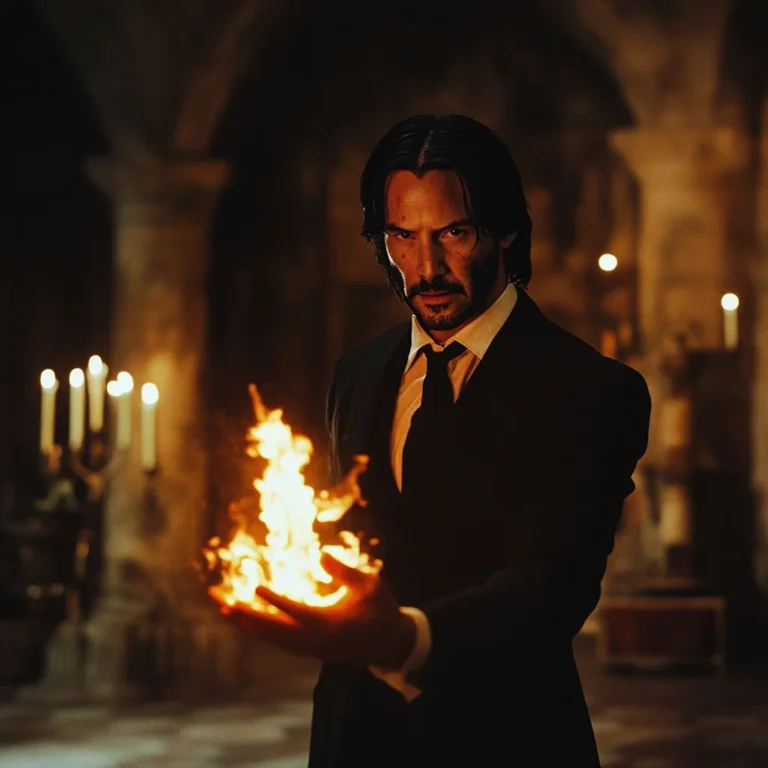
The movie Constantine blends supernatural action with biblical lore in a unique way. While fans know about Keanu Reeves as the demon hunter, many lesser-known details about the film’s production and story remain hidden. These intriguing facts shed light on how this cult classic came to life, uncovering secrets that make Constantine even more fascinating for viewers.
Constantine
Keanu Reeves learned to ride a motorcycle specifically for his role as John Constantine, adding authenticity to action scenes.
The character Constantine originally appeared in the Hellblazer comic series, which inspired the film’s dark tone.
Director Francis Lawrence made his feature film debut with Constantine, using his TV experience to create a visually distinct style.
The film’s portrayal of demons and angels draws heavily from Christian mythology but with creative liberties.
Guillermo del Toro helped design some of the demonic creatures, lending an eerie, otherworldly look.
Tilda Swinton played the angel Gabriel in the movie, choosing to portray the character without traditional gender cues.
The movie was filmed in multiple locations around Los Angeles, standing in for a gritty, supernatural cityscape.
Keanu Reeves performed many of his own stunts, including intense fight scenes and action sequences..
The iconic trench coat worn by Constantine became a defining costume piece for the character’s look.
The movie initially received mixed reviews but gained a strong cult following over time.
Constant references to sin, redemption, and fate reflect the film’s deep theological and philosophical layers.
The script included several scenes that were cut for pacing but remain popular among fans in deleted footage.
The soundtrack mixes rock and orchestral music to enhance the film’s dark yet dramatic tone.
The character’s love interest, Angela, was portrayed with a strong feminist angle, contrasting typical action tropes.
Constantine’s design emphasizes practical effects combined with CGI, creating a believable supernatural world.