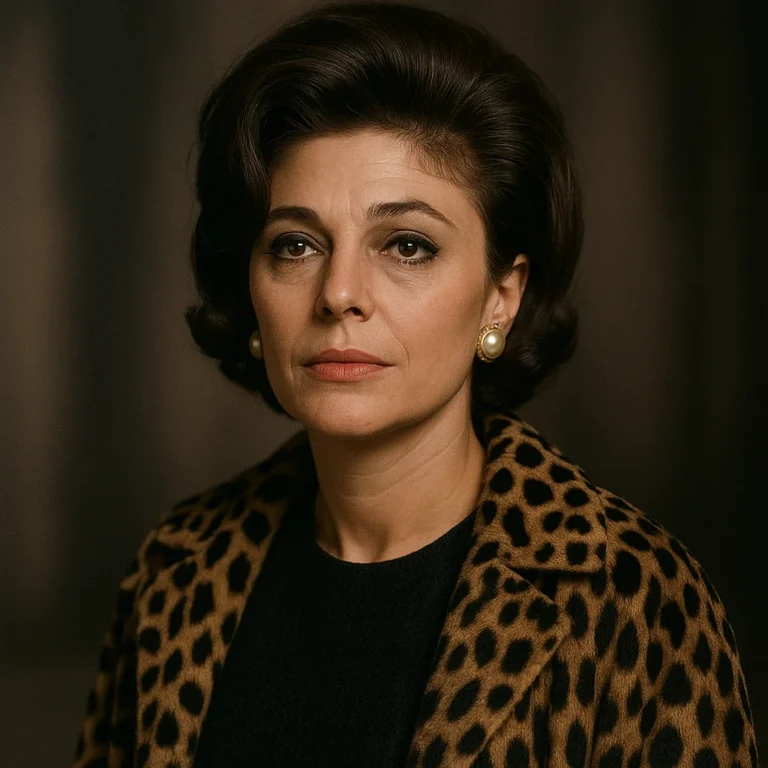
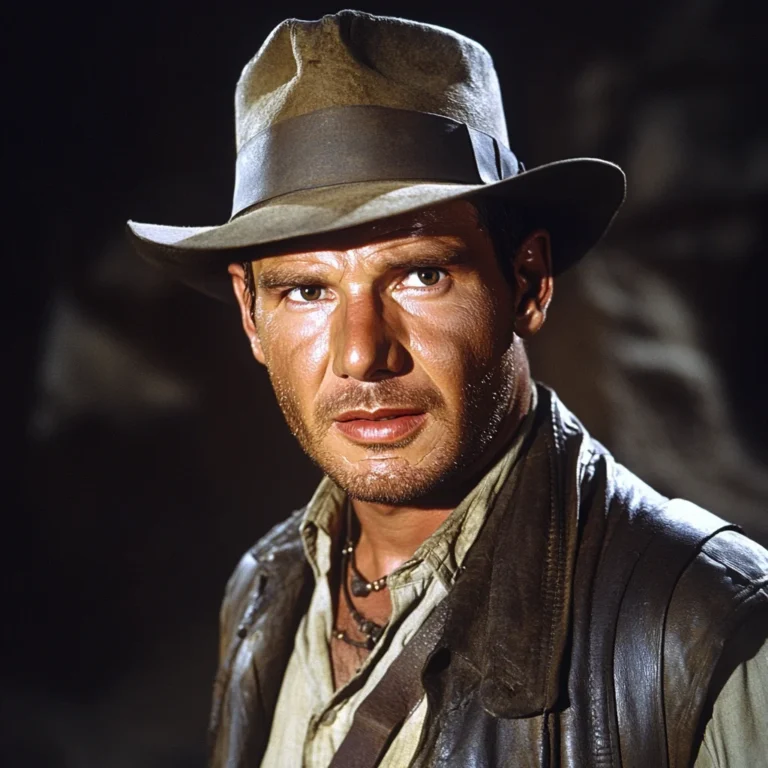
Anne Bancroft remains one of Hollywood’s most magnetic and complex actresses. While everyone remembers her for The Graduate, her artistry stretched far beyond that role. Behind the elegance and intensity were fascinating stories, personal quirks, and fearless choices that defined Anne Bancroft’s unforgettable career.
Anne Bancroft
Anne Bancroft was born Anna Maria Louisa Italiano, but she changed her name after a studio executive told her it sounded “too ethnic.”
She studied under Lee Strasberg at the Actors Studio in New York, where she developed her intense Method acting style.
Before Hollywood recognized her, Bancroft worked in television shows where she often performed live scenes without retakes.
She won an Academy Award for The Miracle Worker, yet she nearly turned down the role because she was exhausted from Broadway performances.
Anne Bancroft starred in The Graduate at only 35 years old, even though her co-star Dustin Hoffman was 29.
Despite her fame, she disliked being labeled a sex symbol and preferred complex, intelligent characters.
Mel Brooks first saw her on stage and fell in love instantly. They married in 1964 and stayed together for over 40 years.
She secretly wrote short stories and poems, and she once said writing gave her “a private world to breathe in.”
Anne Bancroft directed Fatso in 1980, making her one of the few women directors in Hollywood at the time.
She never watched The Graduate after its release because she felt uncomfortable seeing herself in such an iconic role.
Bancroft often carried a notebook filled with acting observations and personal reflections that inspired her future performances.
When filming The Elephant Man, Anne spent weeks studying hospital records to portray her character authentically.
She surprised fans when she performed a comedic role in Mel Brooks’s To Be or Not to Be, showing her playful side.
Anne Bancroft voiced her admiration for Meryl Streep, calling her “the actress who carries truth in every blink.”
Her final film appearance, in Heartbreakers, proved she could still captivate audiences with humor, charm, and precision after decades in the industry.
How useful was this post?
Click on a star to rate it!
This AI-assisted post was rigorously curated and fact-checked for accuracy by:
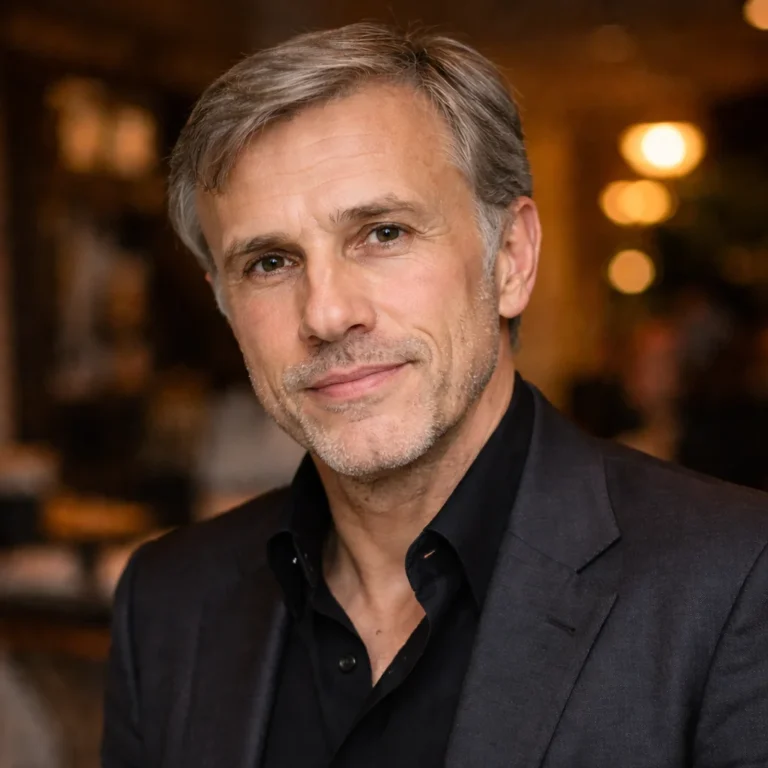
Christoph Waltz exploded onto the global stage later in life than most Hollywood stars, proving that talent has no expiration date. Before he terrified audiences as the charming yet deadly Hans Landa, he spent thirty years working steadily in European television and theater. His unique ability to switch effortlessly between languages and mix politeness with menace makes him one of the most versatile actors working today. Furthermore, his partnership with Quentin Tarantino produced two Academy Awards in record time. Prepare to meet the man behind the polite villainy.
Christoph Waltz
Quentin Tarantino almost cancelled Inglourious Basterds because of him. The director feared Christoph Waltz had written a character that was impossible to play. Fortunately, Waltz walked into the audition room and saved the production by embodying Hans Landa perfectly.
Linguistically, he is truly fluent in three languages. In his breakout role, he acted in English, German, and French, and even spoke a little Italian. Consequently, he did not just memorize the lines phonetically but actually understood the nuance of every word.
Uniquely, he dubbed his own voice for the international versions of the film. He recorded the German and French dubs for his character Hans Landa himself. Thus, audiences in Paris and Berlin heard his actual voice rather than a hired voice actor.
Surprisingly, one of his sons is an Orthodox rabbi. While the actor himself is not religious, his son studied in a yeshiva in Israel and became a rabbi. Waltz attended the wedding in Jerusalem and respects his son’s dedication to his faith.
Christoph Waltz worked as a TV actor for thirty years before finding fame. In Germany and Austria, he was a familiar face on police procedurals and romantic comedies. However, he felt somewhat trapped in the industry until Hollywood finally called.
Painfully, he dislocated his pelvic bone while filming Django Unchained. During training for the role of Dr. King Schultz, he fell off his horse severely. This injury explains why his character rides a carriage for the early parts of the movie.
He became the first actor to win an Oscar for a Tarantino film. While many actors have delivered legendary performances for the director, Waltz was the first to take home the golden statue. Amazingly, he did it twice within just three years.
Legally, he had to apply for Austrian citizenship later in life. Although he was born in Vienna and grew up there, his father was German, which gave him a German passport by birth. He only received his official Austrian citizenship honorarily in 2010.
He comes from a long line of theater professionals. His grandmother was a burgtheater actress and his step-grandfather was an opera singer. Therefore, the performing arts were the family business long before he stepped on a stage.
Christoph Waltz played the classic James Bond villain Ernst Stavro Blofeld. He brought a modern, psychological edge to the character in Spectre and No Time to Die. This role cemented his status as the go-to actor for sophisticated, intelligent antagonists.
Ironically, he considers himself extremely boring in real life. Unlike his flamboyant characters, he prefers a quiet life and avoids the Hollywood party scene. He often jokes that his private life is too dull to be of interest to tabloids.
He hosted Saturday Night Live to critical acclaim. Despite being known for serious drama and villains, he showed excellent comedic timing on the sketch show. He even poked fun at his own terrifying image in a sketch about a casual Jesus.
He does not use social media at all. You will not find him scrolling through Instagram or posting selfies. He believes that maintaining mystery is essential for an actor so the audience can believe in the characters.
Christoph Waltz studied acting in New York City during the seventies. Before his career in Europe, he trained at the famous Lee Strasberg Theatre and Film Institute. This early exposure to American method acting likely helped him bridge the gap between German and US cinema later.
Finally, he has a star on the Hollywood Walk of Fame. This honor immortalized his contribution to cinema in 2014. Fittingly, Quentin Tarantino was the one who presented him with the prestigious plaque on the sidewalk.
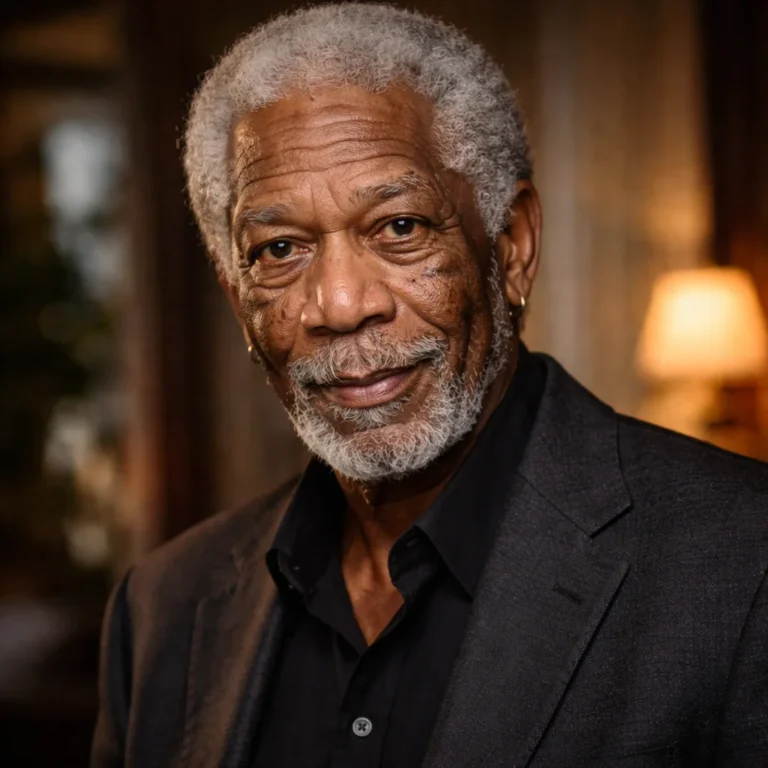
Bob Odenkirk successfully pulled off one of the rarest career pivots in Hollywood history, transforming from a cult comedy writer into a critically acclaimed dramatic actor and action hero. For decades, he worked behind the scenes writing for legends, creating the alternative comedy scene in the nineties. However, his role as the morally flexible lawyer Saul Goodman introduced him to a global audience and earned him multiple award nominations. Furthermore, his recent turn as an action star proves that it is never too late to reinvent yourself. Prepare to call Saul with the man who brings him to life.
Bob OdenkirkBob Odenkirk
He wrote the legendary “Matt Foley: Van Down by the River” sketch for Chris Farley. While working at The Second City in Chicago, Bob Odenkirk created the character of the frantic motivational speaker specifically for Farley. He later brought the sketch to Saturday Night Live, where it became one of the most famous segments in the show’s history.
He almost played Michael Scott on The Office. The producers considered him the top choice for the role if Steve Carell declined the offer. He eventually appeared in the final season of the show as a manager who acts suspiciously like Michael Scott, giving fans a glimpse of what could have been.
He trained for two years to become an action star for the movie Nobody. At the age of fifty-eight, he underwent brutal physical training to perform his own fight choreography. He wanted to do his own stunts to show the audience that an ordinary dad could truly experience that level of exhaustion and pain.
He suffered a major heart attack on the set of Better Call Saul. During the filming of the final season, he collapsed. His heart stopped beating for nearly twenty minutes. Fortunately, the on-set health safety supervisor performed CPR immediately. He saves hislife and allowing him to finish the series after recovery.
He originally had not seen Breaking Bad when he accepted the role of Saul Goodman. When the producers offered him the part, he had to call a friend to ask if the show was actually any good. He accepted the job primarily because he needed the money, unaware he was joining one of the biggest shows on television.
He discovered the comedy duo Tim & Eric. Bob Odenkirk saw a DVD they sent him and immediately recognized their bizarre genius. He helped them get their first show on Adult Swim, effectively launching their careers and the specific style of cringe comedy they popularized.
He won two Emmy Awards for writing before he became famous for acting. He earned trophies for his writing work on Saturday Night Live and The Ben Stiller Show. Despite his massive success as an actor later in life, the Emmys surprisingly never awarded him a statue for his performance as Saul Goodman.
He appeared in Seinfeld as Elaine’s boyfriend. In the episode “The Abstinence,” he played Ben, a doctor who technically hadn’t passed his licensing exam. Elaine eventually breaks up with him because he isn’t a “real” doctor, a classic Seinfeldian conflict.
He shared an office with Conan O’Brien at Saturday Night Live. The two future legends worked together as writers in the late eighties and remained close friends. They often spent their time doing silly bits to make each other laugh rather than working on actual sketches for the show.
He created the cult classic sketch show Mr. Show with Bob and David. Along with David Cross, he pioneered a style of sketch comedy where every scene transitioned seamlessly into the next. Although it wasn’t a ratings hit at the time, comedians today cite it as a major influence on modern humor.
Saul Goodman was only supposed to appear in three episodes. The writers intended for the lawyer to be a temporary character to help Walt and Jesse out of a jam. However, Odenkirk’s performance was so electric that they kept bringing him back, eventually giving him his own spinoff series.
He voiced a major character in The Incredibles 2. He provided the voice for Winston Deavor, the wealthy businessman who wants to bring superheroes back into the spotlight. He noted that he channeled his inner enthusiastic salesman to bring the character to life.
He wrote a memoir titled Comedy Comedy Comedy Drama. The book chronicles his journey from sketch comedy writer to dramatic actor. In it, he speaks candidly about his career struggles and the “cynicism” he had to let go of to find happiness.
The hairpiece he wore as Saul Goodman was a deliberate character choice. Bob Odenkirk and the stylists designed a mullet-comb-over hybrid to show that the character was trying to look younger and “cool.” He jokingly referred to the hairpiece as his main acting partner.
Finally, Bob Odenkirk played the father in Greta Gerwig’s Little Women. In a departure from his usual sleazy or comedic roles, he played the kind and gentle Mr. March. This role showcased his range and ability to play warm, sincere characters just as effectively as con men.