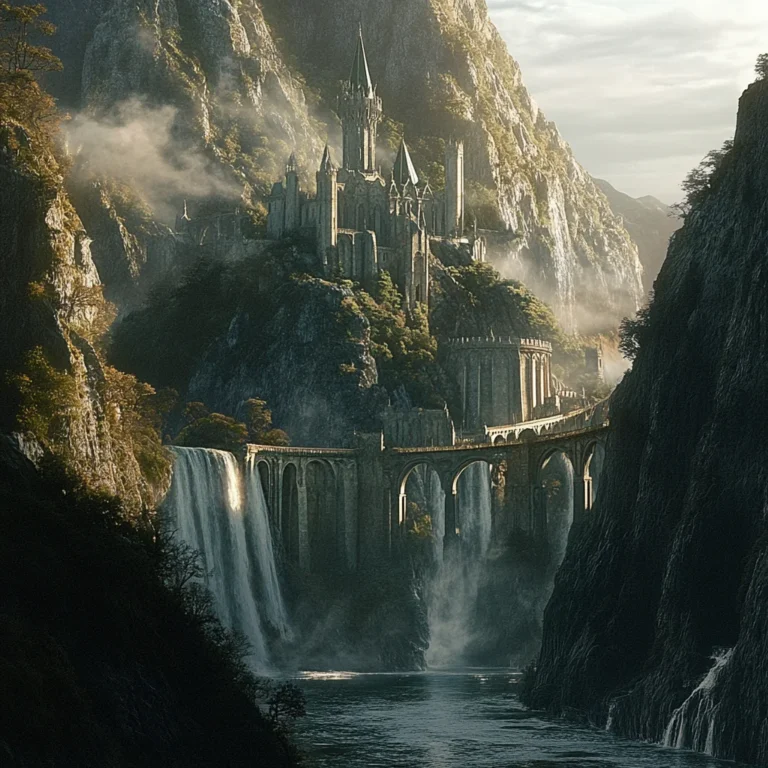
The Lord of the Rings movies changed cinema forever with their massive scale. Peter Jackson adapted J.R.R. Tolkien’s complex books into an epic trilogy. These films won seventeen Oscars and captured imaginations worldwide. However, the production faced chaos, injuries, and crazy casting choices. Fans still watch the extended editions religiously to see every detail. Prepare to journey back to Middle-earth.
The Lord of the Rings
Initially, the Beatles wanted to make their own Lord of the Rings movie. Specifically, Paul McCartney planned to play Frodo. However, J.R.R. Tolkien rejected the idea immediately. Consequently, the band never journeyed to Middle-earth.
Famously, Viggo Mortensen broke two toes while filming a scene. He kicked a heavy steel helmet in frustration. Therefore, his scream of anguish in the final cut is completely real. Thus, the actor used actual pain for his performance.
Surprisingly, Sean Connery turned down the role of Gandalf. He read the script but did not understand it. Consequently, he missed out on hundreds of millions of dollars. Eventually, Ian McKellen took the iconic part instead.
Christopher Lee met J.R.R. Tolkien in a pub decades ago. In fact, he was the only cast member who met the author. Although he wanted to play Gandalf, he played Saruman. Nevertheless, his knowledge of the lore helped the production.
Lord of the Rings sound designers created the Nazgul screams with plastic cups. Specifically, they scraped the cups together to make the screeching noise. Then, they mixed it with real voice recordings. Thus, terrifying sounds came from simple household items.
The New Zealand army played the orcs in big battle scenes. During breaks, the soldiers performed the traditional Haka dance. Furthermore, Peter Jackson used their real chanting voices for the soundtrack.
Originally, the studio wanted to condense the Lord of the Rings into one film. However, Peter Jackson refused this impossible request. Fortunately, New Line Cinema agreed to make a trilogy.
Sean Astin stepped on a shard of glass during the water scene. Helicopters had to airlift him to a hospital immediately. Despite the heavy bleeding, he returned to the set quickly.
Interestingly, the cast got matching tattoos. They inked the number nine in Elvish on their bodies. However, John Rhys-Davies refused to get one. Instead, he sent his stunt double to get the ink.
John Rhys-Davies is actually the tallest actor in the Fellowship. Therefore, the crew used camera tricks to make him look like a dwarf. Often, he suffered allergic reactions to his heavy facial prosthetics.
Andy Serkis drank a special mixture called “Gollum Juice.” He needed it to soothe his throat after doing the raspy voice. Specifically, the drink contained honey, lemon, and ginger.
Orlando Bloom broke a rib after falling off a horse. Even so, he continued filming through the pain. The cast suffered many injuries during the Lord of the Rings production.
Miraculously, The Return of the King won every Oscar it was nominated for. It swept all eleven categories at the Academy Awards. Thus, it tied the record set by Titanic and Ben-Hur.
Peter Jackson kept the One Ring after filming ended. Actually, Elijah Wood also has a version of the prop. Jokingly, they argue about who holds the “real” one.
A poltergeist supposedly haunted the set. Lights exploded randomly during key scenes. Consequently, the crew believed a ghost lived in the studio.
How useful was this post?
Click on a star to rate it!
This AI-assisted post was rigorously curated and fact-checked for accuracy by:
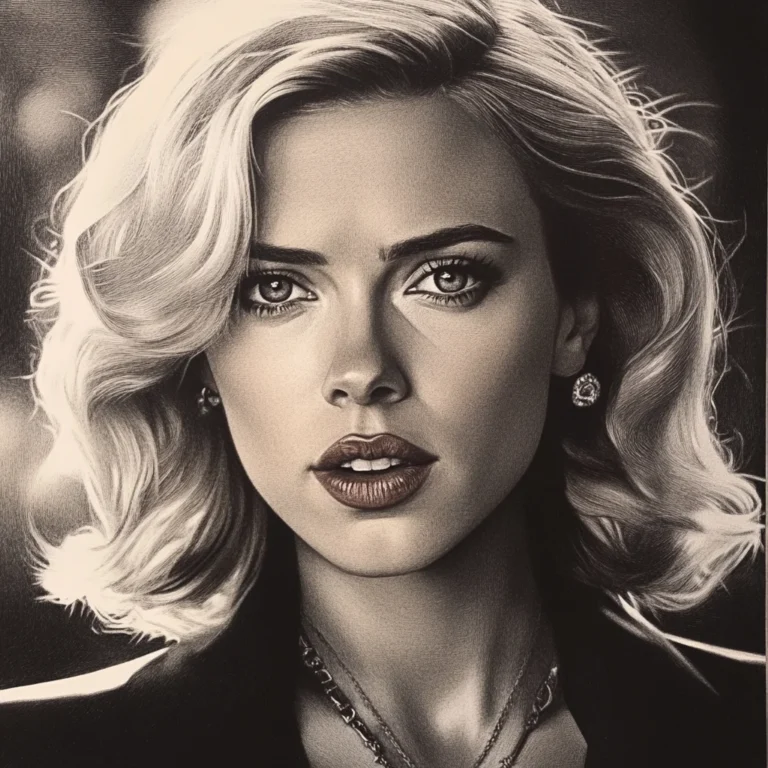
Scarlett Johansson stands as one of the most recognizable faces in Hollywood history. You likely know her as the fierce Black Widow from the Marvel movies, but her career began long before she joined the Avengers. She started acting as a child and transitioned seamlessly into adult roles. Interestingly, her signature raspy voice actually cost her jobs when she was young. Today, she balances blockbuster action films with smaller, artistic projects. Let’s explore the life of the highest-paid actress in the world.
Scarlett Johansson
She has a twin brother named Hunter Johansson. Surprisingly, he is much taller than her. They even appeared together in the film Manny & Lo when they were children.
Director David Fincher rejected her for the lead role in The Girl with the Dragon Tattoo. He explained that she looked too sexy for the character. Consequently, the role went to Rooney Mara.
Advertising agencies rejected her for commercials as a child. They felt her deep, raspy voice sounded too much like an adult. Therefore, she focused on film roles instead.
Scarlett Johansson released a music album titled Anywhere I Lay My Head. Boldly, she covered songs by the legendary Tom Waits. However, the album received mixed reviews from critics.
She strictly avoids social media platforms like Instagram or Twitter. She values her privacy deeply. Thus, she refuses to share the details of her daily life with the public online.
The crew had to hide her pregnancy during the filming of Avengers: Age of Ultron. They used three different stunt doubles. Eventually, the visual effects team edited her face onto their bodies.
She sued Disney regarding the streaming release of the Black Widow movie. She argued that the digital release violated her contract. Ultimately, they settled the lawsuit out of court.
Her parents named her after a famous literary character. They loved Gone with the Wind. So, they named her after the protagonist, Scarlett O’Hara.
She was married to Ryan Reynolds for two years. Many fans forget this short relationship. They kept their marriage incredibly private before they divorced in 2011.
She is a natural lefty. If you watch closely, you can see her writing or holding objects with her left hand in her movies.
She became the first woman to voice the snake Kaa in The Jungle Book. historically, male actors always voiced this character. However, the director wanted a seductive female voice for the remake.
Scarlett Johansson celebrated her 20th birthday at Disneyland. Clearly, she loves the theme park. She even tried to wear a disguise, but fans recognized her immediately.
Woody Allen considered her his muse for several years. Consequently, they collaborated on three successful films, including Match Point and Vicky Cristina Barcelona.
She practiced creating a “bored face” for Lost in Translation. The director, Sofia Coppola, wanted her to look unhappy without trying too hard. This subtle acting won her a BAFTA award.
She works closely with the charity Feeding America. Passionately, she helps raise awareness about hunger in the United States. She often volunteers at food banks to support the cause.
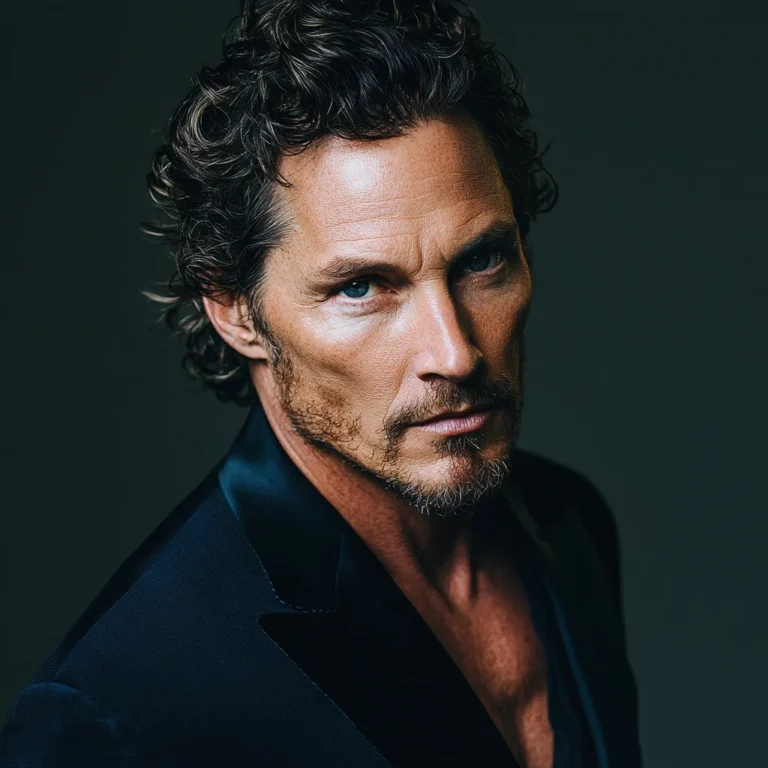
Matthew McConaughey stands out not only for his Oscar-winning roles but also for his unique personality and life stories. From surprising childhood experiences to his passion for nature and music, many details about him are lesser-known yet fascinating. Explore the intriguing aspects of McConaughey’s life and career that make him a truly captivating figure.
Matthew McConaughey
Matthew McConaughey was voted “Most Handsome Student” in high school despite struggling with severe acne.
He spent a year in Australia as a Rotary exchange student, even adopting an Australian accent for a while.
Before acting, Matthew considered a career in law and originally majored in pre-law at university.
His first paid acting job was in a beer commercial, marking his entry into show business.
McConaughey once played bongo drums for eight hours straight to help his wife during childbirth.
He owns a 1,600-acre ranch in West Texas, where he enjoys a peaceful life away from Hollywood.
He rarely wears deodorant or cologne, embracing a natural lifestyle.
McConaughey helped rescue countless animals, especially after Hurricane Katrina devastated New Orleans.
His favorite actor and inspiration is Paul Newman, and he named a beloved dog after Newman’s movie “Hud.”
Matthew lost 47 pounds to portray Ron Woodroof in Dallas Buyers Club, a role that won him an Oscar.
Despite being a native Texan, he supports the Washington Redskins NFL team, unlike many locals.
Early in his career, he struggled with legal trouble, including resisting arrest during a party incident.
He founded the Just Keep Livin Foundation to encourage healthy lifestyles among young people.
He was considered for the role of Jack Dawson in Titanic but lost the part to Leonardo DiCaprio.
Matthew keeps a daily diary that helped him write his acclaimed memoir Greenlights.