The Ephemeral Bloom: 15 Fascinating Facts About Japanese Cherry Blossoms
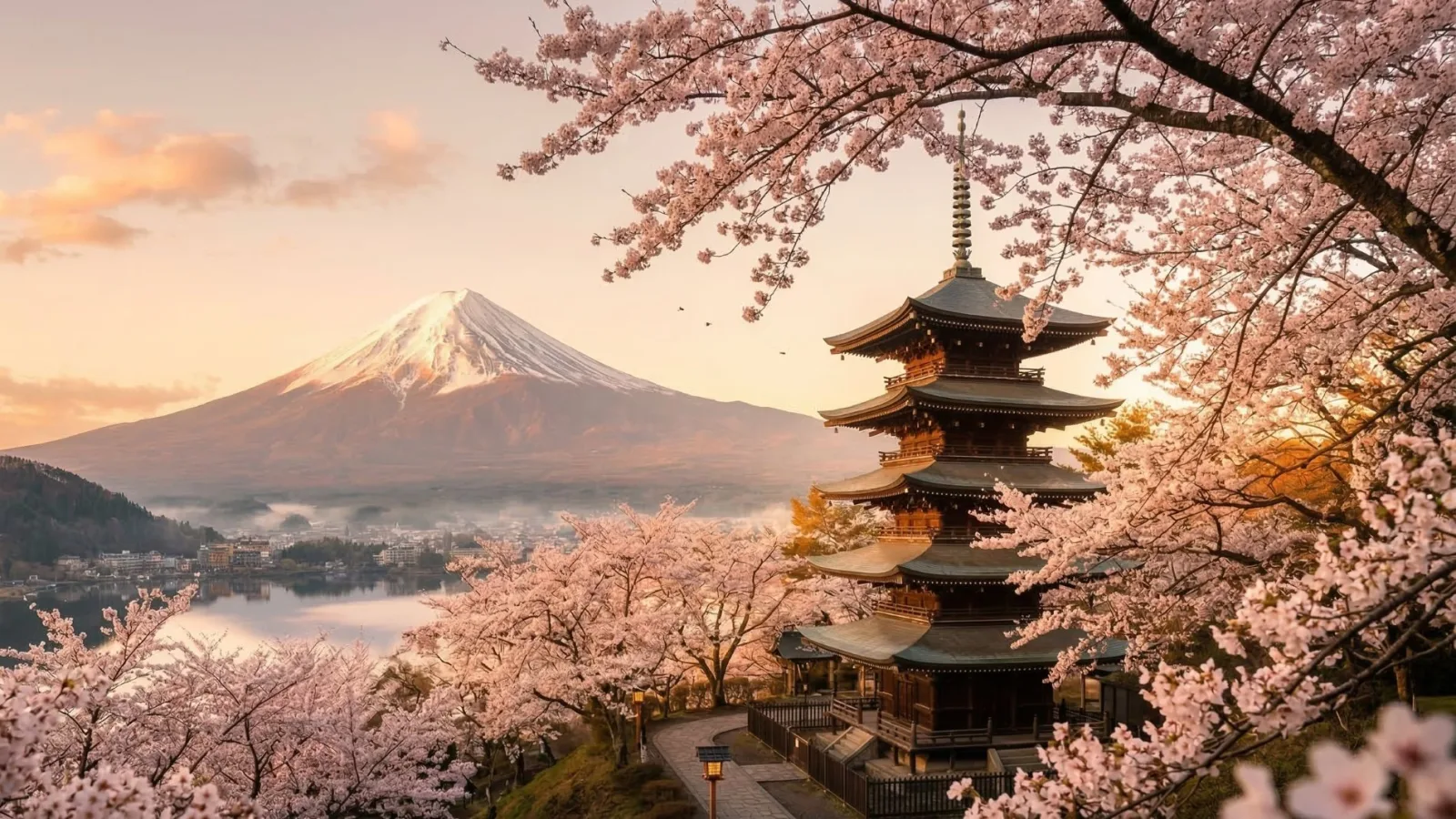
Every spring, Japan turns into a breathtaking canvas of soft pink and white as millions of cherry blossoms, or sakura, reach peak bloom. Far more than just a stunning visual display, these delicate flowers carry centuries of history, rich cultural traditions, and profound philosophical meaning tied to impermanence. From historic imperial viewing parties and military symbolism to clonal genetics and culinary delights, cherry blossoms hold a unique place in global heritage. Here are 15 fascinating facts about Japan's most iconic natural treasure.
1. The Hanami Tradition Originally Started with Plum Trees
Long before cherry blossoms dominated Japanese spring celebrations, aristocrats in the eighth and ninth centuries gathered to admire a completely different flower. During the Nara and early Heian periods, Japanese royalty practiced hanami (flower viewing) by appreciating the fragrant blooms of the plum tree, or ume, which was imported from China and heralded the first signs of spring. It was not until the late Heian period that popular culture shifted its obsession toward native cherry blossoms. The cherry blossom gradually surpassed the plum tree in poetry, art, and imperial preference, cementing its status as the nation's quintessential spring symbol. Today, while plum blossom viewing still occurs in late winter, cherry blossoms remain the main attraction for millions of festivalgoers worldwide.
2. Sakura Belong to the Botanical Rose Family
Despite their unique appearances and distinct cultural associations, cherry blossom trees belong to the Rosaceae family, making them close botanical relatives of roses, apples, almonds, and strawberries. Known officially as sakura in Japan, these ornamental trees are cultivated primarily for their breathtaking flowers rather than edible fruit. The delicate blooms feature distinct indented petals that differentiate them from other flowering fruit trees like peaches and plums. Over centuries, horticulturists have bred hundreds of ornamental varieties designed specifically to maximize floral density and aesthetic beauty. Understanding their botanical lineage helps explain why cherry blossoms share structural traits and floral scents with many common garden favorites.
3. The Blossoms Represent the Ephemeral Concept of Mono no Aware
The cherry blossom holds a deeply spiritual place in Japanese culture, acting as a vivid metaphor for the transient nature of life. Because the flowers remain on the branch for only about a week before falling, they embody the ancient Buddhist concept of mono no aware, which translates roughly to an empathetic awareness of impermanence. Rather than inspiring sadness, the brief lifespan of the bloom serves as a reminder to cherish fleeting moments of joy and beauty. This philosophy has influenced centuries of Japanese literature, poetry, and philosophy, teaching that true beauty lies in fragility. Every spring, as millions of petals shower the ground, observers reflect on life's rapid changes and natural cycles.
4. A Warlord Once Hosted a Legendary 5,000-Guest Viewing Party
In the spring of 1598, one of Japan’s most powerful historical figures brought flower viewing to unprecedented levels of grandeur. The legendary samurai commander Toyotomi Hideyoshi organized a massive, extravagant hanami celebration at Mount Yoshino in Nara Prefecture, inviting over 5,000 guests, including high-ranking warriors, aristocrats, and tea masters. Hideyoshi spared no expense, commissioning special tea houses, musical performances, and poetry recitations set against the backdrop of thousands of blooming trees. To prepare for the event, he had hundreds of mature cherry trees transplanted to ensure an unrivaled floral spectacle. This historic event set a precedent for lavish public gatherings and cemented Mount Yoshino as one of Japan's most famous cherry blossom destinations.
5. National Meteorologists Track the Bloom via the Sakura Zensen
Predicting when cherry blossoms will reach peak bloom is a matter of serious national interest across Japan each spring. The Japan Meteorological Corporation and various news agencies track the sakura zensen, or cherry blossom front, as warm weather sweeps northward across the archipelago. The bloom begins as early as January in the subtropical southern islands of Okinawa and reaches the northern island of Hokkaido by May. Modern forecasting uses complex algorithms that monitor winter temperatures, daylight hours, and seasonal warmth to predict exact blooming dates for every region. Millions of citizens and international travelers rely heavily on these daily forecasts to plan vacation days and picnic celebrations down to the exact weekend.
6. Hanami Transformed into a Lively Public Picnic Culture
What began as an exclusive pastime for emperors and courtiers eventually transformed into a vibrant cultural phenomenon enjoyed by everyone. The practice of hanami, which literally translates to "flower viewing," expanded to the general public during the peaceful Edo period. Today, millions of friends, families, and coworkers gather in public parks across Japan, spreading out distinctive blue plastic tarps directly under the floral canopy. Celebrants share elaborate bento boxes, enjoy seasonal street foods, drink sake, and sing songs while surrounded by falling petals. It is widely considered one of the most socially important annual bonding traditions in Japanese modern culture.
7. The Viewing Tradition Continues at Night as Yozakura
The beauty of the cherry blossom is not restricted to daylight hours, as the party continues well after sunset through a beloved tradition known as yozakura. Parks and historic temple grounds illuminate thousands of cherry trees using decorative paper lanterns, spotlights, and ambient floodlights. The soft glow transforms the daytime pink canopy into a ghostly, enchanted landscape set against the dark night sky. Many historic castles, such as Osaka Castle and Hirosaki Castle, offer evening admissions specifically so visitors can experience this ethereal atmosphere. The cool nighttime air and lit blossoms offer a romantic and captivating alternative to daytime picnicking.
8. Cherry Blossom Petals Are a Popular Culinary Ingredient
Cherry blossoms are not just visually captivating; they are also a cherished culinary element in traditional Japanese cuisine. Fresh petals are carefully harvested while intact and preserved through a meticulous salting and pickling process known as sakurazuke. These preserved blooms are added to seasonal spring sweets, or wagashi, providing a subtle floral fragrance and a slightly salty contrast to sweet bean pastes. A famous example is sakura mochi, a sweet pink rice cake wrapped in an edible pickled cherry leaf. Additionally, whole blossoms are sometimes infused into rice wines, baked goods, and soft-serve ice cream to celebrate spring's arrival.
9. Pickled Leaves Are Used to Make Salty Floral Tea
In addition to the colorful petals, the leaves of specific cherry blossom species are prized for their distinct aroma and culinary versatility. Young green leaves are harvested and pickled in salt water, which releases coumarin, an organic compound responsible for the signature sweet, hay-like fragrance of cherry blossoms. These pickled leaves are frequently wrapped around traditional seasonal sweets or steeped directly in hot water to create sakurayu. This gently salty, fragrant herbal tea is served at celebratory events such as weddings and engagement ceremonies to symbolize good fortune and fresh beginnings. The unique salty-sweet profile remains a defining flavor profile of the Japanese spring season.
10. Japan Is Home to More Than 200 Cultivated Varieties
While standard light pink flowers dominate popular imagery, Japan boasts over 200 distinct cultivated varieties of cherry trees. These species vary drastically in color, shape, petal count, and blooming schedule. Petal colors range from brilliant pure white and pale pastel pink to deep magenta and even rare pale green varieties like the Ukon cherry tree. Furthermore, while wild cherry blossoms typically feature five petals per bloom, cultivated varieties known as yaezakura can feature anywhere from ten to over fifty layered petals on a single flower. This astonishing diversity ensures that different regions of Japan enjoy extended blooming seasons throughout the spring.
11. The Most Popular Cherry Tree Variety Is a Single Clone
The vast majority of cherry trees seen across Japan today belong to a single, highly popular variety called the Somei-Yoshino. Developed in Tokyo during the late 19th century, this variety was favored for its exceptionally fast growth and striking appearance, as its pale pink blossoms open before the leaves emerge. Because Somei-Yoshino trees are self-sterile, they cannot reproduce through seeds and must be propagated artificially through grafting or cuttings. This means that virtually every Somei-Yoshino tree in Japan is an exact genetic clone of the original tree. Consequently, all trees in a given neighborhood respond to weather triggers identically, blooming and shedding their petals in perfect synchronization.
12. Falling Petals Were Used as WWII Military Symbolism
During the Second World War, the profound cultural symbolism of falling cherry blossoms took on a dark and tragic military meaning. Imperial authorities used the image of the quickly falling petal to romanticize ultimate sacrifice for the empire, comparing young soldiers to delicate blossoms detached at their prime. Flying officers painted cherry blossom motifs on the sides of their aircraft, and young kamikaze pilots often carried cherry branches on their final missions. The popular phrase was that sacrificed soldiers would meet again as fallen blossoms at the Yasukuni Shrine in Tokyo. This military association created a poignant and somber chapter in the long cultural history of the flower.
13. They Served as an Iconic Diplomatic Gift to the United States
In 1912, as a gesture of lasting international friendship and gratitude, Mayor Yukio Ozaki of Tokyo gifted over 3,000 cherry trees to the city of Washington, D.C. The trees were planted around the Tidal Basin, where they continue to bloom spectacular white and pink flowers every spring. This gift established the famous National Cherry Blossom Festival, which attracts over a million global tourists to the American capital each year. In 1965, Japan reinforced this diplomatic bond by donating another 3,800 trees to First Lady Lady Bird Johnson. Today, these historic trees stand as an enduring symbol of peace and cross-cultural alliance between the two nations.
14. Blossoms Perfectly Align with the Season of New Beginnings
In Japan, peak cherry blossom season coincides with a period of major personal and professional transitions across the country. Unlike in Western nations where the fiscal and academic calendars begin in autumn, Japan's school year and corporate fiscal year both start on April 1st. Consequently, the floating petals provide a dramatic natural backdrop for school entrance ceremonies, graduation photographs, and first days at new jobs. The sight of blooming sakura evokes feelings of hope, renewal, and fresh starts, cementing the flower as the ultimate symbol of life's next chapter for generations of students and workers. This timing reinforces the emotional connection citizens feel toward the annual arrival of the blossoms.
15. The Cherry Blossom Is Actually an Unofficial National Symbol
Despite being universally associated with Japan on the global stage, the cherry blossom is not the official national flower of the country. Japan actually does not have a single legally designated national flower, though two blooms hold unmatched cultural prominence. The cherry blossom acts as the popular, unofficial flower of the people, while the chrysanthemum serves as the official seal of the Japanese Imperial Family and appears on the cover of Japanese passports. Nevertheless, the sakura remains deeply embedded on Japanese coinage, military insignia, and national artwork, serving as the undisputed heart of Japan's visual identity. This dual status reflects both the imperial heritage and the popular, everyday spirit of Japanese culture.
Sources & References
This AI-assisted post was rigorously curated and fact-checked for accuracy by:
 Martin Roháček
How fun was this article? 🤔
Tap a star to rate it
🧠 Quiz: How closely were you paying attention?
10 questions — all answers are in the article above!
Enjoyed these facts? There's more! 💌
Fresh fun facts in your inbox. No spam, ever.