The Soulful Prophet: 15 Fascinating Facts About Bob Marley
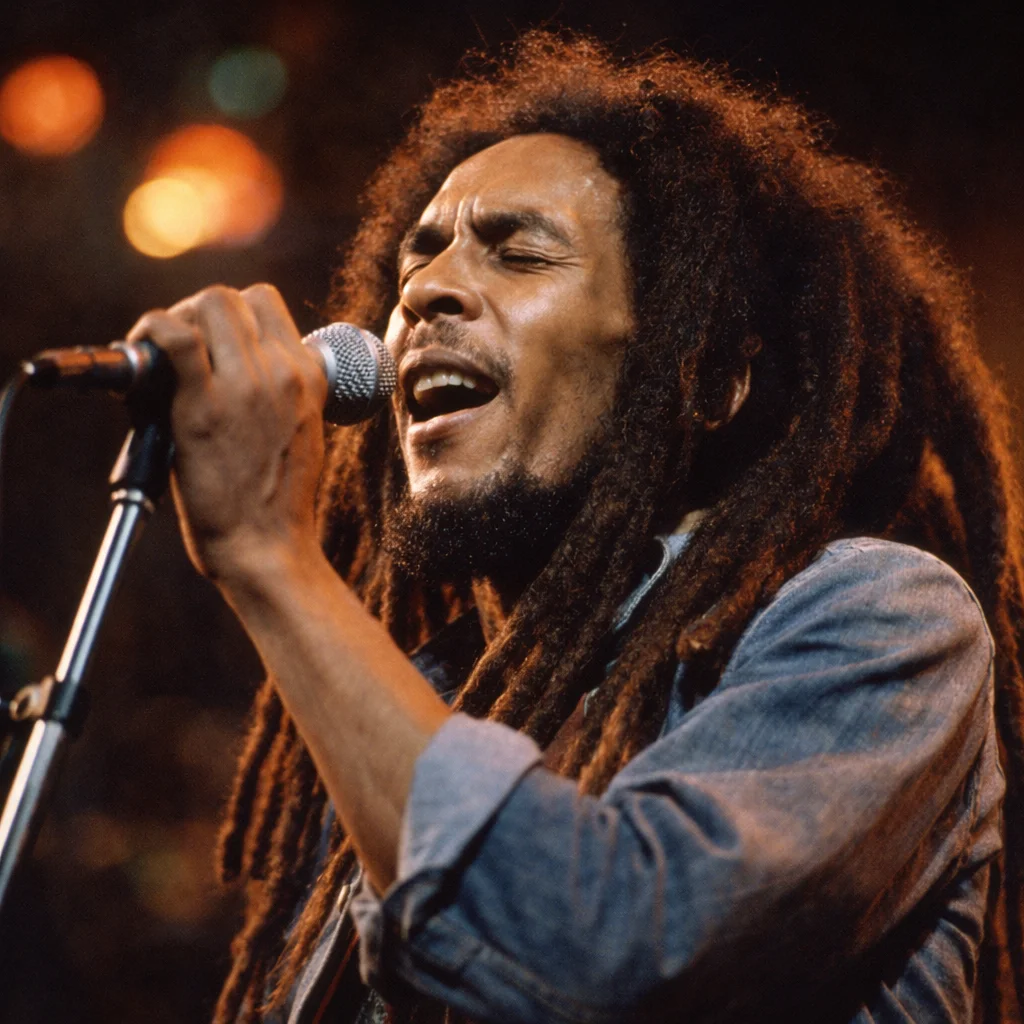
Bob Marley remains one of the most influential musicians in modern history, transforming reggae from a regional genre into a worldwide cultural movement. Beyond his iconic hits and global fame lies a life defined by extraordinary resilience, deep spiritual convictions, and fascinating personal eccentricities. From surviving assassination attempts to making political rivals shake hands on stage, his journey was as dramatic as it was impactful. Here are 15 compelling facts that shed light on the legendary life, philosophy, and enduring legacy of Bob Marley.
1. He Practiced Palmistry as a Child
Long before becoming a musical icon, a young Bob Marley possessed an uncanny talent for reading palms in his hometown of Nine Mile, Jamaica. As a child, he routinely startled friends and neighbors by delivering accurate predictions about their personal lives and future endeavors. However, when he returned from a trip to Kingston at age seven and announced his intention to become a singer, he permanently ceased reading hands. He famously explained to his family that his new calling was music, which allowed him to communicate a much broader message to the world. His mother later recalled that despite giving up palmistry, Marley retained an intuitive spiritual awareness throughout his life.
2. His Mixed Heritage Caused Early Rejection
Bob Marley was born in 1945 to Norval Sinclair Marley, a white English-Jamaican former naval officer, and Cedella Booker, a young Black Jamaican woman. Because of his biracial background, Marley faced severe prejudice and social isolation from both Black and white communities during his formative years in rural Jamaica and the slums of Kingston. Rather than breeding resentment, this painful sense of displacement deeply shaped his personal philosophy and worldview. He refused to align himself with any single racial identity, insisting instead that he was on God's side. This early struggle with belonging directly fueled his passionate artistic advocacy for universal unity, peace, and pan-African solidarity.
3. He Was Shot Two Days Before a Peace Concert
On December 3, 1976, seven armed men ambushed Marley's home at 56 Hope Road in Kingston during a period of extreme political turmoil in Jamaica. The gunmen opened fire, wounding Marley in the chest and arm, while also shooting his wife Rita and his manager Don Taylor. Remarkably, despite suffering gunshot injuries just two days prior, Marley took the stage at the free Smile Jamaica concert in front of 80,000 attendees. When asked why he insisted on performing while carrying a bullet in his arm, he famously declared that the people trying to make the world worse don't take a day off. His refusal to be intimidated solidified his reputation as a courageous cultural hero.
4. He Was Fanatically Devoted to Soccer
Beyond his music, Marley's primary passion in life was soccer, a sport he played with fierce competitive intensity wherever he traveled. He organized rigorous matches backstage before massive stadium performances, on hotel lawns, and in urban parks throughout his international concert tours. Marley frequently stated that playing football was essential for his mental clarity, physical freedom, and overall spiritual well-being. He even surrounded himself with professional athletes and often invited local players to join his traveling entourage. To Marley, the artistry and fluid rhythm of football were intimately connected to the creation of sound and rhythm in reggae music.
5. He Drove a BMW for an Unexpected Reason
Despite earning vast wealth during the peak of his career, Marley maintained a famous disregard for material luxury status symbols. He did, however, drive a classic BMW vehicle around Kingston, which raised eyebrows among critics who questioned his humble persona. When asked about his choice of luxury German automobile, Marley humorously explained that he didn't care about the brand's prestige or expensive engineering. Instead, he claimed the initials simply stood for "Bob Marley and the Wailers." For him, the vehicle was merely a fun alignment of initials rather than a display of affluent consumerism.
6. He Gave Songwriting Credits to Save a Community Kitchen
Marley officially assigned the lucrative songwriting credit for his timeless masterpiece "No Woman, No Cry" to his childhood friend Vincent "Tatak" Ford. Ford ran a communal soup kitchen in Trenchtown, the impoverished Kingston neighborhood where Marley grew up learning to play guitar. By granting Ford the publishing rights and royalties, Marley ensured that the kitchen received a steady, permanent stream of revenue to feed hungry local families. This selflessness allowed the facility to remain open and operational for decades, sustaining thousands of residents long after Marley's passing. It stands as one of the most generous acts of community support in modern music history.
7. He Worked Night Shifts in Delaware Under an Alias
In 1966, before achieving global stardom, Marley lived briefly in Wilmington, Delaware, where his mother had relocated. To raise money to fund his independent record label back in Jamaica, he worked grueling double shifts in local industrial facilities. He was employed as a lab assistant and night janitor at a DuPont facility and operated a forklift on an assembly line at a Chrysler automobile plant. To keep a low profile and avoid legal complications with immigration authorities, he used the pseudonym Donald Marley. This brief period of hard manual labor gave him first-hand experience with working-class struggles, influencing several of his later political lyrics.
8. Rastafarian Beliefs Influenced His Medical Choices
In July 1977, doctors discovered a dangerous form of skin cancer known as acral lentiginous melanoma beneath one of Marley's big toenails after a soccer injury failed to heal. Surgeons strongly advised him to undergo full amputation of the affected toe to prevent the malignant disease from spreading throughout his body. However, Marley firmly refused the operation because his devout Rastafarian faith prohibited the deliberate removal or cutting of any part of the human flesh. He opted instead for a less invasive skin graft procedure taken from his thigh, hoping it would clear the lesion. Tragically, the cancer later metastasized to his lungs, liver, and brain, ultimately leading to his untimely death in 1981.
9. He Was Buried With His Favorite Possessions
Following his national funeral in Jamaica, Marley was laid to rest in a heavy bronze casket inside a mausoleum in his birthplace of Nine Mile. His family ensured that several of his most cherished personal items were placed in the crypt alongside his body to accompany him into the afterlife. These possessions included his iconic red Gibson Les Paul guitar, a worn soccer ball, and a Bible opened to Psalm 23. In accordance with his Rastafarian beliefs, his relatives also included a fresh stalk of cannabis next to his hands. This combination of items encapsulated the core pillars of his earthly existence: music, sport, faith, and herb.
10. His Famous Nickname Came From Street Fighting
Long before he became an international ambassador for peace and reggae music, Marley earned the formidable nickname "Tuff Gong" on the streets of Trenchtown. As a teenager navigating the dangerous social dynamics of Kingston's slums, he gained a reputation as a fiercely capable street fighter who stood his ground against local bullies. The title was derived from Leonard Howell, an early Rastafarian leader known as "The Gong," combined with Marley's physical toughness like volcanic rock. Rather than shedding the aggressive moniker, Marley later embraced it by founding his famous record label, Tuff Gong Studio, which remains an active pillar of Jamaican music culture today.
11. He Was Awarded the United Nations Peace Medal
In June 1978, the United Nations awarded Bob Marley the prestigious Peace Medal of the Third World during a special ceremony in New York City. The UN recognized him for his tireless human rights advocacy, his vocal opposition to apartheid in South Africa, and his efforts to promote pan-African unity through music. Representatives praised his ability to use popular culture as a peaceful force for political liberation across developing nations. Although Marley was already suffering from failing health, he accepted the honor on behalf of oppressed people around the world. The recognition highlighted how his influence had expanded far beyond entertainment into global diplomacy.
12. He Forced Political Rivals to Shake Hands On Stage
During the historic One Love Peace Concert in Kingston in April 1978, Marley achieved a legendary political breakthrough amid a violent civil conflict. Jamaica was torn apart by armed warfare between supporters of Prime Minister Michael Manley's People's National Party and Edward Seaga's Jamaica Labour Party. In the middle of performing "Jamming," Marley dramatically invited both political leaders onto the stage in front of thousands of spectators. He held their hands together above his head and forced them to execute a symbolic handshake, temporarily halting political bloodshed. This extraordinary moment demonstrated the sheer moral authority and unifying power Marley possessed over his homeland.
13. The Wailers Originally Formed as a Harmony Vocal Trio
Before becoming a world-touring reggae band backed by instrumentals, The Wailers began in 1963 as a vocal harmony group in Trenchtown. Marley formed the vocal group alongside fellow talented musicians Peter Tosh and Bunny Wailer, originally naming themselves the Teenagers and later the Wailing Wailers. Under the mentorship of local singer Joe Higgs, the trio mastered intricate vocal harmonies inspired by American rhythm and blues ensembles. They achieved massive local success with ska and rocksteady hits before evolving into a full electric band. Tosh and Wailer eventually departed in 1974 due to creative disagreements and grueling tour schedules, leading to Bob Marley and the Wailers.
14. He Officially Acknowledged Eleven Children
Throughout his life, Marley officially recognized eleven children born to several different women, including his wife Rita Marley. Many of his sons and daughters went on to build distinguished musical careers of their own, cementing the Marley name as a global reggae dynasty. His eldest son Ziggy Marley, along with Stephen, Damian, Julian, and Ky-Mani, have collectively won numerous Grammy Awards for their individual and group recordings. Meanwhile, his daughters, including Sharon and Cedella, have excelled in music production, fashion, and international philanthropy. Today, his children and grandchildren continue to manage his extensive musical empire and carry forward his philosophical legacy.
15. His Final Words Reject Material Wealth
On May 11, 1981, Bob Marley passed away at Cedars of Lebanon Hospital in Miami, Florida, at the age of just 36. As he lay dying surrounded by his family, he whispered his profound final words to his eldest son, Ziggy: "Money can't buy life." This simple yet powerful sentence summarized his lifelong philosophy regarding spiritual wealth over financial success. Despite his immense global fame and multi-million-dollar record sales, Marley never prioritized material accumulation. His dying words served as a lasting reminder to his family and fans that human life, love, and spiritual purpose transcend all monetary riches.
Sources & References
This AI-assisted post was rigorously curated and fact-checked for accuracy by:
 Martin Roháček
How fun was this article? 🤔
Tap a star to rate it
🧠 Quiz: How closely were you paying attention?
10 questions — all answers are in the article above!
Enjoyed these facts? There's more! 💌
Fresh fun facts in your inbox. No spam, ever.