1. Not a Name, But a Title
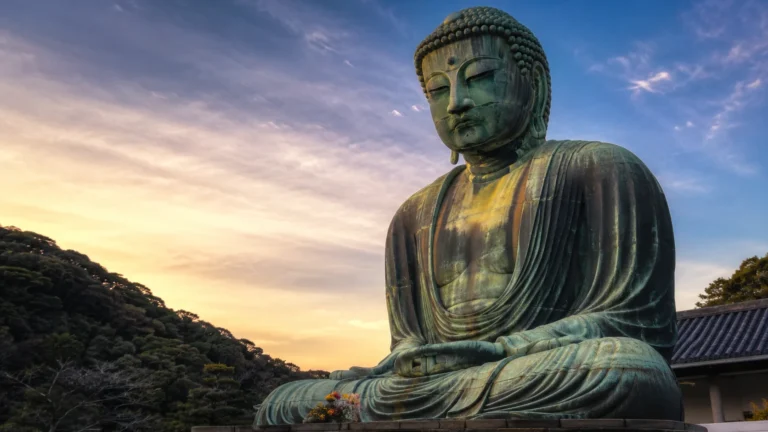
The word “Buddha” is not a personal name but an honorific title meaning “awakened one” or “enlightened one.” His actual birth name was Siddhartha Gautama, and he belonged to the Shakya clan of royal rulers.
2. A Sheltered Royal Upbringing
Siddhartha was raised in extreme luxury. His father, Suddhodana, wanted him to become a powerful monarch and deliberately shielded him from the realities of religion, human hardship, and the outside world, providing him with a palace for every season.
3. The Four Sights That Changed History
Curious about the world outside, the prince ventured beyond the palace walls at age 29. During these excursions, he encountered an old man, a sick person, and a corpse for the very first time. The realization of universal suffering deeply affected him, and after seeing a peaceful wandering holy man, he chose to abandon his royal life.
4. The Extreme Path of Asceticism
After leaving his family, Siddhartha spent six years living as a strict ascetic. He engaged in rigorous fasting and physical deprivation to conquer his body, but eventually realized that self-mortification brought him near death without yielding the answers he sought.
5. The Night of Enlightenment
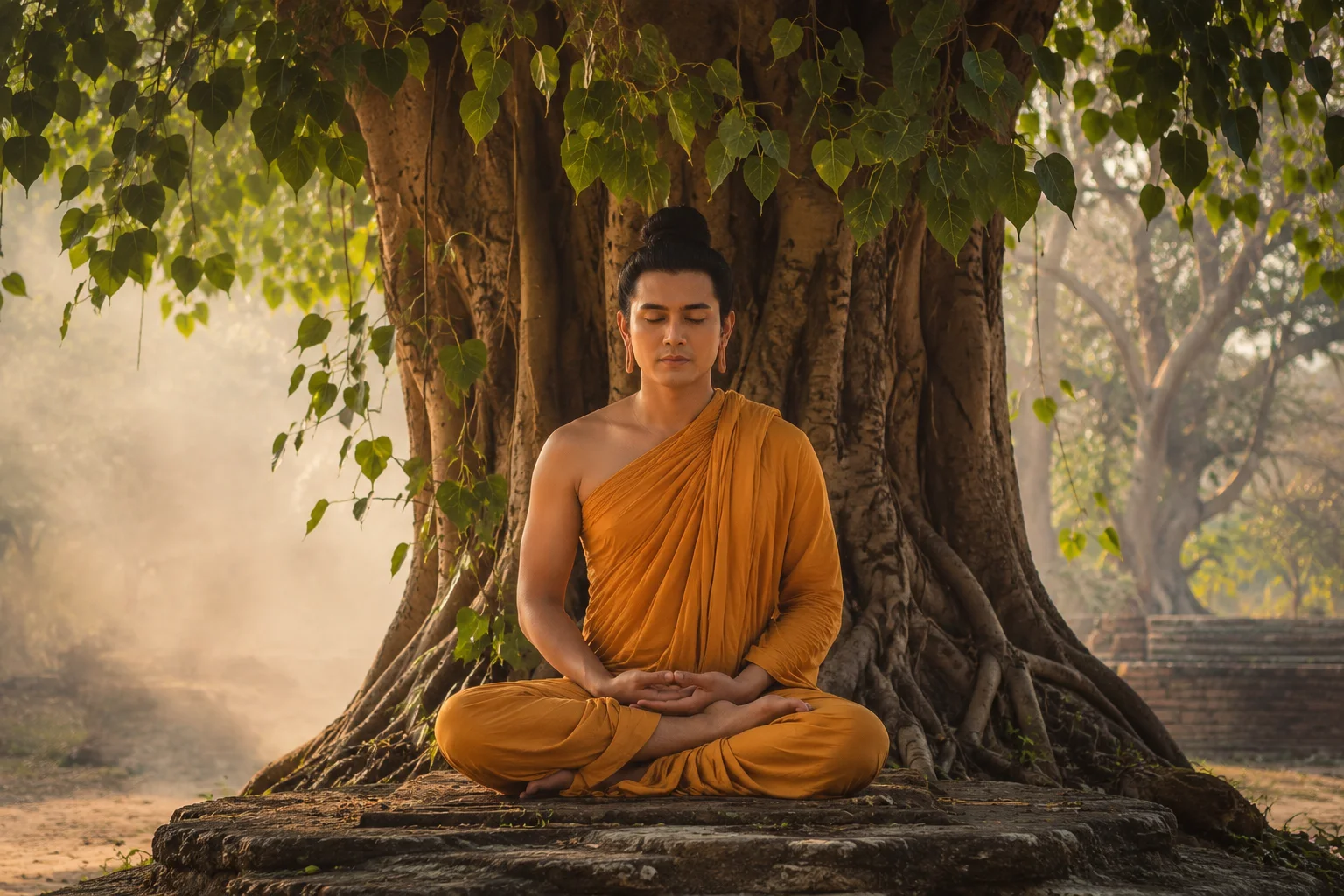
He resolved to meditate under a pipal tree, now known as the Bodhi tree, in Bodh Gaya until he achieved full awareness. During this night, he faced and defeated the temptations of the demon Mara, achieving full enlightenment at the age of 35.
6. The Middle Way
The Buddha’s core philosophical teaching advocates for “The Middle Way.” This concept promotes a balanced approach to life, avoiding the extremes of sensual indulgence on one hand and severe self-mortification on the other.
7. The First Sermon in a Deer Park
Following his enlightenment, the Buddha traveled to Sarnath, near Varanasi, where he delivered his first sermon to his former ascetic companions. This sermon, which outlined the Four Noble Truths, turned the “wheel of the Dharma” and established his first group of disciples.
8. Symbolism of the Physical Traits
Statues and artistic depictions of the Buddha often include specific physical attributes meant to symbolize his greatness. He is frequently shown with elongated earlobes, which represent wisdom and his past life of wealth where heavy jewelry stretched his ears.
9. The Truth About the “Fat Buddha”
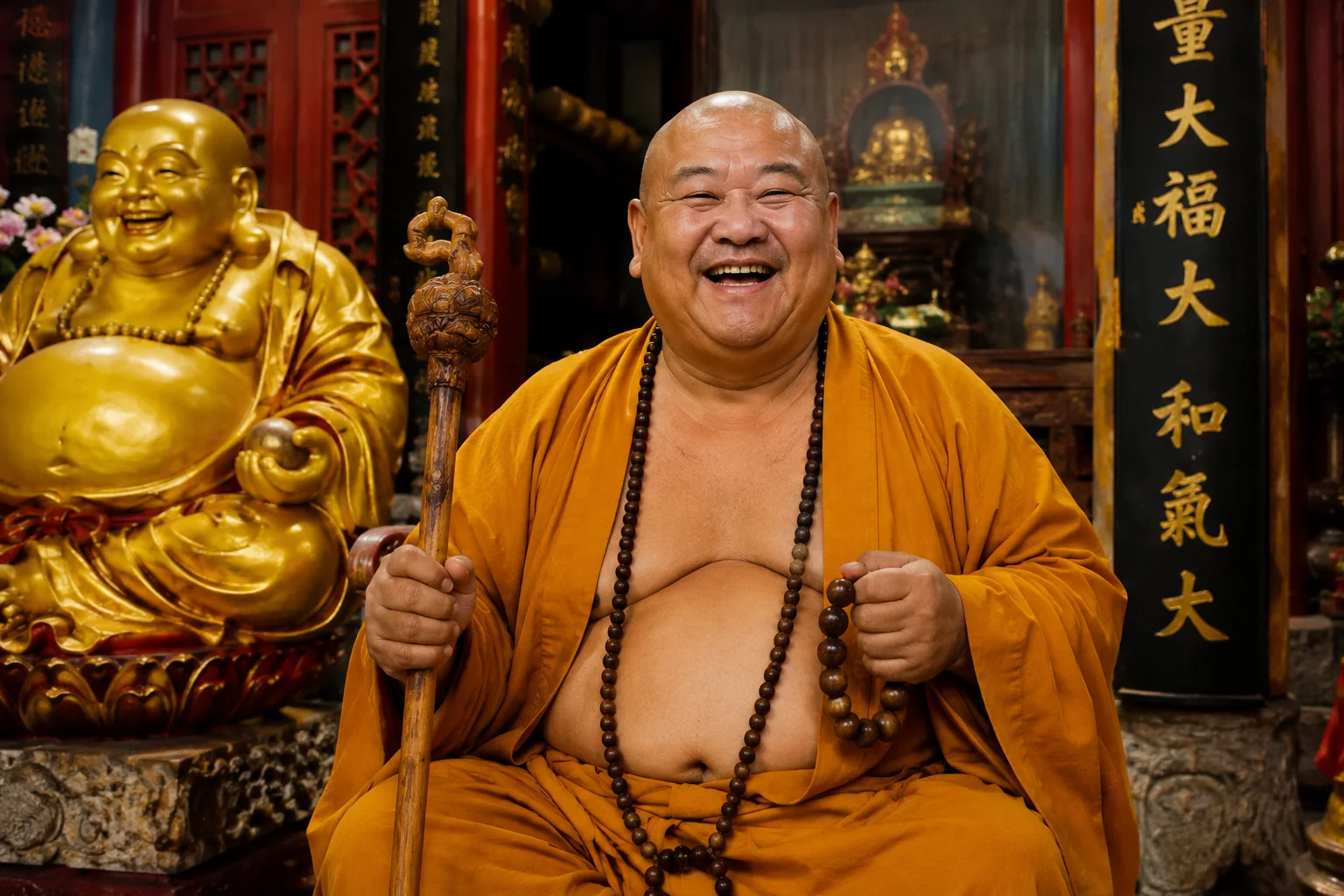
The plump, laughing figure frequently seen in eastern restaurants and shops is widely mistaken for the historical Siddhartha Gautama. In reality, the historical Buddha was lean, especially after his years of fasting, while the laughing figure is a separate 10th-century Chinese folklore monk named Budai.
10. Hundreds of Past Lives
Buddhist tradition includes the Jataka tales, a collection of over 500 stories detailing the Buddha’s previous incarnations before his final birth. These tales describe his past lives as various animals, humans, and deities, illustrating the selflessness and virtues he perfected over countless lifetimes.
11. A Teacher, Not a Creator God
Unlike many major world religions, Buddhism is largely non-theistic and does not require belief in a central creator deity. The Buddha consistently presented himself as a teacher and a guide rather than a god to be worshipped, emphasizing that anyone could achieve enlightenment through personal effort.
12. No Written Words Left Behind
The Buddha himself did not write down any of his teachings. For centuries after his death, his discourses, dialogues, and monastic rules were passed down entirely through oral tradition until they were finally compiled into written texts hundreds of years later.
13. An Unorthodox Departure
The Buddha continued to travel and preach his teachings for 45 years after his awakening. He died around the age of 80 in Kushinagar, with traditional accounts indicating his death was caused by an illness after ingesting a final meal provided by a well-meaning follower.
14. Relics of the Awakened One
Following his death, the Buddha’s body was cremated according to royal customs. His ashes and remaining holy relics were divided among his devoted followers and enshrined in large, hemispherical burial mounds called stupas, which became central sites of worship.
15. An Enduring Global Influence
The religion founded by the Buddha has grown to encompass approximately 500 million followers worldwide. His teachings on mindfulness, karma, and the cycle of rebirth transcended ancient India to profoundly shape the cultures of Asia and, ultimately, the modern global landscape.