1. They Are Not a Single Species
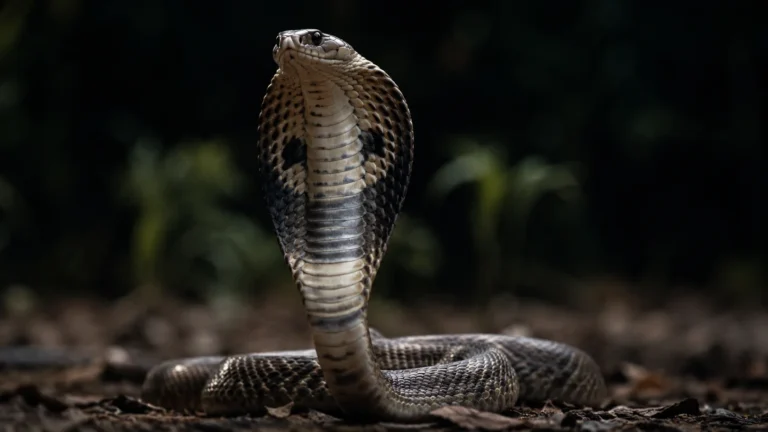
When people use the word cobra, they are usually referring to several different species of venomous snakes belonging to the Elapidae family. There are roughly thirty recognized species of true cobras belonging to the Naja genus, scattered widely across Africa, the Middle East, and Asia. This massive geographical distribution means they have adapted to survive in incredibly diverse environments, ranging from dense tropical rainforests to harsh, scorching deserts.
2. The King is Not a True Cobra
Despite its highly intimidating name, the legendary King Cobra is actually completely biologically distinct from all other cobras. It does not belong to the Naja genus. It is placed entirely in its own unique, isolated genus called Ophiophagus. While it possesses the iconic hood and a highly similar defensive posture, its internal anatomy, venom composition, and behavioral traits are radically different from true cobras.
3. The Longest Venomous Snake on Earth
The King Cobra holds a massive, completely undisputed biological record. It is officially the longest venomous snake on the planet. A fully grown adult can easily reach lengths of thirteen to fifteen feet, with some rare historical specimens measuring an astonishing eighteen feet long. When a massive King Cobra feels threatened, it can lift a full third of its heavy body straight up off the ground, allowing it to look directly into the eyes of a fully grown human.
4. The Mechanics Behind the Hood
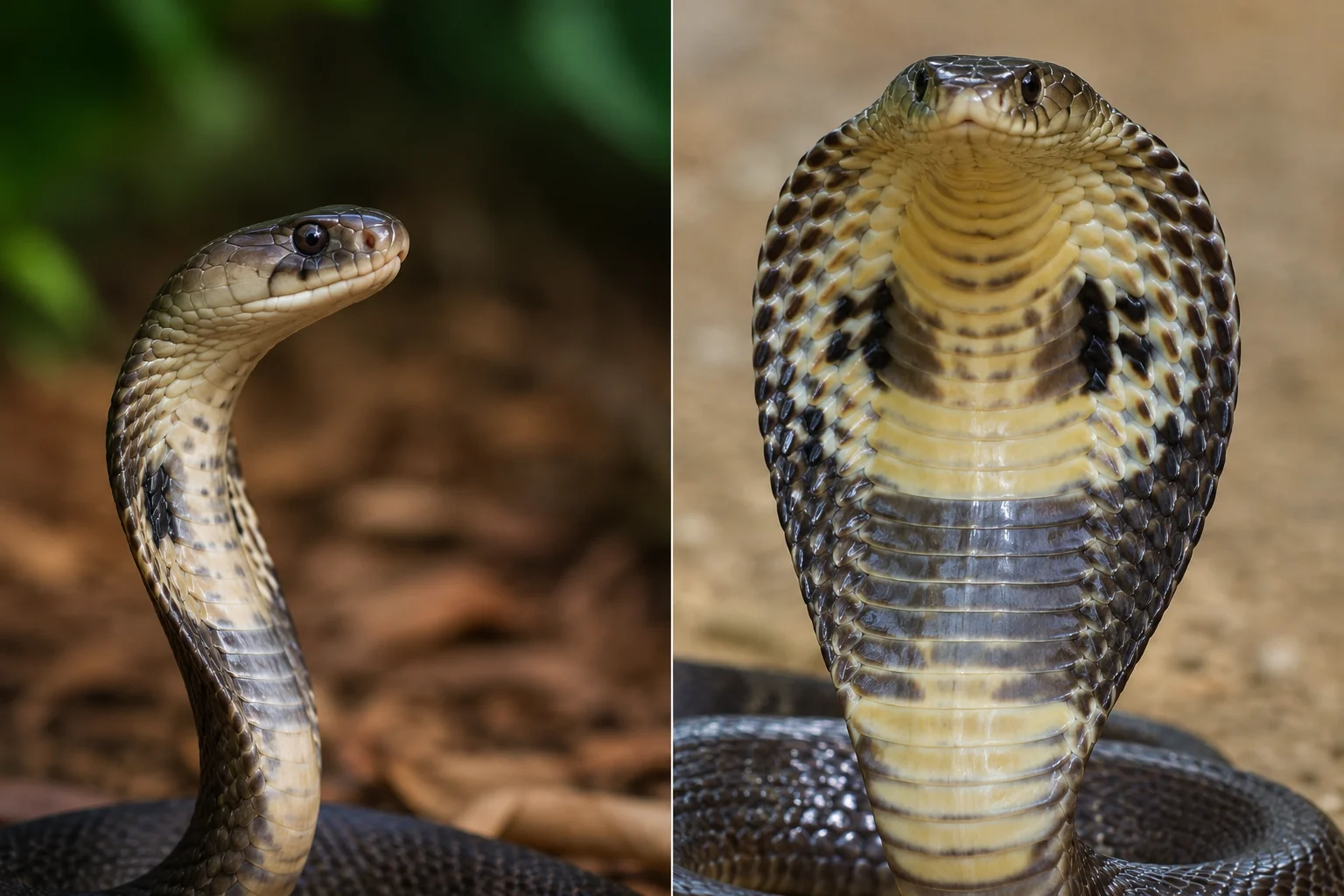
The iconic, terrifying hood of a cobra is actually an incredible display of muscular flexibility. When the snake is completely relaxed, its head and neck look exactly like a standard, normal serpent. However, when it feels threatened, it rapidly contracts specialized muscles along its neck. This pulls highly elongated, highly flexible ribs outward, tightly stretching the loose skin of its neck into the massive, flat disc designed entirely to make the snake look overwhelmingly large to a predator.
5. The Only Snake That Builds a Nest
Snakes are generally terrible parents, usually abandoning their eggs immediately after laying them in a hidden log or warm pile of dirt. The female King Cobra is a highly bizarre biological exception. She is the only snake in the world that actively builds a complex, physical nest. She uses her muscular coils to sweep massive piles of dead leaves and rotting vegetation together into a large mound, laying her eggs inside and fiercely guarding them until they hatch.
6. Snake Charmers Do Not Play Music for Them
The ancient, highly romanticized image of an Indian snake charmer playing a wooden flute to hypnotize a swaying cobra is entirely based on a biological illusion. Cobras completely lack external ears and are entirely deaf to airborne acoustic sounds like flute music. The snake is actually reacting defensively to the physical, rhythmic swaying movement of the instrument, tracking the flute with its eyes and preparing to strike what it perceives as a threat.
7. The Ultimate Snake Eaters
The King Cobras scientific genus name, Ophiophagus, literally translates to snake-eater in ancient Greek. Unlike most snakes that hunt rodents or birds, the King Cobra survives almost entirely by aggressively hunting and consuming other snakes. They will routinely eat harmless rat snakes, highly venomous kraits, and even other smaller cobras. They possess a natural biological immunity to the venom of the snakes they hunt in their territory.
8. Spitting Cobras Aim for the Eyes
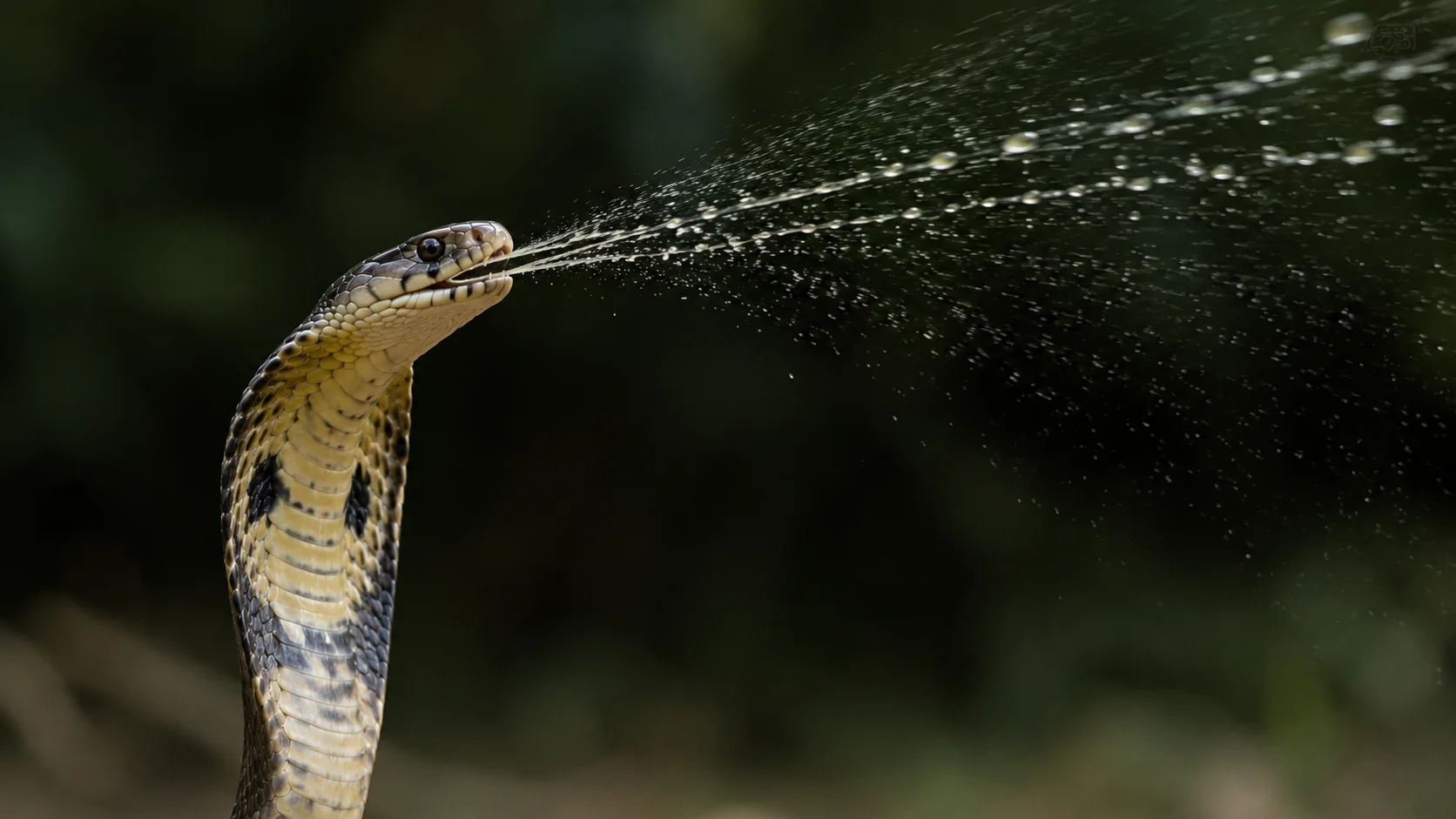
Several African and Asian cobra species possess an incredibly terrifying, highly specialized defensive weapon. They can accurately spit their deadly venom over massive distances. The venom canal inside their fangs features a specialized, forward-facing hole. When threatened, the snake rapidly squeezes its venom glands, shooting a high-pressure spray of venom up to ten feet through the air. They possess incredible accuracy and will specifically aim for the shiny, reflective eyes of a predator to cause instant, agonizing blindness.
9. They Possess Neurotoxic Venom
While viper venom actively destroys blood cells and rots muscle tissue, cobra venom utilizes a much more silent and efficient method of execution. The vast majority of cobras possess highly potent neurotoxic venom. This complex chemical cocktail directly attacks the victims central nervous system, rapidly blocking the transmission of nerve signals to the muscles. This ultimately causes massive, systemic paralysis, ending in fatal respiratory failure when the victim’s lungs literally forget how to breathe.
10. The Secret to the Mongoose Immunity
The mongoose is famously known as the ultimate, fearless nemesis of the cobra. Their incredible ability to survive lethal cobra bites is not magic; it is a brilliant evolutionary adaptation. The mongoose possesses highly mutated acetylcholine receptors in its nervous system. The shape of these specific cellular receptors is physically altered, completely preventing the deadly neurotoxins in the cobra venom from binding to their nerves and causing paralysis.
11. King Cobras Actually Growl
When a typical snake feels threatened, it rapidly expels air through its glottis to produce a high-pitched, hissing sound. The King Cobra, however, possesses a highly specialized anatomy featuring tracheal diverticula, which act exactly like a massive resonating chamber. Instead of a standard hiss, they emit a deep, terrifying, low-frequency growl that sounds incredibly similar to a massive, angry dog.
12. The Spectacle Marks Have a Purpose
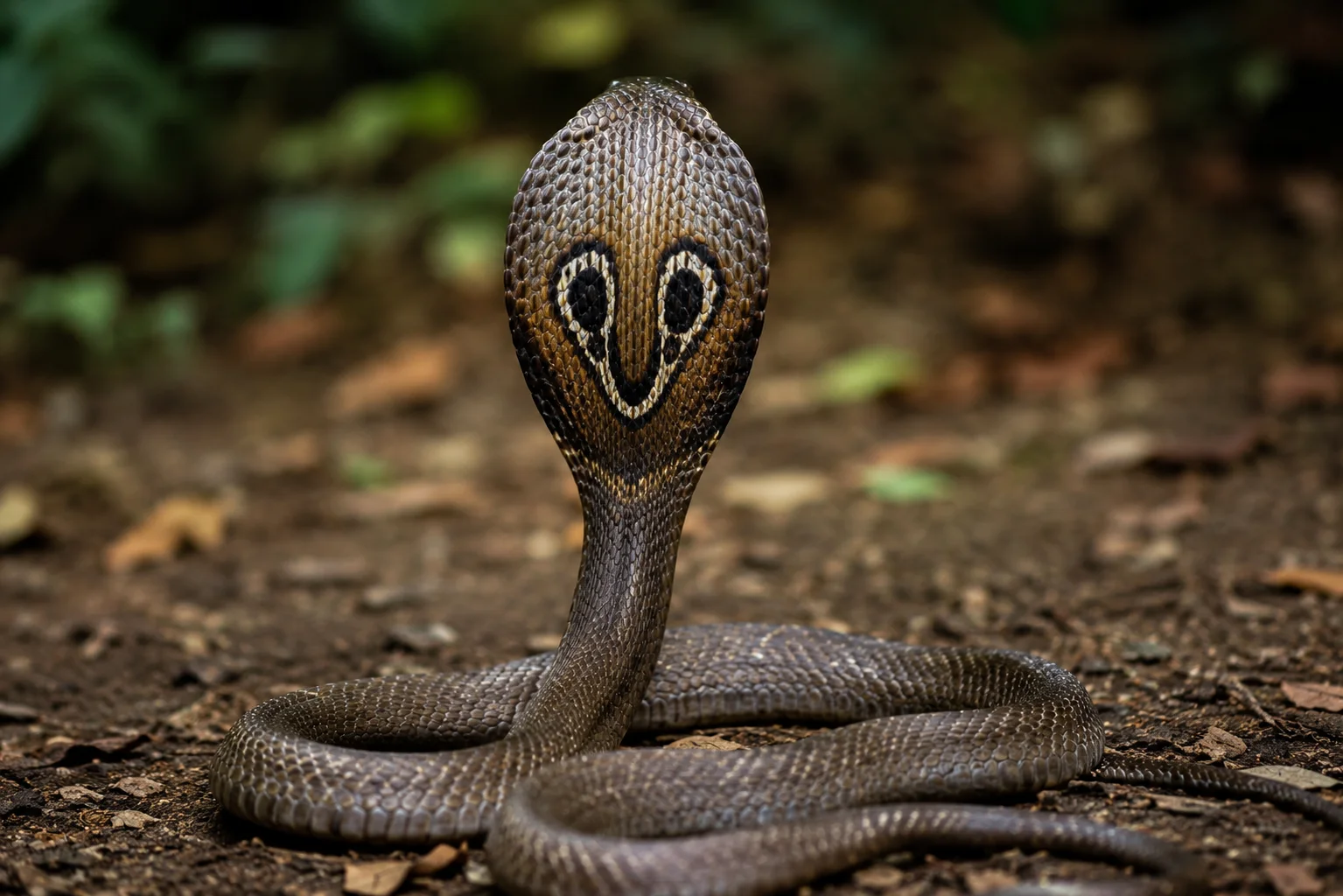
The Indian Cobra is universally recognized by the highly distinct, U-shaped markings on the back of its expanded hood, which perfectly resemble a pair of spectacles. This incredible coloration is a brilliant example of aposematism. When the snake is fleeing or facing away from a predator, the massive spectacle markings look exactly like a pair of giant, unblinking eyes, frequently terrifying birds of prey and completely confusing attackers trying to locate the snakes real head.
13. A Massive Venom Yield
While the venom of a King Cobra is actually slightly less toxic drop-for-drop than some other highly venomous snakes like the inland taipan, it makes up for it in sheer, overwhelming volume. A single defensive bite from a fully grown King Cobra can inject up to seven milliliters of liquid venom into a victim. This absolutely massive dose is so overwhelmingly powerful that it can easily kill twenty grown men, or successfully drop a fully grown elephant in just a few hours.
14. The Legend of Cleopatra and the Asp
Historical legend insists that the ancient Egyptian Queen Cleopatra committed suicide by allowing a venomous snake, commonly referred to as an asp, to bite her chest. Modern historians and herpetologists heavily believe that the specific snake used in this highly dramatic historical event was actually the Egyptian Cobra. The Egyptian Cobra was a massive, divine symbol of royalty and ultimate power in ancient Egypt, prominently featured on the crowns of the Pharaohs.
15. Juveniles Look Completely Different
When a baby King Cobra hatches from its egg, it does not look anything like the solid olive or brown adult snake. Juveniles are born with highly striking, brilliant yellow and black banded patterns covering their entire bodies. This complex, high-contrast coloration acts as an aggressive visual warning to predators that the tiny, eighteen-inch snake is already fully equipped with highly potent, deadly venom from the exact moment it takes its first breath.