The Loudest Pioneers: 15 Fascinating Facts About Deep Purple
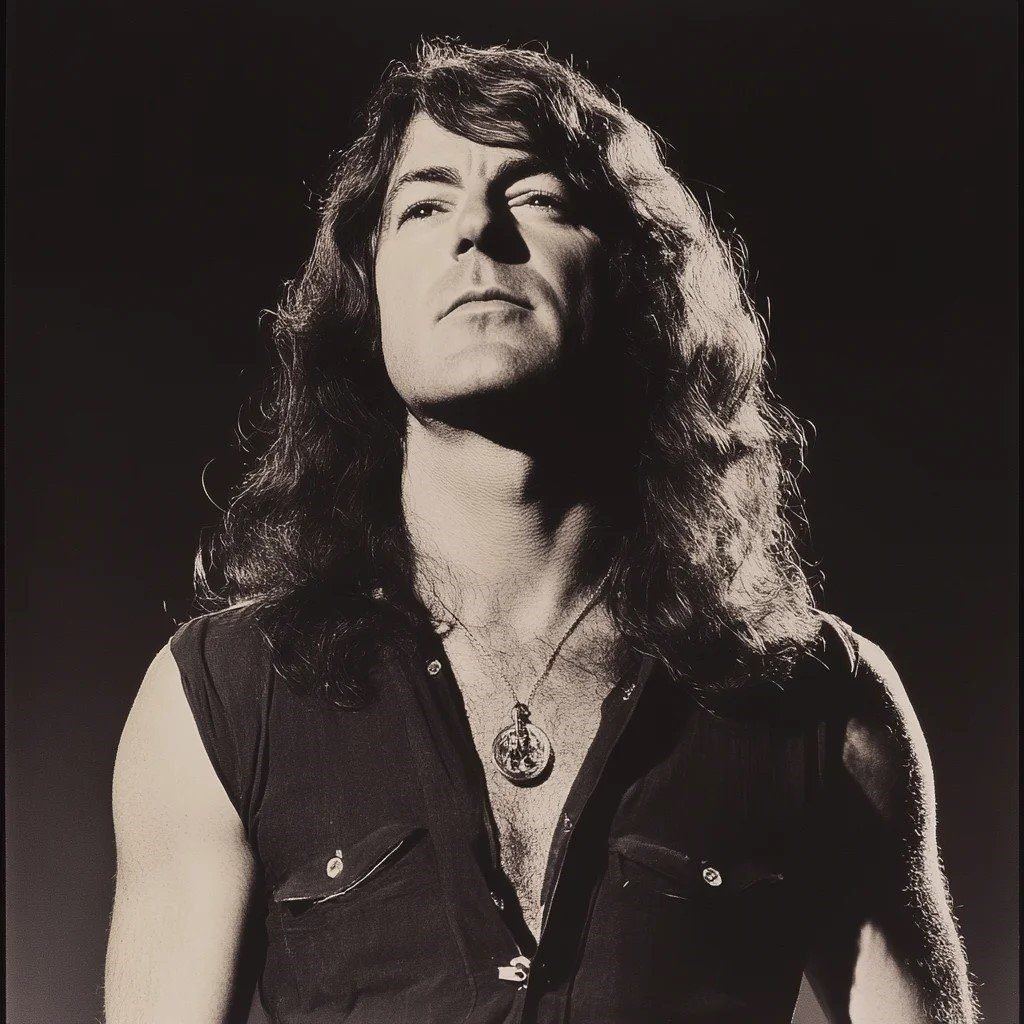
Deep Purple stands as one of the most influential and groundbreaking hard rock bands in music history, renowned for defining the heavy metal genre alongside Led Zeppelin and Black Sabbath. From earning a Guinness World Record as the world's loudest band to immortalizing a Swiss casino fire in Smoke on the Water, their career is packed with legendary tales and groundbreaking musical innovations. Featuring extraordinary organ riffs, soaring vocals, and incredible virtuosity, their legacy spans over five decades of rock dominance. Here are 15 fascinating facts about the hard rock pioneers who changed the sound of rock music forever.
1. They Originally Formed Under the Name Roundabout
Before becoming rock icons, the band formed in 1968 under the name Roundabout. The concept was conceived by former Searchers drummer Chris Curtis, who envisioned a revolving door of musicians stepping on and off stage. Guitarist Ritchie Blackmore eventually suggested changing the name to Deep Purple, inspired by his grandmother’s favorite vintage pop song by Peter DeRose. The old-fashioned ballad was a far cry from the heavy riffs the group would soon pioneer. By the time they recorded their debut single "Hush," the original name was completely discarded.
2. They Held a World Record for Being the Loudest Band
In 1972, Deep Purple earned a spot in the Guinness Book of World Records as the world's loudest concert band. During a performance at London’s Rainbow Theatre, their sound system measured a staggering 117 decibels. The sheer volume was so intense that it rendered three audience members unconscious due to the acoustic pressure. Venue staff and engineers were stunned by the wall of sound generated by their massive amplification setup. Although other bands later surpassed this record, Deep Purple’s 1972 performance remains legendary in rock history.
3. Ian Paice Is the Only Constant Member
Throughout Deep Purple’s turbulent history of lineup changes, drummer Ian Paice has remained the constant heartbeat of the band. He is the only founding member to have featured in every single album, tour, and iteration of the group since 1968. His distinct, lightning-fast swing-influenced style helped define the band's driving rhythm section. While legendary frontmen and guitarists came and went, Paice stayed at his kit through every era. Without his presence, the band would have lacked its signature continuity across more than five decades.
4. "Smoke on the Water" Was Inspired by a Real Casino Fire
The iconic guitar riff and lyrics of "Smoke on the Water" were born from a genuine disaster. In December 1971, Deep Purple was in Montreux, Switzerland, preparing to record an album at the Montreux Casino. During a concert by Frank Zappa and the Mothers of Invention at the venue, an audience member fired a flare gun into the rattan ceiling, setting the entire building ablaze. Watching the smoke drift over Lake Geneva from their hotel window, bassist Roger Glover wrote down the phrase on a napkin. The band subsequently immortalized the fire in what became one of rock music’s most recognizable tracks.
5. Their History Is Categorized into "Mark" Lineups
To keep track of Deep Purple's frequent member changes, fans and rock historians classify their eras into numerical "Mark" lineups. The most famous and commercially successful configuration is Mark II, consisting of Ian Gillan, Ritchie Blackmore, Roger Glover, Jon Lord, and Ian Paice. This specific quintet recorded seminal albums like Deep Purple in Rock, Machine Head, and the live masterpiece Made in Japan. Mark II established the dynamic template of soaring vocals, fiery guitar solos, and organ duels that defined hard rock. Even though the lineup splintered and reunited multiple times, Mark II remains their definitive era.
6. Ian Gillan Starred in Jesus Christ Superstar
Before achieving global rock stardom with Deep Purple, lead vocalist Ian Gillan lent his dramatic vocal range to a groundbreaking theater project. In 1970, he sang the title role of Jesus Christ on the original concept album of Andrew Lloyd Webber and Tim Rice's rock opera Jesus Christ Superstar. Gillan’s emotional performance on tracks like "Gethsemane" showcased his unbelievable vocal control and piercing high screams. His work on the project brought him widespread critical acclaim before he focused entirely on heavy rock. Surprisingly, he turned down the chance to star in the film adaptation to remain committed to touring with Deep Purple.
7. Jon Lord Played His Organ Through Marshall Guitar Amps
Keyboards in early hard rock were often relegated to background rhythm, but Jon Lord changed the instrument's role forever. To compete with Ritchie Blackmore’s crushing guitar amplifiers, Lord plugged his Hammond C-3 organ directly into Marshall guitar amps. He deliberately overdrove the speakers, creating a roaring, distorted sound that mimicked an electric guitar. This innovative technique allowed the organ to fight on equal footing with the guitar in live solos and heavy riffs. Lord’s aggressive organ tone became a cornerstone sound for Deep Purple and inspired generations of rock keyboardists.
8. Roger Glover Produced Judas Priest's Classic Album
Bassist Roger Glover contributed far more to the rock landscape than just his thunderous basslines for Deep Purple. In addition to his performing career, Glover developed a reputation as a highly talented record producer. He notably produced Judas Priest's breakthrough 1977 album Sin After Sin, helping shape the emerging British heavy metal sound. Glover also produced albums for other prominent rock acts, including Nazareth, Elf, and Blackmore's post-Deep Purple group, Rainbow. His work behind the mixing desk helped define the crisp, powerful studio sound of 1970s hard rock.
9. They Started with Symphonic and Progressive Rock
Before becoming pioneers of proto-heavy metal, Deep Purple spent their earliest years exploring symphonic and progressive rock. In 1969, keyboardist Jon Lord composed Concerto for Group and Orchestra, an ambitious classical-rock crossover. The band performed the piece live at the Royal Albert Hall alongside the Royal Philharmonic Orchestra. While the project earned critical intrigue, the band decided to pivot sharply toward a heavier sound on their next studio record, 1970's Deep Purple in Rock. This dramatic transition away from classical fusion laid the foundation for the emerging hard rock movement.
10. The "Highway Star" Organ Solo Is Often Mistaken for Guitar
The energetic anthem "Highway Star" features two of the most celebrated instrumental solos in rock history, but one is frequently misidentified. Keyboardist Jon Lord’s dazzling organ solo was heavily influenced by Johann Sebastian Bach’s classical arpeggios. Lord recorded the solo through a heavily distorted amplifier, leading many casual listeners to mistake it for a second guitar solo. Combined with Ritchie Blackmore's iconic neo-classical guitar solo, the track set the gold standard for speed metal musicianship. The seamless blending of classical structures with raw rock energy became a Deep Purple trademark.
11. They Formed Part of Hard Rock's "Unholy Trinity"
Music critics and historians widely consider Deep Purple to be part of the "unholy trinity" of British hard rock and early heavy metal. Alongside Led Zeppelin and Black Sabbath, the band helped establish the sonic hallmarks of the heavy metal genre during the late 1960s and early 1970s. While Sabbath focused on dark, heavy riffs and Led Zeppelin blended blues with hard rock, Deep Purple brought classical speed and organ-driven power. Their combined influence fundamentally reshaped popular music and birthed countless subgenres of metal across the globe. Together, these three groups laid the groundwork for modern heavy music.
12. They Always Maintained a Strict Five-Man On-Stage Setup
Despite enduring over nine official lineup shifts across decades, Deep Purple has maintained a strict band structure on stage. The group has consistently adhered to a five-musician configuration: a lead vocalist, a guitarist, a bassist, a keyboard player, and a drummer. Even when key songwriters or original members departed, the band filled the vacant slot with another talented instrumentalist rather than altering the core lineup arrangement. This commitment to a five-man dynamic ensured that their live instrumentation retained its essential depth and power. It remains a hallmark of their staging to this day.
13. They Have Released Over 20 Studio Albums
Deep Purple’s recording career spans over five decades, yielding a remarkably vast discography. The band has released more than 20 studio albums, starting with 1968's Shades of Deep Purple all the way into the 2020s with records like Whoosh! and =1. Their ability to adapt to changing musical landscapes while preserving their hard rock roots has allowed them to maintain a dedicated global fanbase across multiple generations. Few bands from the classic rock era have maintained such a consistent studio output over fifty years. Their enduring productivity cements their status as one of rock’s most resilient acts.
14. Their Induction into the Rock Hall Took Over Two Decades
Despite meeting eligibility requirements in 1993, Deep Purple endured an unusually long wait before receiving official industry recognition. They were nominated several times over two decades, drawing criticism from fans and fellow musicians who viewed the omission as a major snub. Lars Ulrich of Metallica famously campaigned on their behalf, calling their absence a serious oversight. The band was finally inducted into the Rock and Roll Hall of Fame in 2016 during a ceremony in Brooklyn. Their long-overdue induction acknowledged their irreplaceable role in shaping modern rock and heavy metal.
15. Machine Head Was Recorded in Hotel Corridors
Following the destruction of the Montreux Casino where they planned to record Machine Head, Deep Purple had to improvise their recording environment. They rented the Rolling Stones Mobile Studio and moved into the empty Grand Hotel Territet in Montreux for the winter. To achieve a rich, reverberant drum and guitar sound, they set up their amplifiers and equipment in the hotel’s long, carpeted hallways and stairwells. Cables stretched across corridors, and the band monitored their takes from the mobile truck parked outside in the snow. This makeshift, high-ceiling studio setup generated the powerful, atmospheric sound heard on classics like "Lazy" and "Space Truckin'."
Sources & References
This AI-assisted post was rigorously curated and fact-checked for accuracy by:
 Martin Roháček
How fun was this article? 🤔
Tap a star to rate it
🧠 Quiz: How closely were you paying attention?
10 questions — all answers are in the article above!
Enjoyed these facts? There's more! 💌
Fresh fun facts in your inbox. No spam, ever.