1. They Do Not Actually Fly
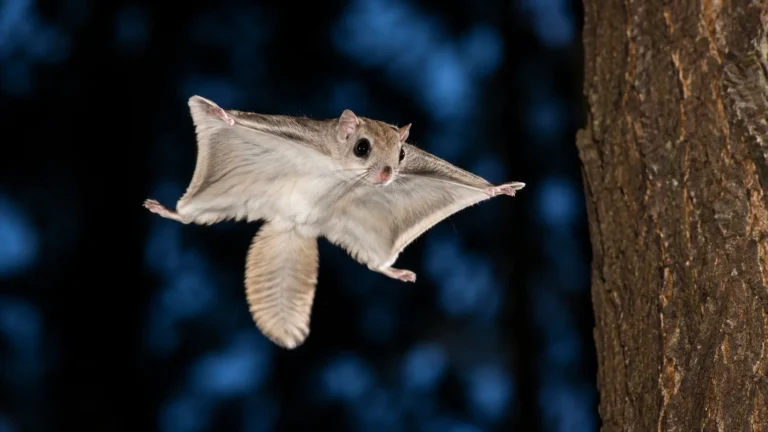
Despite their popular name, flying squirrels do not possess the ability to achieve powered flight like a bird or a bat. Instead of flapping wings to push themselves upward, they are master gliders. They climb to a high vantage point on a tree trunk, launch themselves into the empty air, and use gravity and specialized skin flaps to control a slow, angled descent toward another tree.
2. They Have a Built-In Parachute
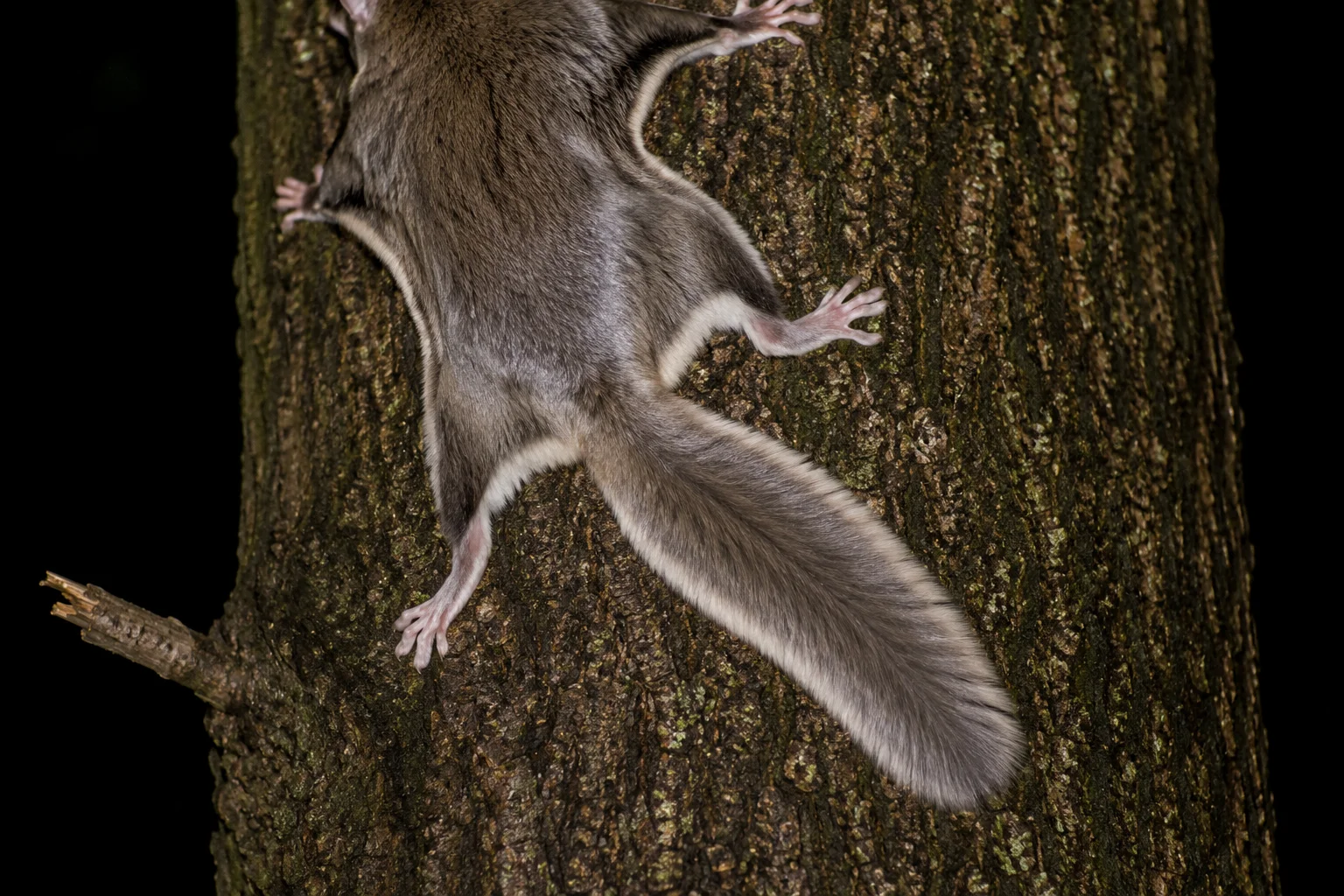
To achieve their amazing glides, flying squirrels possess a special, furry membrane of skin called a patagium. This loose skin stretches from their front wrists all the way down to their back ankles on both sides of their body. When they stretch their legs completely out during a jump, this skin pulls tight to form a square, parachute-like surface that catches the air and keeps them aloft.
3. They Can Glide Over 150 Feet
While they might be small, their gliding efficiency is incredibly high. Depending on the height of the tree they launch from, a standard North American flying squirrel can easily glide distances of 150 feet or more in a single leap. Some of the much larger Asian species of flying squirrels have been recorded traveling over 1,000 feet in a single, continuous glide down a mountainside.
4. They Have a Secret Wrist Bone
To get the absolute maximum stretch out of their patagium, flying squirrels evolved a specialized piece of anatomy. They have an extra piece of stiff cartilage that extends outward from their front wrists. When they jump, they pivot this cartilage spur out to the side, which acts exactly like the tip of an airplane wing. This stretches their gliding membrane even tighter and wider than their little arms could reach alone.
5. Their Tails Work Like Brakes
A flying squirrel’s tail looks quite different from a standard tree squirrel’s tail. Instead of being perfectly round and bushy, it is flat and wide. During a glide, the squirrel uses this flat tail as a highly effective rudder to steer left or right. As they approach their landing target, they flip the tail sharply upward, which tilts their body back and creates drag, allowing them to hit the tree trunk softly.
6. They Glow Bright Pink
In 2019, scientists accidentally discovered a completely unexpected trait: several species of flying squirrels glow in the dark. When exposed to ultraviolet (UV) light, the fur on their undersides heavily fluoresces, turning a bright, bubblegum pink color. Researchers are still studying exactly why this happens, but they suspect it might help the squirrels communicate with one another in snowy, low-light winter conditions.
7. They Are Strictly Nocturnal
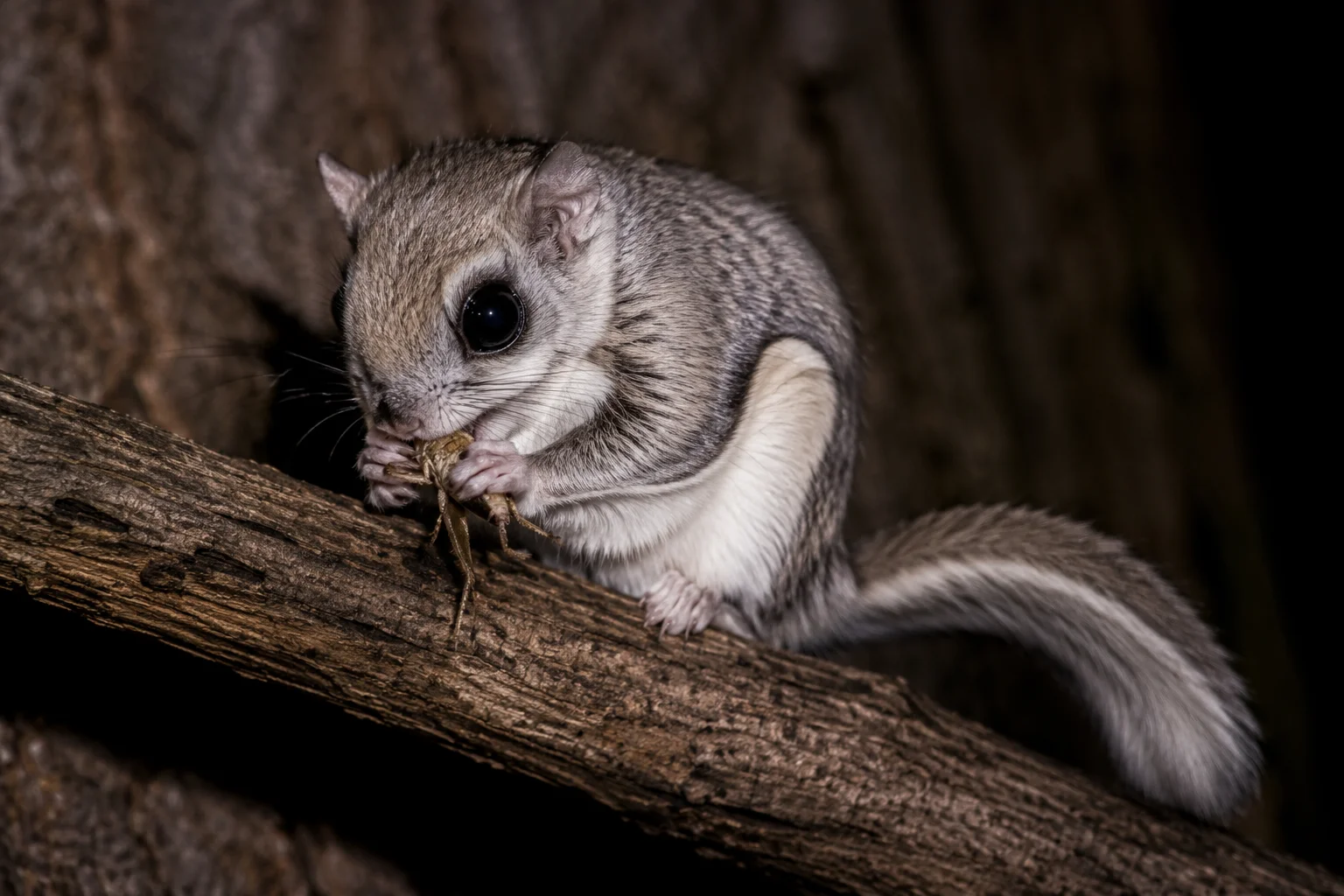
If you have never seen a flying squirrel in your neighborhood, it is because they operate entirely under the cover of darkness. They spend their days sleeping tucked away in hollow tree cavities or old woodpecker holes. They only emerge to hunt and forage after the sun has completely set. To help them see in the dark forest canopy, they have evolved massive, round black eyes that let in maximum moonlight.
8. They Huddle Together for Warmth
Flying squirrels do not hibernate during the freezing winter months. Because they are so small and lose body heat quickly, they rely on a highly social strategy to survive the cold. During the winter, multiple flying squirrels—sometimes up to 20 individuals—will pack themselves into a single hollow tree nest. By huddling tightly together, they share their collective body heat and survive freezing nights.
9. They Are Masters of Mid-Air Agility
Gliding through a dense, branch-filled forest in the dark requires incredible reflexes. Flying squirrels are not just falling in a straight line; they are highly maneuverable. If an owl swoops down to attack them mid-glide, they can drop their arms or shift their weight to execute an instant, 180-degree turn in the air, frequently leaving their flying predators confused and empty-handed.
10. They Eat a Surprising Diet
While standard tree squirrels are famous for burying nuts and seeds, flying squirrels have a much broader, omnivorous diet. Along with hickory nuts and acorns, they actively hunt for protein. They regularly eat insects, spiders, and slugs. If they have the opportunity, they will even raid bird nests to eat the eggs or consume freshly hatched baby birds.
11. They Are Vital to Forest Health
Flying squirrels play a unique and crucial role in keeping entire forest ecosystems alive. One of their favorite foods is subterranean fungi, such as wild truffles, which they dig up from the forest floor. As they glide miles across the forest, they pass the undigested fungal spores in their droppings. This directly helps certain tree roots absorb nutrients, keeping the timberland healthy and growing.
12. Some Grow as Big as Cats
When most people think of flying squirrels, they picture the tiny species found in North America, which easily fit into the palm of a human hand. However, the dense forests of Southeast Asia are home to Giant Flying Squirrels. These massive, colorful gliders can weigh over three pounds and measure over three feet long from their noses to the tips of their tails, making them roughly the size of a small house cat.
13. They Are Clumsy on the Ground
While they are graceful, speedy acrobats in the air and the treetops, flying squirrels are highly vulnerable on the forest floor. Because of the extra folds of skin connecting their wrists and ankles, walking or running on flat ground is awkward and difficult for them. If they drop a nut, they will usually retrieve it quickly and immediately scramble back up a tree trunk where they are much safer.
14. Pups Are Born Blind and Hairless
When a female flying squirrel gives birth, her babies are completely helpless. A typical litter consists of two to three pups, which are born entirely bald, completely deaf, and with their eyes tightly closed shut. It takes over a full month for the young squirrels to open their eyes and grow their furry gliding membranes, during which time the mother nurses and fiercely protects them.
15. They Are Surprisingly Common
Because they are small, quiet, and completely nocturnal, people often assume flying squirrels are rare. In reality, in many wooded parts of the eastern United States and Canada, the Southern and Northern flying squirrels are actually more numerous than the familiar grey squirrels you see during the day. They are likely living right in your backyard trees, silently gliding over your head while you sleep.