The Unforgettable Chairman: 15 Fascinating Facts About Frank Sinatra
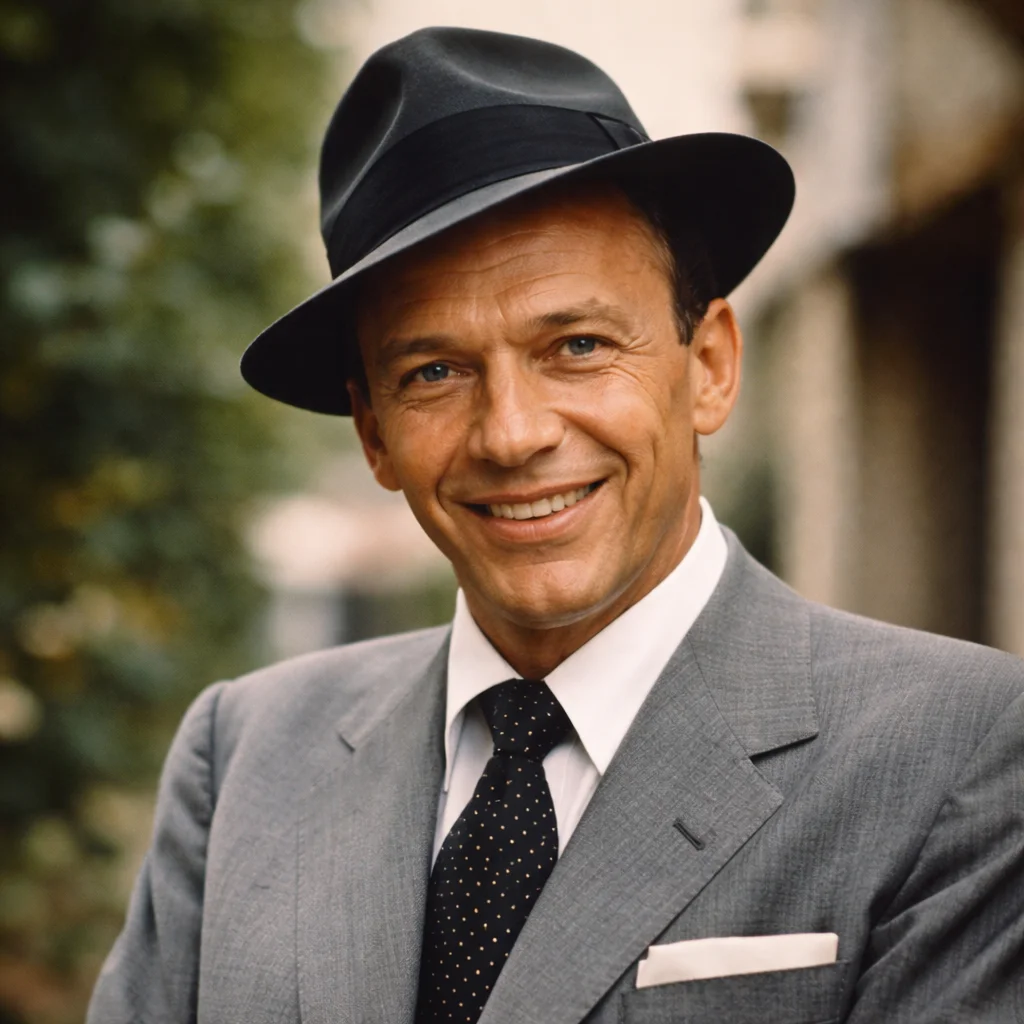
Frank Sinatra remains one of the most influential cultural icons of the 20th century, renowned for his silky baritone voice, impeccable style, and charismatic stage presence. Beyond the sparkling lights of Las Vegas and his legendary hits with the Rat Pack lies a complex life filled with dramatic twists, bizarre arrest records, and clandestine FBI investigations. From his harrowing birth and surprising television influences to his secret rituals and civil rights advocacy, Ol' Blue Eyes lived a life larger than fiction. Here are 15 fascinating facts about the legendary singer and actor that reveal the man behind the music.
1. He Barely Survived His Own Birth
When Francis Albert Sinatra was born in Hoboken, New Jersey, on December 12, 1915, he weighed an astonishing 13.5 pounds. The difficult delivery required the doctor to use forceps, which severely damaged his neck, left cheek, and ear, resulting in lifelong facial scarring and a punctured eardrum. Believing the infant was stillborn, the doctor set him aside on a cold kitchen counter to attend to his hemorrhaging mother. It was his grandmother who saved his life by grabbing the unresponsive newborn and running him under cold tap water until he gasped for air. This traumatic entry into the world left Sinatra self-conscious about his appearance, prompting him to wear makeup to cover his scars throughout his career.
2. He Was Arrested in 1938 for Seduction and Adultery
Long before he became an international superstar, a 23-year-old Sinatra found himself on the wrong side of the law over a romantic entanglement. In late 1938, police in Bergen County, New Jersey, arrested him on charges of "seduction" after a former girlfriend accused him of coaxing her into bed under false promises of marriage. Under the statutes of the era, deceiving a woman of "good repute" into intimate relations was a criminal offense. The charge was quickly dropped when authorities discovered the woman was already married, but officials refiled the charge as "adultery" shortly thereafter. The criminal indictment was eventually dismissed, but the famous mugshot remains one of the most iconic pop-culture booking photos in history.
3. He Desegregated Las Vegas Hotels and Venues
During the peak of his career in the 1950s and 1960s, Sinatra used his immense star power to take a stand against racial segregation in America. Las Vegas casinos routinely prohibited Black performers, including Sinatra's close friend Sammy Davis Jr., from staying in the resort hotels where they headlined or entering the main dining areas. Sinatra forcefully refused to perform or stay at any establishment that enforced Jim Crow policies, threatening to pull his entire show unless Black guests and band members received equal accommodations. His firm stance helped dismantle segregation on the Las Vegas Strip, and he actively supported the Civil Rights Movement by hosting benefit concerts for Martin Luther King Jr.
4. The FBI Maintained a 2,400-Page File on Him
Sinatra spent decades under the watchful eye of federal law enforcement, compiling an FBI file that eventually exceeded 2,400 pages. Bureau Director J. Edgar Hoover initiated the surveillance during World War II after receiving tips that Sinatra had paid a doctor $40,000 to declare him unfit for military service due to his perforated eardrum. Over the following decades, agents closely monitored his well-documented friendships with high-profile Mob figures, including Lucky Luciano and Sam Giancana. The file also scrutinized his progressive political activities, liberal fundraising, and connections to the Kennedy family. Despite decades of intense monitoring, Sinatra was never indicted on federal charges resulting from these investigations.
5. He Never Learned How to Read Music
Despite being widely regarded as one of the greatest vocalists of all time, Sinatra never learned to read sheet music. He lacked formal musical education and relied entirely on his phenomenal ear, pitch perception, and intuitive understanding of timing and phrasing. When studying new songs, he had accompanists play the melody while he memorized every nuance, cadence, and lyric by ear. Sinatra possessed a deep technical understanding of instrumentation, often instructing his arrangers on specific orchestral voicings and tempo changes despite not writing notes down. His ability to lead complex studio sessions with world-class musicians made his self-taught musicianship all the more extraordinary.
6. A Terrifying Kidnapping Led to a Lifelong Habit
In December 1963, Sinatra faced a parent's worst nightmare when his 19-year-old son, Frank Sinatra Jr., was kidnapped at gunpoint from a Lake Tahoe hotel room. The abductors demanded a ransom of $240,000, instructing the famous singer to communicate with them strictly via public payphones. During the tense negotiation process, Sinatra ran out of coins in the middle of a crucial call, causing him momentary panic that he might lose contact with the kidnappers. Although his son was released unharmed after the ransom was paid and the perpetrators were quickly captured, the ordeal traumatized Sinatra deeply. For the rest of his life, he obsessively carried a roll of ten dimes in his pocket at all times to ensure he would never be stranded without phone money.
7. He Absolutely Hated "Strangers in the Night"
Although "Strangers in the Night" revitalized his career in 1966 by topping the Billboard charts and winning him two Grammy Awards, Sinatra openly loathed the song. He frequently referred to the track as "a piece of sh*t" and described it as the worst song he had ever recorded. Despite his intense personal dislike for the melody, he continued to perform it live because audiences demanded to hear his signature scat refrain at the end of the arrangement. Studio musicians and arrangers recalled that Sinatra would often mutter disparaging comments about the song right into the microphone before launching into live performances.
8. His Scatting Inspired the Name of Scooby-Doo
The iconic cartoon dog Scooby-Doo owes his world-famous name directly to an improvised Sinatra performance. In 1969, CBS executive Fred Silverman was flying to Los Angeles while struggling to finalize a new Saturday morning animated series about teenage sleuths and a dog, tentatively titled Too Much. During the flight, Silverman was listening to Sinatra's recording of "Strangers in the Night" and paid close attention as the singer improvised his famous "doo-be-doo-be-doo" line during the fade-out. Inspired by the rhythmic vocal phrase, Silverman realized the mystery-solving Great Dane should be named Scooby-Doo, prompting a full rebranding of the show that became an enduring pop-culture franchise.
9. He Gifted Marilyn Monroe a Dog Named "Maf"
In 1960, Sinatra gave his close friend and former romantic partner Marilyn Monroe a rare white Maltese terrier puppy purchased from a breeder in Sussex, England. Playing into the constant media speculation regarding his rumored Mob ties, Sinatra cheekily named the dog "Mafia," which Monroe shortened to "Maf." The little dog accompanied Monroe everywhere during the final years of her life, including high-profile trips to New York and Hollywood studio soundstages. After Monroe's tragic death in 1962, the famous dog was taken in by Sinatra's secretary, Gloria Lovell, who cared for the pet until its death.
10. "My Way" Was Written Specifically to Save Him from Retirement
By the late 1960s, Sinatra felt increasingly alienated by the dominance of rock music and confided to singer-songwriter Paul Anka that he was planning to quit the music business entirely. Determined to keep the legend singing, Anka bought the rights to an obscure 1967 French pop song titled "Comme d'habitude" and completely rewrote the lyrics overnight. Anka tailored the words to match Sinatra's defiant, larger-than-life persona, crafting a story of a man reflecting proudly on a life lived on his own terms. Sinatra recorded "My Way" in December 1968, creating what would become his signature anthem and one of the most covered tracks in history.
11. "Theme from New York, New York" Was Originally Written for Liza Minnelli
The anthem most synonymous with Sinatra's late career was not originally written for him at all. Songwriting duo John Kander and Fred Ebb originally composed "Theme from New York, New York" for the 1977 Martin Scorsese musical film of the same name, where it was premiered by Liza Minnelli. Sinatra began performing the song during his concert appearances in 1978, adding his own swaggering phrasing and lyric tweaks to heighten its theatrical energy. His 1980 studio recording became a massive top-40 hit, completely redefining the track into his personal signature piece and the unofficial anthem of New York City.
12. His Marriage to Mia Farrow Caused an International Media Frenzy
In July 1966, the 50-year-old crooner shocked the entertainment industry by marrying 21-year-old actress Mia Farrow in a private Las Vegas ceremony. The 29-year age gap created a relentless media storm, with paparazzi following the couple constantly throughout their brief romance. The marriage frayed when Farrow accepted the lead role in Roman Polanski's psychological horror film Rosemary's Baby, which went over schedule and conflicted with Sinatra's movie project, The Detective. Infuriated by the production delay, Sinatra had his lawyer serve Farrow with divorce papers directly on the set of Rosemary's Baby in front of the cast and crew, ending their marriage after just two years.
13. He Suffered from Extreme Germaphobia
Behind his tough-guy image, Sinatra battled severe germaphobia and an obsession with personal cleanliness that governed his daily routine. He was known to take as many as 12 showers a day to cleanse himself of perceived germs and sweat, changing his clothes multiple times throughout the afternoon. He harbored a particular distaste for unclean hands, frequently washing his own hands and insisting that those around him maintain immaculate hygiene standards. Sinatra was also notorious for his signature scent, lavishly applying classic Yardley English Lavender water after every bath and shower to ensure he smelled perfectly fresh.
14. He Was Buried with Iconic Personal Treasures
When Sinatra passed away from a heart attack on May 14, 1998, at the age of 82, his family ensured he was laid to rest with items that reflected his famous passions and lifelong habits. Tucked inside his casket were a bottle of Jack Daniel's Tennessee Whiskey, a pack of Camel cigarettes, a Zippo lighter, and a roll of ten dimes—the continuation of his post-kidnapping ritual. His funeral was attended by hundreds of celebrities, political figures, and musical luminaries who gathered to pay homage to "The Chairman of the Board." In accordance with his wishes, his tombstone was inscribed with the hopeful lyric from one of his famous hits: "The Best Is Yet to Come."
15. He Had a Second Life as a Respected Oscar-Winning Actor
While many music stars fail to transition successfully to the silver screen, Sinatra established himself as a legitimate critically acclaimed actor. After his vocal cords hemorrhaged in the early 1950s and his recording career stalled, he lobbied aggressively to play the role of Private Angelo Maggio in the 1953 World War II drama From Here to Eternity. His raw, emotional performance won him the Academy Award for Best Supporting Actor, completely revitalizing his career across both music and film. He went on to earn a Best Actor nomination for playing a drug addict in The Man with the Golden Arm and starred in classics such as The Manchurian Candidate.
Sources & References
This AI-assisted post was rigorously curated and fact-checked for accuracy by:
 Martin Roháček
How fun was this article? 🤔
Tap a star to rate it
🧠 Quiz: How closely were you paying attention?
10 questions — all answers are in the article above!
Enjoyed these facts? There's more! 💌
Fresh fun facts in your inbox. No spam, ever.