1. He Was Born into Severe Poverty
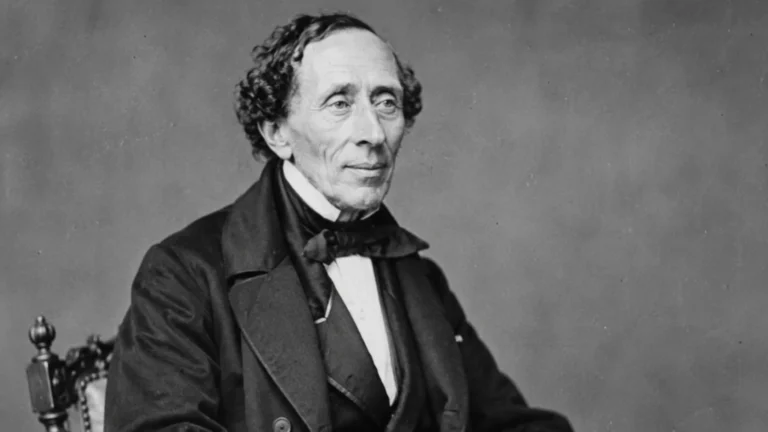
Andersen was born in Odense, Denmark, in 1805. His father was a struggling shoemaker, and his mother worked as a washerwoman. His childhood was marked by intense poverty, and after his father’s death when Andersen was eleven, he was forced to leave school and work in a tailor’s shop and a tobacco factory to help support his family.
2. He Originally Wanted to Be an Actor
Writing was not Andersen’s first career choice. At the age of 14, he moved to the capital city of Copenhagen with the sole intention of becoming an actor, singer, or dancer. He possessed a high soprano voice and was accepted into the Royal Danish Theatre’s choir. It was only after his voice broke during puberty that a theater colleague suggested he focus on writing instead.
3. He Struggled with Spelling and Grammar
Despite becoming one of the most translated authors in history, Andersen struggled with formal writing mechanics throughout his life. His original manuscripts are filled with spelling errors, crossed-out words, and unconventional grammar. Many modern scholars and biographers suggest he may have been highly dyslexic, relying heavily on editors and friends to proofread his publications.
4. “The Ugly Duckling” Is Autobiographical
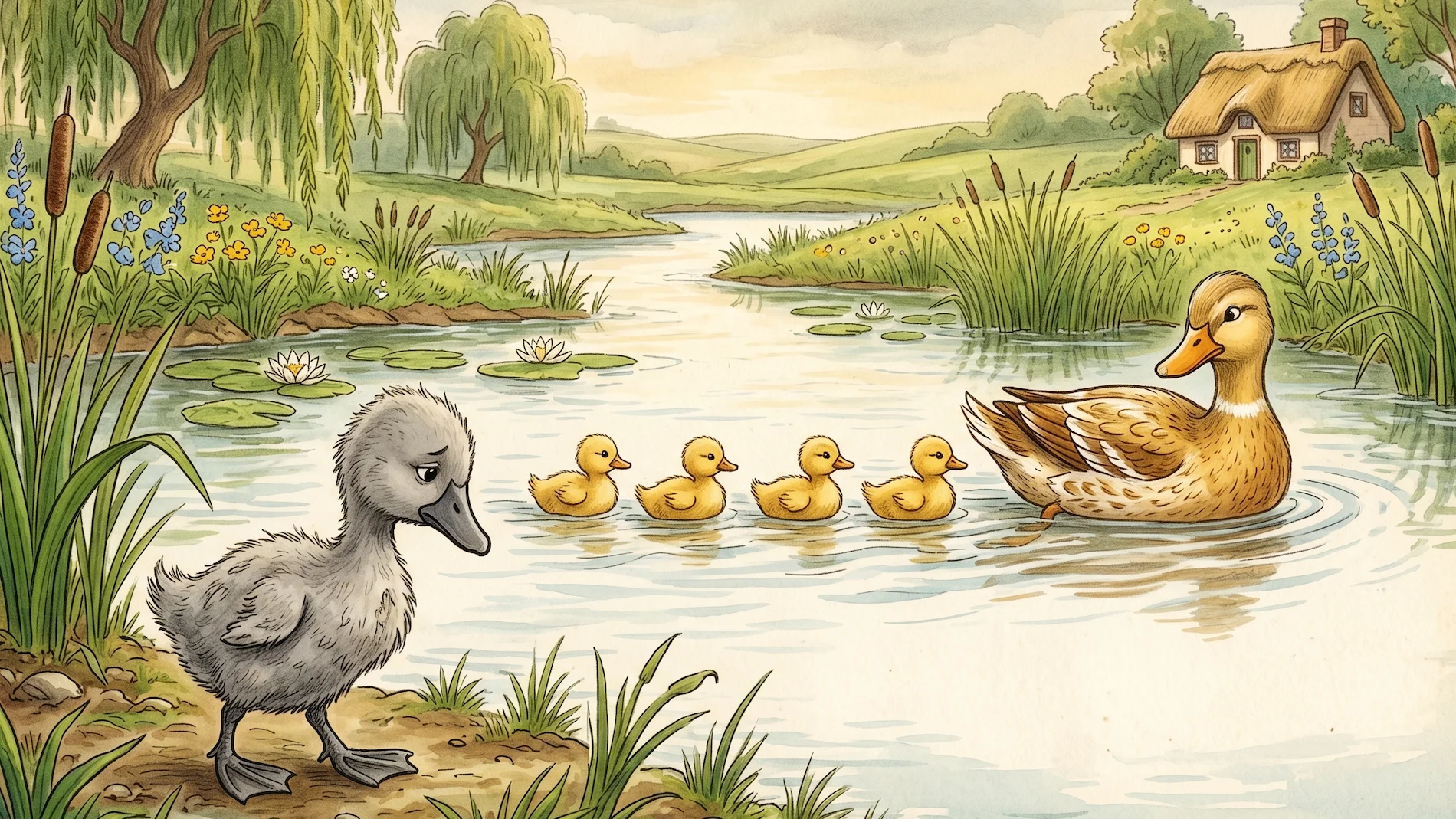
Andersen openly admitted that “The Ugly Duckling” was a reflection of his own life. As a youth, he was unusually tall, gangly, and considered awkward by his peers. Because he came from a lower-class background, he frequently felt alienated among the wealthy, educated elites of Copenhagen. The story serves as a metaphor for his transformation from a mocked outsider into a celebrated “swan” of literature.
5. His Original Endings Were Notably Darker
Modern adaptations of Andersen’s tales, particularly animated films, heavily sanitize his original narratives. In his 1837 text of “The Little Mermaid,” every step the mermaid takes on land feels like walking on sharp knives. Furthermore, she does not marry the prince; instead, she throws herself into the ocean and dissolves into sea foam, eventually becoming a spirit of the air.
6. He Was a Master of Paper Cutting
Andersen possessed a unique visual talent: psaligraphy, or the art of paper cutting. While entertaining friends or children with oral stories, he would simultaneously fold and cut large pieces of paper with large scissors. When he finished the story, he would unfold the paper to reveal an intricate, highly detailed silhouette scene that matched the narrative. Many of these delicate paper cuts survive in museums today.
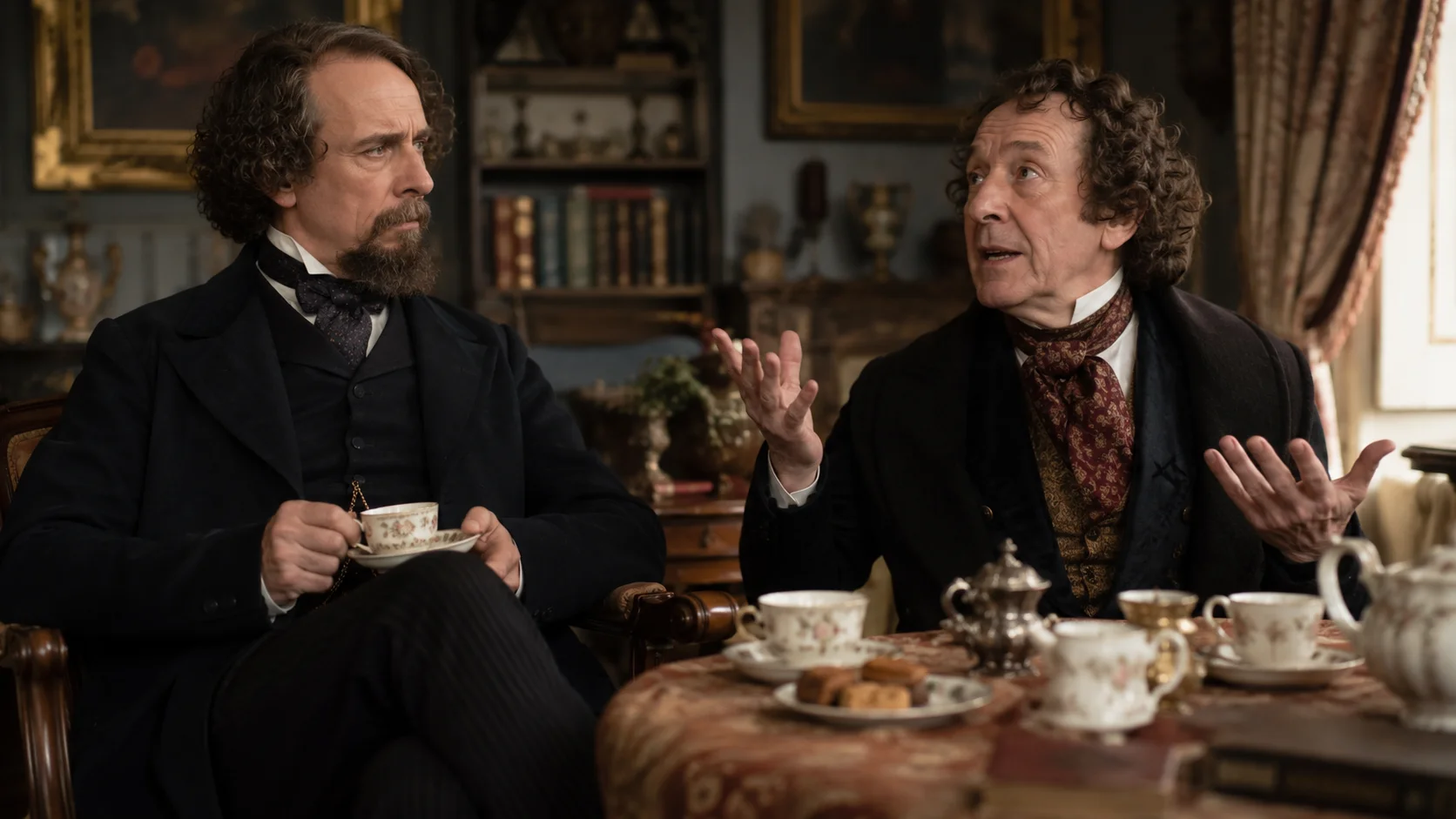
7. He Overstayed His Welcome with Charles Dickens
Andersen was a massive fan of the British author Charles Dickens. In 1857, Dickens invited Andersen to stay at his home in England for a brief two-week visit. Misunderstanding British social cues, Andersen ended up staying for five weeks. He proved to be a needy and demanding houseguest, prompting Dickens to subtly cut ties with him after the visit concluded.
8. He Harbored Intense Phobias
Andersen was notorious for his deep-seated anxieties and hypochondria. He was terrified of dogs, afraid of eating pork out of fear of contracting a parasite, and constantly worried about losing his passport. His fear of dying in a fire was so severe that he habitually packed a coil of rope in his luggage whenever he traveled, intending to use it to escape from hotel windows.
9. He Feared Being Buried Alive
Among his many phobias, taphophobia (the fear of being buried alive) was perhaps his most prominent. To ensure he would not wake up in a coffin, Andersen frequently left a handwritten note on his bedside table before going to sleep that read: “I only appear to be dead.” In his later years, he requested that his arteries be cut before his burial to guarantee he was deceased.
10. He Resented the “Children’s Author” Label
Though his fairy tales made him famous, Andersen felt his work was misunderstood. He viewed his tales as literature meant to be read and analyzed by adults just as much as children. When a sculptor proposed a monument showing Andersen surrounded by children listening to him read, the author vehemently rejected the design, insisting his work was for all ages.
11. He Invented the Literary Fairy Tale
Unlike the Brothers Grimm or Charles Perrault, who recorded and edited existing folk tales passed down through generations, Andersen largely invented his own stories. This practice created a new literary subgenre known in German as the Kunstmärchen (the literary fairy tale). While some of his early works borrowed from Scandinavian folklore, his most famous stories were entirely original creations.
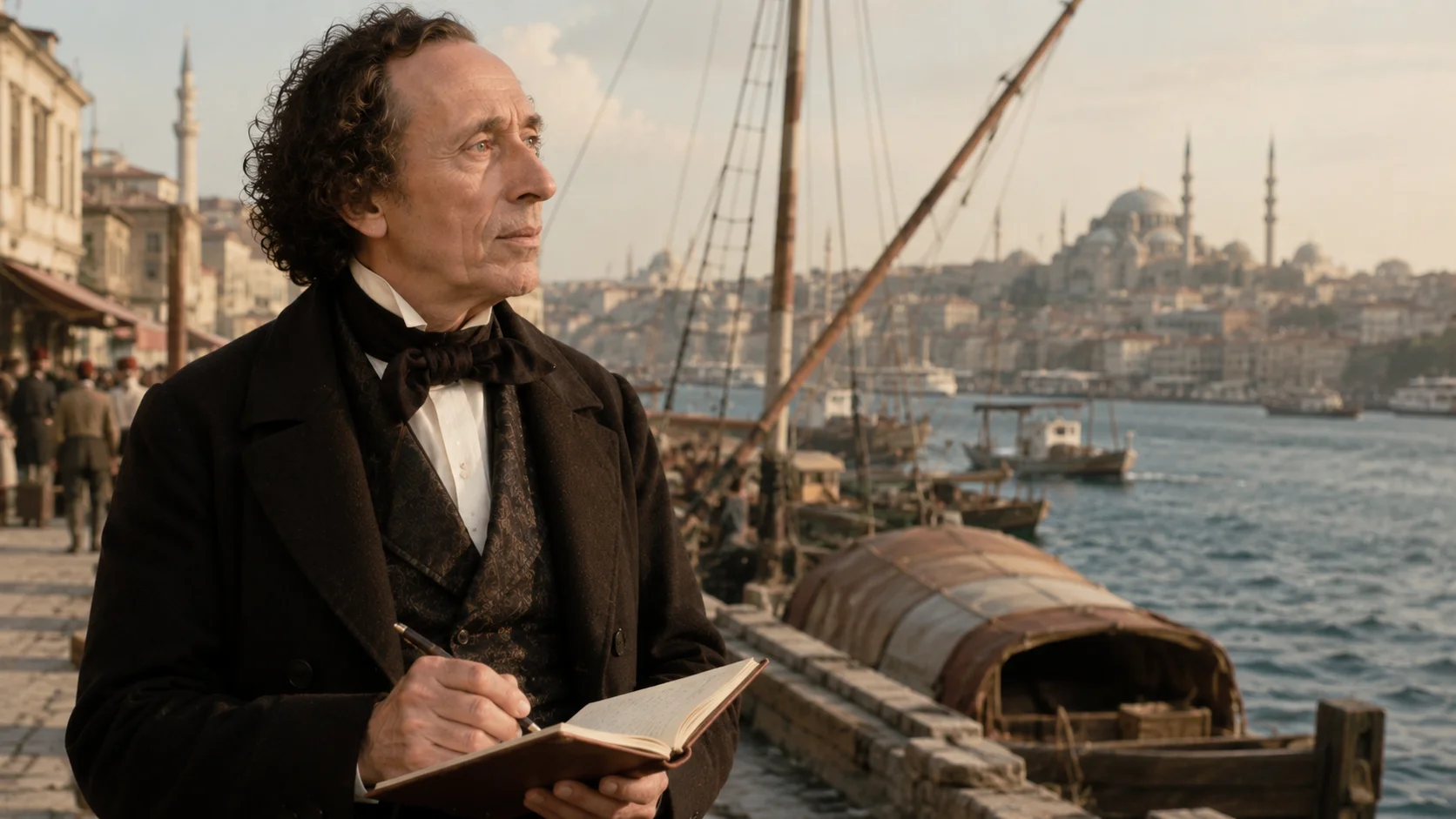
12. He Was a Lifelong Traveler
Andersen viewed travel as an essential component of life and writing, famously coining the phrase: “To travel is to live.” He spent approximately nine years of his life traveling across Europe, the Mediterranean, and parts of the Ottoman Empire. His early literary successes were actually travelogues, documenting his observations of foreign cultures.
13. He Experienced Frequent Unrequited Love
Andersen’s private diaries and letters reveal a lifetime of intense romantic infatuations with both men and women, almost all of which were unrequited. His most famous unrequited love was for the renowned Swedish opera singer Jenny Lind, known as the “Swedish Nightingale.” She respected him as a friend but rejected his romantic advances, which heavily inspired the melancholic themes in his stories.
14. He Was Supported by the Danish Crown
Writing was not initially a lucrative profession, and Andersen struggled financially early in his career. However, his early promise caught the attention of Jonas Collin, a director of the Royal Theatre, who convinced King Frederick VI to pay for part of Andersen’s education. Later in life, the Danish government awarded Andersen an annual royal stipend, securing his financial independence.
15. He Was Mourned as a National Treasure
By the time Andersen died of liver cancer in 1875 at the age of 70, he was recognized globally as a literary giant. He had received the honor of “State Councilor” and was highly celebrated during his lifetime. His funeral in Copenhagen was a major national event, attended by King Christian IX of Denmark and other prominent members of the royal family.