1. Surprisingly, Most Passengers Survived the Fire
Despite the terrifying footage of a colossal, sky-filling inferno that seemed impossible to escape, a shocking majority of the people aboard actually survived. Out of the 97 passengers and crew members on the zeppelin that fateful evening, 62 miraculously made it out alive. Many survived by simply jumping from the panoramic windows as the doomed ship rapidly plummeted toward the ground, sprinting away from the burning wreckage before the immense heat could consume them.
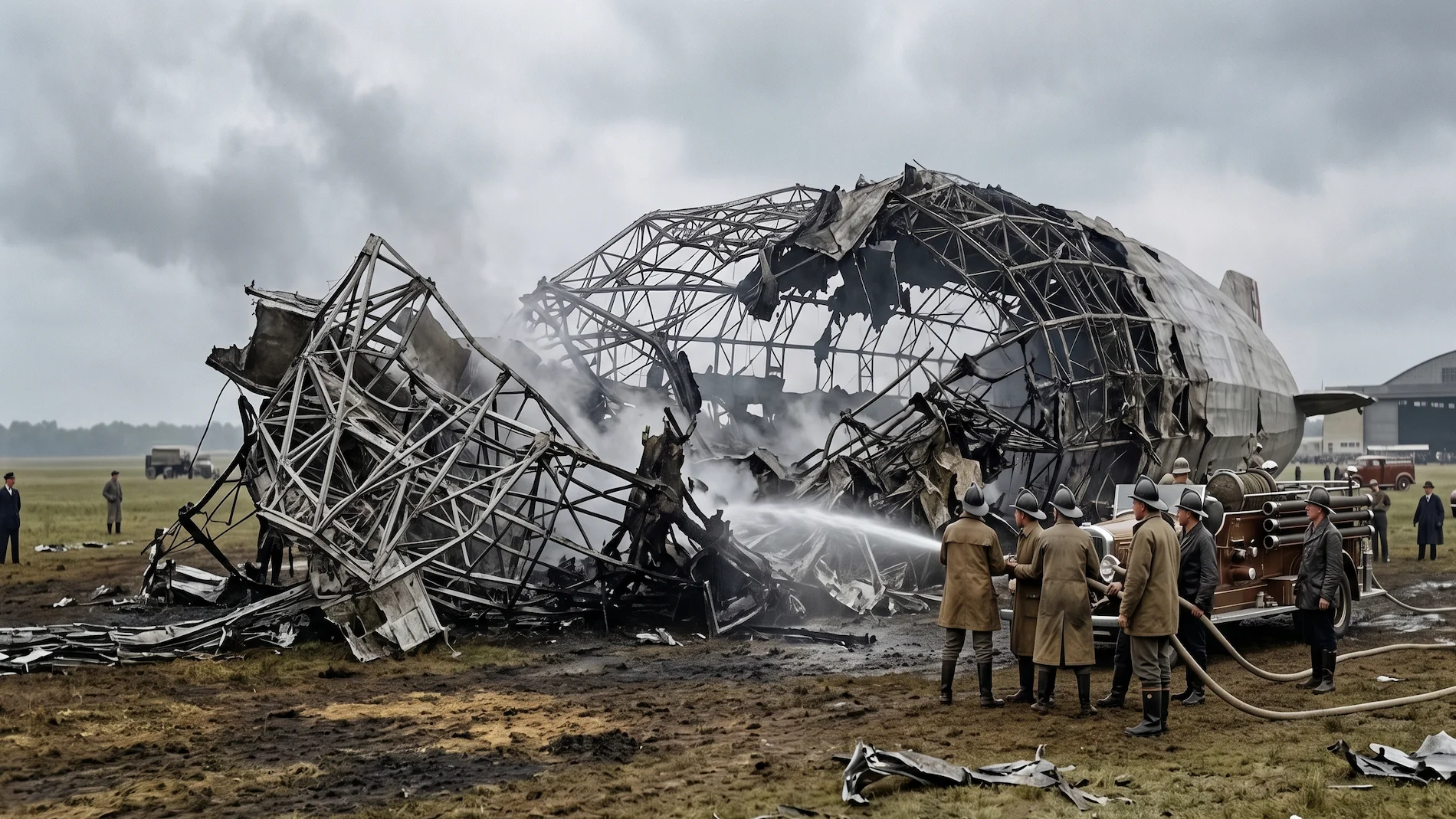
2. The Colossal Airship Burned in a Shocking 32 Seconds
The sheer scale of the Hindenburg makes the speed of its destruction almost impossible to comprehend. From the moment the first mysterious spark ignited the highly combustible gas, it took an astonishingly fast 32 seconds for the 804-foot leviathan to be completely reduced to ashes and a glowing metallic skeleton. This terrifying velocity is the primary reason the disaster feels so apocalyptic in historical footage, as millions of cubic feet of gas fueled an almost instantaneous aerial explosion.
3. It Was Designed for Safe Helium, Not Highly Flammable Hydrogen
The legendary zeppelin was never originally meant to be a flying bomb, as German engineers explicitly designed it to be lifted by inert, non-flammable helium gas. However, the United States controlled the world’s supply of helium and had enacted strict embargoes prohibiting its export to a rapidly militarizing Nazi Germany. Forced to pivot at the last minute, the engineers reluctantly filled the ship’s massive gas cells with highly volatile hydrogen, a fatal political compromise that ultimately sealed the airship’s doom.
4. Herbert Morrison’s Famous Broadcast Was Not Aired Live
Herbert Morrison’s anguished cry of “Oh, the humanity!” is the defining soundtrack of the disaster, yet no one actually heard it as the tragedy was unfolding. Morrison was recording the event for Chicago radio station WLS on an acetate transcription disc, which was later rushed to New York and broadcast nationally the following day. Furthermore, the playback speed of the recording was slightly distorted, causing Morrison’s naturally deep voice to sound unnaturally high-pitched and frantic in the historic audio we recognize today.
5. The Zeppelin Served as a Massive Flying Nazi Propaganda Billboard
Although the Zeppelin Company was a commercial enterprise, the Hindenburg was heavily subsidized by the Nazi regime, which aggressively utilized the technological marvel to project dominance and power. The airship’s towering tail fins were emblazoned with massive swastikas, ensuring that the sinister symbol of the Third Reich dominated the skyline wherever the vessel traveled. Propaganda Minister Joseph Goebbels specifically ordered the ship to fly low over German stadiums and foreign cities alike, transforming it into the ultimate aerial tool for psychological intimidation.

6. There Was an Actively Used Smoking Room on the Hydrogen-Filled Ship
It sounds like absolute madness to allow smoking on an airship floating on 7 million cubic feet of highly explosive hydrogen, but the Hindenburg actually featured a luxurious, pressurized smoking room. Passengers accessed this heavily insulated lounge through a specialized double-door airlock designed to prevent any ambient hydrogen from seeping inside. Once seated, an official steward had the sole authority to light passengers’ cigars and cigarettes using a special electric lighter, ensuring no open flames were ever brought into the main cabins.
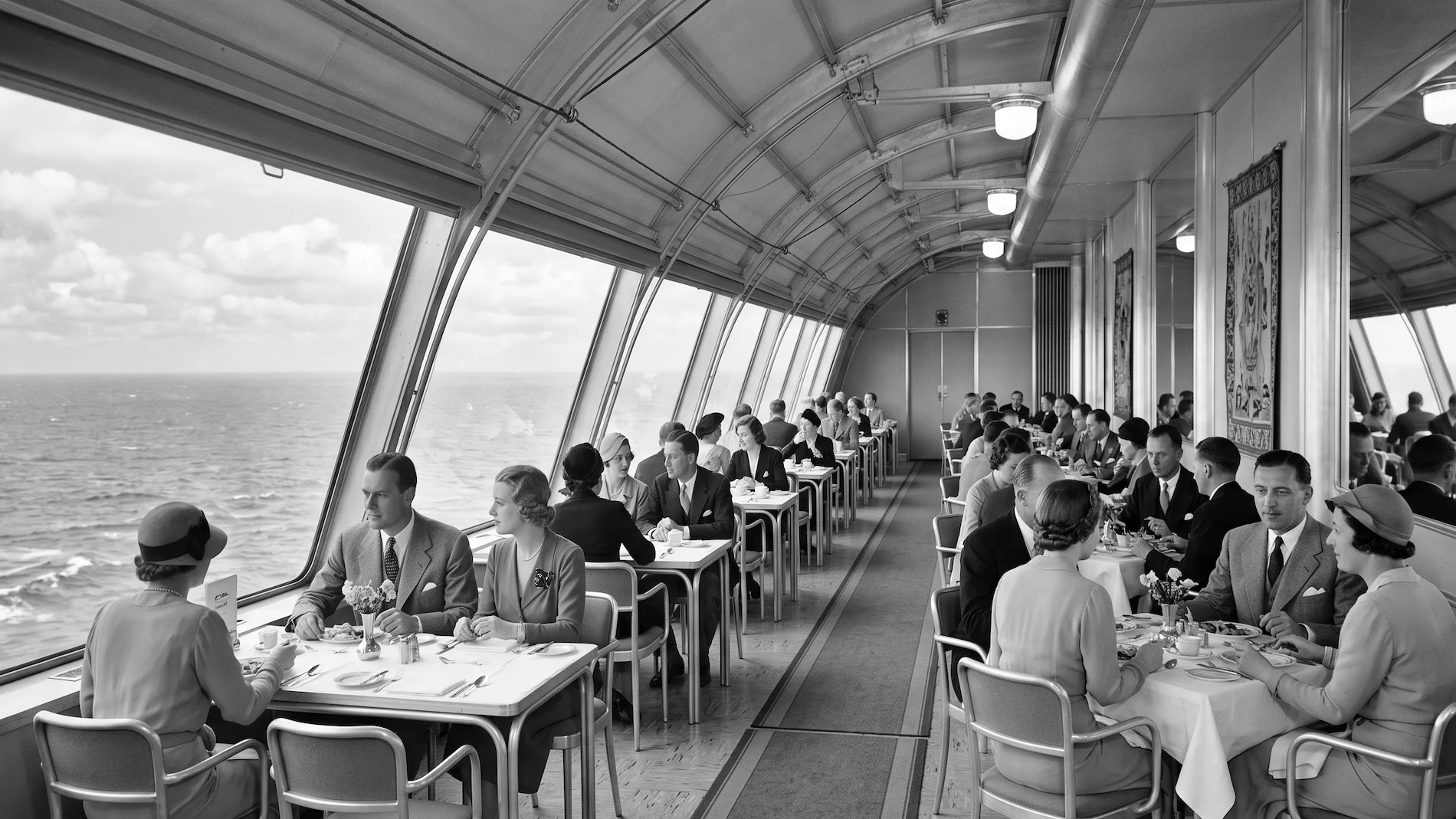
7. A One-Way Ticket Cost the Equivalent of a Modern Luxury Car
Flying on the Hindenburg was an exclusive privilege reserved for the exceptionally wealthy, politicians, and industrial titans of the era. A one-way ticket across the Atlantic Ocean cost approximately $400 in 1937, which translates to roughly $8,500 today when adjusted for inflation. For this staggering premium, elite passengers enjoyed gourmet dining, a lightweight aluminum grand piano, and an incredibly smooth, vibration-free flight that lumbering ocean liners could never dream of matching.
8. Over One Hundred Pieces of Mail Survived the Searing Inferno
Unbeknownst to many, the Hindenburg was also operating as an official airmail carrier, hauling thousands of letters and parcels across the ocean in its secure cargo hold. Despite the blistering heat that melted the airship’s structural duralumin frame, postal workers later recovered exactly 176 pieces of mail from the smoldering wreckage. Today, these scorched, fragile envelopes are considered some of the rarest and most intensely coveted artifacts in the world of philately, fetching astronomical prices at auction.
9. The Exact Spark That Caused the Fire Remains a Fiercely Debated Mystery
Even after decades of exhaustive scientific investigations and government inquiries, the precise ignition source of the Hindenburg disaster has never been conclusively proven. The most widely accepted theory points to an electrostatic discharge, or static spark, igniting leaking hydrogen during the stormy docking procedure at Lakehurst. However, alternative theories involving everything from highly flammable fabric coating on the ship’s exterior to far-fetched tales of anti-Nazi sabotage continue to fuel fierce debates among aviation historians to this day.
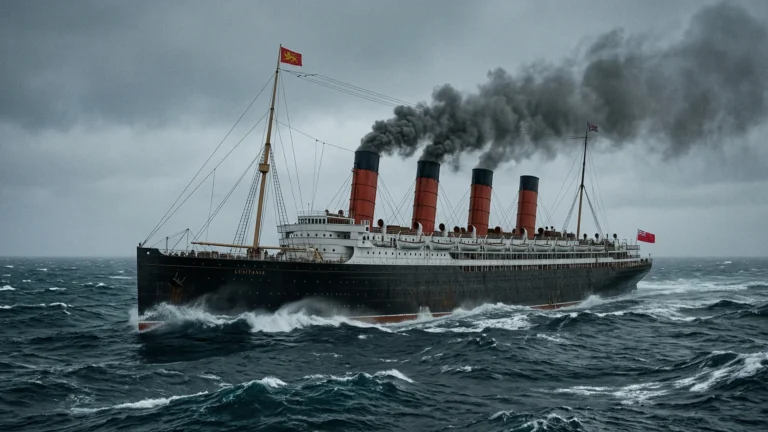
10. The Hindenburg Was Only Slightly Shorter Than the Titanic
To truly grasp the awe-inspiring scale of the Hindenburg, one must compare it to the most famous ocean liner in human history. Measuring a staggering 804 feet in length, the zeppelin was just 78 feet shorter than the RMS Titanic, making it the largest aircraft ever constructed by mankind. If you stood this immense, lighter-than-air behemoth on its tail, it would have loomed over the Washington Monument and perfectly matched the height of a modern 75-story skyscraper.
11. It Did Not Kill the Most People, But It Did Kill the Airship Industry
The Hindenburg is universally remembered as the ultimate zeppelin disaster, yet the tragic crash of the helium-filled USS Akron four years prior actually claimed far more lives. What made the Hindenburg a fatal blow to the airship industry was the unprecedented presence of newsreel cameras and radio reporters capturing the visceral horror in real-time. The inescapable, terrifying visual evidence instantly shattered the public’s trust in lighter-than-air passenger travel, abruptly ushering in the undisputed era of the modern airplane.
12. A Ruptured Water Tank Saved the Life of a Fourteen-Year-Old Cabin Boy
One of the most incredible tales of survival from that fateful day belongs to Werner Franz, a 14-year-old German cabin boy working aboard the vessel. As the flames devoured the ship and the structure collapsed around him, a massive overhead water ballast tank suddenly ruptured, completely drenching the terrified teenager. This unexpected deluge miraculously shielded Franz from the searing heat, allowing him to sprint through the roaring flames and walk away from the disaster completely unscathed.
13. The Hindenburg Successfully Crossed the Ocean Over Sixty Times Before the Crash
It is easy to assume the Hindenburg was a doomed, experimental failure right out of the gate, but it actually enjoyed a highly successful and lucrative inaugural season. In 1936 alone, the mighty zeppelin completed 63 completely flawless flights, safely transporting thousands of passengers and tons of cargo between Germany, Brazil, and the United States. Its impeccable safety record during that first year gave both the crew and the adoring public a tragically false sense of absolute security.
14. An Aluminum Grand Piano Was Built Specifically to Save Weight
Because every single ounce of weight mattered when floating on gas, the Zeppelin Company commissioned the legendary Julius Blüthner firm to craft a completely unique musical instrument for the ship’s main lounge. The resulting grand piano was a marvel of acoustic engineering, constructed almost entirely of lightweight aluminum and covered in yellow pigskin to match the cabin’s lavish decor. Astonishingly, this incredibly rare 356-pound aluminum piano had been removed from the ship before its final, fateful 1937 voyage to save even more weight, sparing it from the flames.
15. The Ground Crew Showed Unimaginable Heroism Rushing Toward the Flames
While passengers desperately fought to escape the plunging inferno, the civilian ground crew waiting at Lakehurst Naval Air Station exhibited almost superhuman bravery. Instead of fleeing the colossal, exploding wall of fire and molten duralumin, dozens of these men immediately sprinted directly into the heart of the wreckage to drag survivors to safety. Their incredibly selfless actions in the terrifying seconds following the crash are directly responsible for the remarkably high survival rate of those aboard the doomed zeppelin.
Sources and References:
Smithsonian National Air and Space Museum: https://airandspace.si.edu/stories/editorial/aftermath-hindenburg
National Archives: https://www.archives.gov/exhibits/eyewitness/html.php?section=5
Airships.net: https://www.airships.net/hindenburg/disaster/