1. She Was Not Related to Mahatma Gandhi
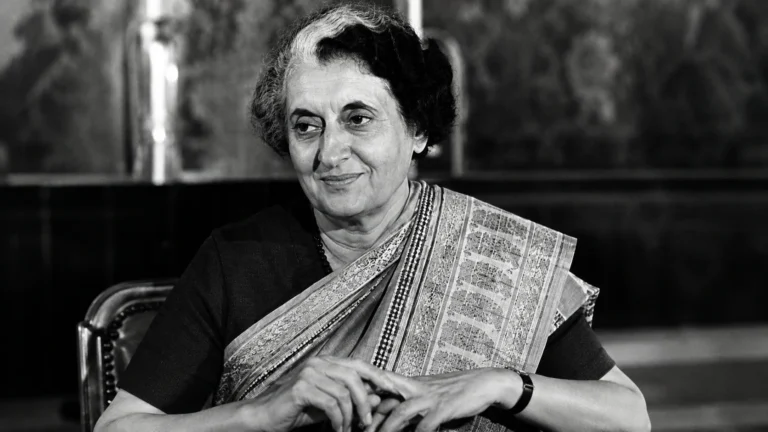
Despite sharing one of the most famous last names in history, Indira Gandhi was not biologically related to Mahatma Gandhi. She was born Indira Nehru, the only child of Jawaharlal Nehru, India’s first Prime Minister. She acquired the surname “Gandhi” after marrying politician and journalist Feroze Gandhi, who was also unrelated to the Mahatma.
2. She Led a Children’s Resistance Group
During the Indian independence movement against British rule, a young Indira wanted to participate. Because she was too young to join the official Indian National Congress, she founded the Vanar Sena (Monkey Brigade). This youth group played a surprisingly active role by smuggling messages, making flags, and putting up anti-British posters.
3. Rabindranath Tagore Gave Her a Famous Nickname
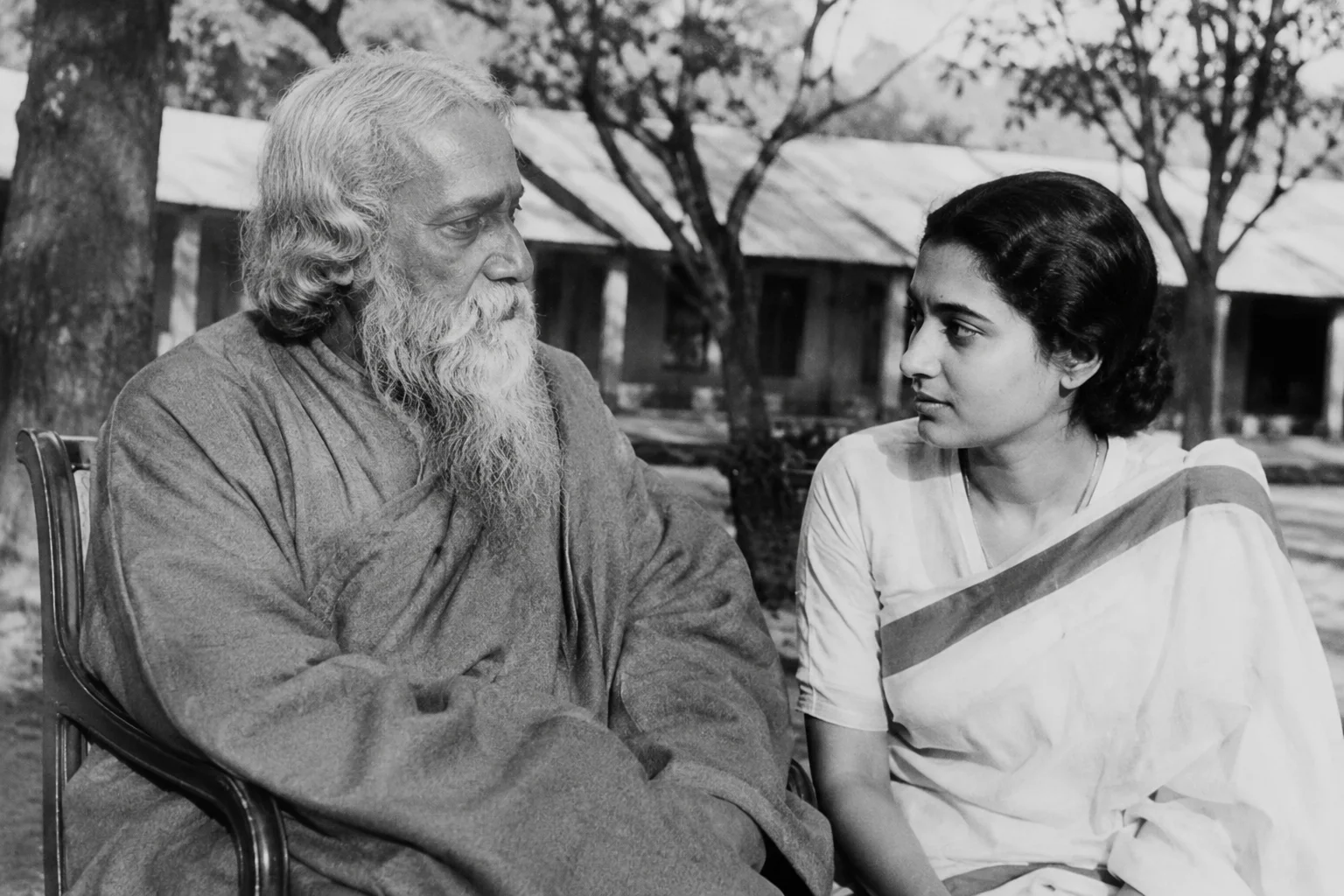
Indira briefly attended Visva-Bharati University, an institution founded by the legendary poet, philosopher, and Nobel laureate Rabindranath Tagore. It was Tagore who bestowed upon her the name “Priyadarshini,” which roughly translates to “looking at everything with kindness” or “beautiful to behold.” She was often referred to as Indira Priyadarshini Gandhi.
4. Opponents Underestimated Her as a “Dumb Doll”
When she first became Prime Minister in 1966, many veteran politicians in her party supported her because they believed she would be weak, easily manipulated, and reliant on their guidance. Ram Manohar Lohia, a socialist leader, notoriously dubbed her Goongi Gudiya (“Dumb Doll”). She quickly proved them wrong, ruthlessly outmaneuvering her rivals to consolidate absolute power.
5. She Was Expelled from Her Own Party
By 1969, Indira’s increasingly independent and left-leaning policies caused a massive rift with the conservative “Syndicate” of old-guard leaders within the Indian National Congress. They actually expelled the sitting Prime Minister from the party for “indiscipline.” Undeterred, Indira rallied the majority of the party members, split the Congress in two, and emerged as the undisputed leader of the new, dominant faction.
6. She Nationalized India’s Banks
In one of her most decisive domestic moves, Indira Gandhi suddenly nationalized 14 of India’s largest commercial banks by ordinance in 1969. The goal was to redirect credit and financial resources away from large corporate monopolies and toward agriculture, small-scale industries, and rural development, a move that made her wildly popular with the working class.
7. She Stripped Royalty of Their Privileges
When India gained independence, hundreds of princely states agreed to merge with the new nation in exchange for “Privy Purses”—guaranteed tax-free allowances paid by the government. In 1971, Indira pushed through a constitutional amendment that abolished these payments and stripped the former royals of their official titles and privileges, further cementing her populist image.
8. She Led India to a Decisive Military Victory in 1971
When a brutal crackdown by West Pakistan on East Pakistan sparked a massive refugee crisis, Indira Gandhi decisively intervened. She supported the Bengali freedom fighters (Mukti Bahini) and led India into the Indo-Pakistani War of 1971. India secured a swift and overwhelming victory in just 13 days, resulting in the creation of the independent nation of Bangladesh.
9. She Authorized India’s First Nuclear Test
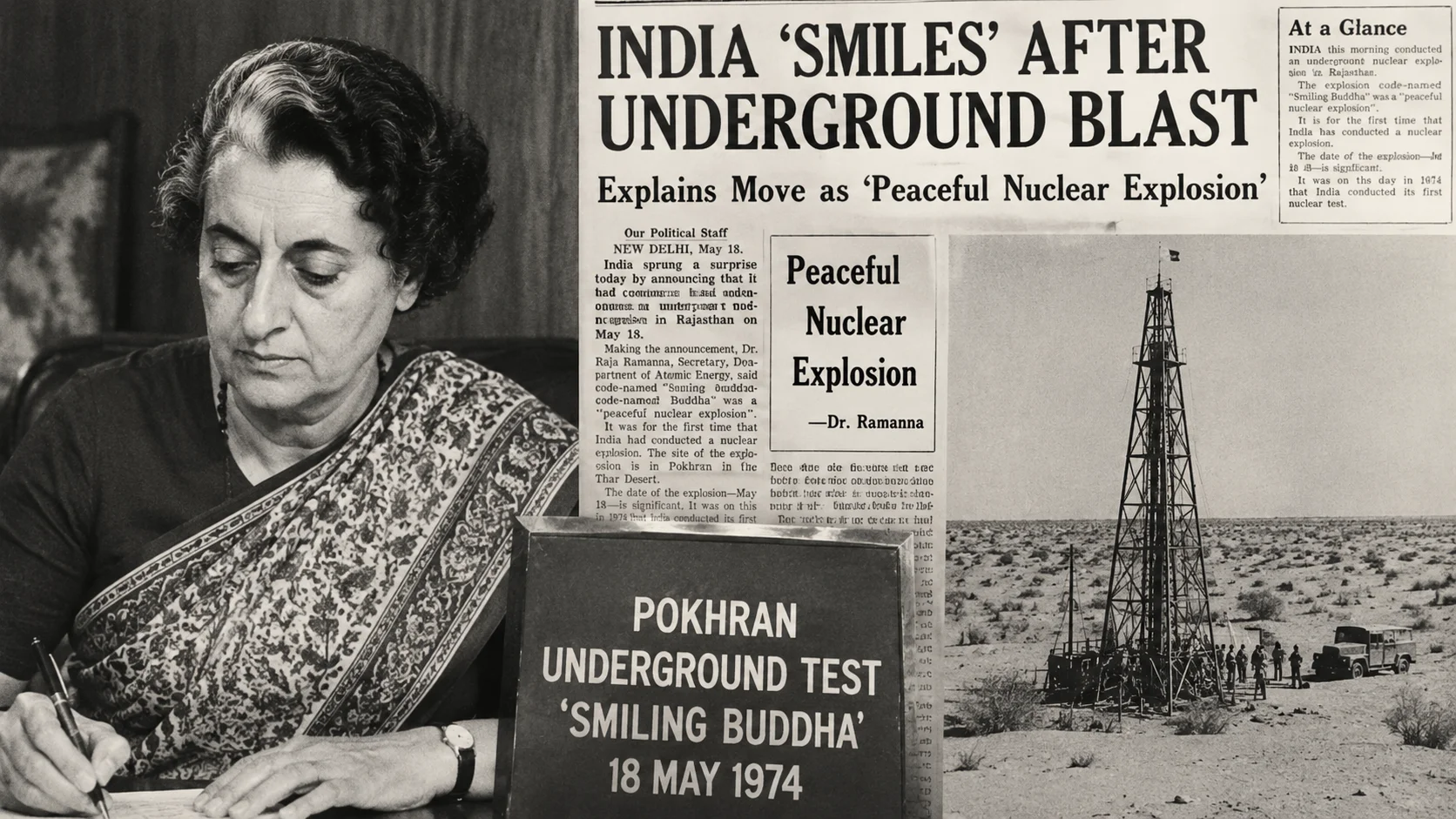
Under Indira’s leadership, India covertly developed nuclear capabilities. In May 1974, she authorized “Smiling Buddha,” India’s first successful nuclear bomb test in the deserts of Pokhran. While the government officially claimed it was a “peaceful nuclear explosion,” the test shocked the world and established India as a nuclear-capable power outside the five permanent UN Security Council members.
10. She Imposed “The Emergency”
In 1975, a high court convicted Indira of minor electoral malpractices and barred her from holding office. Instead of resigning, she convinced the President to declare a national state of emergency. From 1975 to 1977, civil liberties were suspended, the press was heavily censored, elections were canceled, and thousands of political opponents were jailed without trial. It remains the darkest period in India’s democratic history.
11. She Was Arrested After Losing Power
Believing her popularity had recovered, Indira called for elections in 1977 and was handed a crushing defeat by a coalition of opposition parties. The new government subsequently had her arrested on charges of corruption and abuse of power. However, her brief imprisonment actually backfired; it generated public sympathy and helped her stage a massive political comeback.
12. She Championed the “Green Revolution”
Indira Gandhi was instrumental in accelerating India’s Green Revolution. By subsidizing high-yielding varieties of seeds, providing fertilizers, and expanding irrigation networks, her government transformed India from a country heavily reliant on foreign food aid into a self-sufficient agricultural powerhouse that could feed its rapidly growing population.
13. She Ordered “Operation Blue Star”
In the early 1980s, an armed Sikh separatist movement occupied the Golden Temple in Amritsar, the holiest site in Sikhism. In June 1984, Indira ordered the Indian military to storm the complex in an assault known as Operation Blue Star. The operation removed the militants but resulted in heavy casualties and severe damage to the temple, deeply wounding the global Sikh community.
14. She Was Assassinated by Her Own Bodyguards
The fallout from Operation Blue Star was catastrophic. On the morning of October 31, 1984, as she was walking through the garden of her Prime Ministerial residence to be interviewed by British actor Peter Ustinov, Indira Gandhi was assassinated. She was shot multiple times by two of her own Sikh bodyguards, Satwant Singh and Beant Singh, in an act of retaliation.
15. She Was Voted “Woman of the Millennium”
Despite her deeply polarizing legacy, her impact on the 20th century was undeniable. In an online poll organized by BBC News in 1999, Indira Gandhi was voted the “Woman of the Millennium,” beating out other iconic figures like Queen Elizabeth I, Marie Curie, and Mother Teresa.