The Sonic Heavyweights: 15 Fascinating Facts About Led Zeppelin
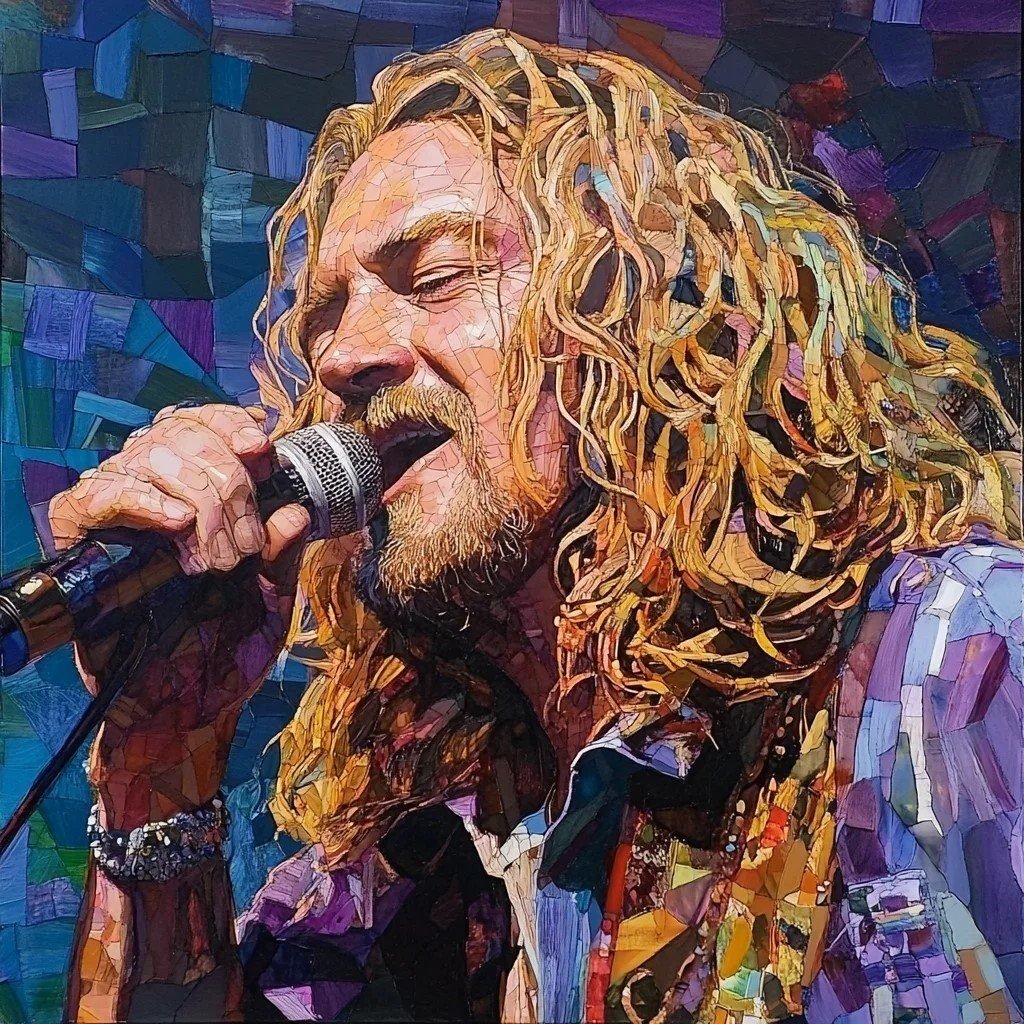
Formed in London in 1968, Led Zeppelin redefined the landscape of modern rock music with their groundbreaking blend of heavy blues, folk, and mystical storytelling. Comprising Jimmy Page, Robert Plant, John Paul Jones, and John Bonham, the group rejected conventional industry norms by focusing on album-oriented releases rather than hit singles. From setting stadium attendance records to building a legendary aura shrouded in esoteric imagery, their influence on popular culture remains colossal. Discover the extraordinary history, eccentricities, and record-shattering achievements behind one of rock music's most iconic bands.
1. The Name Was Inspired by a Snarky Joke from Who Musicians
When Jimmy Page was looking to form a rock supergroup in 1966, The Who's drummer Keith Moon and bassist John Entwistle joked that the project would go down like a lead balloon. Page remembered the witty insult when assembling his new band two years later. To ensure American audiences would not mispronounce the word as "leed," he dropped the letter "a" from "lead." Manager Peter Grant fully backed the moniker, recognizing its bold and heavy imagery. Thus, a casual backstage quip about a catastrophic failure gave birth to one of the most famous names in rock history.
2. Their Debut Album Was Recorded in Just 36 Hours
In October 1968, Led Zeppelin entered London's Olympic Studios to record their self-titled debut album. The entire process took roughly 36 hours of studio time spread across a few weeks. Jimmy Page personally financed the recording sessions for under £1,800 to ensure the band retained creative independence before signing a record deal. Because the group had just completed a brief Scandinavian tour, their material was thoroughly rehearsed and captured mostly live in the room. This efficient, self-funded strategy yielded a groundbreaking album that immediately established their heavy, blues-infused sound globally.
3. An Offended Aristocrat Forced Them to Perform as "The Nobs"
When Led Zeppelin toured Denmark in February 1970, they faced an unexpected threat from European nobility. Countess Eva von Zeppelin, a descendant of airship pioneer Count Ferdinand von Zeppelin, was intensely insulted by the band's name and the burning airship artwork on their debut album. She threatened legal action to halt their local concert performance, calling them dishonorable music makers. To avoid a legal showdown while in Copenhagen, the band agreed to perform under the alias "The Nobs" for their show at the K.B. Hallen. Fans still packed the venue, thoroughly enjoying the tongue-in-cheek moniker used for one night only.
4. Robert Plant Wasn't Jimmy Page's First Choice for Vocalist
When constructing the band lineup in 1968, Jimmy Page initially offered the lead singer role to English blues-rock singer Terry Reid. Reid declined the invitation due to existing tour commitments, but he urged Page to check out an obscure young vocalist performing in Birmingham. That singer was Robert Plant, whose powerful vocal range instantly stunned Page during a live performance in a teacher training college. Plant then suggested his friend John Bonham for the drum throne, completing the core chemistry of the legendary quartet. Reid's simple recommendation inadvertently altered the entire course of rock music history.
5. John Paul Jones Was Already a Legendary Studio Mastermind
Before joining Led Zeppelin, bassist and keyboardist John Paul Jones was one of London's most sought-after session musicians and arrangers. He lent his multi-instrumental talents to hundreds of recordings throughout the 1960s, working with artists like The Rolling Stones, Donovan, and Herman's Hermits. Jones arranged the famous string section on The Rolling Stones' hit song "She's a Rainbow" and played bass on Donovan's "Hurdy Gurdy Man." Fearing burnout from grueling studio schedules, Jones eagerly joined Jimmy Page to forge a fresh artistic direction. His deep musical knowledge provided the subtle arrangement sophistication that elevated the band's heavy riffs.
6. "Stairway to Heaven" Became a Radio Giant Without Ever Being a Single
Despite being arguably the most famous rock song ever written, "Stairway to Heaven" was never officially released as a commercial single in the United States or the United Kingdom. Led Zeppelin strictly resisted editing the eight-minute epic for radio or releasing 7-inch vinyl singles, preferring fans to buy their full albums instead. Radio stations played promo discs non-stop, turning the track into the most requested song on American FM radio throughout the 1970s. This deliberate refusal to release a single forced millions of fans to purchase 1971's untitled fourth album. Consequently, the record became one of the best-selling albums in recorded music history.
7. The Mysterious Symbols on Led Zeppelin IV Replaced the Band's Name
When releasing their fourth studio album in November 1971, the band chose to print no title, band name, or record label catalog number on the outer cover. Instead, the inner sleeve featured four mysterious handcrafted symbols chosen by each band member to represent themselves. Jimmy Page designed a cryptic emblem often read as "Zoso," while John Paul Jones and John Bonham selected intricate runic symbols from ancient texts. Robert Plant created a circle containing a feather, symbolizing the Egyptian goddess Ma'at. Despite intense pushback from executives at Atlantic Records who feared financial disaster, the album became a monumental commercial triumph.
8. Manager Peter Grant Revolutionized Concert Economics
Led Zeppelin's manager, Peter Grant, was a formidable figure who completely transformed how concert revenue was distributed in the music industry. Prior to Grant's aggressive negotiations, concert promoters routinely took 50 percent or more of total ticket sales. Grant demanded an unprecedented 90/10 split in favor of the band, forcing promoters to accept smaller margins or miss out on the world's biggest live act. He personally oversaw venue security and ticket auditing to stop counterfeiters and ensure the band was never cheated. His iron-fisted financial strategies set a new blueprint for superstar band management across the globe.
9. They Broke The Beatles' Record for the Largest Concert Audience
On May 5, 1973, Led Zeppelin kicked off their North American tour by performing at Tampa Stadium in Florida. A staggering crowd of 56,800 fans packed into the stadium to watch the single-artist performance. This massive turnout shattered the previous record set by The Beatles at Shea Stadium in 1965, which had drawn 55,600 attendees. The band grossed over $309,000 for that single evening, proving that stadium rock had officially arrived. It marked a historic shift where rock groups could command massive sports stadiums without needing multi-artist festival lineups.
10. Tolkien's Fantasy Novels Directly Inspired Multiple Songs
Vocalist Robert Plant was an avid reader of J.R.R. Tolkien's literature, frequently weaving themes from The Lord of the Rings into the band's songwriting. The classic track "Ramble On" directly mentions Gollum and the evil land of Mordor in its lyrics. "The Battle of Evermore" features mystical lyrical battles between dark lords and Ringwraiths, backed by acoustic mandolin instrumentation. Additionally, "Misty Mountain Hop" references the iconic mountain range featured heavily in Tolkien's Middle-earth lore. These fantastical influences gave the band's heavy blues sound an otherworldly, mythological narrative dimension.
11. John Bonham Frequently Drummed with His Bare Hands
Drummer John Bonham was widely celebrated for his immense physical power, intricate footwork, and inventive performance techniques. During live performances of his signature drum solo track "Moby Dick," Bonham would regularly discard his wooden drumsticks mid-performance. He continued playing his drums and metallic cymbals using only his bare palms and fingers for extended periods. This dramatic technique yielded a warmer, earthy tonal response, though it frequently left his knuckles bruised and bleeding. His raw physical commitment cemented his reputation as one of the most compelling drummers in rock history.
12. Robert Plant Recorded Vocals for "Presence" in a Wheelchair
In August 1975, Robert Plant and his wife suffered serious injuries in a catastrophic car accident while vacationing on the Greek island of Rhodes. The crash forced the band to cancel an upcoming world tour, leaving Plant unable to walk for months. Rather than sitting idle, the band retreated to Musicland Studios in Munich, Germany, to record their seventh studio album, Presence. Plant delivered his fierce, passionate vocal performances while seated in a wheelchair in the recording booth. Recorded in just eighteen days under high stress, the album remains one of their most guitar-heavy and intense records.
13. They Owned a Customized Jetliner Known as "The Starship"
To navigate their grueling North American concert tours in 1973 and 1975, Led Zeppelin leased a customized Boeing 720 passenger jet nicknamed "The Starship." The interior was reconfigured to include a 30-foot sofa, a built-in bar, an electric organ, televisions, and a private master bedroom. Painting the band's name along the fuselage, they traveled between cities in ultimate comfort rather than dealing with commercial airline schedules. The aircraft quickly became an infamous symbol of 1970s rock stardom and lavish touring culture. Other major acts, including Elton John and Alice Cooper, later rented the same aircraft for their own national tours.
14. They Formed Swan Song Records to Control Their Music
In May 1974, Led Zeppelin established their own independent record label called Swan Song Records, distributed by Atlantic. The label allowed the group full artistic independence over their own releases, starting with their double album Physical Graffiti in 1975. Beyond their own discography, the band used the imprint to sign and champion musical acts they personally admired. Successful artists signed to Swan Song included Bad Company, The Pretty Things, and guitarist Dave Edmunds. The label featured an iconic logo inspired by a painting of the Greek sun god Apollo falling to earth.
15. Their 2007 Reunion Set a World Record for Concert Demand
On December 10, 2007, the surviving members of Led Zeppelin reunited for a single tribute concert honoring Atlantic Records founder Ahmet Ertegun at London's O2 Arena. John Bonham's son, Jason Bonham, filled his late father's seat on drums, delivering an incredible performance. Over 20 million people submitted applications for tickets in an online lottery, causing the ticketing website to crash immediately. This staggering surge in fan interest earned the band a Guinness World Record for the highest demand for tickets for a music concert. The triumphant concert was later captured and released as the live film and album Celebration Day.
Sources & References
This AI-assisted post was rigorously curated and fact-checked for accuracy by:
 Martin Roháček
How fun was this article? 🤔
Tap a star to rate it
🧠 Quiz: How closely were you paying attention?
10 questions — all answers are in the article above!
Enjoyed these facts? There's more! 💌
Fresh fun facts in your inbox. No spam, ever.