
The Fearless Leader: 15 Fascinating Facts About Mark Messier
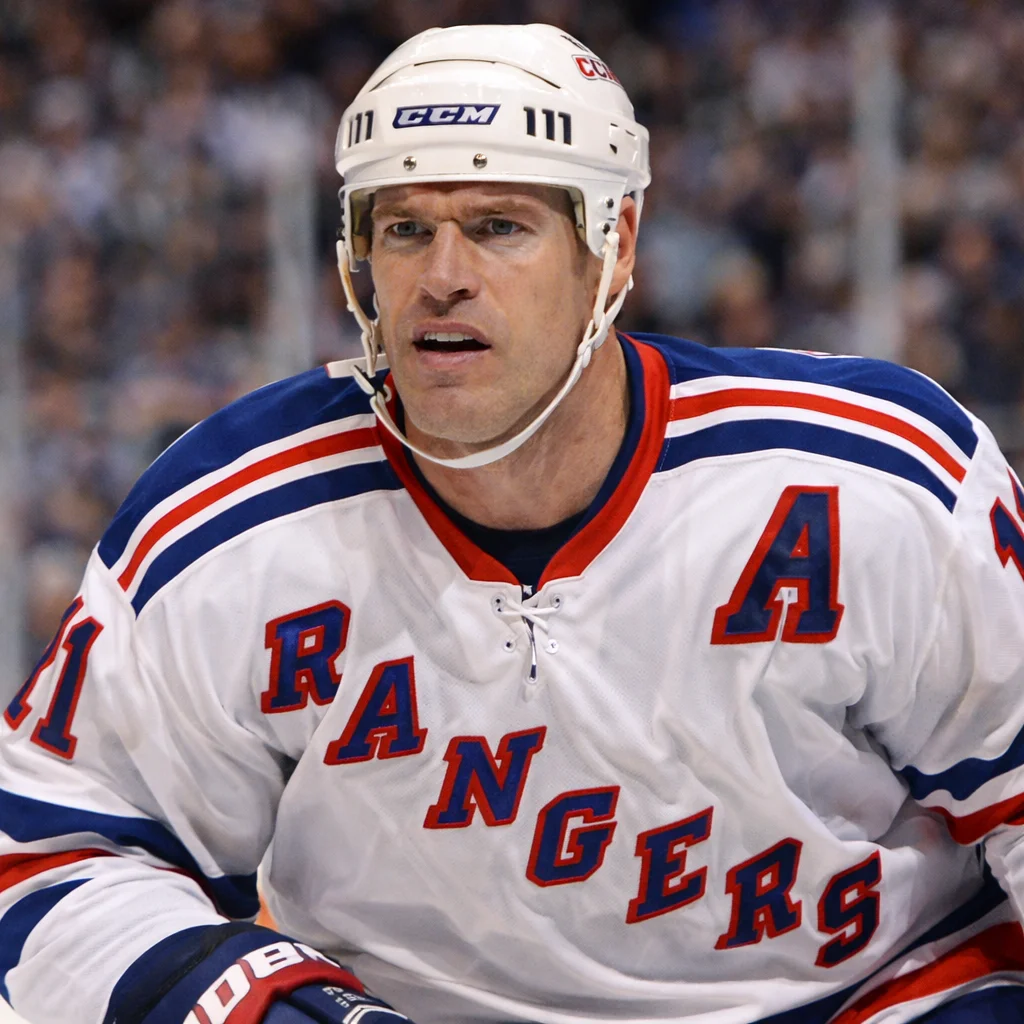
Mark Messier stands as one of the most dominant leaders and fierce competitors in National Hockey League history. Over a staggering 25-season professional career, he won six Stanley Cups, racked up nearly 1,900 points, and earned a reputation as the ultimate big-game performer. From his famous playoff guarantee to his long-running commercial stardom, Messier left an indelible mark on hockey culture across four different decades. Discover the incredible true stories, achievements, and surprising trivia that defined the legendary career of 'The Moose.'
1. The Iconic Game 6 Guarantee
Down three games to two against the New Jersey Devils in the 1994 Eastern Conference Finals, New York Rangers captain Mark Messier made one of the boldest declarations in sports history. Facing elimination on enemy ice in East Rutherford, Messier boldly guaranteed a victory to reporters before Game 6. He did not merely talk a big game; he single-handedly delivered on his promise by scoring a natural hat trick in the third period to turn a 2-1 deficit into a 4-2 win. The victory forced a Game 7, which the Rangers won in double overtime en route to their long-awaited Stanley Cup championship. The dramatic performance cemented Messier's reputation as the ultimate big-game performer in National Hockey League history.
2. The Only Captain to Win Cups with Two Franchises
Mark Messier holds a unique distinction in North American professional sports history that no other hockey player has ever matched. He is the only player in NHL history to captain two different franchises to Stanley Cup championships. After taking over the captaincy of the Edmonton Oilers following Wayne Gretzky's departure, Messier led Edmonton to the title in 1990. Four years later, he wore the "C" for the New York Rangers and hoisted the trophy in 1994. This remarkable feat highlights his unparalleled leadership skills across entirely different team environments and high-pressure media markets.
3. Earning the Fearsome Nickname "The Moose"
Long before he was revered as an elder statesman of hockey, Messier was known throughout the league by the nickname "The Moose." He earned the moniker early in his career due to his towering physical presence, extraordinary strength, and relentless power-skating style. Teammates and opponents alike recognized that when Messier reached full speed, trying to stop him was like trying to derail a freight train. The animal nickname encapsulated his rare combination of raw physical dominance and aggressive intensity on the ice. Even as his game evolved into tactical brilliance, the formidable nickname stayed with him throughout his twenty-five years in professional hockey.
4. An Official NHL Leadership Award Bears His Name
Messier's reputation for inspirational leadership was so legendary that the NHL created an official annual trophy in his honor. Established in 2007, the Mark Messier Leadership Award honors an individual who exemplifies great leadership qualities on and off the ice. Unlike traditional trophies voted on by writers or players, Messier himself actively participates in evaluating candidates and selecting the recipient. The award recognizes contributions to the sport, community service, and motivating teammates to reach peak performance. Having an official NHL award named during a living player's lifetime underscores the unmatched respect Messier commands across the hockey community.
5. He Was Not a First-Round Draft Pick
Despite ending his career as one of the greatest players in hockey history, Messier was not selected in the first round of the 1979 NHL Entry Draft. The Edmonton Oilers drafted him in the third round with the 48th overall pick. Teams were initially hesitant because Messier was playing in the rival World Hockey Association (WHA) as a teenager with limited scoring numbers. Edmonton's legendary scout Barry Fraser recognized his untapped raw potential, immense athletic drive, and relentless competitive fire. Messier subsequently became one of the greatest draft steals in professional sports, outperforming almost every player picked ahead of him.
6. Ranking Third on the All-Time NHL Points List
While Messier was widely celebrated for his physical toughness and leadership, his offensive production was equally astounding. Over his career, he accumulated 1,887 regular-season points, placing him third on the all-time NHL scoring list. Only his former teammate Wayne Gretzky and Czech icon Jaromir Jagr have recorded more career points than Messier. He ranks ahead of immortal hockey legends such as Gordie Howe, Ron Francis, and Marcel Dionne. In addition to his regular-season totals, Messier sits second all-time in playoff points with 295, behind only Gretzky.
7. Ending New York's 54-Year "Curse"
Before Messier arrived in New York, the Rangers had gone 54 long years without winning a Stanley Cup, giving rise to chants of "1940" from rival fans. Messier transformed the culture of the organization upon his arrival in 1991, instilling a relentless winning mindset. When the Rangers finally defeated the Vancouver Canucks in Game 7 of the 1994 Finals, Messier's euphoric jump while receiving the Cup became an iconic New York moment. The victory broke the longest championship drought in franchise history and earned him the affectionate city nickname "The Messiah." His role in ending the curse immortalized him in New York sports lore alongside figures like Babe Ruth and Joe Namath.
8. The Controversial Stint with the Vancouver Canucks
Messier's sign-on with the Vancouver Canucks in 1997 sparked immense debate and lingering resentment among Vancouver fans. Upon arrival, he insisted on wearing jersey number 11, which the team had unofficially retired out of respect for player Wayne Maki, who died of brain cancer in 1974. The Maki family was distressed by the decision, although Messier later stated he was unaware of the history when he requested the number. His three seasons in Vancouver were plagued by injuries, missed playoffs, and friction with existing leadership, including taking the captaincy from Trevor Linden. Today, his era in Vancouver remains one of the most polarizing and controversial chapters of his storied professional career.
9. Starring in Famous Commercials Outside the Rink
Messier's influence extended far beyond hockey arenas into popular television culture during the 1990s. He became the face of Lay's potato chips in a series of incredibly popular, long-running national television commercials. The humorous advertisements featured Messier making bets with young fans using the iconic slogan, "Betcha can't eat just one." His charming on-screen charisma and trademark gap-toothed smile made him a household name even to non-sports fans. The commercial campaign ran for years and helped establish Messier as one of hockey's most recognizable commercial endorsers.
10. Raised in a Professional Hockey Family
Greatness on the ice was practically a family trade for Mark Messier. His father, Doug Messier, was a long-time professional defenseman in the Western Hockey League and later spent decades coaching in the minor leagues. Growing up, Mark spent countless hours inside junior and minor league locker rooms learning the operational details of the game directly from his father. His brother Paul also played professionally, appearing briefly in the NHL with the Colorado Rockies. This early exposure to professional locker-room dynamics gave Mark a sophisticated tactical and mental understanding of hockey from a very young age.
11. Winning Six Stanley Cup Championships
Messier's championship resume puts him in elite company, as he won six Stanley Cup rings during his career. He captured five of those titles as a crucial cornerstone of the dominant Edmonton Oilers dynasty between 1984 and 1990. In 1990, he won his first Cup as captain while also taking home the Conn Smythe Trophy as playoff MVP. He then added a sixth championship ring with the New York Rangers in 1994, completing one of hockey's greatest championship portfolios. Winning six titles across two different decades solidifies Messier as one of the most successful championship winners in modern team sports.
12. Maintaining an Infamously Vicious Physical Edge
While Messier was a gifted skill player, he was also one of the most feared physical enforcers of his era. He possessed an intimidating physical demeanor and famously played with a razor-sharp, hostile edge. Throughout his career, Messier received multiple suspensions from the NHL for illegal hits and striking opponents with high elbows. Opponents knew that challenging Messier physically meant facing swift, painful retaliation on the ice. This terrifying blend of elite playmaking power and uncompromising violence made him virtually impossible for opposing coaches to match up against.
13. A Staggering 25-Season Professional Career
Longevity at the highest level of professional sports is rare, but Messier's endurance was almost superhuman. He began his professional career as a teenager in 1978 with the Indianapolis Racers and Cincinnati Stingers of the WHA. He went on to play 1,756 regular-season games in the NHL, which ranked second all-time when he hung up his skates in 2004. His professional career spanned a quarter of a century, ending when he retired at the age of 43. Maintaining elite physical condition over 25 punishing seasons remains one of the greatest endurance achievements in athletic history.
14. Competing Across Four Calendar Decades
Because of his remarkably extended playing timeline, Messier achieved the rare milestone of competing in four separate calendar decades. He took his first professional shifts in the late 1970s before becoming a superstar during the high-scoring 1980s. He dominated the 1990s as a captain in New York and Vancouver, continuing to produce elite numbers well into his late thirties. Messier finally completed his career in the mid-2000s, playing his final NHL games during the 2003-04 season. Crossing from the WHA era of the 1970s into the modern post-millennium NHL demonstrated his incredible ability to adapt across evolving tactical eras.
15. Overcoming a Major Shoulder Injury in 1984
Messier's legendary career almost came to a premature halt in 1984 due to a severe shoulder injury. During the peak of his early physical prime, he suffered extensive shoulder damage that required complex surgery and lengthy rehabilitation. At the time, medical technology was far less advanced, raising serious concerns about whether he would ever regain his explosive physical power. Messier attacked his physical therapy with his characteristic intensity and made a full recovery to return to peak form. He went on to play another twenty high-level seasons after the injury, proving his physical resilience was just as extraordinary as his mental fortitude.
Sources & References
This AI-assisted post was rigorously curated and fact-checked for accuracy by:
 Martin Roháček
How fun was this article? 🤔
Tap a star to rate it
🧠 Quiz: How closely were you paying attention?
10 questions — all answers are in the article above!
Enjoyed these facts? There's more! 💌
Fresh fun facts in your inbox. No spam, ever.