The Golden Boy: 15 Fascinating Facts About Oscar De La Hoya
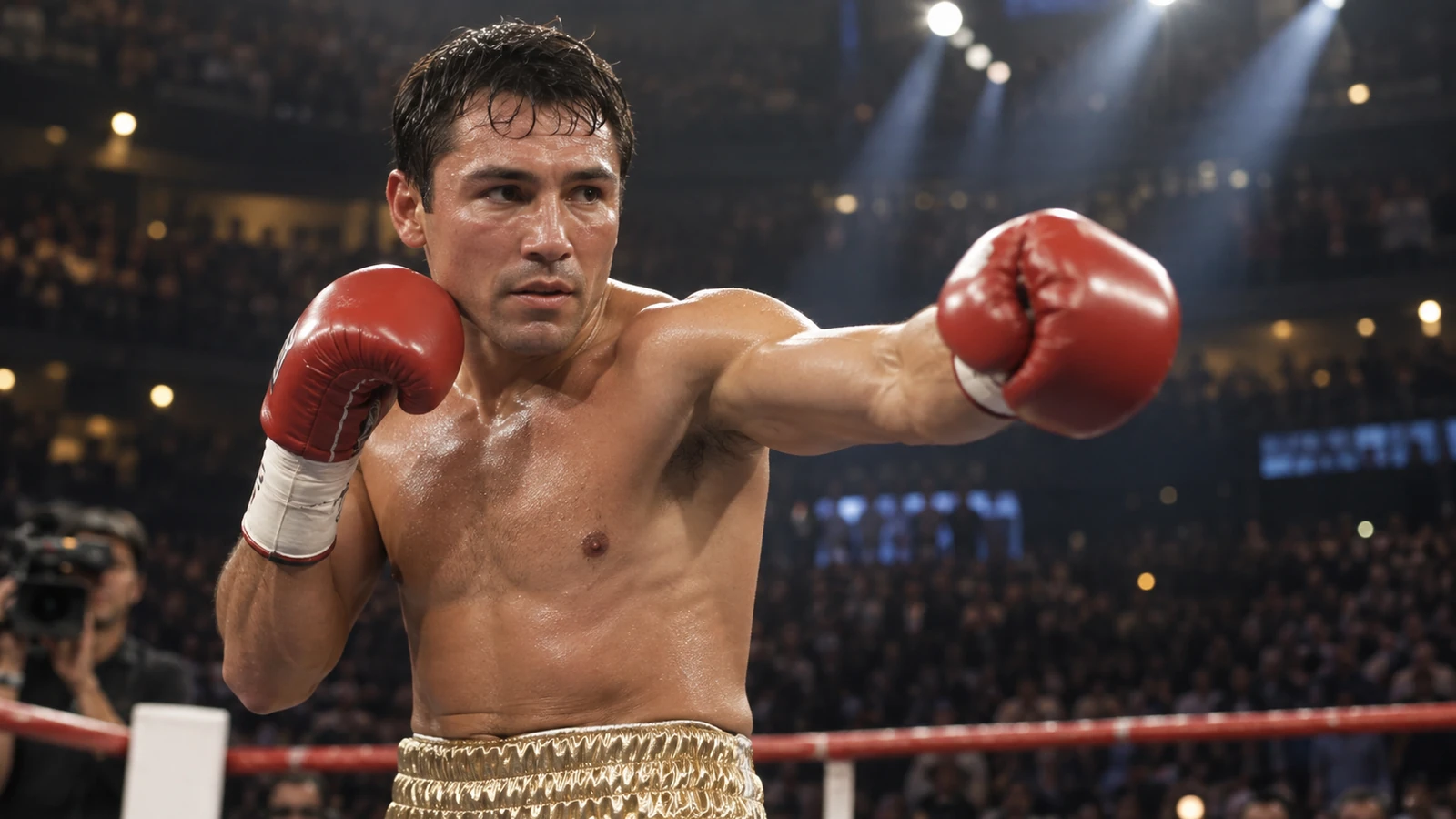
Before becoming one of boxing's most successful promoters, Oscar De La Hoya was a global sports phenomenon known worldwide as 'The Golden Boy.' From winning Olympic gold in Barcelona to capturing world titles across six weight divisions, De La Hoya redefined the commercial potential of modern boxing. Outside the ring, he earned a Latin Grammy nomination, built a promotional empire, and funded major charitable institutions. Discover fifteen surprising facts about the life, career, and legacy of this iconic hall-of-fame champion.
1. A Three-Generation Boxing Legacy
Born in East Los Angeles in 1973, Oscar De La Hoya was raised in a family deeply steeped in boxing tradition. His father, Joel Sr., had been a lightweight boxer in Mexico and the United States during the 1960s. Meanwhile, his maternal grandfather, Vicente, competed as an amateur fighter back in Mexico. De La Hoya put on gloves for the first time at just six years old under his father's strict supervision. This multi-generational family heritage laid the foundation for one of the most celebrated combat sports careers in modern history.
2. Fulfilling a Deathbed Promise for Olympic Gold
At the 1992 Summer Olympics in Barcelona, 19-year-old De La Hoya became the only American boxer to win a gold medal. His victory came with immense emotional weight, as he had promised his mother, Cecilia, that he would bring home gold shortly before she passed away from breast cancer in 1990. During the medal ceremony, De La Hoya famously held up both the American flag and the Mexican flag to honor his heritage and his late mother. This heartwarming Olympic campaign captured the nation's heart and earned him his famous moniker, "The Golden Boy." His emotional story propelled him into immediate global stardom before he ever fought a single professional bout.
3. Six-Division World Champion
De La Hoya achieved rare athletic dominance by capturing world titles across six distinct weight divisions. His championship run stretched from Super Featherweight all the way up to Middleweight. This historic feat made him only the third fighter in boxing history to win titles in six weight classes, joining an elite group of champions. Throughout his career, he captured world belts from all four major sanctioning organizations: the WBC, WBA, IBF, and WBO. His ability to maintain power and speed while ascending weight classes cemented his reputation as a generational talent.
4. A Latin Grammy Nomination as a Singer
Beyond his achievements inside the ring, De La Hoya achieved notable success in the music industry. In 2000, he released a self-titled Latin pop album through Warner Music Latina, featuring romantic ballads in both English and Spanish. The album was produced by renowned music producer Rudy Pérez and featured the hit single "Run to Me." The project was a commercial success and earned De La Hoya a nomination for Best Latin Pop Album at the 43rd Annual Grammy Awards. This unique crossover accomplishment demonstrated his broad appeal far beyond traditional sports audiences.
5. Pioneering Hispanic Boxing Promoter
In 2002, De La Hoya founded Golden Boy Promotions, becoming the first Mexican-American to own a national boxing promotional firm. The company quickly rose to prominence by organizing some of the highest-grossing events in combat sports history. Over the decades, Golden Boy Promotions signed and built major superstars, including Canelo Álvarez and Ryan Garcia. De La Hoya transitioned seamlessly from active athlete to executive, reshaping how fighters managed their own events and revenues. His promotional firm remains one of the premier forces in world combat sports today.
6. The Pay-Per-View Powerhouse of His Era
Long before Floyd Mayweather Jr. and Manny Pacquiao set pay-per-view records, De La Hoya was boxing's supreme financial powerhouse. Over the course of 19 pay-per-view bouts, his fights generated over $700 million in revenue and millions of buys. His 2007 mega-fight against Floyd Mayweather Jr. set a record at the time by generating 2.4 million domestic buys and over $130 million in revenue. For more than a decade, De La Hoya was the single biggest draw in non-heavyweight boxing history. His commercial draw proved that lower weight classes could command mainstream, marquee main-event interest.
7. Immortalized Outside Crypto.com Arena
In 2008, a bronze statue of Oscar De La Hoya was unveiled outside the Staples Center (now Crypto.com Arena) in downtown Los Angeles. The statue depicts De La Hoya in his classic boxing stance, celebrating his rise from local East LA hero to international icon. He joined an exclusive group of Los Angeles sports legends honored with statues at the venue, including Magic Johnson, Wayne Gretzky, and Jerry West. The memorial serves as a permanent symbol of his impact on Southern California sports culture. Fans from around the globe regularly visit the monument to pay tribute to "The Golden Boy."
8. A Stellar Professional Record Against the Best
De La Hoya retired from professional boxing in 2009 with an impressive official record of 39 wins and 6 losses, including 30 victories by knockout. Over his 16-year professional career, he faced 24 current or former world champions, never shying away from elite competition. His resume includes battles against legendary figures such as Bernard Hopkins, Shane Mosley, Felix Trinidad, and Manny Pacquiao. Even in defeat, De La Hoya insisted on fighting the most dangerous opponents available in every weight class he entered. His fearless matchmaking earned him lasting respect from boxing purists and casual fans alike.
9. The Passing of the Torch Victory Over Julio César Chávez
One of the defining moments of De La Hoya's career occurred in June 1996 when he faced his childhood idol, Mexican legend Julio César Chávez. Fighting for the WBC Super Lightweight title, De La Hoya stopped Chávez in four bloody rounds due to severe cuts. The bout was viewed as a symbolic passing of the torch in Mexican and Mexican-American boxing culture. The two fighters met again in a 1998 rematch, where De La Hoya once again prevailed after Chávez's corner stopped the fight following eight intense rounds. Their rivalry remains one of the most culturally significant sagas in 1990s boxing.
10. Philanthropy and Community Empowerment
Deeply committed to giving back, De La Hoya established the Oscar De La Hoya Foundation in 1995 to support underprivileged youth in East Los Angeles. Through his foundation, he funded the construction of the Oscar De La Hoya Ánimo Charter High School to improve local educational opportunities. He also financed the Cecilia Gonzalez De La Hoya Cancer Center at White Memorial Medical Center, named in memory of his late mother. His charitable contributions have provided millions of dollars in healthcare, education, and recreational opportunities for underserved communities. These philanthropic endeavors remain an integral part of his overall legacy outside the ring.
11. First-Ballot International Boxing Hall of Fame Induction
In 2014, De La Hoya received boxing's ultimate honor when he was inducted into the International Boxing Hall of Fame in Canastota, New York. He entered the Hall of Fame in his first year of eligibility alongside fellow legends Felix Trinidad and Joe Calzaghe. The induction ceremony celebrated his world titles across six divisions, his Olympic gold medal, and his massive economic impact on the sport. During his acceptance speech, he thanked his fans and reflected on his journey from an East LA youth gym to boxing immortality. His inclusion cemented his standing as one of the defining pugilists of his generation.
12. The Secret Behind His Famous Left Hook
A unique technical aspect of De La Hoya's boxing style was his convert stance, which gave him an extraordinary left hook. Although De La Hoya is naturally left-handed, he fought in a traditional orthodox stance with his left hand extended as his lead jab. This setup allowed him to throw his left hook with rare power, speed, and accuracy, making it one of the most dangerous weapons in modern boxing history. Opponents frequently struggled to defend against his jab-hook combinations because of his natural left-handed dominance. This subtle bio-mechanical advantage was instrumental in securing many of his 30 professional knockout victories.
13. Forbes Highest-Paid Athlete Rankings
Thanks to his record-setting pay-per-view numbers and high-profile endorsements, De La Hoya consistently ranked among the world's highest-paid athletes. Forbes magazine regularly featured him near the top of its annual global athlete earnings lists during the late 1990s and 2000s. He secured lucrative corporate sponsorship deals with major brands including Nike, Chevrolet, and Budweiser. His ability to cross over into mainstream corporate America was unprecedented for a Hispanic boxer at the time. De La Hoya proved that Latin American combat athletes could achieve top-tier commercial appeal in global markets.
14. Hosting Reality Television
Beyond live sporting broadcasts, De La Hoya actively expanded his brand into network television and mainstream media. In 2004, he created and hosted The Next Great Champ, a reality television series on FOX aimed at discovering young boxing talent. He also made frequent guest appearances on popular late-night talk shows, national commercials, and hit Spanish-language programs. His charismatic screen presence helped keep boxing in mainstream pop culture during a pivotal era for sports broadcasting. These media endeavors helped pave the way for modern athlete-driven media enterprises.
15. Major Stakeholder in Major League Soccer
Expanding his business empire into team sports, De La Hoya purchased a 25% ownership stake in Major League Soccer's Houston Dynamo in 2008. During his tenure as co-owner, the club enjoyed significant success and maintained a strong following among Hispanic soccer fans in Texas. De La Hoya frequently attended matches, promoting the sport of soccer alongside his ongoing boxing promotions. His investment highlighted his forward-thinking approach to sports entrepreneurship and business diversification. He eventually sold his stake in 2015 after helping build the franchise's regional presence.
Sources & References
This AI-assisted post was rigorously curated and fact-checked for accuracy by:
 Martin Roháček
How fun was this article? 🤔
Tap a star to rate it
🧠 Quiz: How closely were you paying attention?
10 questions — all answers are in the article above!
Enjoyed these facts? There's more! 💌
Fresh fun facts in your inbox. No spam, ever.