15 Fun Facts
Animals

Pets and Farm Animals

The animals we keep closest to home are often the ones we understand the least. From pets that navigate by ultrasonic song to livestock with internal compasses, uncover the astonishing biological secrets behind our most familiar animal companions.

Updated 22 September 2026 · 14 items · 210 facts in the linked articles · Reading time 6 min

From the purring companions resting on our laps to the grazing herds that have shaped human civilization, familiar animals surround us every single day. Yet, precisely because they are so commonplace, we rarely pause to consider how extraordinary they truly are. Beneath their fluffy coats and domesticated demeanors, the pets and livestock we interact with possess ancient, highly specialized biological adaptations that rival anything found in a distant rainforest.

Looking closely at these animals reveals a fascinating duality: they are deeply embedded in human society, yet they retain the wild evolutionary engineering of their ancestors. For example, while modern cattle might calmly chew cud in a fenced pasture, they still possess internal magnetic compasses to orient themselves to the Earth's poles. The humble hamster spinning in a bedroom wheel harbors the survival mechanics of a desert hoarder, complete with astonishing alcohol tolerance and built-in floatation devices.

This collection highlights the hidden science behind the animals we think we know best. By comparing them side by side, we can see the incredible breadth of survival strategies that exist right in our own backyards. You will discover unexpected connections, such as how both ducks and chickens have evolved complex ways to sleep with one half of their brain awake, or how the maligned stubbornness of a donkey is actually a display of deep analytical intelligence.

Dive into the curated list below to uncover the surprising truths about the world's most common animals. From complex emotional intelligence to bizarre anatomical quirks, these facts will permanently change the way you view the creatures sharing our homes and farms.


The short version

Every item on this page, with the one fact most people get wrong about it.

Name Where you'll meet it The fact worth knowing
Cats Global Household Pet Felines possess a hidden secondary olfactory organ in the roof of their mouths dedicated to 'tasting' the pheromones and scents in the air.
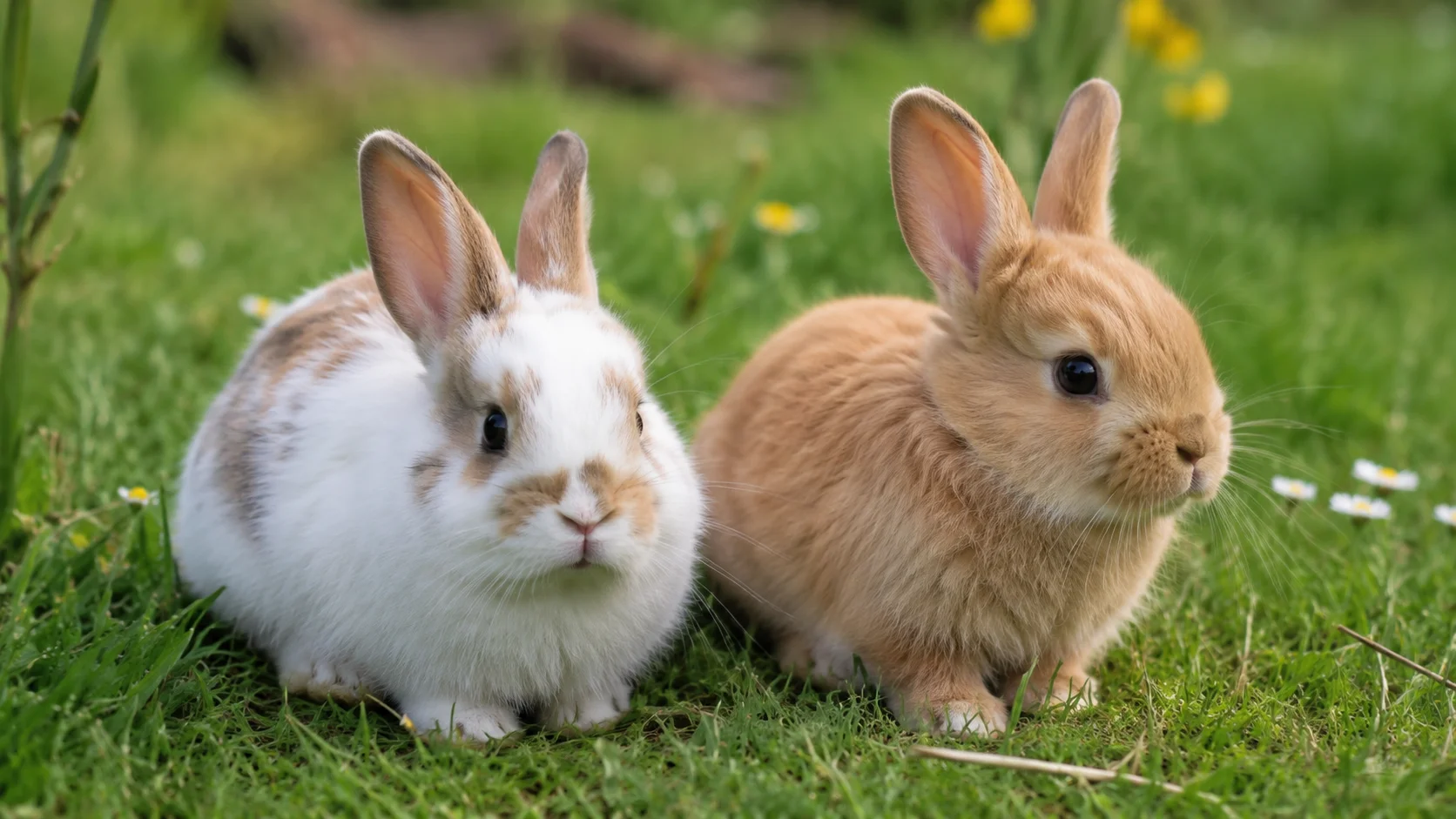
Rabbits Burrowing Herbivore To extract maximum nutrition from their high-fiber diets, rabbits literally digest their food twice.
Guinea Pigs Andean Rodent These highly social animals are so prone to loneliness that some European countries have laws making it illegal to own just one.
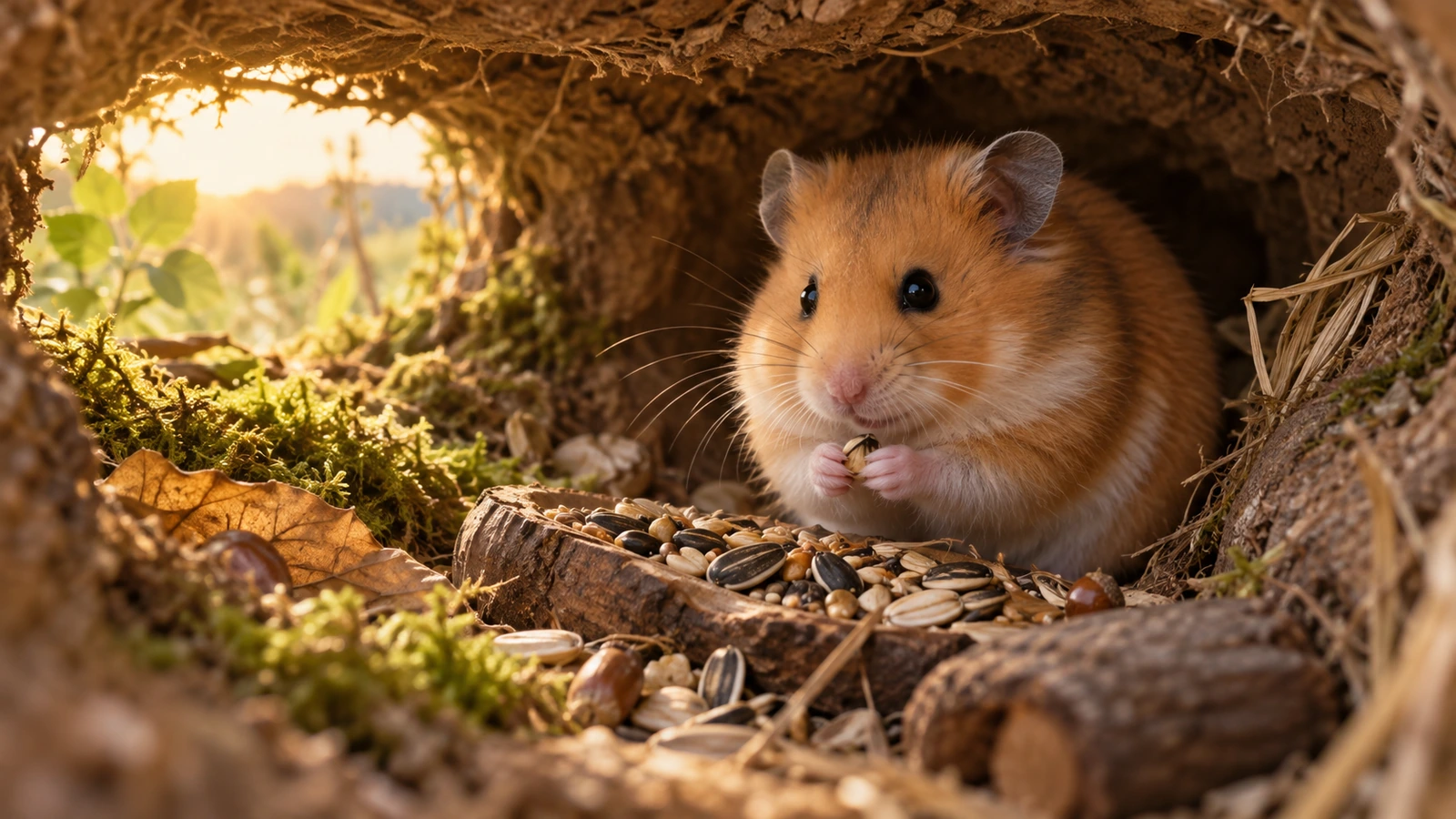
Hamsters Subterranean Desert Hoarder A hamster can inflate its massive cheek pouches with air to use them as biological floatation devices when swimming.
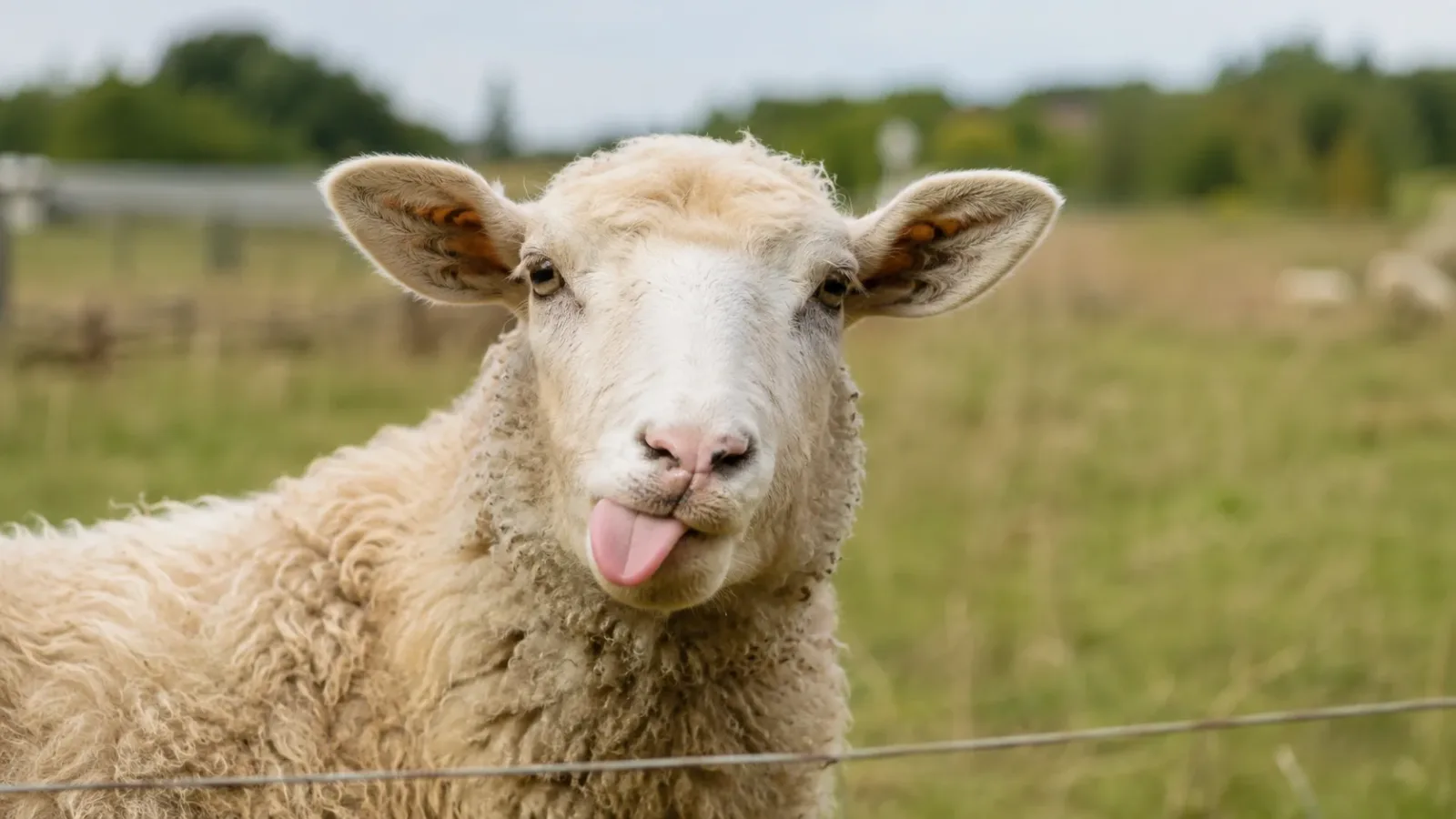
Sheep Global Livestock Flock Sheep possess extraordinary cognitive memory, able to recognize and remember dozens of individual human and sheep faces for years.
Goats Early Domesticated Ungulate Goats develop unique vocal accents depending on the specific herd they live with, adjusting their calls to match their peers.
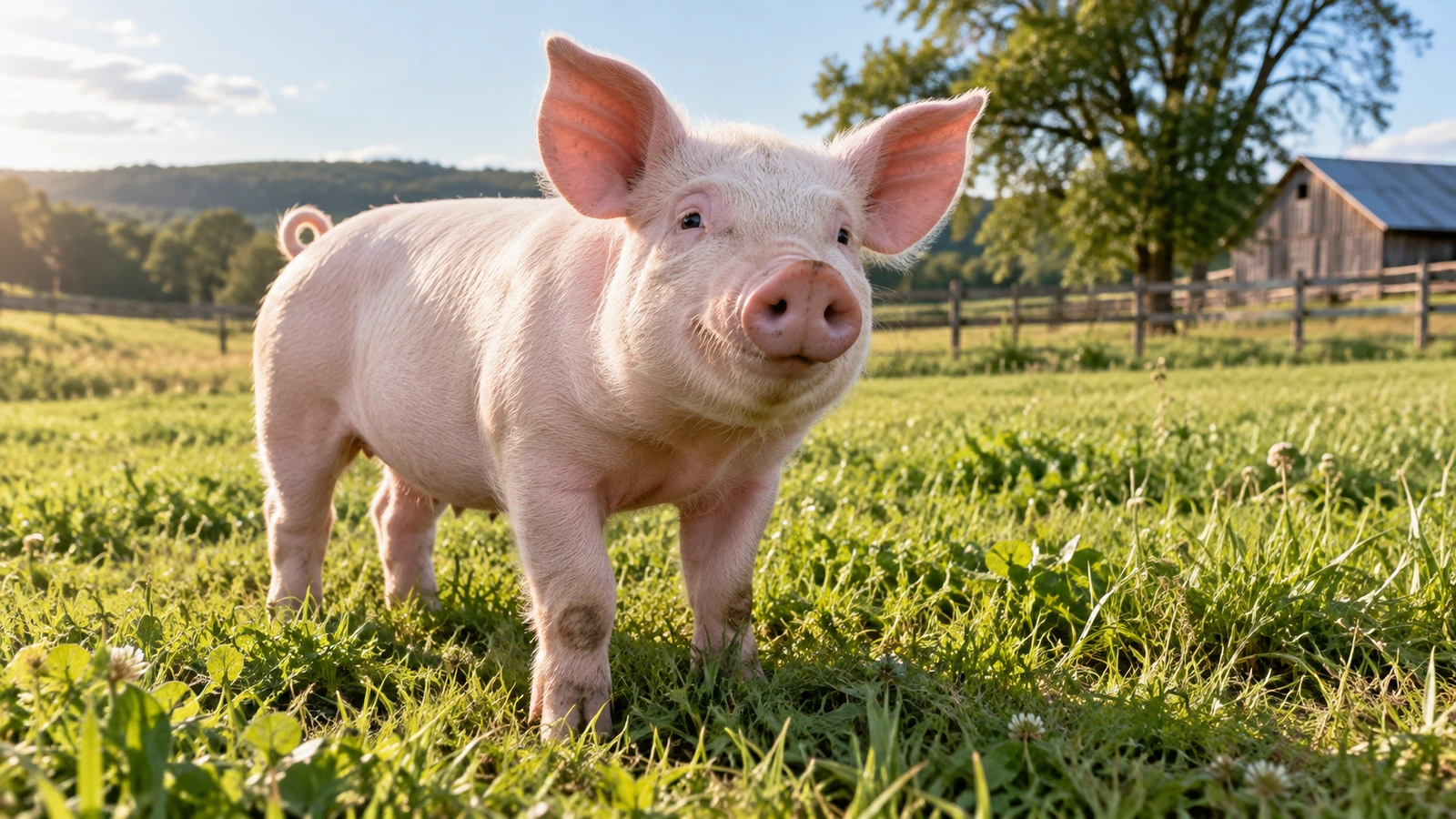
Pigs Highly Intelligent Livestock Pigs possess such advanced cognitive skills that researchers have successfully taught them how to play simple video games using custom joysticks.
Chickens Global Fowl Chickens practice unihemispheric sleep, allowing them to rest half of their brain while keeping one eye open for predators.
Horses Equine Athlete A horse's hooves act as secondary biological hearts, actively pumping blood back up their long legs every time they strike the ground.
Donkeys Desert-Adapted Equine Far from being stubbornly obtuse, a donkey's refusal to move is actually a sign of cautious intelligence and risk assessment.
Bulls and Cows Bovines Worldwide Cows possess a biological magnetic compass, naturally aligning their bodies with the Earth's north-south magnetic fields when grazing or resting.
Mice Adaptable Rodent Male mice sing complex ultrasonic courtship songs to attract mates, utilizing frequencies completely inaudible to the human ear.
Ducks Aquatic Waterfowl A specialized counter-current heat exchange system in a duck's legs prevents their bare, webbed feet from freezing to arctic ice.
Geese Migratory Waterfowl Certain species of geese have the extraordinary physiological capability to fly at extreme altitudes, easily scaling the peaks of the Himalayas.

Record holders

Highest Altitude Aviator

29,000+ feet

Some goose species are capable of migrating over the peaks of the Himalayas. Geese

Most Extreme Tolerance

High Alcohol Capacity

Hamsters can consume significant amounts of alcohol without impairment due to desert foraging adaptations. Hamsters

Oldest Domesticated Livestock

10,000+ Years

Goats were the very first livestock species domesticated by ancient humans. Goats

Most Unique Sensory Organ

Vomeronasal Organ

Cats can literally 'taste' the air using a hidden sensory organ in the roof of their mouths. Cats

All 14, one fact at a time

The Mysterious Feline: 15 Fascinating Facts About Cats

Cats

Global Household Pet

Cats are arguably the most popular pets on the planet, yet they remain biological enigmas. Their bodies are masterpieces of evolutionary engineering, featuring free-floating collarbones that allow them to squeeze through incredibly tight spaces. Even more surprising, domestic cats still possess desert-adapted kidneys capable of hydrating their bodies by drinking seawater if absolutely necessary. Behind every cute purr is a highly evolved apex predator perfectly adapted for stealth and survival.

Read the full article →
The Long-Eared Enigma: 15 Fascinating Facts About Rabbits

Rabbits

Burrowing Herbivore

Often mistaken for simple, fluffy garden pests, rabbits are actually highly specialized prey animals built for intense evasion. Their unique skull structure gives them nearly 360-degree vision, allowing them to spot aerial and terrestrial threats without turning their heads. They also feature complex social hierarchies within their underground warrens. Far from fragile, the rabbit's physical structure and digestive quirks have allowed it to survive across continents and ecosystems.

Read the full article →
The Surprising Cavy: 15 Fascinating Facts About Guinea Pigs

Guinea Pigs

Andean Rodent

Despite the confusing name, the guinea pig is entirely unrelated to actual pigs and originates from the rugged altitudes of the Andes. These vocal little rodents express pure joy through an acrobatic leaping behavior affectionately known as 'popcorning.' Intriguingly, much like humans, they share a rare biological inability to synthesize their own Vitamin C, requiring them to constantly source it from their diet. They are complex, emotional herd animals that thrive on deep social bonds.

Read the full article →
The Indefatigable Hoarders: 15 Fascinating Facts About Hamsters

Hamsters

Subterranean Desert Hoarder

The classic classroom pet hides a resilient, rugged past as a solitary desert survivor across Eurasia. Hamsters have cheek pouches that stretch all the way back to their hips, allowing them to hoard massive amounts of food in single foraging runs. Their solitary subterranean lifestyle has also led to astounding metabolic quirks, including an incredibly high tolerance for alcohol, derived from eating fermented fruit in the wild. They are marathon runners of the animal kingdom, often logging miles on their nighttime wheel runs.

Read the full article →
15 Fascinating Facts About Sheep

Sheep

Global Livestock Flock

Sheep are historically dismissed as mindless followers, but their cognitive abilities prove otherwise. They have complex emotional lives, forge long-term friendships, and demonstrate high levels of emotional intelligence within their flocks. Physiologically, their bizarre, horizontally rectangular pupils provide them with a panoramic view of their surroundings, essential for spotting predators. The wooly farm animal we know today is actually a highly evolved, deeply perceptive mammal.

Read the full article →
The Surprisingly Intelligent Ungulate: 15 Fascinating Facts About Goats

Goats

Early Domesticated Ungulate

As the very first livestock species domesticated by ancient humans, goats have a long, storied history alongside our own civilization. They are remarkably intelligent problem solvers, capable of feats of balance that allow them to climb trees in arid environments to reach foliage. Today, their eco-friendly grazing habits have even earned them landscaping jobs at major tech campuses. Goats are inquisitive, adaptable, and far more complex than the tin-can-eating stereotype suggests.

Read the full article →
The Surprising Swine: 15 Fascinating Facts About Pigs

Pigs

Highly Intelligent Livestock

Contrary to their reputation for being dirty, pigs are exceptionally clean animals. Their infamous habit of wallowing in mud is not a sign of poor hygiene, but rather a sophisticated survival strategy to regulate body temperature and protect against sunburn. As one of the smartest animals on Earth, they form lifelong social bonds, recognize their own names, and exhibit complex problem-solving skills. Their contributions extend beyond the farm, frequently saving human lives through advanced medical science.

Read the full article →
The Surprising Galliform: 15 Fascinating Facts About Chickens

Chickens

Global Fowl

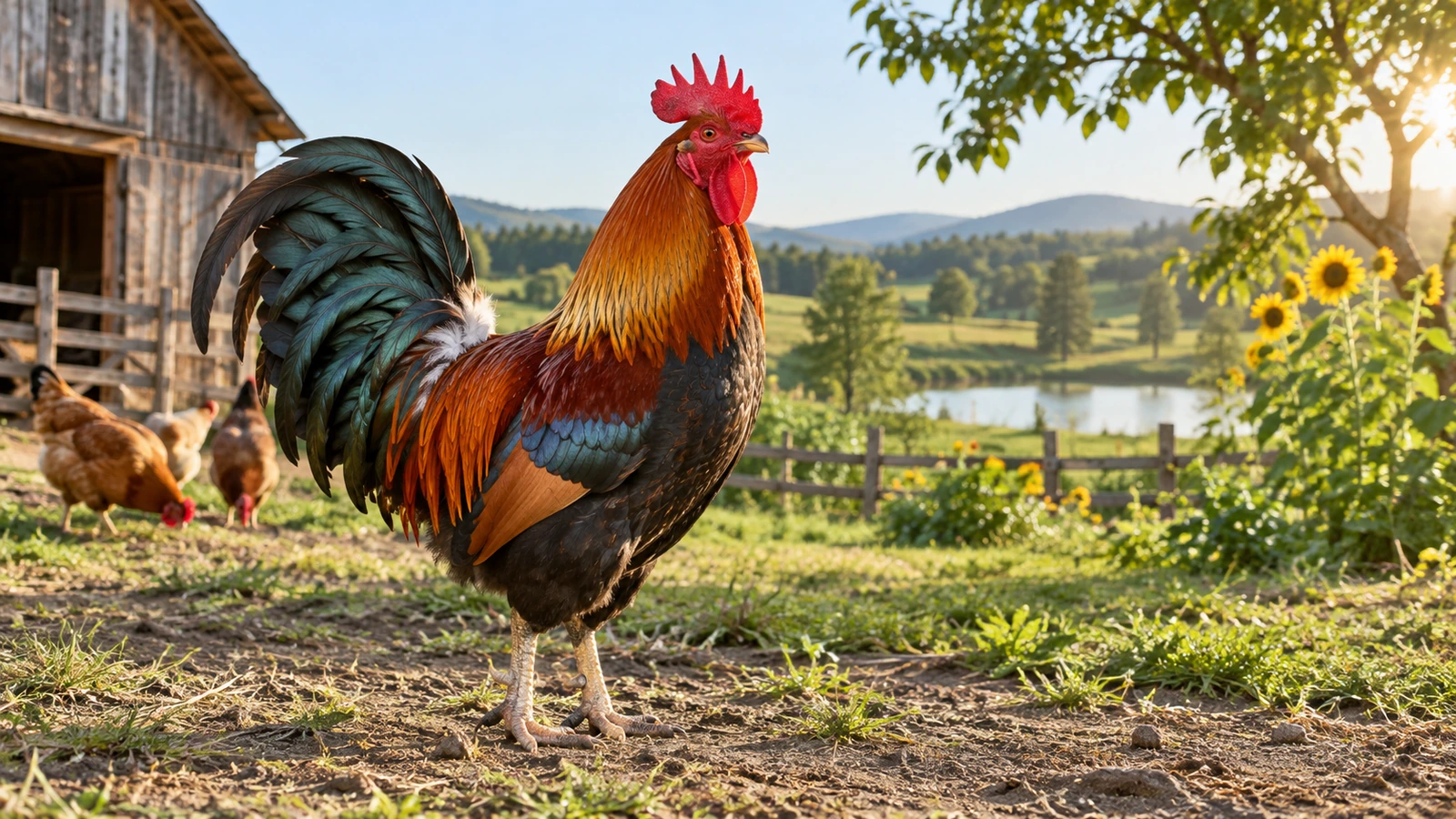
The ubiquitous farmyard chicken holds a direct, fascinating evolutionary connection to apex predatory dinosaurs. Long before they even hatch, chicks communicate with each other and their mother through their eggshells. Once born, they navigate intricate social structures, recognize a wide variety of visual cues, and boast highly specialized adaptations. What looks like a simple bird pecking at the dirt is actually a remarkable marvel of avian evolution.

Read the full article →
The Remarkable Equine: 15 Fascinating Facts About Horses

Horses

Equine Athlete

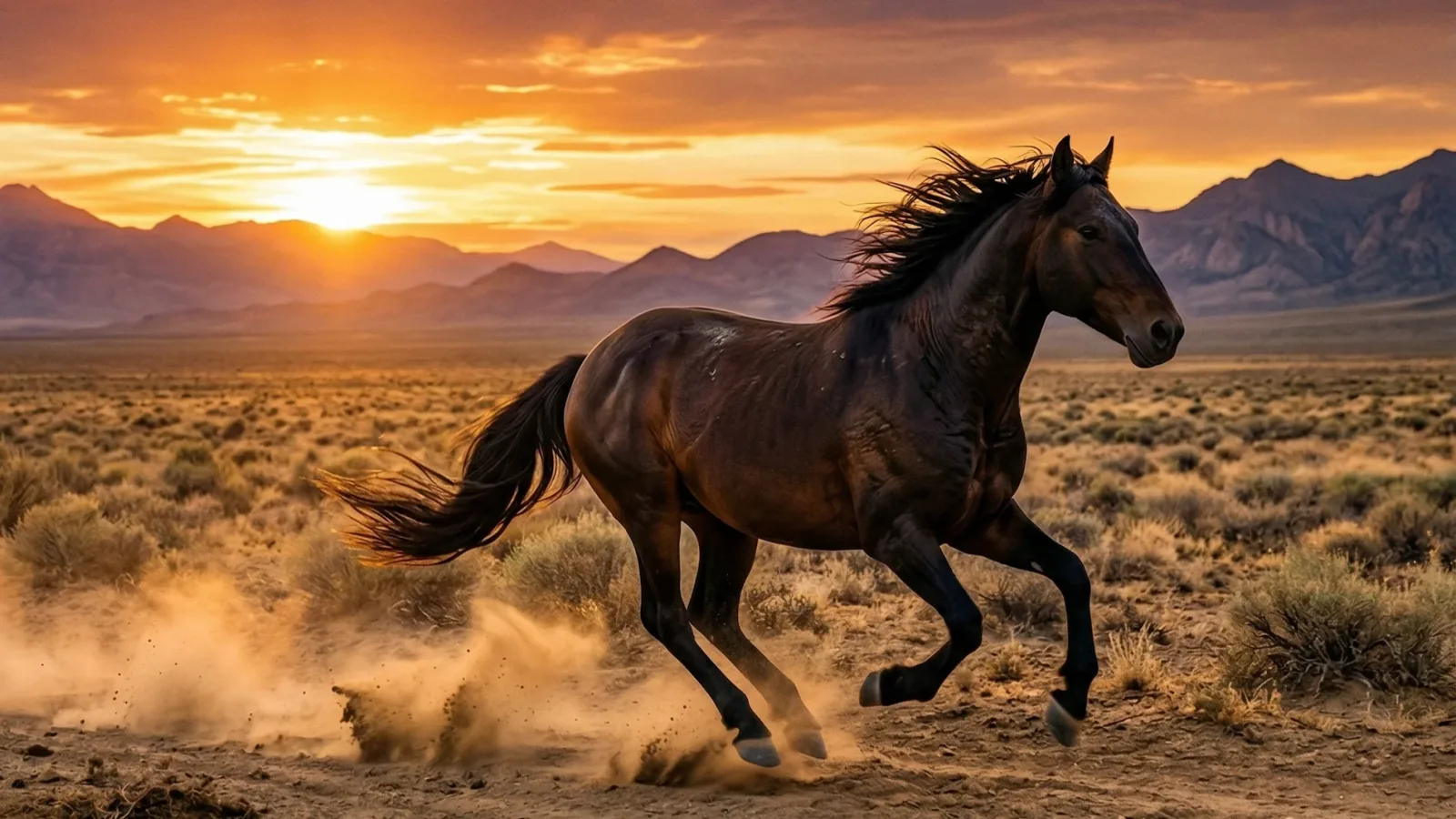
From pulling plows to running on tracks, horses are uniquely engineered for high-speed endurance and survival. They run on single, highly evolved digits, relying on extraordinary biomechanics that make them athletic marvels. To survive on open plains with predators nearby, they possess a specialized locking mechanism in their leg joints, allowing them to sleep completely upright without falling over. Understanding horse anatomy is a masterclass in nature's design for speed.

Read the full article →
The Misunderstood Equine: 15 Fascinating Facts About Donkeys

Donkeys

Desert-Adapted Equine

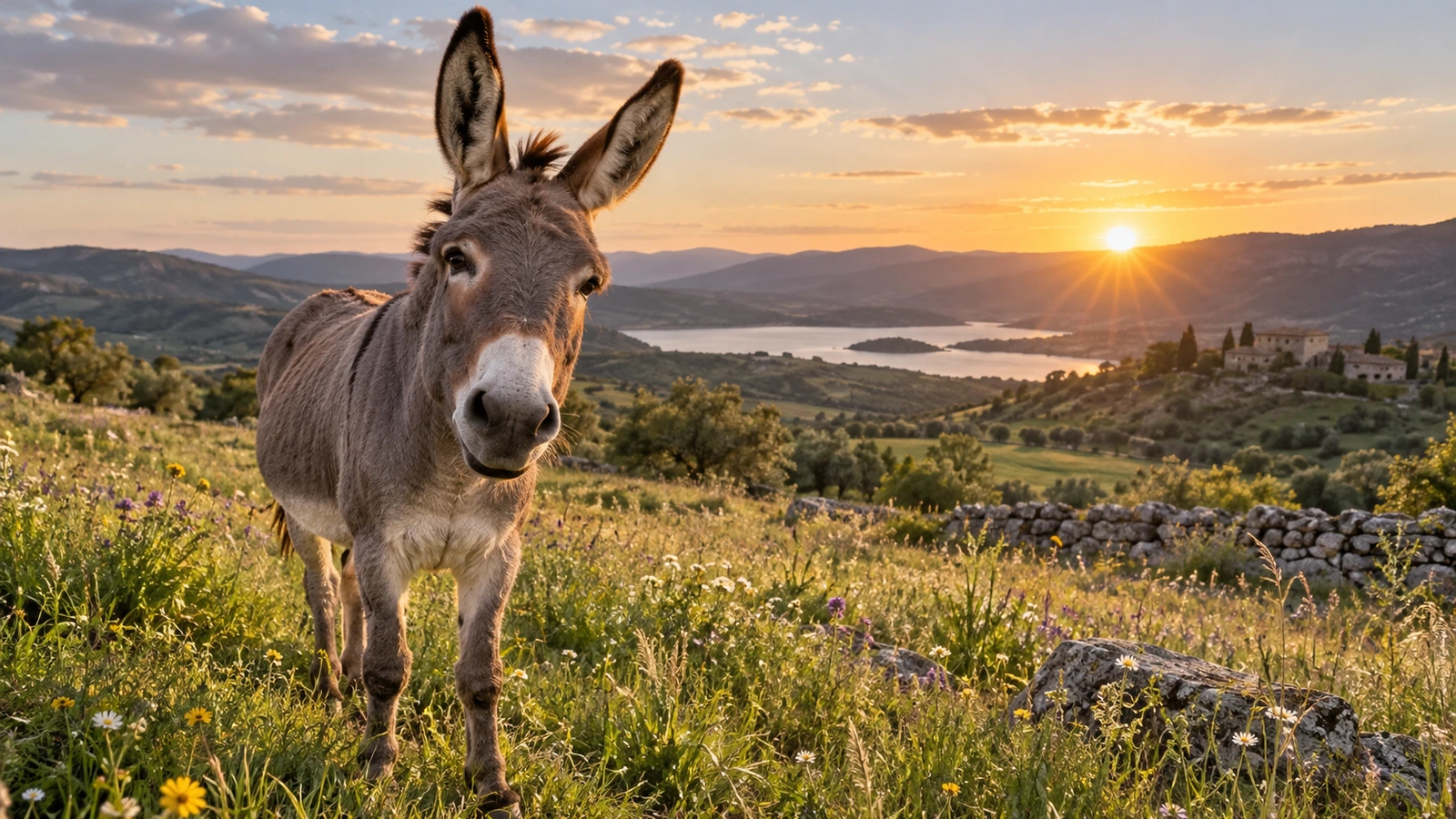
Donkeys have worked alongside humanity since the days of ancient Egypt, yet they remain deeply misunderstood compared to horses. Rather than a blind fight-or-flight response, donkeys pause to analyze danger, leading to their unfair reputation for stubbornness. They are deeply emotional creatures that form unbreakable bonds with companions, and their bodies are perfectly adapted for surviving harsh, arid desert environments on sparse vegetation.

Read the full article →
The Surprising Science of Cattle: 15 Fascinating Facts About Bulls and Cows

Bulls and Cows

Bovines Worldwide

The docile cow and the fierce bull both operate under a myriad of public misconceptions. In reality, cattle are highly social creatures that form lifelong friendships and can become stressed when separated from their best friends. They navigate the pasture with incredible 330-degree vision and rely on complex herd dynamics to thrive. Far from aggressive monsters, bulls are simply protective herd animals, acting on survival instincts rather than sheer malice.

Read the full article →
The Resilient Rodent: 15 Fascinating Facts About Mice

Mice

Adaptable Rodent

Often dismissed as simple pests, mice are actually extraordinary survivors equipped with high-tech sensory tools. Their specialized facial whiskers allow them to navigate in pitch blackness, and their flexible skeletons let them squeeze through impossibly narrow gaps. They are capable of scaling vertical brick walls and have even been shown by scientists to display complex facial expressions when experiencing different emotions.

Read the full article →
The Extraordinary Waterfowl: 15 Fascinating Facts About Ducks

Ducks

Aquatic Waterfowl

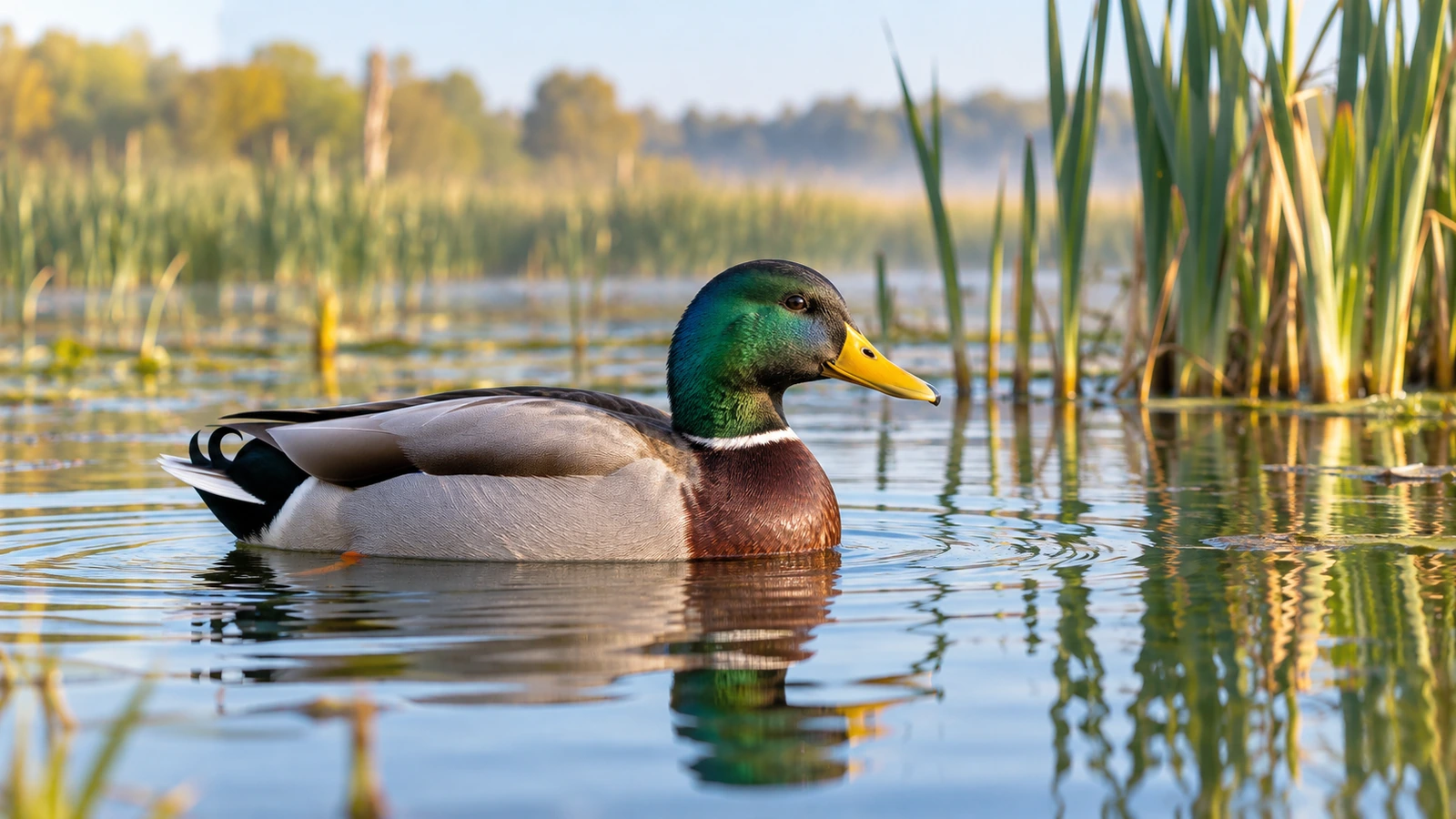
Ducks are some of the most adaptable waterfowl on the planet, thriving in ponds, lakes, and oceans around the world. To survive in frigid waters, their circulatory system naturally recycles body heat, keeping their core warm while standing on ice. They filter food from the mud using built-in comb-like structures on their beaks, and they can engage in high-speed aerial migrations that push the limits of avian endurance.

Read the full article →
The Sentinel Aviators: 15 Fascinating Facts About Geese

Geese

Migratory Waterfowl

Geese are highly intelligent, deeply communal birds that practice impressive mutual aid. If a goose falls ill during their epic migrations, others will drop out of formation to stay and protect it. They possess serrated jaw structures that act much like teeth for gripping food, and their sharp senses once famously saved ancient Rome from a stealthy midnight attack. They are the ultimate sentinel aviators of the natural world.

Read the full article →

Quiz: how much of that stuck?

7 questions, every answer is somewhere above.

Pets and Farm Animals 0 / 7

1. What allows a horse to sleep completely upright without falling over?

2. Why do pigs frequently wallow in mud?

3. Which of these animals develops a unique social 'accent' based on their herd?

4. What secret sensory capability do cattle utilize while grazing?

5. How do rabbits extract maximum nutrition from their high-fiber diets?

6. Why is it illegal in some European regions to own just one guinea pig?

7. Which animal can inflate its cheek pouches to use them as biological floatation devices?

Frequently asked

Are pigs actually dirty animals?

No, pigs are naturally very clean animals. The common misconception that they are dirty comes from their habit of wallowing in mud, which is actually a necessary survival tactic. Because pigs lack functional sweat glands, the mud helps them cool down and acts as a natural sunscreen.

Why do animals like sheep and goats have rectangular pupils?

Rectangular, horizontal pupils are an evolutionary adaptation common in prey animals. This pupil shape provides a massive, nearly 320-to-340-degree panoramic field of vision, allowing them to spot predators approaching from almost any direction while grazing.

Do horses really sleep standing up?

Yes, horses can sleep standing up thanks to a specialized anatomical feature called the 'stay apparatus.' This system of ligaments and tendons locks their leg joints in place, allowing them to rest without using muscle exertion or risking a predator attack while on the ground. However, they do still need to lie down for short periods to achieve deep REM sleep.

What is the difference in temperament between a horse and a donkey?

While both are equines, they evolved in different environments resulting in different survival instincts. Horses evolved on open plains and rely on a swift 'flight' response to flee danger. Donkeys evolved in harsh, rugged environments where blind running is dangerous, so they naturally pause to analyze threats, leading to their unfair reputation for being 'stubborn.'

Why do ducks not freeze when swimming in icy water during winter?

Ducks rely on a remarkable counter-current heat exchange system in their legs and feet. The warm arterial blood flowing down to their feet warms the cold venous blood returning to their body core. This keeps their core warm while allowing their feet to stay just above freezing, preventing tissue damage on the ice.

Keep going

Enjoyed these facts? There's more! 💌

Fresh fun facts in your inbox. No spam, ever.