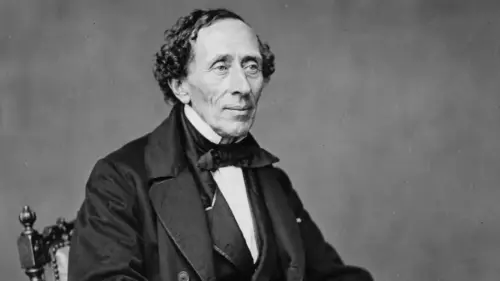
The Kingpin of Chaos: 15 Fascinating Facts About Pablo Escobar
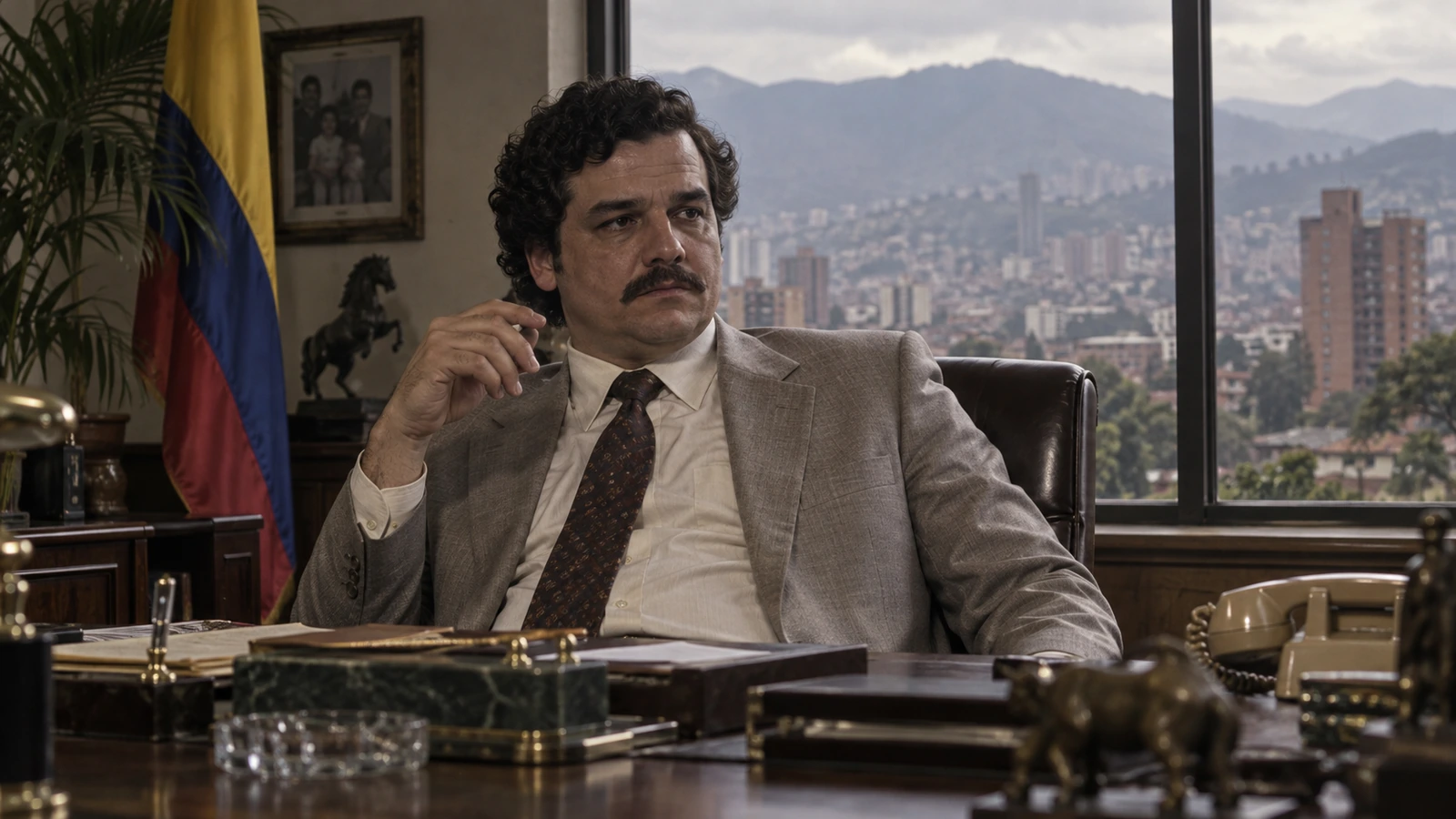
At the height of his power, Pablo Escobar commanded a global narcotics empire that generated hundreds of millions of dollars every week, making him one of the wealthiest and most dangerous fugitives in human history. Beyond the brutal headlines of cartel violence lies a web of astonishing anecdotes—from burning millions in physical cash to keep his daughter warm to creating a lingering ecological crisis with runaway hippos. Explore 15 compelling facts that reveal the bizarre reality, immense wealth, and tragic impact of Colombia's most infamous narco-baron.
1. He Began His Criminal Career Sanding Down Tombstones
Before controlling the global cocaine trade, a young Pablo Escobar engaged in petty crime on the streets of Medellín. One of his earliest documented rackets involved stealing gravestones from local cemeteries. He would sand down the engraved names and resurface the marble to resell to smugglers in Panama or local buyers. Escobar also sold counterfeit high school diplomas and stole cars before discovering the immense profits of drug trafficking. This early grave-robbing hustle foreshadowed his complete disregard for law and morality in pursuit of wealth.
2. The Cartel Spent $2,500 a Month Just on Rubber Bands
Managing the staggering volume of physical currency produced by the Medellín Cartel presented unique logistical challenges. At the peak of operations, the cartel spent roughly $2,500 every month strictly on rubber bands to bundle stacks of banknotes. Currency flooded into hideouts faster than accounting teams could sort or count them properly. Standard safe-deposit boxes and financial institutions were completely incapable of absorbing the volume, forcing operators to wrap cash in thousands of elastic bundles daily. This tiny operational expense underscores the surreal scale of physical currency moving through Escobar's hands.
3. Millions of Dollars Were Written Off Annually Due to Rats
Storing billions of dollars in paper bills in underground cellars, damp warehouses, and remote farmhouses created an unexpected problem. Humidity, mold, and hungry rodents routinely destroyed massive piles of banknotes hidden across Colombia. Escobar's accountants calculated that roughly ten percent of the cartel’s stored cash was written off annually due to rats chewing through paper or severe water damage. Given his estimated peak earnings, this rodent tax amounted to billions of dollars lost every single year. Escobar simply accepted the destroyed cash as an ordinary cost of doing business.
4. He Burned $2 Million in Cash to Keep His Daughter Warm
While hiding from law enforcement at a remote mountainside estate, Escobar’s young daughter Manuela fell ill with severe hypothermia. Lacking dry firewood or heating supplies, the fugitive kingpin made a drastic decision to save his daughter from freezing. He set fire to a stack of banknotes containing approximately two million dollars to generate immediate heat and cook food. Escobar maintained a fiercely protective devotion to his immediate family despite his ruthless reputation toward enemies. The image of millions burning in a hearth highlights the stark contrast between his vast riches and hunted lifestyle.
5. Escobar Posed for a Photo Outside the U.S. White House
In 1981, despite already being a prime target for international intelligence agencies, Escobar traveled openly to Washington, D.C. During this vacation with his young son Juan Pablo, the drug lord posed for a photograph directly in front of the U.S. White House. The image shows Escobar standing casually on Pennsylvania Avenue, completely unrecognized by federal law enforcement nearby. At the time, federal authorities were actively investigating his growing syndicate, making the snapshot one of history's most brazen ironies. The photograph remains an iconic symbol of his audacity during the early years of his criminal reign.
6. He Had a Horse Modified into a "Unicorn" for His Daughter
Escobar was notorious for indulging his children's every whim regardless of the cost or reality. When his daughter requested a unicorn for her birthday, Escobar instructed his henchmen to manufacture one. Servants stapled a paper cone to a thoroughbred horse’s forehead and attached artificial wings to its back to mimic the mythical creature. Tragically, the invasive procedure caused severe blood poisoning and fatal infections, leading to the animal's death shortly after. This bizarre incident demonstrated both Escobar's unrestrained indulgence of his family and his complete callousness toward collateral harm.
 Famous Disasters, Mysteries and Crimes
Explore the gripping truths behind history's most infamous disasters, unsolved mysteries, and legendary criminals. From colossal volcanic eruptions to the birth of the modern underworld, uncover the startling facts that separate myth from reality.
See All Facts
Famous Disasters, Mysteries and Crimes
Explore the gripping truths behind history's most infamous disasters, unsolved mysteries, and legendary criminals. From colossal volcanic eruptions to the birth of the modern underworld, uncover the startling facts that separate myth from reality.
See All Facts
7. His Private Zoo Spawned Colombia’s "Cocaine Hippos"
At his lavish estate, Hacienda Nápoles, Escobar established a massive private zoo housing exotic animals imported from around the globe. Among these creatures were four African hippopotamuses that were left behind after his death and the estate's eventual abandonment. With no natural predators and ideal river conditions along Colombia's Magdalena Basin, the quadrupled population exploded into over one hundred wild hippos. Today, scientists and environmental officials classify these "cocaine hippos" as a massive invasive species threat to local ecosystems. What began as a warlord's vanity project has transformed into Colombia's most unusual ecological challenge.
8. He Built His Own Luxury Prison Called "La Catedral"
Facing intense pressure and the threat of extradition to the United States, Escobar negotiated a surrender deal with the Colombian government in 1991. As part of the arrangement, he constructed his own customized prison facility called "La Catedral" overlooking Medellín. Rather than a penal institution, the complex featured a luxury jacuzzi, a full-sized soccer field, a night bar, and private living quarters. Guarded by men he personally selected, Escobar continued running his international empire entirely uninterrupted from inside his luxury compound. He eventually walked out of the complex in 1992 when authorities threatened to transfer him to a real prison.
9. Escobar Offered to Pay Off Colombia's Entire $10 Billion National Debt
Deeply terrified of facing trial and imprisonment in the United States, Escobar attempted an unprecedented economic bargain with Colombian leaders. He formally proposed to pay off Colombia’s entire national debt, which stood at approximately ten billion dollars at the time, out of his personal fortune. In exchange, Escobar demanded that the government constitutionalize a complete ban on extraditing Colombian citizens to foreign countries. Despite the tempting economic relief for a struggling nation, government officials refused to strike a deal with the narco-terrorist. The offer highlighted both his staggering personal liquid wealth and his desperate fear of American justice.
10. He Corrupted a Nation with the Rule of "Plata o Plomo"
Escobar governed his vast criminal empire through a brutal philosophy encapsulated in the phrase "Plata o Plomo"—meaning "Silver or Lead." Public officials, judges, police officers, and journalists were presented with a terrifying ultimatum: accept a bribe or face assassination. This relentless policy corrupted entire branches of the Colombian legal system, as refusing cartel cash meant guaranteed death for targeted officers and their families. Thousands of brave individuals who stood firm against corruption lost their lives under this coercive doctrine. The strategy effectively dismantled law enforcement authority across Colombia for over a decade.
11. Forbes Ranked Him as the Seventh Richest Person on Earth
In 1987, Forbes magazine recognized the unprecedented scope of Escobar's fortune by including him on its inaugural list of international billionaires. He maintained a position on the prestigious ranking for seven consecutive years, reaching as high as the world’s seventh richest person. At the height of the cartel's influence, his syndicate controlled an estimated 80 percent of the global cocaine market, generating roughly $420 million per week. Accounting for inflation, Escobar's estimated net worth exceeded $30 billion, solidifying his status as history's wealthiest criminal operator. His inclusion on Forbes illustrated how illegal trade had matched the financial scale of global corporations.
12. He Bought a Learjet Solely to Transport Stacks of Physical Cash
Transporting physical currency back to South America proved so complex that standard commercial shipping was entirely insufficient. To handle the cash volume coming from North American markets, Escobar purchased a private Learjet dedicated almost exclusively to flying bills. Each round trip brought back millions of dollars tightly packed into cargo holds and hidden compartments. Pilots flying these high-risk money runs were paid lavishly, sometimes earning up to $500,000 for a single successfully completed flight. The aviation network highlighted the sheer logistical sophistication required to manage the cartel's liquidity.
13. He Ordered the Bombing of Avianca Flight 203
As war escalated between the Medellín Cartel and the Colombian government, Escobar engaged in acts of indiscriminate terrorism. On November 27, 1989, he ordered the bombing of Avianca Flight 203, a commercial airliner flying from Bogotá to Cali. Escobar believed presidential candidate César Gaviria Trujillo was aboard the aircraft, though Gaviria had actually changed his travel plans at the last minute. The bomb detonated mid-air, destroying the plane and killing all 107 people on board alongside three people on the ground. This horrific attack galvanized international resolve to bring down Escobar once and for all.
14. He Earned Local Devotion as Medellín’s "Robin Hood"
Despite his horrific violence against rivals and law enforcement, Escobar cultivated a devout political and popular base among Medellín's poorest residents. He invested millions of cartel dollars into constructing low-income housing neighborhoods, multi-sport complexes, medical facilities, and schools. A specific neighborhood named "Barrio Pablo Escobar" still exists today, where thousands of residents viewed him as a heroic, saint-like figure. By acting as a populist benefactor when the government provided little social support, Escobar secured a loyal human shield of local citizens. These supporters regularly hid him, provided intelligence, and thwarted police operations.
15. The Kingpin Was Shot Dead Running Barefoot Across a Rooftop
On December 2, 1993, a specialized search team backed by U.S. intelligence cornered Escobar in a middle-class neighborhood of Medellín. Tracking a radio wiretap call he placed to his son, authorities surrounded the safehouse where the fugitive kingpin was hiding. During a chaotic shootout across neighboring rooftops, Escobar was shot dead while fleeing completely barefoot and wearing simple clothes. Controversy persists over whether the fatal gunshot was fired by Colombian police, U.S. snipers, or if Escobar committed suicide to avoid capture. His death brought an end to a terrifying era of narco-terrorism that had gripped Colombia for decades.
Sources & References
This AI-assisted post was rigorously curated and fact-checked for accuracy by:
 Martin Roháček
How fun was this article? 🤔
Tap a star to rate it
🧠 Quiz: How closely were you paying attention?
10 questions — all answers are in the article above!
Enjoyed these facts? There's more! 💌
Fresh fun facts in your inbox. No spam, ever.