1. Amundsen Kept His True Destination a Secret
When Norwegian explorer Roald Amundsen initially set sail, his crew and the public completely believed they were heading to the Arctic to conquer the North Pole. It was only after learning that American explorers had supposedly reached the northern target first that Amundsen secretly changed his entire expedition plan. He waited until his ship reached the island of Madeira before shockingly announcing to his crew that they were actually heading south to beat the British. He sent a brief, dramatic telegram to Robert Falcon Scott simply stating he was proceeding to the Antarctic, instantly igniting the historic race.
2. Scott Relied on Experimental Motorized Sledges
Hoping to leverage modern industrial technology, the British expedition brought three experimental motorized tracked vehicles to haul their heavy supplies across the ice. Because internal combustion engines had never been tested in such extreme subzero temperatures, the massive machines proved to be a catastrophic failure. The engines quickly cracked from the severe cold, and the vehicles continuously sank into the soft snow before breaking down completely. The British team was ultimately forced to abandon the useless machines and drag the incredibly heavy supply sledges themselves using sheer human power.
3. The British Brought Ponies to the Frozen Continent
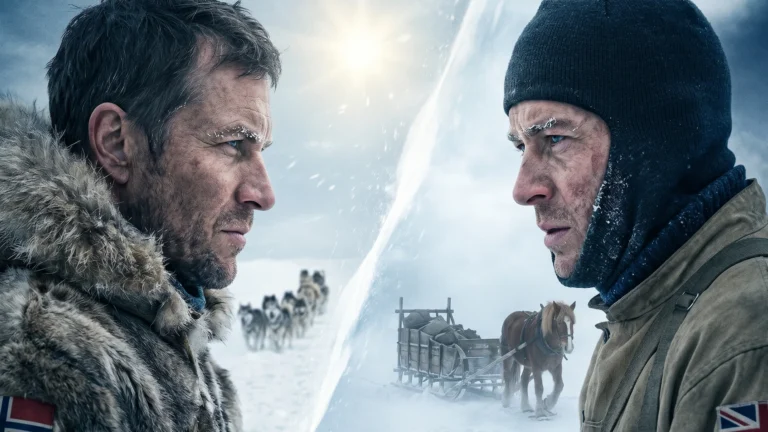
In a decision that proved ultimately fatal, Robert Falcon Scott chose to rely heavily on Manchurian ponies to carry his expedition supplies across the Antarctic landscape. Unlike dogs, ponies are heavy and possess small hooves that caused them to constantly break through the crusty snow and sink up to their bellies. The freezing temperatures and lack of proper grazing food completely decimated the animals, causing them to suffer horribly as they struggled to walk. The exhausted ponies eventually had to be euthanized, depriving the British team of their primary transport system long before reaching the polar plateau.
4. Amundsen Planned to Eat His Own Sled Dogs
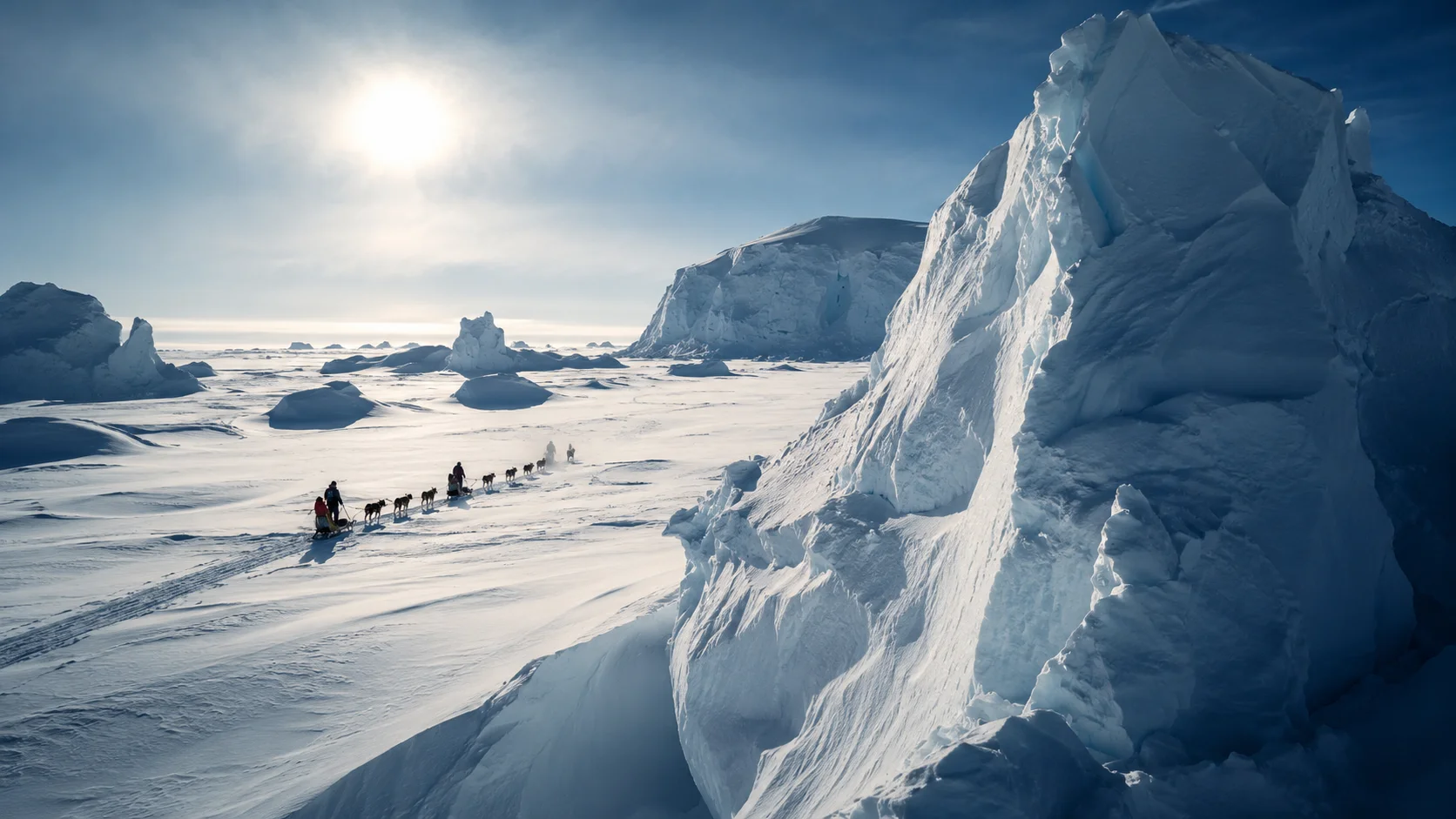
Roald Amundsen utilized a highly pragmatic and somewhat ruthless transport strategy based entirely on his extensive time living alongside indigenous Inuit communities. He brought over one hundred expertly trained sled dogs to haul his supplies, knowing they were perfectly adapted to the brutal cold and icy terrain. As the expedition pushed further inland and the sledges became lighter as supplies were consumed, Amundsen deliberately euthanized his weaker dogs to feed the remaining pack and his men. This brutal calculus ensured his team always had fresh meat and avoided the exhausting burden of pulling the sledges themselves.
5. The Norwegians Wore Traditional Animal Furs
Clothing choices played an absolutely massive role in determining who would survive the extreme weather conditions of the southern continent. Amundsen insisted that his team wear loose-fitting garments made from wolf and reindeer fur, a survival technique he learned directly from indigenous Arctic hunters. These natural furs allowed sweat to easily evaporate while trapping warm air, keeping the Norwegians perfectly insulated and dry. Conversely, Scott relied on heavily woven wool and windproof cotton fabrics that trapped freezing sweat against the skin, causing the British men to constantly shiver and suffer from severe frostbite.
6. Amundsen Demanded Expert Cross-Country Skiing Skills
The Norwegian expedition had a massive mobility advantage because every single member of Amundsen’s team had essentially been skiing since childhood. They glided effortlessly over the dangerous, crevasse-filled ice fields, covering vast distances with minimal physical exertion while their dogs pulled the heavy loads. Scott and his men were absolute novices on skis, frequently struggling to maintain their balance and treating the wooden boards as a clumsy hindrance rather than a vital tool. This severe skill gap meant the British expended vastly more caloric energy simply trying to move their bodies across the frozen landscape.
7. A False Start Nearly Froze the Norwegians
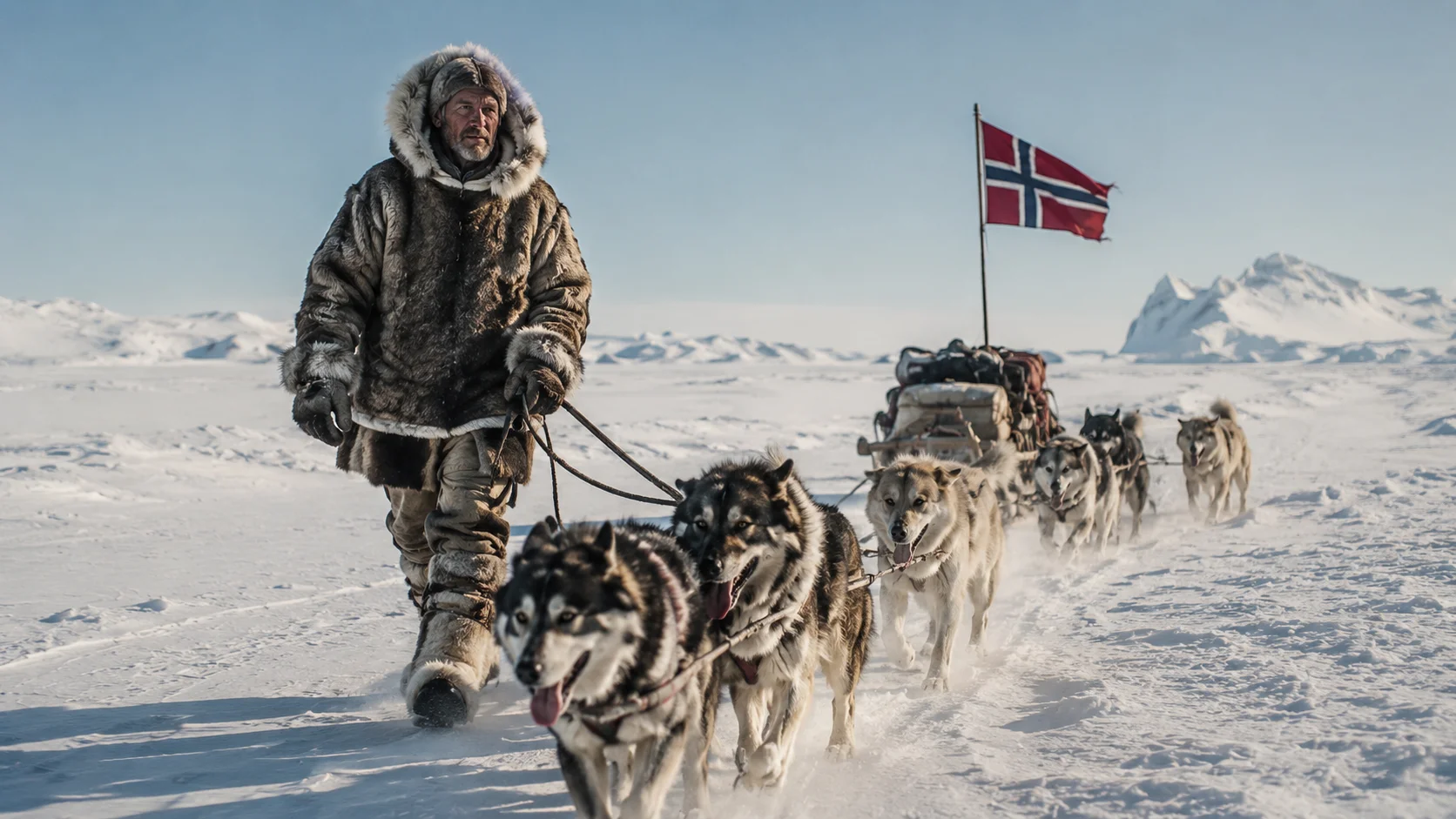
Eager to secure a massive head start over the British, Amundsen made a rare, near-fatal miscalculation by leaving his base camp far too early in the spring. Just days into the journey, the temperature plummeted to an unimaginable minus sixty-eight degrees Fahrenheit, causing compasses to freeze and sledges to completely stop gliding. Realizing his men and dogs would quickly freeze to death, Amundsen ordered a chaotic and immediate retreat back to their base camp. This highly embarrassing failure caused a brief mutiny among his crew, forcing him to dismiss one of his most experienced explorers from the polar team.
8. The British Hauled Supplies Through Sheer Human Effort
After their experimental motorized sledges broke down and their ponies perished, the British team faced the agonizing reality of man-hauling their supplies. Scott and his men attached themselves to heavy leather harnesses and literally dragged sledges weighing hundreds of pounds across the jagged ice and up steep glacial inclines. This agonizing physical labor burned roughly seven thousand calories a day per man, vastly exceeding the nutritional value of their daily rations. The sheer exhaustion of pulling their own weight permanently destroyed their physical resilience and left them dangerously vulnerable to the extreme cold.
9. Amundsen Left a Letter for Scott to Deliver
When the Norwegian team finally reached the geographic South Pole on December 14, 1911, they set up a small tent named Polheim to mark their historic victory. Inside the tent, Amundsen left a spare set of warm clothing and an incredibly polite letter addressed directly to the King of Norway. Because Amundsen knew the journey back was perilous, he left a note asking Scott to kindly deliver the letter to the king just in case the Norwegian team perished on the return trip. Discovering this tent and reading the letter a month later served as the ultimate, crushing psychological blow for the exhausted British explorers.
10. Scurvy Silently Devastated the British Expedition
Because the concept of vitamins had not yet been fully understood by modern medicine, scurvy was a terrifying threat to long-term polar expeditions. Amundsen accidentally protected his men from the deadly vitamin C deficiency by incorporating fresh, undercooked seal and dog meat into their daily diet. Scott heavily relied on a highly processed diet of dried meat called pemmican and hard biscuits, which lacked the essential nutrients needed to maintain tissue health. As a result, the British team suffered from unhealing wounds, weakened bones, and severe exhaustion caused by undiagnosed scurvy during their grueling return journey.
11. Lawrence Oates Made a Legendary Sacrifice
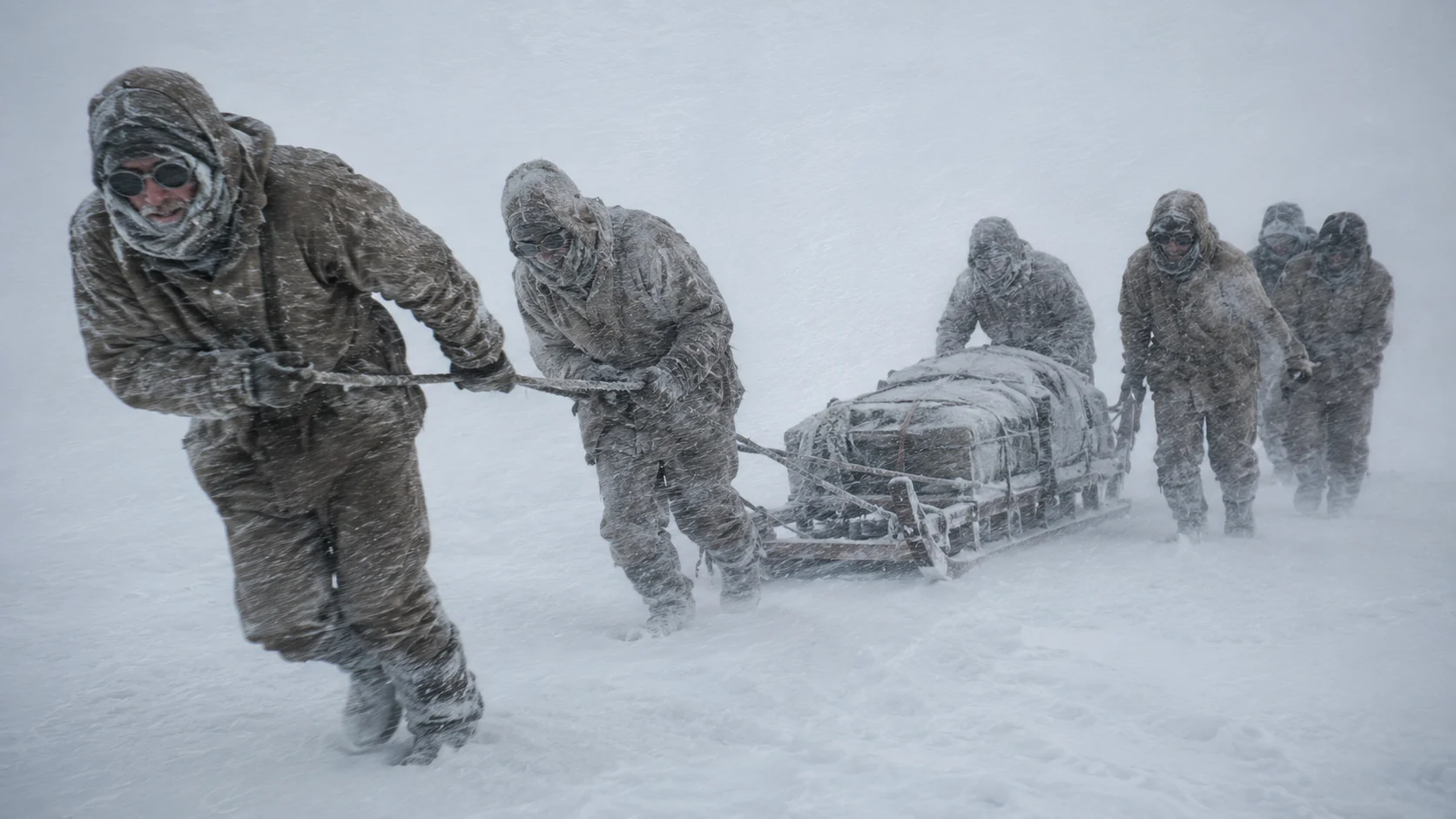
As the defeated British team struggled back toward their base camp, army captain Lawrence Oates developed severe frostbite that turned his feet black and made walking agonizing. Realizing that his excruciatingly slow pace was dooming his friends to freeze to death on the ice, Oates made a completely selfless decision during a raging blizzard. On his thirty-second birthday, he stood up in their small tent and famously told his companions he was just going outside and might be some time. He stepped out into the blinding white storm to die alone, hoping his sacrifice would give his teammates a chance to survive.
12. Scott Perished Just Eleven Miles From Salvation
Following the tragic disappearance of Oates, the remaining three British explorers managed to drag themselves a few miles further before a massive, relentless blizzard pinned them inside their tent. They were completely out of food and fuel, unable to walk through the howling storm, and slowly freezing to death over the course of several days. When a search party finally discovered their frozen bodies eight months later, they realized the tragic magnitude of the disaster. The team had perished a mere eleven miles away from One Ton Depot, a massive supply cache containing enough food and fuel to save their lives.
13. The British Died Hauling Heavy Geological Rocks
Despite slowly dying from starvation, extreme frostbite, and total exhaustion, the British expedition never abandoned their profound commitment to scientific discovery. When the search party discovered their final frozen camp, they found that the men had been dragging a sledge containing thirty-five pounds of rock specimens gathered from the Beardmore Glacier. Even as they realized they were not going to survive the journey home, Scott and his men refused to leave the heavy fossils behind in the snow. These specific plant fossils ultimately proved the scientific theory of continental drift, showing that Antarctica was once a lush, forested continent connected to India and Africa.
14. Amundsen Maintained His Weight During the Entire Journey
The sheer difference in physical toll between the two competing expeditions is perfectly illustrated by the physical condition of the men at the end of their journeys. Due to their expert skiing, brilliant supply depot strategy, and highly caloric fresh meat diet, the Norwegian team experienced virtually no physical deterioration. When Amundsen and his men finally returned to their coastal base camp after travelling over fifteen hundred miles across the ice, they actually weighed exactly the same as when they departed. Meanwhile, the British men had essentially starved and withered away to mere skeletons before their tragic deaths.
15. Scott Became a Hero While Amundsen Was Criticized
Following the dramatic conclusion of the race, the global public reaction was entirely unexpected and highly controversial. Although Amundsen brilliantly won the race through superior planning and execution, many members of the British establishment dismissed his victory as an ungentlemanly stunt solely focused on speed rather than science. Conversely, when Scott’s beautifully written final diary entries were discovered alongside his body, the British Empire instantly elevated him to the status of an ultimate tragic hero. Scott’s romanticized tale of noble suffering and glorious failure completely overshadowed Amundsen’s flawless triumph in the eyes of the public for decades.
Sources and References