1. Rectangular Pupils for Panoramic Vision
Sheep possess highly distinct, horizontal, rectangular pupils. This bizarre anatomical feature provides them with an incredible field of vision ranging from 270 to 320 degrees. They can essentially see entirely behind themselves without ever having to turn their heads, allowing them to constantly monitor the horizon for stalking predators even while their heads are completely lowered to graze in the grass.
2. They Have Incredible Memories
Far from being mindless followers, sheep boast a remarkable cognitive capacity. Scientific studies have proven that a sheep can easily recognize and remember the individual faces of at least fifty other sheep, as well as the faces of specific human caretakers, for over two years. They process visual information using the exact same specialized neural networks in their brains that humans use to accurately recognize faces.
3. They Actively Self-Medicate
When a sheep feels physically ill or is suffering from a heavy internal parasite infection, it does not just wait to get better. They instinctively practice zoopharmacognosy, meaning they actively seek out and consume highly specific plants, herbs, and toxic foliage that they would normally ignore. These specific plants contain chemical compounds that naturally kill parasites and soothe their severely upset digestive tracts.
4. They Form Deep, Lifelong Friendships
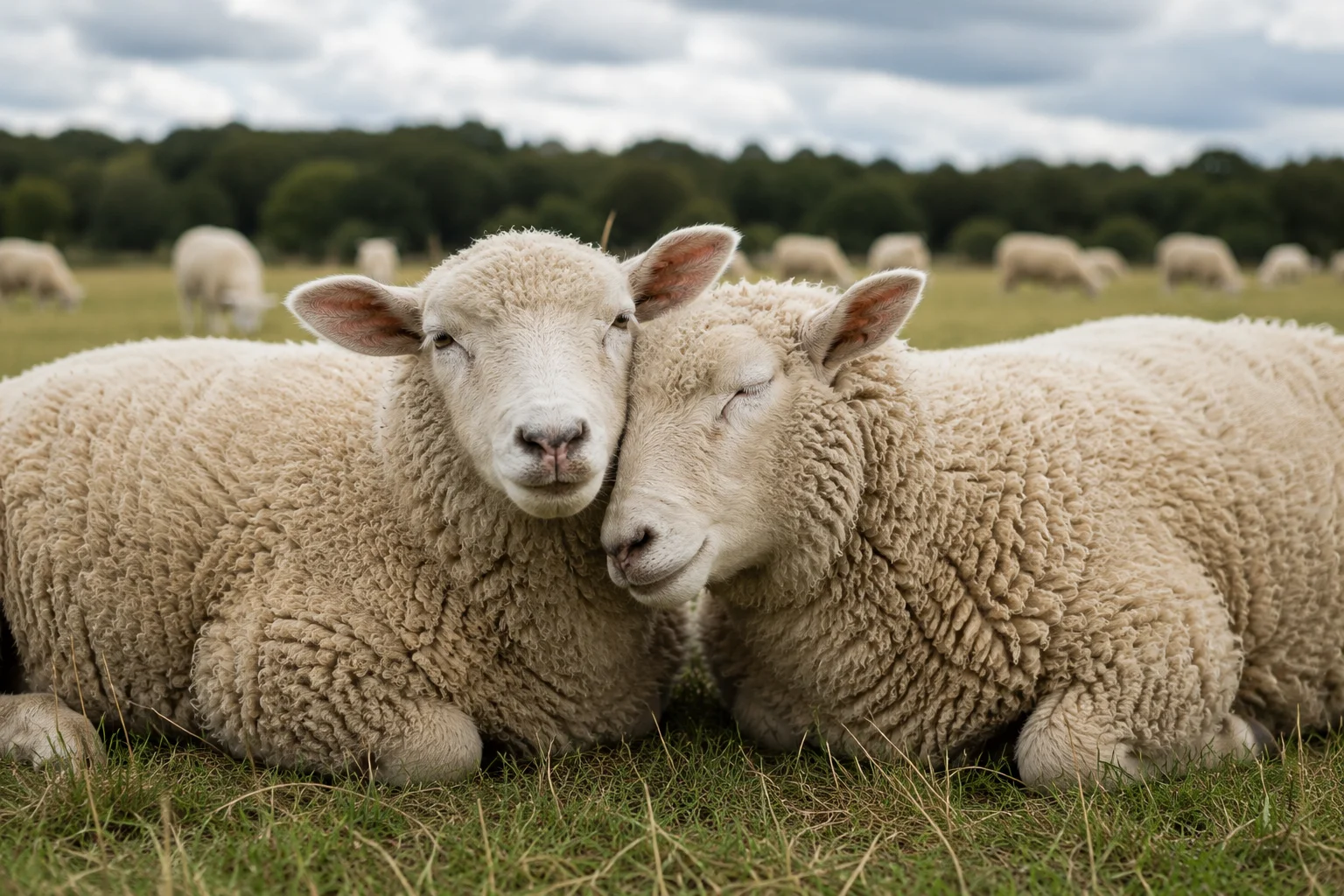
Sheep are highly emotional creatures that form incredibly tight, complex social bonds. Within a massive flock, a sheep will actively seek out its specific best friends and spend the majority of its time grazing directly next to them. When separated from their preferred companions, their heart rates significantly increase and they display visible signs of deep psychological distress and panic.
5. They Lack Upper Front Teeth
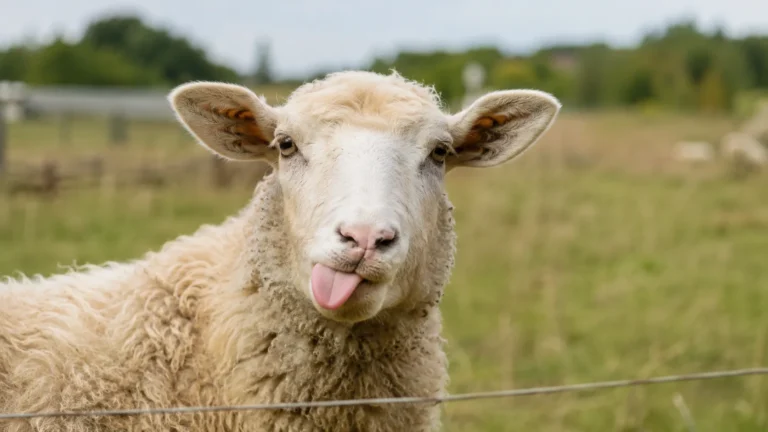
If you were to open the mouth of a sheep, you would be highly surprised to find absolutely no teeth at the top front of their jaw. Instead of upper incisors, they possess a thick, highly resilient area of tissue known as a hard dental pad. They use their sharp lower teeth to aggressively press grass against this tough upper pad, cleanly tearing the vegetation from the ground without biting their own lips.
6. Dolly Changed the Scientific World
In 1996, a female domestic sheep named Dolly became the absolute most famous animal on the planet. She was the very first mammal in human history to be successfully cloned from an adult somatic cell. Born at the Roslin Institute in Scotland, her miraculous existence completely revolutionized the global fields of genetics and stem cell research, proving that specialized adult cells could be entirely reprogrammed.
7. They Have Built-In Waterproofing
To survive in freezing, brutally wet climates like the Scottish Highlands, sheep naturally produce a highly specialized, waxy substance called lanolin. Secreted directly from their sebaceous glands, this greasy yellow wax completely coats their wool, making their thick fleeces highly waterproof and naturally antibacterial. Lanolin is so incredibly effective at soothing skin that it is heavily harvested and used in countless modern human cosmetics and lip balms.
8. A Highly Complex Vocal Vocabulary
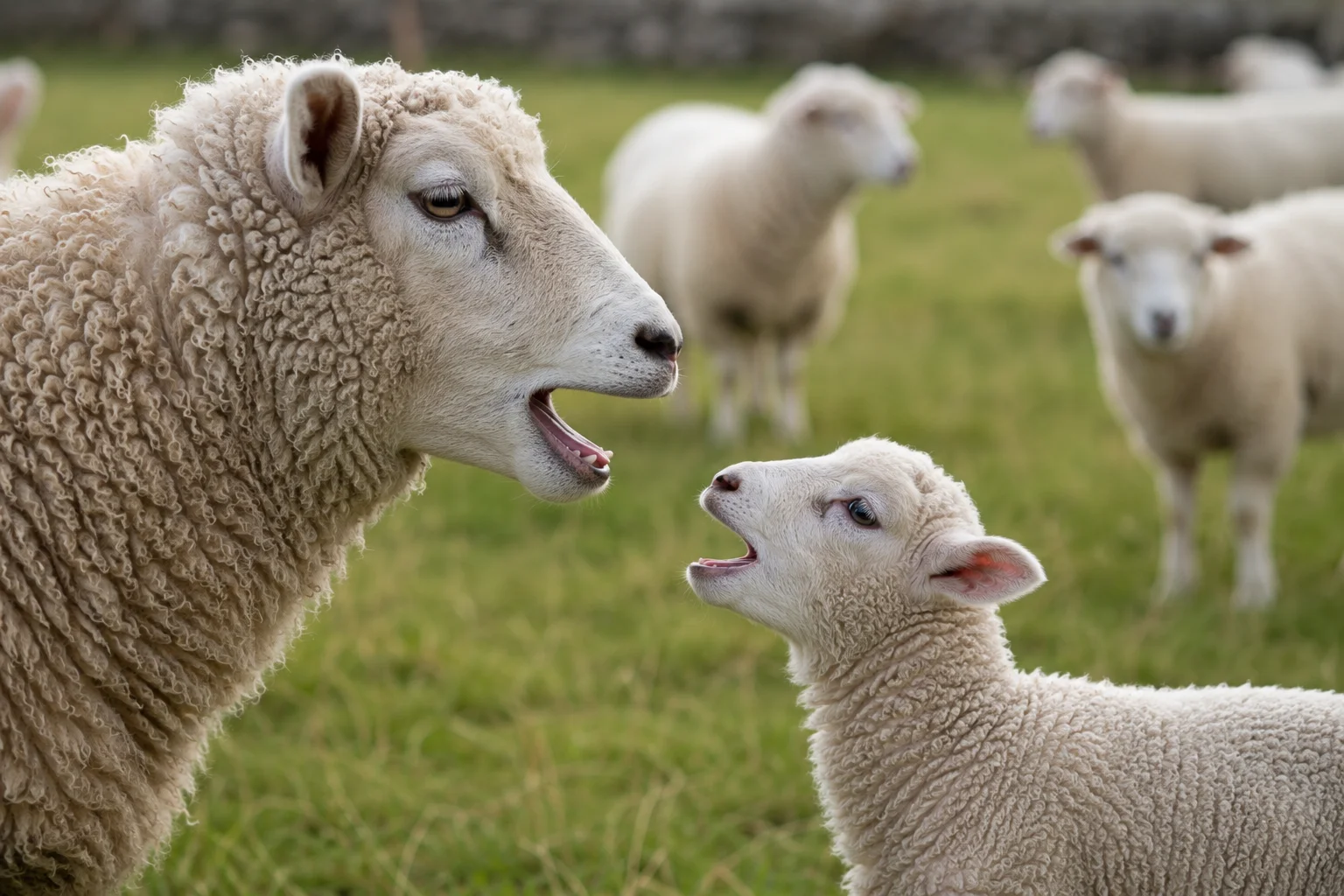
To the average human ear, a flock of sheep just sounds like a chaotic mess of random bleating. In biological reality, they utilize a highly nuanced, complex acoustic vocabulary. Mothers and their lambs learn each other’s specific, unique vocalizations within hours of birth. Furthermore, they use entirely different tones, pitches, and rumbles to communicate warnings, express frustration, or signal that they have found high-quality food.
9. The Legend of the Golden Fleece is Real
The ancient Greek myth of Jason and the Argonauts searching for the legendary Golden Fleece is actually based on a highly practical, historical mining technique. In ancient Georgia and regions around the Black Sea, miners would literally place massive, tightly curled sheep fleeces directly into fast-flowing river streams. The dense wool perfectly trapped tiny, heavy flakes of actual gold washing down from the mountains, creating a literal golden fleece.
10. Four Highly Specialized Stomachs
Because grass is incredibly tough and highly difficult to digest, sheep are ruminants equipped with a massive, highly complex four-chambered stomach. The swallowed food passes through the rumen, reticulum, omasum, and abomasum. To completely break down the tough plant cellulose, they must repeatedly regurgitate their partially digested food, known as cud, and physically chew it for several hours a day to extract the maximum amount of nutrients.
11. A Split Lip for Precision Grazing
If you look closely at a sheep’s face, you will notice a distinct, vertical groove dividing their upper lip, biologically known as a philtrum. This split lip is highly mobile and incredibly prehensile. It allows the sheep to graze exceptionally close to the ground and selectively pick out specific, tiny, highly nutritious leaves and clovers while completely ignoring the bitter, undesirable weeds growing right next to them.
12. Over a Thousand Distinct Breeds
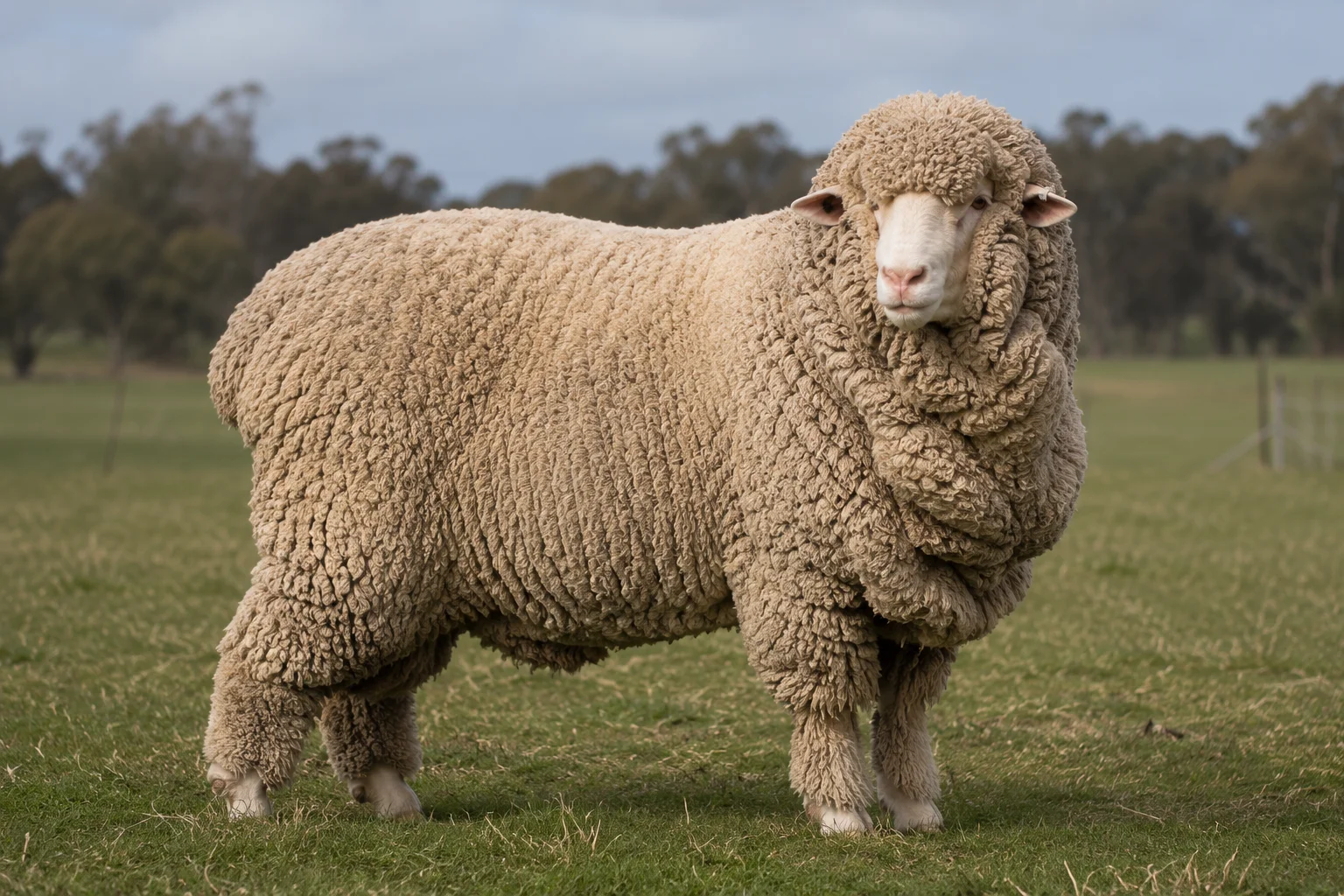
Humans have been selectively breeding sheep for roughly ten thousand years, resulting in an absolutely staggering level of global genetic diversity. Today, there are over one thousand distinct, highly recognized breeds of sheep scattered across the planet. They range from the massive, heavily wrinkled Merino prized for its ultra-fine wool, to the tiny Ouessant sheep of France, which barely reaches the size of a medium dog.
13. Camels of the Tundra
While camels are famous for storing massive amounts of fat in their humps to survive harsh deserts, roughly twenty-five percent of the world’s sheep population utilizes the exact same biological strategy in a completely different location. Known as fat-tailed sheep, these highly resilient breeds are native to arid regions in the Middle East and Africa. They store huge, heavy reserves of emergency fat entirely inside their massive, dragging tails to survive intense droughts and famine.
14. They Can Experience Deep Depression
Scientific behavioral studies have revealed that the emotional spectrum of a sheep is strikingly similar to that of a dog or a human. When subjected to prolonged periods of stress, isolation, or the loss of a newborn lamb, sheep can fall into a state of clinical depression. They will completely lose their appetite, stand motionless facing corners, and exhibit profoundly pessimistic behavioral traits until the massive stressor is finally removed.
15. They Built the Wealth of Medieval Europe
During the Middle Ages and the Renaissance, the humble sheep was the absolute most powerful economic engine in the Western world. The massive, international trade of high-quality wool essentially built the early banking systems of Europe, completely funded the incredible architectural expansion of Renaissance Florence, and served as the absolute backbone of the entire English medieval economy for centuries.