The Legendary Boogiemen: 15 Fascinating Facts About ZZ Top
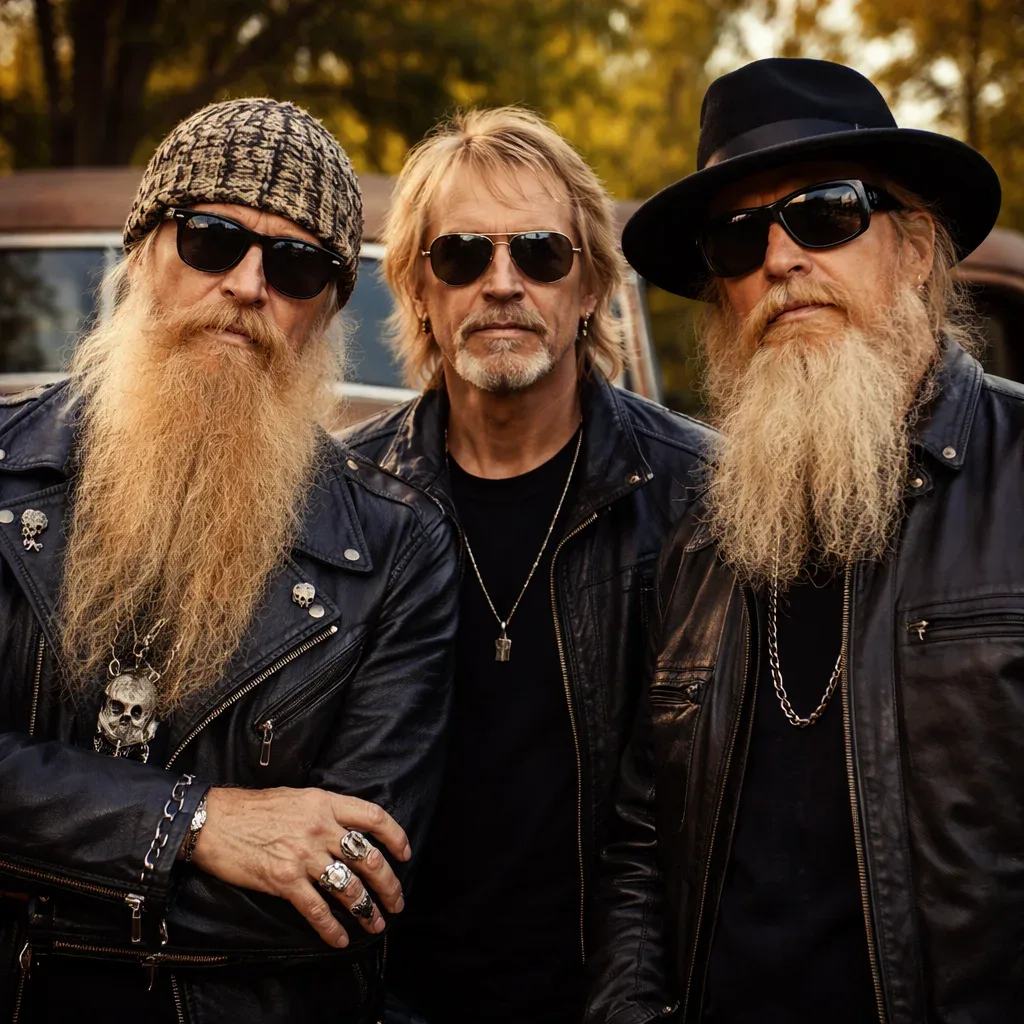
For over five decades, ZZ Top has defined Texas blues rock with their razor-sharp guitar riffs, synchronized moves, and iconic chest-length beards. Beyond the multi-platinum albums and MTV video classics lies a history filled with bizarre endorsement refusals, stage tours with wild animals, and unexpected blues heritage. Discover the true story behind one of rock and roll's most enduring and recognizable power trios.
1. The Band Name Was Inspired by Blues Legends Z.Z. Hill and B.B. King
When guitarist Billy Gibbons was forming the band in Houston in 1969, he wanted a name that paid homage to his musical heroes. He initially thought of combining the names of blues icons Z.Z. Hill and B.B. King to create ZZ King. However, Gibbons quickly realized that the moniker sounded far too similar to B.B. King's actual name. He then reasoned that a king was at the very top of the hierarchy, which led him to land on ZZ Top instead. The distinctive name perfectly encapsulated the group's deep blues roots while setting them apart as something fresh and modern.
2. The Only Member Without a Long Beard Is Named Frank Beard
One of rock history's greatest ironies is that ZZ Top's drummer, Frank Beard, is the only member without a chest-length beard. While Billy Gibbons and Dusty Hill began growing their trademark facial hair in the late 1970s during an extended hiatus, Beard maintained a much shorter trimmed mustache. When the trio reunited after taking two years off, Gibbons and Hill arrived with matching long beards without having planned it beforehand. They decided to keep the dramatic look, making Beard's clean-shaven chin and facial name an amusing paradox. Beard later joked that growing a massive beard would get in the way of his drumsticks during high-speed solos.
3. Gillette Offered $1 Million to Shave Their Signature Beards
At the peak of the band's commercial dominance in 1984, razor giant Gillette offered Billy Gibbons and Dusty Hill one million dollars to shave their beards on television. The company envisioned a high-profile commercial campaign centered around the iconic rockers using Gillette safety razors for the big reveal. However, both musicians flatly turned down the lucrative deal without hesitation. Gibbons admitted that looking in the mirror without facial hair was far too terrifying a prospect to consider for any amount of money. They maintained that their faces beneath the fur were far too unsightly for public consumption.
4. They Maintained the Same Lineup for More Than 50 Years
ZZ Top holds a rare record in rock and roll history for maintaining the exact same three members for over five decades. From their breakthrough performance in 1969 until the passing of bassist Dusty Hill in July 2021, the lineup never changed once. This remarkable stability set them apart from almost every major contemporary band, most of which endured frequent roster changes and dramatic breakups. The trio's unbreakable bond was rooted in shared humor and mutual musical respect that weathered multi-platinum stardom and changing music trends. Following Hill's wish, his longtime guitar technician Elwood Francis stepped in to keep the bass grooves rolling.
5. Billy Gibbons Plays Every Album on a Legendary 1959 Gibson Les Paul
The core of ZZ Top's heavy blues tone comes from a prized 1959 Gibson Les Paul Standard nicknamed Pearly Gates. Gibbons acquired the legendary instrument in the late 1960s after helping a friend buy a vintage Packard car, which was affectionately called Pearly Gates. When the car was sold, the proceeds allowed Gibbons to purchase the sunburst electric guitar, transferring the nickname to the instrument. Guitar collectors consider 1959 Les Pauls to be the absolute holy grail of electric instruments. Remarkably, Gibbons has played Pearly Gates on every single ZZ Top album recorded since the group's inception.
6. The Worldwide Texas Tour Featured Real Bisons, Rattlesnakes, and Vultures
In 1976, ZZ Top embarked on the ambitious Worldwide Texas Tour, bringing an entire ecosystem of native Texan wildlife on the road. The massive stage design featured a 35-ton Texas-shaped stage populated by live buffaloes, black vultures, longhorn cattle, and dangerous rattlesnakes. Transporting the delicate portable zoo required specialized climate-controlled trucks and a team of professional animal handlers traveling city to city. Despite the absurd logistical challenges and frequent wild antics from the animals, the tour was a gargantuan success. It grossed millions of dollars and firmly established the band's larger-than-life Texas persona on a global scale.
7. They Once Played a Full Concert for an Audience of Exactly One Person
During their early touring days across small Texas towns, ZZ Top arrived at a venue in Lake Jackson only to find a single ticket buyer in the house. Rather than canceling the show or walking out, the trio decided to put on their complete concert set with maximum energy. They treated the lone audience member to a full two-hour performance, complete with lights, equipment shifts, and encore songs. Afterward, the band stepped off the stage, walked up to the astonished fan, and bought him a soda at the snack bar. That legendary fan remained a devoted, lifelong follower of the band for the rest of his days.
8. The Iconic Fuzzy Spinning Guitars Were Made from Real Sheepskin
The ultra-cool spinning guitars featured in the music video for Legs are amongst the most recognized props in music video history. Custom guitar craftsman Dean Zelinsky built the instruments using genuine white sheepskin wrapped around specialized rotating mechanisms. Billy Gibbons conceived the idea while chatting with custom hot rod builders who used wild fur fabrics for car upholstery. The motorized spinning rigs attached to the guitar straps allowed the instruments to spin a full 360 degrees effortlessly. The combination of eye-catching visuals and heavy synthesis helped propel the video into heavy rotation, turning ZZ Top into global pop icons.
9. Jimi Hendrix Named Young Billy Gibbons as His Favorite New Guitarist
Before ZZ Top took the world by storm, a young Billy Gibbons opened for Jimi Hendrix while playing in his teenage psychedelic band, The Moving Sidewalks. Hendrix was so impressed by the nineteen-year-old Texan's incredible technique and blues feel that he befriended him on the road. During an appearance on national television, Hendrix publicly named Gibbons as the next great American guitarist. To cement their friendship, Hendrix even gifted Gibbons a rare pink Fender Stratocaster as a token of admiration. That early endorsement gave Gibbons immense confidence to push the boundaries of Texas blues rock.
10. The Eliminator Hot Rod Revitalized American Custom Car Culture
When ZZ Top released their 1983 blockbuster album Eliminator, the cover featured a sleek red custom 1933 Ford coupe. Billy Gibbons spent years overseeing the build of this iconic hot rod alongside renowned custom builder Don Thelan. The high-performance coupe was featured prominently in several hit music videos, becoming a visual mascot for the band. The car's sleek styling and high-profile television presence kicked off a massive revival in 1980s hot rod and street rod culture across America. Today, the legendary vehicle resides in the Rock and Roll Hall of Fame as an enduring symbol of American rock culture.
11. Electronic Beat Synthesizers Propelled Eliminator to Diamond Status
While ZZ Top was famous for raw blues rock, their breakthrough album Eliminator incorporated electronic drum machines and synthesizers. The band embraced a modern, danceable beat structure using early drum machines and Oberheim synthesizers beneath Gibbons' guitar work. Billy Gibbons layer-tracked driving synth-basslines alongside his scorching riffs, creating an irresistible hybrid sound. This blending of classic Texas boogie with slick electronic production captivated a massive new audience, driving album sales over ten million copies. The album ultimately earned a prestigious Diamond certification, defining the slick sonic signature of 1980s rock radio.
12. They Played an 1885 Town Band in Back to the Future Part III
ZZ Top made a memorable cinematic cameo in the 1990 sci-fi blockbuster Back to the Future Part III. Dressed in authentic late-19th-century frontier clothing, the trio played a town band performing at the Hill Valley festival scene in 1885. They performed an acoustic, old-timey square-dance arrangement of their hit single Doubleback using traditional fiddles and acoustic instruments. Gibbons and his bandmates even got to perform signature trick spins using acoustic instruments during the scene. Their contribution extended to the official soundtrack, where the heavy electric version of the song played over the film's closing credits.
13. Billy Gibbons Traded His Stetson for a Unique African Beaded Cap
For decades, Billy Gibbons has rarely been seen in public without a distinctive woven beaded hat known as a Cameroonian skullcap. During a trip through Africa, Gibbons met a chieftain from the Bamileke tribe who admired the musician's classic Texan Stetson cowboy hat. The two hit it off and decided to swap headwear on the spot, with Gibbons receiving the intricately hand-woven cloth cap in exchange. Gibbons found the African cap incredibly comfortable and visually striking, adopting it as a permanent part of his daily attire. Along with his sunglasses and long beard, the cap remains one of his most iconic fashion trademarks.
14. Keith Richards Inducted Them into the Rock and Roll Hall of Fame
In 2004, ZZ Top received the ultimate musical honor when they were inducted into the Rock and Roll Hall of Fame. The band was officially presented by Rolling Stones guitarist Keith Richards, a long-time admirer of their deep blues roots. In his warm induction speech, Richards praised the trio for maintaining the same lineup and genuine brotherhood for thirty-five years without breaking apart. He famously joked that the group was the closest thing to a true, unbroken family that rock music had ever seen. The band then celebrated by tearing through explosive live renditions of their classic hits.
15. They Experimented with Recycled Trash Cans for Unique Drum Tracks
Known for their innovative recording techniques, ZZ Top frequently experimented with unusual objects to craft memorable percussion textures in the studio. During studio sessions, Billy Gibbons and Frank Beard constructed customized drum kits using heavy plastic trash cans and industrial pipes. They discovered that striking plastic waste bins produced a unique low-end thud that standard commercial snare drums could not duplicate. This inventive approach showcased the band's philosophy that a great blues groove relied on creativity rather than ultra-expensive equipment. Their playful studio experiments helped give their tracks an unmistakable rhythm that sounded like no other band on the radio.
Sources & References
This AI-assisted post was rigorously curated and fact-checked for accuracy by:
 Martin Roháček
How fun was this article? 🤔
Tap a star to rate it
🧠 Quiz: How closely were you paying attention?
10 questions — all answers are in the article above!
Enjoyed these facts? There's more! 💌
Fresh fun facts in your inbox. No spam, ever.