The Sun-Drenched Kingdom: 15 Fascinating Facts About Spain
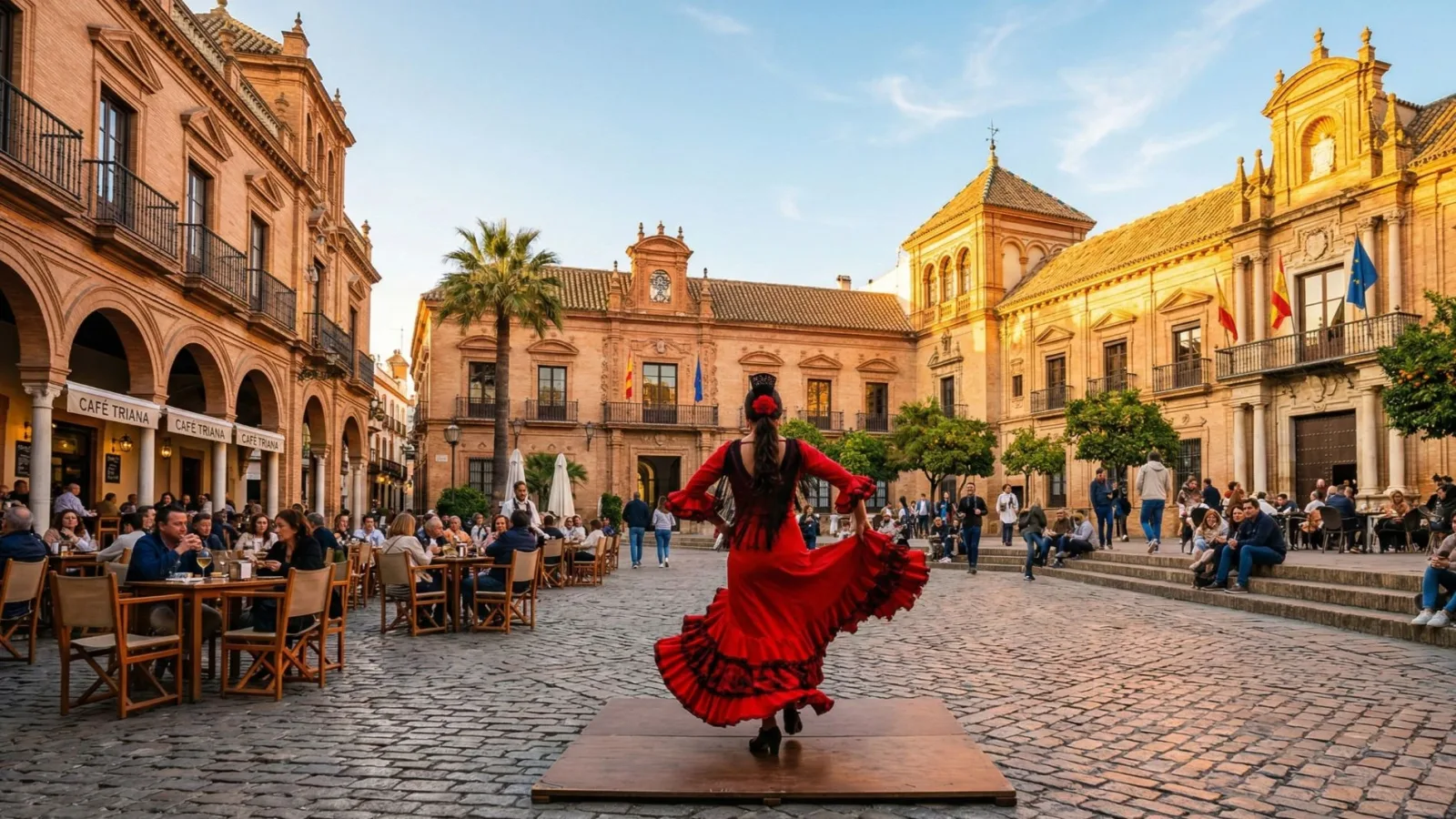
Spain is a land of vivid contrast, rich historical traditions, and surprising cultural quirks that captivate millions of global travelers. From wordless national anthems and centuries-old restaurants to cross-border ziplines and iconic tomato fights, the Iberian nation offers far more than just sunlit beaches. Dive into the fascinating history, unusual culinary customs, and incredible achievements that define modern Spain.
1. The National Anthem Has No Official Lyrics
The Spanish national anthem, known as La Marcha Real (The Royal March), is one of only four national anthems in the world without official lyrics. Originally a military march called the Marcha Granadera, it was declared the official anthem by King Carlos III in 1770. While various lyricists and politicians have proposed words over the centuries, none have gained permanent official approval. As a result, when Spanish athletes stand on victory podiums during international sporting events like the Olympics, they remain silent or hum along to the melody. This unique musical trait leaves the anthem entirely neutral, avoiding the political friction that lyric updates might cause.
2. Spain Is Home to the World's Oldest Continuously Operating Restaurant
According to Guinness World Records, Sobrino de Botín in Madrid is the world's oldest continuously operating restaurant. Founded in 1725 by French cook Cándido Remis and his Spanish wife, the tavern has kept its central wood-fired oven burning for nearly three centuries. Famous literary figures like Ernest Hemingway frequently dined here, immortalizing its signature roast suckling pig in his novel The Sun Also Rises. Legend even holds that the iconic Spanish painter Francisco de Goya worked there as a dishwasher in his youth before achieving fame. Today, visitors can still dine in its historic subterranean cellar rooms and sample recipes that have remained virtually unchanged for centuries.
3. A Magical Mouse Takes the Place of the Tooth Fairy
Spanish children do not leave their fallen baby teeth under the pillow for a tooth fairy, but rather for a tiny magical mouse named Ratoncito Pérez. The character originated in 1894 when writer Luis Coloma was commissioned by the Spanish Royal Court to create a reassuring bedtime story for eight-year-old King Alfonso XIII, who had lost a tooth. In the tale, the brave rodent lived in a biscuit box inside a confectionery shop in Madrid and delivered small coins to brave children. Today, El Ratón Pérez is so deeply cherished across the Spanish-speaking world that the city of Madrid installed an official commemorative plaque at his fictional street address on Calle del Arenal. Children across the nation eagerly slip lost teeth under their pillow, expecting a small gift or coin in exchange by morning.
4. Spain Produces Over 40 Percent of the World's Olive Oil
While many consumers associate olive oil primarily with Italy or Greece, Spain is by far the undisputed heavyweight of global olive oil production. The country yields roughly half of the entire European Union's supply and over 40 percent of the worldwide total every year. The vast southern region of Andalusia, particularly the province of Jaén, is blanketed by more than 66 million olive trees stretching across rolling hills. Known locally as liquid gold, Spanish olive oil has been exported across the Mediterranean since the height of the Roman Empire. During ancient times, millions of Iberian terracotta amphorae filled with olive oil were shipped to Rome to feed the empire's capital city.
5. You Can Fly Across an International Border on a Zipline
Adrenaline seekers visiting southern Spain can cross an international border into Portugal in under sixty seconds via the world's only cross-border zipline. Known as Limite Zero, the 720-meter cable stretches across the Guadiana River, connecting the hilltop village of Sanlúcar de Guadiana in Andalusia with Alcoutim in Portugal. Flying at speeds up to 80 kilometers per hour, participants literally zip from one European country into another. Because Portugal sits in a different time zone, riders also cross a temporal boundary that allows them to gain an hour of time upon landing. After crossing, participants can take a short ferry trip back across the river to return to Spain.
6. The Famous Sagrada Família Has Been Under Construction for Over 140 Years
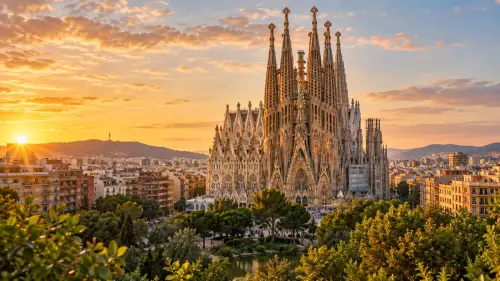
The monumental Sagrada Família basilica in Barcelona has been under continuous construction since its foundation stone was laid in 1882. Master architect Antoni Gaudí took over the project in 1883, transforming it into his life's work and combining Gothic and Art Nouveau styles into an otherworldly forest of stone columns. Gaudí knew he would not live to see its completion, famously stating that his ultimate client was in no rush. Despite surviving damage during the Spanish Civil War, modern construction continues using digital 3D modeling and advanced engineering techniques. Upon its anticipated completion, the basilica's central spire will reach 172.5 meters, making it the tallest church building on Earth.
7. The Origins of Tapas Trace Back to Covering Wine Glasses
The word tapa translates literally to cover or lid, pointing directly to the practical origin of Spain's iconic small-plate dining tradition. In historical taverns, bartenders placed a slice of bread, cheese, or cured ham over the top of wine glasses to keep out fruit flies and dust. Other historical accounts suggest that King Alfonso X mandated that taverns serve small bites of food alongside wine to prevent patrons from getting overly intoxicated. Over the centuries, these modest drink covers evolved into an internationally celebrated culinary art form featuring garlic gambas, patatas bravas, and cured jamón Ibérico. Today, going bar to bar to sample tapas remains one of the most vibrant social rituals in Spanish culture.
8. Public Nudity Is Legally Protected Under Spanish Law
Unlike many Western nations with strict public decency regulations, Spain has no federal laws prohibiting nudity in public spaces. Following the fall of Franco's dictatorship and the drafting of the 1978 Constitution, personal freedom rights made public nudism fully legal nationwide. While standard social norms mean that most citizens remain clothed in daily urban life, anyone can technically walk down a public street without clothing without committing a federal crime. In practice, nude sunbathing and swimming are largely concentrated on designated naturist beaches and secluded coastal coves across the Mediterranean coast. Local municipalities occasionally pass specific urban ordinances, but nudity itself remains constitutionally protected as an exercise of personal freedom.
9. A Spanish Engineer Invented the Modern Mop and Bucket Wringer
Before the mid-20th century, cleaning floors required people to kneel on cold surfaces and squeeze out dirty rags by hand. In 1956, Spanish aeronautical engineer Manuel Jalón Corominas revolutionized household cleaning by inventing the modern mop and foot-lever wringer bucket. Drawing inspiration from flat-bottomed mops he observed at American military airbases, Corominas engineered a lightweight bucket design with a funnel wringer that allowed users to clean standing upright. His patented invention, marketed under the brand name Fregona, dramatically improved domestic hygiene and spared millions of people around the world from painful knee injuries. The design was so successful that Corominas exported millions of units worldwide, forever changing domestic housework.
10. Eating Twelve Grapes at Midnight Is an Essential New Year's Tradition
When the clock strikes midnight on New Year's Eve in Spain, millions of people participate in the fast-paced custom of Las doce uvas de la suerte (The twelve grapes of luck). Participants attempt to swallow one green grape for each of the twelve chimes of Madrid's Real Casa de Correos clock tower. Originating as a clever promotional stunt by Alicante grape growers during a surplus harvest in 1909, the ritual is believed to guarantee good fortune for each month of the coming year. Millions of Spaniards tune into live television broadcasts or gather in town squares with their bowls of peeled, seedless grapes ready. Successfully chewing and swallowing all twelve grapes before the final chime fades is viewed as a challenging feat and a guarantee of upcoming prosperity.
11. The Town of Buñol Hosts the World's Largest Food Fight
Every year on the last Wednesday of August, the small Valencian town of Buñol transforms into a sea of red puree during La Tomatina. What began in 1945 as a spontaneous street scuffle among local youths has ballooned into an internationally famous festival drawing tens of thousands of participants. Over the course of a chaotic hour, custom trucks dump more than one hundred metric tons of overripe, low-quality tomatoes into narrow streets for crowds to crush and throw. To prevent injury, official rules require participants to squash the tomatoes in their hands before throwing them at fellow revelers. After the battle ends, local fire trucks hose down the streets, leaving the cobbles surprisingly clean thanks to the natural acidity of tomato juice.
12. Spain Has Multiple Co-Official Regional Languages
While Spanish (known locally as Castellano) is the official national language spoken throughout the country, several regions possess their own co-official languages. Catalan is spoken in Catalonia and the Balearic Islands, Galician flourishes in the northwest, and Basque (Euskara) is spoken in the northern Basque Country. Basque is particularly fascinating to linguists because it is a complete language isolate with no known connection to any other Indo-European language family. These regional tongues are actively protected, taught in local schools, and utilized in regional government proceedings. This rich linguistic variety reflects the distinct regional identities and history that make up modern Spain.
13. Daily Schedules Run Hours Later Than Almost Any Other Country
If you try to order dinner at 6:00 PM in Spain, you will likely find restaurant doors closed or dining rooms completely empty. The typical Spanish daily routine operates on a late timetable: lunch is usually served between 2:00 PM and 4:00 PM, while dinner rarely begins before 9:00 PM or 10:00 PM. This unusual schedule dates back to World War II, when dictator Francisco Franco shifted Spain's time zone to align with Nazi Germany, placing the country an hour ahead of its geographical solar time. Because of the massive gap between late lunches and late suppers, locals enjoy a late afternoon snack known as la merienda. This lighter meal often consists of pastries, coffee, or small sandwiches to sustain energy until late evening dining.
14. The Traditional Siesta Is a Practical Response to Midday Heat
The famous Spanish afternoon break known as the siesta is often misunderstood as simple laziness, but it originated as a vital survival mechanism for agricultural workers facing blistering summer heat. During the hottest hours of the day between 2:00 PM and 5:00 PM, outdoor labor in sunny regions like Andalusia becomes dangerous. Closing shops and resting indoors allowed field workers to escape intense solar radiation before returning to work in the cooler evening hours. While modern air conditioning and office schedules have reduced siesta habits in major cities like Madrid and Barcelona, many smaller towns still close their shops during the afternoon. This tradition remains a valued cultural pause that prioritizes rest and family time during the hottest part of the day.
15. It Is the Second Most Visited Country in the Entire World
Boasting over 8,000 kilometers of coastline, 49 UNESCO World Heritage sites, and world-class cuisine, Spain is a global tourism powerhouse. Behind only France, Spain consistently ranks as the second most visited nation on the planet, welcoming over 80 million foreign visitors in peak years. Tourists flock to inspect iconic Islamic architecture like the Alhambra in Granada, marvel at Gaudí's masterpieces in Barcelona, or relax along the Costa del Sol. The country also features diverse landscapes ranging from the green forests of Galicia to Europe's only officially recognized desert in Tabernas. This massive influx of international travel makes tourism one of the primary drivers of the modern Spanish economy.
Sources & References
This AI-assisted post was rigorously curated and fact-checked for accuracy by:
 Martin Roháček
How fun was this article? 🤔
Tap a star to rate it
🧠 Quiz: How closely were you paying attention?
10 questions — all answers are in the article above!
Enjoyed these facts? There's more! 💌
Fresh fun facts in your inbox. No spam, ever.