The Lethal Aristocracy: 15 Fascinating Facts About the Samurai
For over seven centuries, the samurai governed Japan not merely as formidable warriors, but as an elite political and cultural class that shaped the nation's identity. Beyond the romanticized myth of honor-bound swordsmen lie surprising truths: mounted archery was once prized above blade combat, firearms transformed their battlefield strategy, and legal vengeance was regulated by state decree. From foreign-born commanders to intricate economic systems backed by raw grain, their legacy extends far past the battlefield. Here are 15 fascinating facts about Japan's iconic warrior caste.
1. Mounted Archery Was Their Original Primary Form of Combat
For the first few centuries of samurai history, horse archery was considered the ultimate mark of military distinction, far surpassing close-quarters sword fighting. Samurai warriors spent decades mastering yabusame, a discipline in which riders galloped at full speed while launching deadly arrows at targets with extreme precision. The curved sword was initially carried primarily as a secondary sidearm for last-resort defense if a warrior was dismounted. It was not until later civil wars and changed battlefield dynamics that close combat with blades took center stage. The legacy of mounted archery remains a highly respected martial tradition in modern Japanese history.
2. New Swords Were Routinely Tested on Human Bodies
To ensure that newly forged weapons met exacting standards of lethality, master swordsmen performed a brutal testing ritual known as tameshigiri. The cutting power of a blade was evaluated by slicing through the corpses of executed criminals, and in darker historical instances, living prisoners facing execution. Expert testers could sever multiple bodies stacked together with a single, devastating stroke, recording the results directly onto the sword's tang. A blade capable of cutting through three bodies at once earned immense prestige and commanded exorbitant prices among feudal lords. This practice reinforced the belief that a sword was not merely a decorative symbol, but an instrument of absolute lethality.
3. Female Warriors Fought Capably on the Battlefield
While popular media often portrays samurai culture as entirely male, noblewomen known as onna-musha actively engaged in warfare and domestic defense. These skilled combatants were trained in martial arts and mastered weapons such as the naginata, a long polearm topped with a curved blade that balanced reach and speed against mounted foes. Legendary figures like Tomoe Gozen led troops into major pitched battles during the Genpei War, earning reputations for exceptional bravery and leadership. In addition to frontline combat, these women were responsible for defending family estates and maintaining household security while male warriors were away on campaign. Their legacy challenges the modern misconception that samurai society completely excluded women from combat roles.
4. Samurai Rapidly Adopted and Mastered Firearms
Contrary to the common myth that samurai viewed gunpowder weapons as dishonorable, they enthusiastically adopted matchlock arquebuses introduced by Portuguese traders in 1543. Powerful warlords like Oda Nobunaga quickly recognized the strategic value of firearms and established dedicated, highly disciplined infantry firing squads. At the pivotal Battle of Nagashino in 1575, rotating volleys of gunfire decimated enemy cavalry charges, permanently altering Japanese warfare. Local gunsmiths rapidly reverse-engineered European designs, producing thousands of high-quality muskets across the archipelago within decades. Far from shunning guns, the samurai became some of the world's most effective gunpowder tacticians of the sixteenth century.
5. Samurai Armor Relied on Intricate Silk Lacing That Had Surprising Weaknesses
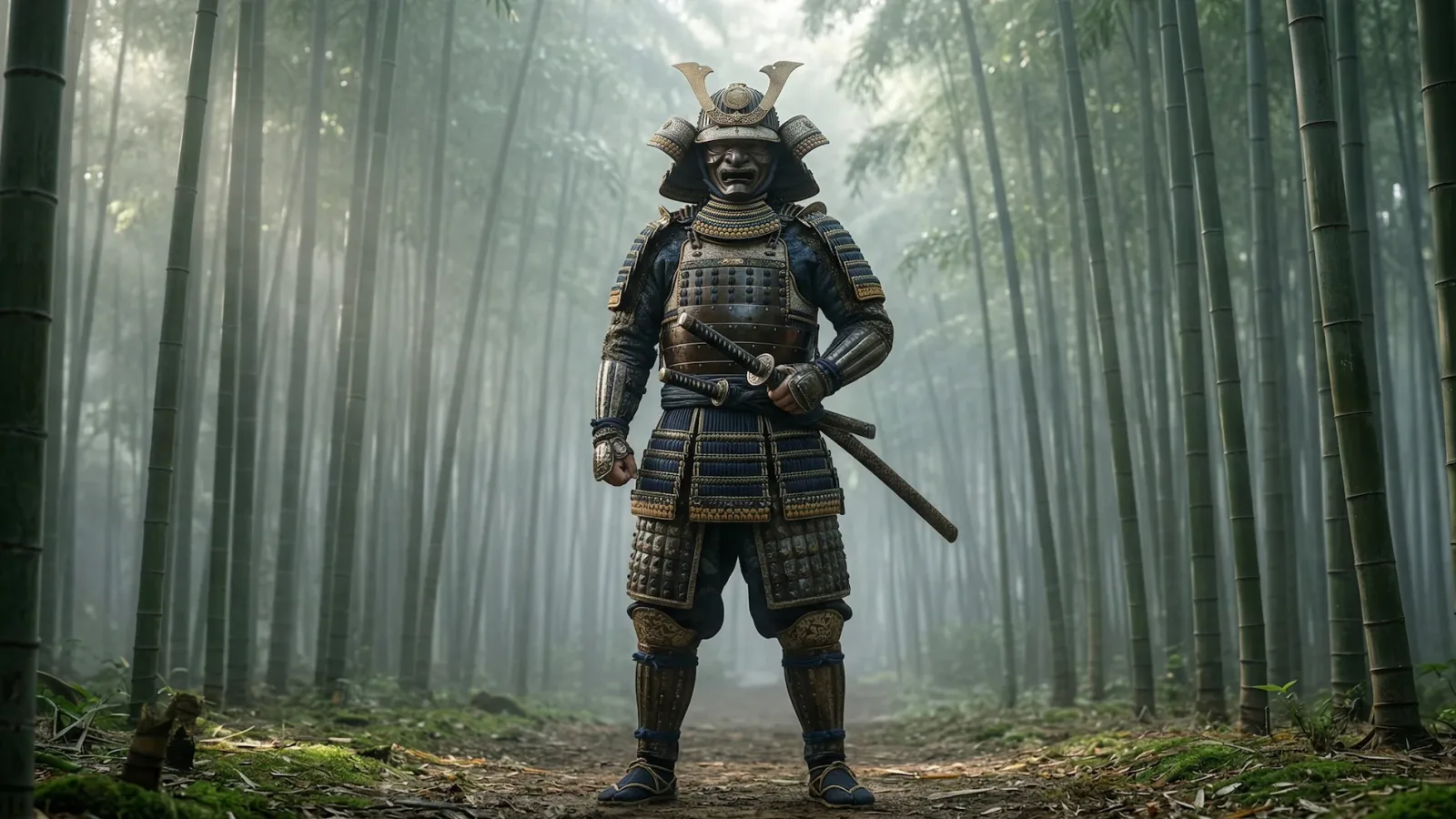
Classic samurai armor, known as gusoku, consisted of individual iron and leather plates bound together by hundreds of yards of woven silk cords. While this flexible design provided exceptional mobility and absorbing protection against arrows, it posed severe tactical disadvantages during extreme weather. In torrential rain, the heavy silk lacing absorbed immense amounts of water, adding exhausting weight to the warrior's torso. During harsh winter campaigns, wet armor could freeze solid, rendering the suit dangerously rigid and restricting vital movement in battle. Despite these environmental hazards, warriors prized colorful silk lacing as a vital display of personal wealth, rank, and artistic taste.
6. Mentorship and Intimate Male Relationships Were Structurally Embedded
Military life in medieval Japan fostered a formal tradition of male bonding known as wakashudo, or the way of youth. Under this recognized social structure, an experienced adult warrior took an adolescent apprentice to mentor in martial discipline, courtly etiquette, and tactical command. These bonds frequently included romantic and sexual intimacy, which were viewed as natural extensions of deep personal loyalty and camaraderie. The relationship was expected to foster absolute devotion, ensuring that both mentor and protégé would defend one another to the death on the battlefield. Far from being hidden, these partnerships were celebrated in military literature as foundational to warrior virtue.
7. The Ritual of Seppuku Evolved into a Symbolic Formality
The practice of ritual suicide, known as seppuku or hara-kiri, originated as an agonizing method for defeated warriors to preserve their honor through self-disembowelment. However, as Japan entered the peaceful Edo period, the brutal act was transformed into a highly choreographed court ritual. Condemned samurai were presented with a wooden fan or a blunt wooden dagger placed upon a ceremonial tray. As soon as the warrior reached toward the object, a designated second, known as a kaishakunin, performed a swift decapitation to ensure immediate death without prolonged suffering. This evolution allowed the noble class to maintain the solemn tradition of honorable execution while minimizing physical cruelty.
8. Peaceful Eras Transformed Violent Warriors into Bureaucratic Administrators
When the Tokugawa shogunate unified Japan in 1603, it initiated over two centuries of internal peace known as the Edo period. With no active battlefields to conquer, the massive warrior class faced an existential crisis that required radical adaptation. Samurai were forced to transition from battlefield commanders into civil servants, tax collectors, urban magistrates, and scholars. They traded their spears for writing brushes, applying their rigorous military discipline to state administration and record-keeping. This profound societal shift preserved their high social standing while creating one of the most literate and organized bureaucratic governments of the early modern world.
9. The Samurai Class Comprised a Substantial Portion of the Population
Rather than existing as a tiny, isolated elite, samurai and their families made up roughly five to ten percent of Japan's total population. At its peak, this amounted to well over one million individuals who functioned under the strict legal and moral codes of the military caste. Because of their sheer numbers, samurai were visible across all levels of society, serving in positions ranging from wealthy feudal lords to impoverished lower-ranking guards. Their widespread presence ensured that warrior values, aesthetics, and social expectations permeated daily Japanese culture. This large demographic footprint made the eventual abolition of the samurai class in the late nineteenth century a monumental social transformation.
10. Foreign-Born Men Were Elevated to the Rank of Samurai
The prestigious title of samurai was not restricted exclusively to native-born Japanese citizens, as powerful warlords occasionally bestowed warrior status on foreigners. The most famous example is Yasuke, an African man who arrived in Japan in 1579 with Jesuit missionaries and entered the service of the powerful daimyo Oda Nobunaga. Impressed by Yasuke's immense strength, height, and intellect, Nobunaga granted him samurai status, weapons, and a residence. Decades later, the English navigator William Adams was made a samurai by Shogun Tokugawa Ieyasu for his invaluable advice on shipbuilding and international trade. These historical instances demonstrate that exceptional merit, loyalty, and skill could overcome traditional social boundaries.
11. Warriors Changed Their Personal Names to Mark Major Life Events
Unlike modern individuals who retain a single birth name throughout their lives, samurai routinely changed their names to mark significant personal and political milestones. A young male warrior would abandon his childhood name upon undergoing the gempuku coming-of-age ceremony, taking on an adult moniker that reflected his family lineage. Additional name changes occurred after winning major military battles, securing high imperial appointments, or pledging allegiance to a new feudal lord. In their twilight years, many warriors shed their political identities entirely upon taking Buddhist vows, adopting spiritual names for retirement. This fluid naming convention reflected a warrior's evolving status, achievements, and spiritual journey within society.
12. Samurai Maintained Balance by Cultivating Gentle Fine Arts
Under the governing ethos of bunbu ryodo, or the dual way of the sword and the pen, samurai were expected to master refined artistic pursuits alongside deadly combat skills. Feudal lords believed that practicing peaceful arts balanced a warrior's spirit, preventing brutal violence from dulling their moral character. Warriors dedicated thousands of hours to mastering the intricate steps of the tea ceremony, calligraphy, Noh theater, and landscape gardening. They were also accomplished poets who composed delicate haiku and waka verses, often writing farewell death poems moments before entering battle or committing seppuku. This integration of lethal military skill and high artistic culture remains one of the defining features of samurai identity.
13. The Katana Was Worn Blade-Up for Instant Lethal Drawing
The iconic curved sword of the samurai, the katana, was specifically worn thrust through the waist sash with the sharp edge facing upward. This ergonomic positioning allowed a warrior to draw the weapon and strike an enemy in a single, fluid, continuous motion known as iaijutsu. Carrying the sword blade-up also protected the fine cutting edge from coming into contact with the wooden scabbard, preserving its sharpness over long periods. In contrast, longer cavalry swords worn in earlier centuries were hung edge-down from belts for easy access while mounted. The upward-blade carrying style revolutionized personal defense and paved the way for specialized quick-draw swordsmanship schools across Japan.
14. Personal Blood Revenge Was Legally Sanctioned by the State
In feudal Japan, samurai possessed the legal right to seek state-sanctioned blood vengeance through an official practice known as katakiuchi. If a samurai's master or close family member was unjustly murdered, the warrior could register a request for revenge with government authorities. Once granted an official warrant, the avenger could hunt down the perpetrator anywhere in the country and legally execute them without facing murder charges. This regulated legal framework allowed families to avenge grievances while preventing unchecked, endless blood feuds between rival clans. The most famous historic example of this practice was the legend of the 47 Ronin, who avenged their master's forced death.
15. Personal and Clan Wealth Was Calculated Entirely in Rice
In the feudal samurai economy, financial wealth and stipends were measured not in gold or silver coins, but in a specific volumetric unit of rice called the koku. One koku represented approximately 180 liters of raw rice, which was considered the exact amount needed to feed one adult man for an entire year. A lord's political status and military strength were evaluated by the annual rice yield of his domain, which determined how many fighting warriors he could support. Samurai administrators received their annual salaries directly in bales of rice, which they then traded with merchant guilds for currency, goods, and services. This agricultural economic base deeply tied the warrior aristocracy to the success of regional farming communities.
Sources & References
This AI-assisted post was rigorously curated and fact-checked for accuracy by:
 Martin Roháček
How fun was this article? 🤔
Tap a star to rate it
🧠 Quiz: How closely were you paying attention?
10 questions — all answers are in the article above!
Enjoyed these facts? There's more! 💌
Fresh fun facts in your inbox. No spam, ever.